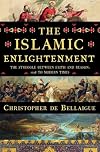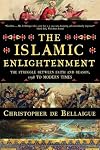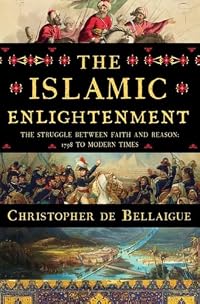
The Islamic Enlightenment: The Struggle Between Faith and Reason, 1798 to Modern Times
by Christopher De Bellaigue
On This Page
Description
A revelatory and game-changing narrative that rewrites everything we thought we knew about the modern history of the Islamic world. With majestic prose, Christopher de Bellaigue presents an absorbing account of the political and social reformations that transformed the lands of Islam in the nineteenth and early twentieth centuries. Flying in the face of everything we thought we knew, The Islamic Enlightenment becomes an astonishing and revelatory history that offers a game-changing show more assessment of the Middle East since the Napoleonic Wars. Beginning his account in 1798, de Bellaigue demonstrates how Middle Eastern heartlands have long welcomed modern ideals and practices, including the adoption of modern medicine, the emergence of women from seclusion, and the development of democracy. With trenchant political and historical insight, de Bellaigue further shows how the violence of an infinitesimally small minority is in fact the tragic blowback from these modernizing processes. What makes The Islamic Enlightenment particularly germane is that non-Muslim pundits in the post-9/11 era have repeatedly called for Islam to subject itself to the transformations that the West has already achieved since the Enlightenment--the absurd implication being that if Muslims do not stop reading or following the tenets of the Qur'an and other holy books, they will never emerge from a benighted state of backwardness. The Islamic Enlightenment, with its revolutionary argument, completely refutes this view and, in the process, reveals the folly of Westerners demanding modernity from those whose lives are already drenched in it. show lessTags
Recommendations



Member Reviews
In these frankly, traumatic times where various parties are taking more umbrage at each other’s point of view and the language is becoming more provocative one of the accusations levelled against the Muslim world is that they are failing to adapt to a modern world and modernise their culture. This has not always been the case though, as back in the nineteenth century the Muslim world embraced change and modern practices, medicine and universal suffrage. In this book on the Islamic Enlightenment, de Bellaigue goes back over 200 years to take us through the history of the region and the politicians, scientists and writers who have been key to driving the change in the region.
This is not a book you can rush, as de Bellaigue takes show more enormous pains to find the movers and shakers who drove through the change in this Muslim world and tell their story. It is full of complex tales and he is equally critical of the Muslim countries and of the Western states that carved up the region for their own ends whilst using the local political leaders to continue to oppress the populace. The amount of research that has gone into this makes for incredibly dense prose and I found it quite challenging to read. I also felt that sometimes the narrative of the stories of the people got lost in the detail. Will probably become a standard text in its time, but it is possible more for the specialist rather than the general reader. show less
This is not a book you can rush, as de Bellaigue takes show more enormous pains to find the movers and shakers who drove through the change in this Muslim world and tell their story. It is full of complex tales and he is equally critical of the Muslim countries and of the Western states that carved up the region for their own ends whilst using the local political leaders to continue to oppress the populace. The amount of research that has gone into this makes for incredibly dense prose and I found it quite challenging to read. I also felt that sometimes the narrative of the stories of the people got lost in the detail. Will probably become a standard text in its time, but it is possible more for the specialist rather than the general reader. show less
This is a dense and sometimes difficult read, but ultimately a rewarding one. I felt like I learned a lot from it, and it made me eager to read more about the Ottoman Empire and the international politics of the late nineteenth century.
"Ik hoop dat ik heb laten zien dat veel van de ideeën, zoals de waarde van het individu en de voordelen van wetgeving, wetenschap en representatieve overheid, snel werden overgenomen - zo naadloos zelfs dat ze nu authentieke kenmerken zijn van het islamitische denken en maatschappij”. Dit schrijft Christophe de Bellaigue in de slotconclusie van zijn boek. En dat doet toch wel de wenkbrauwen even fronsen. Want eigenlijk heeft hij ons net meer dan 300 bladzijden lang meegenomen op een tocht waarin hij keer op keer moet toegeven dat de voortdurende pogingen om de Westerse moderniteit te introduceren in de islamitische gemeenschap van het Midden-Oosten mislukt zijn. Eindeloos is de lijst van heel boeiende figuren die hij opvoert die show more geworsteld hebben met die moderniteit en geprobeerd hebben tot een integratie van westerse waarden te komen, sommigen helemaal in overeenstemming met de islam, anderen helemaal buiten het geloof. Dat gaat dan van autoritaire figuren als Muhammed Ali Pasha in Egypte, Mustafa Kemal Ataturk in Turkije, sjah Reza Phalevi in Iran, tot expliciet islamitische denkers en bestuurders, zoals Rifaa al-Tahtawi in Egypte, Namik Kemalj in Turkije, en Mirza Tahi Khan Karahani in Iran. Op Ataturk na zijn al deze figuren jammerlijk mislukt in hun opzet en de meesten van hen hebben het ook moeten bekopen met hun leven. Op geen enkel moment in de periode die de Bellaigue beschrijft, kan je spreken van een waarlijk “Islamitische Verlichting”, hoewel hij mordicus anders beweert. Eigenlijk kan je zijn boek dus een mislukking noemen, en dat komt vooral omdat hij voortdurend termen als Verlichting, moderniteit, industrialisering, rechtsstaat door elkaar haalt. Natuurlijk hebben die termen met elkaar te maken, maar ze dekken absoluut verschillende ladingen.
Dit boek zit dus conceptueel verkeerd in elkaar en geeft de lezer dus helemaal niet wat het belooft. Maar desalniettemin is dit toch een bijzonder interessant boek. Want hoe dan ook beschrijft De Bellaigue hoe het islamitische Midden-Oosten sinds het einde van de 18de eeuw geworsteld heeft met de Westerse moderniteit en geprobeerd heeft die in eigen termen te vertalen en toe te passen. Dat Midden-oosten was dus zeker niet passief en achterlijk zoals het in sommige oriëntalistische visies (nog altijd) naar voren komt. En het is de grote verdienste van de auteur dat hij aan die pogingen een gezicht geeft, ze vertaalt naar mensen van vlees en bloed; veel van de door hem besproken figuren waren mij onbekend en de korte biografieën van bijvoorbeeld de Egyptenaar Mohammed Abdul en de Perzische feministe Fatima Baraghani, nodigen uit om meer over hen te weten. Ook zijn globale, onderliggende these kan ik bijtreden. Namelijk dat het Westers imperialisme zo’n schok heeft teweeg heeft gebracht in de erg besloten islamitische wereld en op zo’n korte tijd alle mogelijke maatschappelijke domeinen in crisis heeft gestort, in combinatie met een uiterst vernederende, hooghartige en opportunistische opstelling van het Westen zelf, dat het maar logisch is dat de islamwereld van de weeromstuit koos voor het meest reactionaire en gewelddadige radicalisme.
Bijkomende zwakheden van dit boek zijn dat de Bellaigue zich hoofdzakelijk beperkt heeft tot de periode van de 19de eeuw en begin 20ste eeuw, en dan plots in zijn slotconclusie de sprong maakt naar vandaag. De focus op landen als Egypte, Turkije en Iran is zeker gerechtvaardigd, maar daardoor blijven interessante islamitische landen als Maleisië en Indonesië en hun vertaling van de westerse moderniteit volledig buiten beeld, en ook dat is een gemiste kans. show less
Dit boek zit dus conceptueel verkeerd in elkaar en geeft de lezer dus helemaal niet wat het belooft. Maar desalniettemin is dit toch een bijzonder interessant boek. Want hoe dan ook beschrijft De Bellaigue hoe het islamitische Midden-Oosten sinds het einde van de 18de eeuw geworsteld heeft met de Westerse moderniteit en geprobeerd heeft die in eigen termen te vertalen en toe te passen. Dat Midden-oosten was dus zeker niet passief en achterlijk zoals het in sommige oriëntalistische visies (nog altijd) naar voren komt. En het is de grote verdienste van de auteur dat hij aan die pogingen een gezicht geeft, ze vertaalt naar mensen van vlees en bloed; veel van de door hem besproken figuren waren mij onbekend en de korte biografieën van bijvoorbeeld de Egyptenaar Mohammed Abdul en de Perzische feministe Fatima Baraghani, nodigen uit om meer over hen te weten. Ook zijn globale, onderliggende these kan ik bijtreden. Namelijk dat het Westers imperialisme zo’n schok heeft teweeg heeft gebracht in de erg besloten islamitische wereld en op zo’n korte tijd alle mogelijke maatschappelijke domeinen in crisis heeft gestort, in combinatie met een uiterst vernederende, hooghartige en opportunistische opstelling van het Westen zelf, dat het maar logisch is dat de islamwereld van de weeromstuit koos voor het meest reactionaire en gewelddadige radicalisme.
Bijkomende zwakheden van dit boek zijn dat de Bellaigue zich hoofdzakelijk beperkt heeft tot de periode van de 19de eeuw en begin 20ste eeuw, en dan plots in zijn slotconclusie de sprong maakt naar vandaag. De focus op landen als Egypte, Turkije en Iran is zeker gerechtvaardigd, maar daardoor blijven interessante islamitische landen als Maleisië en Indonesië en hun vertaling van de westerse moderniteit volledig buiten beeld, en ook dat is een gemiste kans. show less
Mar 27, 2019Dutch
Ratings
Members
- Recently Added By
Author Information

12+ Works 924 Members
Christopher de Bellaigue has worked as a journalist in South Asia and the Middle East, writing for the Economist, the Guardian, and the New York Review of Books. He is the award-winning author of four books, has made several BBC television and radio documentaries, and has been a visiting fellow at the universities of Harvard and Oxford. He lives show more in London. show less
Awards and Honors
Awards
Distinctions
The Guardian Book of the Day (2017-03-13)
Common Knowledge
- Important places
- Middle East; Cairo, Egypt; Tehran, Iran
Classifications
- Genres
- History, Religion & Spirituality, Nonfiction, General Nonfiction
- DDC/MDS
- 909.0976708 — History & geography History World history Other Geographic Classifications Socioeconomic Regions By Religion
- LCC
- BP166.14 .M63 .D4 — Philosophy, Psychology and Religion Islam. Bahaism. Theosophy, etc. Islam. Bahai Faith. Theosophy, etc. ERROR, could not find
- BISAC
Statistics
- Members
- 280
- Popularity
- 114,208
- Reviews
- 3
- Rating
- (3.50)
- Languages
- Dutch, English, German
- Media
- Paper, Audiobook, Ebook
- ISBNs
- 14
- ASINs
- 6