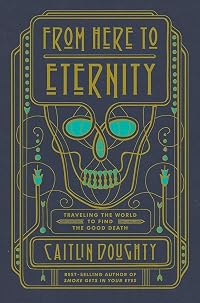
From Here to Eternity: Traveling the World to Find the Good Death
by Caitlin Doughty
On This Page
Description
Fascinated by our pervasive fear of dead bodies, mortician Caitlin Doughty set out to discover how other cultures care for the dead. In rural Indonesia, she watches a man clean and dress his grandfather's mummified body, which has resided in the family home for two years. In La Paz, she meets Bolivian natitas (cigarette-smoking, wish-granting human skulls), and in Tokyo she encounters the Japanese kotsuage ceremony, in which relatives use chopsticks to pluck their loved-ones' bones from show more cremation ashes. Doughty vividly describes decomposed bodies and investigates the world's funerary history. She introduces deathcare innovators researching body composting and green burial, and examines how varied traditions, from Mexico's Días de los Muertos to Zoroastrian sky burial help us see our own death customs in a new light. Doughty contends that the American funeral industry sells a particular -- and, upon close inspection, peculiar -- set of 'respectful' rites: bodies are whisked to a mortuary, pumped full of chemicals, and entombed in concrete. She argues that our expensive, impersonal system fosters a corrosive fear of death that hinders our ability to cope and mourn. By comparing customs, she demonstrates that mourners everywhere respond best when they help care for the deceased, and have space to participate in the process. Illustrated by artist Landis Blair, From Here to Eternity is an adventure into the morbid unknown, a story about the many fascinating ways people everywhere have confronted the very human challenge of mortality. show lessTags
Recommendations



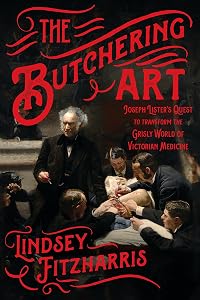
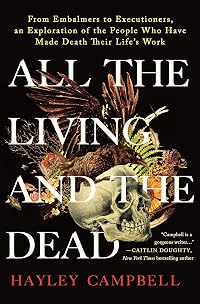
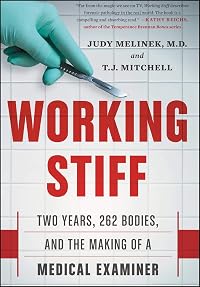
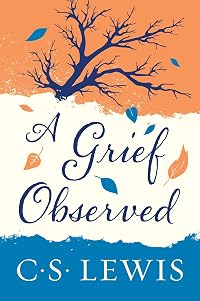

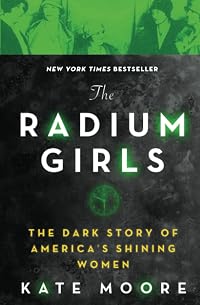
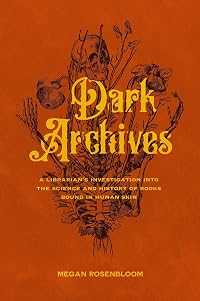
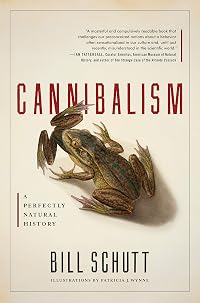
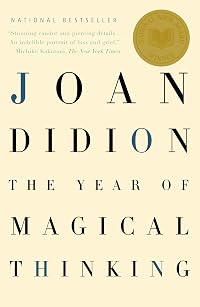
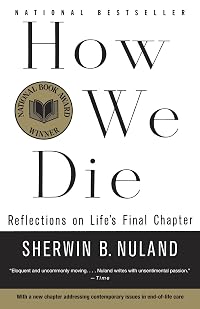
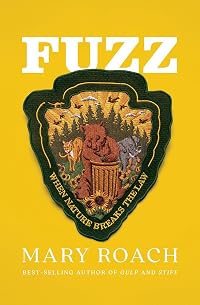
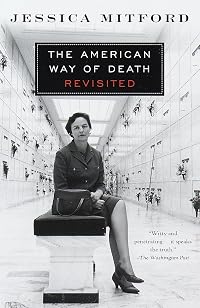
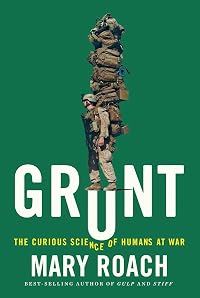

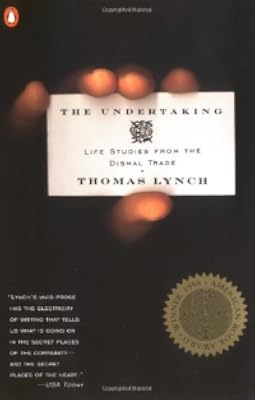

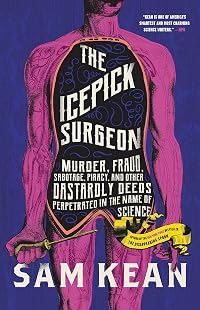
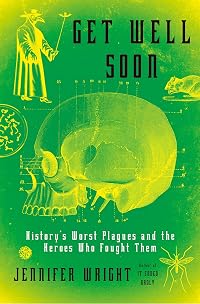
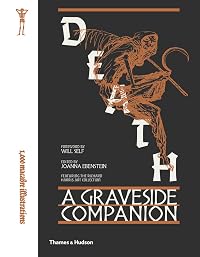






Member Recommendations
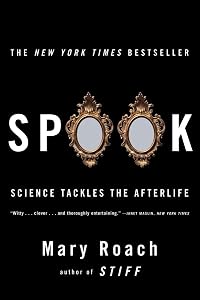
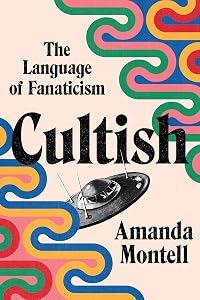
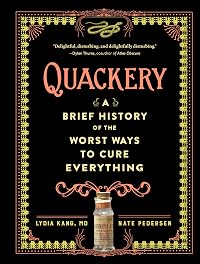
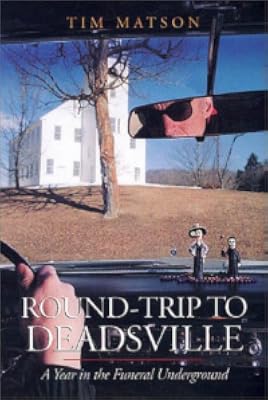
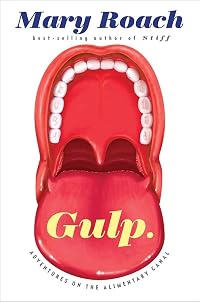
fairyfeller Both explore death rituals around the world.
Member Reviews
I totally thought that this book was a work of fiction when I initially added it to my TBR, but I was delighted to discover that it was instead an excellent piece of non-fiction which explores a variety of death practices around the world. Some of them are so strange and foreign to our Western/North American mindset that they seem almost fictional in their differences and rituals, but instead of seeing this as a negative and macabre thing I was actually rather charmed. The thesis of the book resounds around the idea that Western culture has become so sterilized and separated in its treatment of the dead that we are not able to experience this last stage of life in a positive or meaningful way, causing undue emotional harm to mourners. show more The author is a practising mortician and funeral director, but her observation of unhealthy emotional practises around death and a seeming increase in people wanting to explore alternatives to tradition led her on a journey around the world to research, explore, and ultimately participate in a multitude of multicultural funeral practises in an effort to better her understanding of what possibilities are out there - and how these practises affect people. Obviously her study is not meant to be scientific, focusing instead on personal emotional reactions and observations, and in some cases her work could be viewed as voyeurism (our reading about it definitely is), but as a way to get an entrance into the topic I think that this book is an excellent start. Her exploration and resulting reactions are genuine, respectful, and driven by an honest curiosity to learn more about the cultures she explored, and the resulting text is one that piques the beginning of a broader understanding of death. She (and therefore we) may not have all the answers, but the book does much to begin asking the questions and to begin re-evaluating our own personal practises. show less
This is one of those very few books that I would describe as life-changing for me. As I listened to this, there were many times I simply had to stop the playback and ponder what I'd just heard.
Doughty takes the reader through many ways of handling our dead, the various ways and means of saying goodbye (or not) to them, and considerations on what it means to respect the dead and treat both those that have passed, and those that remain, with dignity.
Everyone's got their own views on this, and I'll be damned if I'm going to foist mine on anyone. I'll just say that this is a really interesting book to read before considering what you would like done with your mortal remains.
Doughty takes the reader through many ways of handling our dead, the various ways and means of saying goodbye (or not) to them, and considerations on what it means to respect the dead and treat both those that have passed, and those that remain, with dignity.
Everyone's got their own views on this, and I'll be damned if I'm going to foist mine on anyone. I'll just say that this is a really interesting book to read before considering what you would like done with your mortal remains.
Books like these are so incredibly valuable. Reading "From Here to Eternity" gave me the vocabulary to explain my discomfort around Dutch funeral practices. I wonder how many people's grieving process are negatively affected by the death-illiteracy that is the norm in West-Europe.
Doughty's writing style seems much more mature here, and it isn't so packed with forced and frankly toe-curling jokes to "lighten the mood." Though Doughty is careful to not disrespect anyone's personal choices, I think her criticisms of the American funeral industry can sound a bit harsh. I can imagine that readers attached to traditional American funerals might be put off by them. (from a quick google search, American embalmers HATE Doughty)
I was struck by show more this statement by Jordi Nadal, Doughty's Spanish interpreter:
"When your bills come due, you have to pay them. At my company, I pay my bills. Here at this restaurant, I pay my bill. It is the same with feelings. When the feelings come, the fear of death, I must feel those feelings. I must pay my bill. It is being alive." show less
Doughty's writing style seems much more mature here, and it isn't so packed with forced and frankly toe-curling jokes to "lighten the mood." Though Doughty is careful to not disrespect anyone's personal choices, I think her criticisms of the American funeral industry can sound a bit harsh. I can imagine that readers attached to traditional American funerals might be put off by them. (from a quick google search, American embalmers HATE Doughty)
I was struck by show more this statement by Jordi Nadal, Doughty's Spanish interpreter:
"When your bills come due, you have to pay them. At my company, I pay my bills. Here at this restaurant, I pay my bill. It is the same with feelings. When the feelings come, the fear of death, I must feel those feelings. I must pay my bill. It is being alive." show less
I really enjoyed Caitlin Doughty’s first book, Smoke Gets In Your Eyes, so I was delighted to finally get my hands on From Here to Eternity. Every chapter has new meditations on facets of our relationship with death that I hadn’t considered before, bringing even the most bizarre-to-my-sensibilities rituals back into my understanding of our common humanity. As always, Caitlin is both funny and thoughtful, treating every perspective with respect and sensitivity even if she personally doesn’t love the method or philosophy of a certain ritual.
Just before I started this book, I finished Stiff by Mary Roach, and in my review I mentioned a few aspects of it that had become a little dated in the last fifteen years. From Here To Eternity, show more to my delight, had updates on some of the information presented in Stiff, including human composting, memorials for anatomy lab cadavers, and body farms. It was a coincidence that I read the two books in this order, but I’m glad it turned out this way. Caitlin’s style of writing, with both its sensitivity and dry humor, also reminds me of Mary Roach’s—I can’t remember if she mentioned Stiff on her Ask A Mortician YouTube channel before, but I can definitely see Roach’s influence on From Here To Eternity. show less
Just before I started this book, I finished Stiff by Mary Roach, and in my review I mentioned a few aspects of it that had become a little dated in the last fifteen years. From Here To Eternity, show more to my delight, had updates on some of the information presented in Stiff, including human composting, memorials for anatomy lab cadavers, and body farms. It was a coincidence that I read the two books in this order, but I’m glad it turned out this way. Caitlin’s style of writing, with both its sensitivity and dry humor, also reminds me of Mary Roach’s—I can’t remember if she mentioned Stiff on her Ask A Mortician YouTube channel before, but I can definitely see Roach’s influence on From Here To Eternity. show less
I’m a little conflicted about this book, in the way I get a little conflicted about follow-up books as a general rule. On the one hand, this was a light and interesting read about death and the way different people approach it across the globe, written in Doughty’s warm, candid, occasionally off-the-cuff humour. Her descriptions of the rituals she’s observed are lovely and even inspiring, and I learned things! (Always good from non-fiction.)
On the other hand, the writing in this book felt a little simpler and more rushed than in Smoke Gets In Your Eyes and I’ll confess to having worked myself into expecting a lot more cultural traditions than she actually included. I was also aware the whole time of Doughty’s agenda. She never show more seems to waste a chance to tell us how the “traditional” Western funeral paths aren’t, and that they do weird things to grief and are generally hard on families, and that we need to start thinking outside the box about body disposal. For the record, I agree with her, but the constant reminders got to be a bit much.
So, do I rec this? Only kind of. If you’re into death or sociology or are kind of a goth, go ahead and read it, it’s pretty interesting. It took me a couple days only. If you’ve read Smoke Gets In Your Eyes, this has much the same tone but is slightly breezier, so if that interests you, go for it. If you’re anyone else, it’s not the greatest memoir/travelogue going but it’s also not the worst. I’d definitely rec Smoke before this one, though.
Warnings: Frank but respectful talk about death, funeral rituals, and decomposition.
6/10 show less
On the other hand, the writing in this book felt a little simpler and more rushed than in Smoke Gets In Your Eyes and I’ll confess to having worked myself into expecting a lot more cultural traditions than she actually included. I was also aware the whole time of Doughty’s agenda. She never show more seems to waste a chance to tell us how the “traditional” Western funeral paths aren’t, and that they do weird things to grief and are generally hard on families, and that we need to start thinking outside the box about body disposal. For the record, I agree with her, but the constant reminders got to be a bit much.
So, do I rec this? Only kind of. If you’re into death or sociology or are kind of a goth, go ahead and read it, it’s pretty interesting. It took me a couple days only. If you’ve read Smoke Gets In Your Eyes, this has much the same tone but is slightly breezier, so if that interests you, go for it. If you’re anyone else, it’s not the greatest memoir/travelogue going but it’s also not the worst. I’d definitely rec Smoke before this one, though.
Warnings: Frank but respectful talk about death, funeral rituals, and decomposition.
6/10 show less
A beautiful survey of international traditions surrounding death and morning. How are other countries dealing with the rising costs of funeral arrangements and limited space for burial? How are other cultures memorializing their dead? Are they breaking new cultural ground or are they lovingly maintaining centuries old rituals?
I found this collections of essays very illuminating and it gave me lots of food for thought about my own death wishes and my thoughts concerning death. The traditions of other cultures are rich in ways that my culture is stunted or underdeveloped. I enjoyed thinking about the practices developed by other peoples to act out their grief and to examine Western culture's death phobias. Why do our taboos exist and what show more about our death culture would offend others? show less
I found this collections of essays very illuminating and it gave me lots of food for thought about my own death wishes and my thoughts concerning death. The traditions of other cultures are rich in ways that my culture is stunted or underdeveloped. I enjoyed thinking about the practices developed by other peoples to act out their grief and to examine Western culture's death phobias. Why do our taboos exist and what show more about our death culture would offend others? show less
Funeral home owner Doughty skips around the world, observing the rituals that surround death if different cultures: in Indonesia, Spain, Bolivia, Mexico, Japan, and a few locations in the U.S. where people are trying something different than the norm (funeral pyres, composting bodies, natural burial, as opposed to burial or cremation). Doughty believes that the American discomfort with death can change through meaningful ritual and important conversations with family, but the culture and the industry (which is mainly to sell coffins) must change as well. Doughty's lighthearted and somewhat irreverent tone is reminiscent of Sarah Vowell's history/travelogues, and her subject is relevant to everyone. ("We are all going...")
See also: Being show more Mortal by Atul Gawande; anything by Sarah Vowell; Stiff by Mary Roach
Quotes
One of the chief questions in my work has always been why my own culture is so squeamish around death. Why do we refuse to have these conversations....? Our avoidance is self-defeating. (6)
Torajan and American death culture share this particular trait of overexpenditure; no one wants to be perceived as disrespecting the dead. (54)
The funeral system in the United States is notorious for passing laws and regulations interfering with diverse death practices and enforcing assimilation toward Americanized norms. (85)
The Western funeral home loves the word "dignity." ...What dignity translates to, more often than not, is silence, a forced poise, a rigid formality. (102)
Not only do the young have zero death literacy, they don't seem to mind. (Japan, 167)
History is filled with ideas that arrived before their time. (179)
...women...were using their comfort with death to seize direct access to the divine from the hands of the male leaders of the Catholic Church. (Bolivia, 211)
Death avoidance is not an individual failing; it is a cultural one. (232)
[Meaningful tasks and] a sense of purpose [help] the mourner grieve. Grieving helps the mourner begin to heal. (235) show less
See also: Being show more Mortal by Atul Gawande; anything by Sarah Vowell; Stiff by Mary Roach
Quotes
One of the chief questions in my work has always been why my own culture is so squeamish around death. Why do we refuse to have these conversations....? Our avoidance is self-defeating. (6)
Torajan and American death culture share this particular trait of overexpenditure; no one wants to be perceived as disrespecting the dead. (54)
The funeral system in the United States is notorious for passing laws and regulations interfering with diverse death practices and enforcing assimilation toward Americanized norms. (85)
The Western funeral home loves the word "dignity." ...What dignity translates to, more often than not, is silence, a forced poise, a rigid formality. (102)
Not only do the young have zero death literacy, they don't seem to mind. (Japan, 167)
History is filled with ideas that arrived before their time. (179)
...women...were using their comfort with death to seize direct access to the divine from the hands of the male leaders of the Catholic Church. (Bolivia, 211)
Death avoidance is not an individual failing; it is a cultural one. (232)
[Meaningful tasks and] a sense of purpose [help] the mourner grieve. Grieving helps the mourner begin to heal. (235) show less
Members
- Recently Added By
Lists

TLS 6010
39 works; 1 member

At the Library
217 works; 1 member

Club Read's Recommended Nonfiction Written by Women
618 works; 30 members

Weirdo Nonfiction
138 works; 3 members
Author Information

10+ Works 6,739 Members
Caitlin Doughty is a licensed mortician and the host and creator of the "Ask a Mortician" web series. She founded the death acceptance collective The Order of the Good Death and cofounded Death Salon. Her first book, Smoke Gets in Your Eyes: And Other Lessons from the Crematory, was published in 2015. (Bowker Author Biography)
All Editions
Awards and Honors
Distinctions
Work Relationships
Common Knowledge
- Canonical title
- From Here to Eternity: Traveling the World to Find the Good Death
- Original publication date
- 2017-10-03
- People/Characters
- Caitlin Doughty
- Important places
- Crestone, Colorado, USA; Tana Toraja, South Sulawesi, Indonesia; Michoacán, Mexico; Cullowhee, North Carolina, USA; Barcelona, Catalonia, Spain; Tokyo, Japan (show all 7); La Paz, Bolivia
- Epigraph
- Adults who are racked with death anxiety are not odd birds who have contracted some exotic disease, but men and women whose family and culture have failed to knit the proper protective clothing for them to withstand the icy c... (show all)hill of mortality.
--Irvin Yalom, Psychiatrist - Dedication
- For Mom & Dad--
& all other parents who let weird kids be weird. - First words
- The phone rang and my heart raced.
- Blurbers
- Thuras, Dylan
- Original language
- English
- Canonical DDC/MDS
- 363.75
Classifications
- Genres
- Anthropology, General Nonfiction, Travel, Nonfiction, Biography & Memoir
- DDC/MDS
- 363.75 — Society, government, & culture Social problems and social services Public Safety - Police, Crime Investigation Environmental Issues - Pollution, Recycling, Global Warming Disposal of the dead
- LCC
- RA622 .D68 — Medicine Public aspects of medicine Public aspects of medicine Public health. Hygiene. Preventive medicine Disposal of the dead. Undertaking. Burial. Cremation.
- BISAC
Statistics
- Members
- 2,036
- Popularity
- 10,273
- Reviews
- 72
- Rating
- (4.23)
- Languages
- 5 — Chinese, English, German, Spanish, Portuguese (Portugal)
- Media
- Paper, Audiobook, Ebook
- ISBNs
- 20
- ASINs
- 5