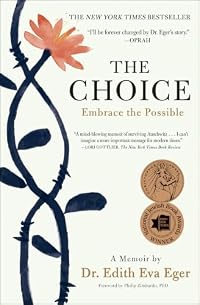
The Choice
by Edith Eva Eger
On This Page
Description
"At the age of sixteen, Edith Eger, a trained ballet dancer and gymnast, was sent to Auschwitz. Hours after her parents were killed, the 'Angel of Death, ' Nazi officer Dr. Josef Mengele, forced Edie to dance for his amusement--and her survival. He rewarded her with a loaf of bread that she shared with her fellow prisoners--an act of generosity that would later save her life. Edie and her sister survived multiple death camps and the Death March. When the American troops liberated the camps show more in 1945 they found Edie barely alive in a pile of corpses. Edie spent decades struggling with flashbacks and survivor's guilt, determined to stay silent and hide from the past ... Today, at ninety years old, Edie is a renowned psychologist and speaker who specializes in treating patients suffering from traumatic stress disorders. She ... weaves her remarkable personal account of surviving the Holocaust and overcoming its ghosts of anger, shame, and guilt with the moving stories of those she has helped heal. She explores how we can be imprisoned in our own minds and shows us how to find the key to freedom ..."--Jacket. show lessTags
Recommendations

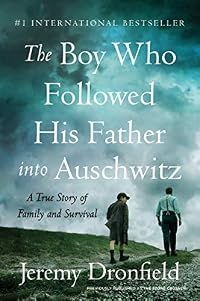



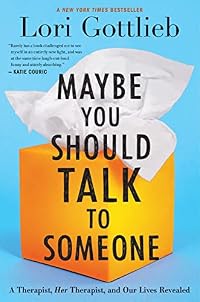
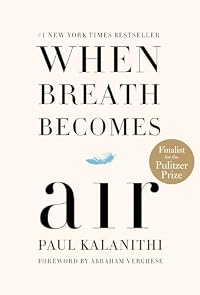

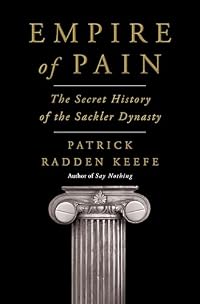



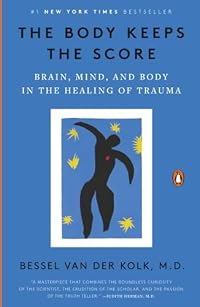
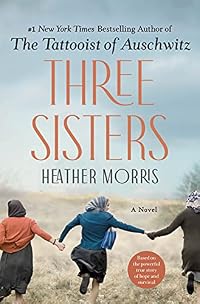

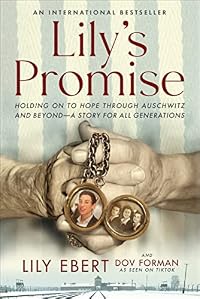
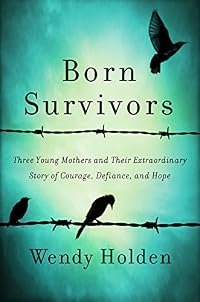







Member Recommendations
Night by Elie Wiesel
by anonymous user
Member Reviews
Dr. Edith Eva Eger picked up where Frankl left off, literally. Her personal story, about surviving the Holocaust and then using the experience to deeply understand and help people, is moving, then shockingly sad, and then inspiring. In the last few chapters she adds just enough pragmatic insights and case studies to help the reader grasp and apply the lessons. This is one of those books that you won’t be able to put down until you’re done, and then you’ll sit for a while, or a day, to continue taking it in.
This is one of the most gripping and inspiring books I have read for many years. Edith Eger was a Hungarian-American Holocaust survivor and life-affirmingly inspirational psychiatrist, who died a week or two ago at the age of 98. As a teenager, after the mass deportations of Hungarian Jews in summer 1944, she and her sister Magda survived a year in Auschwitz and on Death Marches, relying totally on each other materially and psychologically to keep themselves alive, after the gassing of their parents immediately upon their arrival at Auschwitz. Their determination to survive brought them through, though at the end they were rescued in May 1945 by a GI barely alive from a pile of corpses. They returned to their home city now in show more Czechoslovakia, where Edith married and had a daughter, but soon they had to flee when her husband was arrested by the Communist authorities. They planned to flee to Israel, but fortuitously they had a family visa for the US arranged by a distant relative before the war, so moved to America.
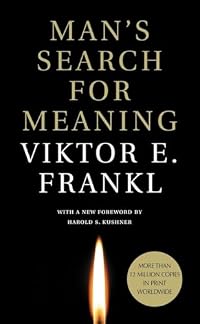
Like many survivors, Edith is traumatised by her experiences and cannot bear to talk about it to anyone, even with her husband, another Holocaust survivor, and certainly not their growing family of three children by the late 1950s. But over time Edith meets a famous camp survivor, the Austrian psychiatrist Viktor Frankl, author of the wonderful book Man's Search for Meaning, and founder of the Logotherapy school of psychiatry. Through him she reaches the conclusion that she must come to terms with her trauma and use the lessons of it to help others deal with trauma in their own lives, whether that be Vietnam War veterans, betrayed spouses or teenage girls with eating disorders. She develops and demonstrates a seemingly limitless capacity for empathy and reaching the most psychologically scarred people.
Eventually she makes the ultimate step towards coming to terms with her past by accepting an invitation to speak at a conference of military chaplains in Berchtesgaden, Hitler's old home base, and then returns to Auschwitz itself, despite the pleadings of some family members and other survivors. This is unbelievably painful for her, but with the support of her husband, she managed it: " I went back to Auschwitz searching for the feel of death so that I could finally exorcise it. What I found was my inner truth, the self I wanted to reclaim, my strength and my innocence". Her ultimate conclusion is that "the biggest prison is in your own mind, and in your pocket you already hold the key: the willingness to take absolute responsibility for your life; the willingness to risk; the willingness to release yourself from judgment and reclaim your innocence, accepting and loving yourself for who you really are—human, imperfect, and whole." Edith Eger is a very strong willed and reflective person, and very human in all its multi-various colours and dimensions, and this is a wonderful book. show less
Like many survivors, Edith is traumatised by her experiences and cannot bear to talk about it to anyone, even with her husband, another Holocaust survivor, and certainly not their growing family of three children by the late 1950s. But over time Edith meets a famous camp survivor, the Austrian psychiatrist Viktor Frankl, author of the wonderful book Man's Search for Meaning, and founder of the Logotherapy school of psychiatry. Through him she reaches the conclusion that she must come to terms with her trauma and use the lessons of it to help others deal with trauma in their own lives, whether that be Vietnam War veterans, betrayed spouses or teenage girls with eating disorders. She develops and demonstrates a seemingly limitless capacity for empathy and reaching the most psychologically scarred people.
Eventually she makes the ultimate step towards coming to terms with her past by accepting an invitation to speak at a conference of military chaplains in Berchtesgaden, Hitler's old home base, and then returns to Auschwitz itself, despite the pleadings of some family members and other survivors. This is unbelievably painful for her, but with the support of her husband, she managed it: " I went back to Auschwitz searching for the feel of death so that I could finally exorcise it. What I found was my inner truth, the self I wanted to reclaim, my strength and my innocence". Her ultimate conclusion is that "the biggest prison is in your own mind, and in your pocket you already hold the key: the willingness to take absolute responsibility for your life; the willingness to risk; the willingness to release yourself from judgment and reclaim your innocence, accepting and loving yourself for who you really are—human, imperfect, and whole." Edith Eger is a very strong willed and reflective person, and very human in all its multi-various colours and dimensions, and this is a wonderful book. show less
"The Choice," by Edith Eva Eger and Esme Schwall Weigand, is a searing memoir of loss, survival, and rebirth. Edie, who was born in Hungary, was a talented gymnast and ballet dancer who looked forward to a bright future. Tragically, she, her sister Magda, and their parents were deported to Auschwitz in 1944. From that time until she was liberated in May 1945, Edie clung to Magda, and fantasized about the boy she loved and hoped to marry after the war. Edie, Magda, and their fellow inmates were starved, forced to work at grueling tasks, sent on death marches, and were ordered to sit on top of train cars in order to discourage aerial bombardment by the Allies.
Where did Edie find the strength to keep going when it would have been so much show more easier to give up? She believes that her mother's words helped to keep her sane: "No one can take away from you what you put in your own mind." This remains Edie's mantra and it has sustained her to this day. At ninety, she is still going strong. Eger has a Phd in clinical psychology, is a consultant for the United States Army and Navy (she specializes in treating PTSD and teaches soldiers "how to deal with the adversity, trauma, and chaos of war"), has a private practice, and is an accomplished public speaker.
Edie candidly shares details of her sometimes troubled marriage, celebrates the joys of motherhood, and amazes us with her determination to pursue a doctorate. She admits that she has suffered from depression, anxiety, and survivor's guilt. In addition, she shares anecdotes (details are changed to insure confidentiality) about her interactions with patients who are so emotionally distraught that they can barely function. In addition, she touches on her friendship with the great Viktor Frankl who became her mentor. Like a mother speaking to her children, she comforts and reassures us. Our choice is to use the tools that can help us deal with emotional pain rather than live in the past and wallow in our misery. This is a powerful memoir that may give solace to readers struggling with feelings of hurt, rage, and sorrow. show less
Where did Edie find the strength to keep going when it would have been so much show more easier to give up? She believes that her mother's words helped to keep her sane: "No one can take away from you what you put in your own mind." This remains Edie's mantra and it has sustained her to this day. At ninety, she is still going strong. Eger has a Phd in clinical psychology, is a consultant for the United States Army and Navy (she specializes in treating PTSD and teaches soldiers "how to deal with the adversity, trauma, and chaos of war"), has a private practice, and is an accomplished public speaker.
Edie candidly shares details of her sometimes troubled marriage, celebrates the joys of motherhood, and amazes us with her determination to pursue a doctorate. She admits that she has suffered from depression, anxiety, and survivor's guilt. In addition, she shares anecdotes (details are changed to insure confidentiality) about her interactions with patients who are so emotionally distraught that they can barely function. In addition, she touches on her friendship with the great Viktor Frankl who became her mentor. Like a mother speaking to her children, she comforts and reassures us. Our choice is to use the tools that can help us deal with emotional pain rather than live in the past and wallow in our misery. This is a powerful memoir that may give solace to readers struggling with feelings of hurt, rage, and sorrow. show less
I knew from the start this book would touch me. I generally avoid books about WWII and concentrations camps, their horrors too much for me to contemplate. Yet, I felt compelled to read this book. The reason being that from the description I gathered this was about a woman who had survived and gone on to use her strength to help others with their trauma.
No, this was not an easy read. When she takes us into Auschwitz and tells us about the horrors she had seen and experienced there, my heart shrank in compassion and shame that humanity can be so cruel. But I also felt her courage and that of her sister, of the hardships and mental strength they must have had to survive when it may have been easier to give up.
I realised that being show more liberated from a prison does not mean the prison is gone. It can live on inside us. Dr Eger’s story of finally recognising and battling the prison in her mind is incredibly brave. I greatly respect and admire her for using her strength and harrowing experiences to help others deal with the prisons they had created for themselves, whatever the reason. She helps without judging.
Yes, this books tells of a survivor’s story, but it tells so much more about the strength and power that lives inside all of us and that we can help ourselves with the right guidance.
I would thoroughly recommend this book to everyone, whether you are struggling with your own demons or not. show less
No, this was not an easy read. When she takes us into Auschwitz and tells us about the horrors she had seen and experienced there, my heart shrank in compassion and shame that humanity can be so cruel. But I also felt her courage and that of her sister, of the hardships and mental strength they must have had to survive when it may have been easier to give up.
I realised that being show more liberated from a prison does not mean the prison is gone. It can live on inside us. Dr Eger’s story of finally recognising and battling the prison in her mind is incredibly brave. I greatly respect and admire her for using her strength and harrowing experiences to help others deal with the prisons they had created for themselves, whatever the reason. She helps without judging.
Yes, this books tells of a survivor’s story, but it tells so much more about the strength and power that lives inside all of us and that we can help ourselves with the right guidance.
I would thoroughly recommend this book to everyone, whether you are struggling with your own demons or not. show less
full 5 stars book
It’s a great mix of holocaust, biography, psychology, though it’s mostly her personal story, with various family members, and to a lesser extent some of her patients included. It’s extremely readable and it flows beautifully, and I didn’t want to put it down.
It’s a compelling account, and it’s powerful, and for me with “punches to the gut” emotional.
It seems that she wants readers/others to feel empowered by her story and with what she’s learned about healing and living, but my depressed and anxious feelings were brought up, though I definitely also saw ways to use what she teaches and models.
The “reveal” toward the end was fine for me because it was something she hadn’t remembered, so it felt show more as though the reader was learning it when she did and didn’t feel manipulative.
I’m so glad that she wrote this book, and in this format/form and with this content. It’s an indispensable addition to the Holocaust memoir genre, and one of the very best.
She does have a co-writer but I never got the feeling that I wasn’t directly hearing her voice.
It’s a very quotable book including:
“How easily a life can become a litany of guilt and regret, a song that keeps echoing with the same chorus, with the inability to forgive ourselves. How easily the life we didn’t live becomes the only life we prize. How easily we are seduced by the fantasy that we are in control, that we were ever in control, that the things we could or should have doneor said have the power, if only we had done or said them, to cure pain, to erase suffering, to vanish loss. How easily we can cling to – worship – the choice we think we could or should have made.”
and
“So often when we are unhappy it is becasue we are taking too much responsibility or we are taking too little. Instead of being assertive and choosing clearly for ourselves, we might become aggressive (choosing for others) or passive (letting others choose for us), or passive-aggressive (choosing for others by preventing them from achieving what they are choosing for themselves).”
and
“Time doesn't heal. It’s what you do with the time. Healing is possible when we choose to take responsibility, when we choose to take risks, and finally, when we choose to release the wound, to let go of the past or the grief.” show less
It’s a great mix of holocaust, biography, psychology, though it’s mostly her personal story, with various family members, and to a lesser extent some of her patients included. It’s extremely readable and it flows beautifully, and I didn’t want to put it down.
It’s a compelling account, and it’s powerful, and for me with “punches to the gut” emotional.
It seems that she wants readers/others to feel empowered by her story and with what she’s learned about healing and living, but my depressed and anxious feelings were brought up, though I definitely also saw ways to use what she teaches and models.
The “reveal” toward the end was fine for me because it was something she hadn’t remembered, so it felt show more as though the reader was learning it when she did and didn’t feel manipulative.
I’m so glad that she wrote this book, and in this format/form and with this content. It’s an indispensable addition to the Holocaust memoir genre, and one of the very best.
She does have a co-writer but I never got the feeling that I wasn’t directly hearing her voice.
It’s a very quotable book including:
“How easily a life can become a litany of guilt and regret, a song that keeps echoing with the same chorus, with the inability to forgive ourselves. How easily the life we didn’t live becomes the only life we prize. How easily we are seduced by the fantasy that we are in control, that we were ever in control, that the things we could or should have doneor said have the power, if only we had done or said them, to cure pain, to erase suffering, to vanish loss. How easily we can cling to – worship – the choice we think we could or should have made.”
and
“So often when we are unhappy it is becasue we are taking too much responsibility or we are taking too little. Instead of being assertive and choosing clearly for ourselves, we might become aggressive (choosing for others) or passive (letting others choose for us), or passive-aggressive (choosing for others by preventing them from achieving what they are choosing for themselves).”
and
“Time doesn't heal. It’s what you do with the time. Healing is possible when we choose to take responsibility, when we choose to take risks, and finally, when we choose to release the wound, to let go of the past or the grief.” show less
There's quite a bit I don't agree or like about this author and while I anticipated a different angle, perhaps more motivational in nature- the tale nonetheless resonates with profound significance.
This gripping narrative delves into the harrowing experiences of a survivor, evoking raw emotions that left me "ugly crying" throughout the initial chapters.
As I turned the pages, I found myself overwhelmed by the sheer intensity of Edith's journey and the atrocities she endured. The people she remembered and how she remembered them.
This gripping narrative delves into the harrowing experiences of a survivor, evoking raw emotions that left me "ugly crying" throughout the initial chapters.
As I turned the pages, I found myself overwhelmed by the sheer intensity of Edith's journey and the atrocities she endured. The people she remembered and how she remembered them.
Esto es un libro de Edith Eger, una psicoterapéutica, y sobreviviente de Auschwitz. Ahora tiene 91 años pero, cuando tenía 16, ella con su familia fueron secuestrados por los Nazis y llevados a un campo de exterminación. Perdió sus dos padres por siempre, de inmediato y la primera parte del libro trata de sus experiencias y las de su hermana en el campo, después.
Una de las últimas cosas que su madre le dijo fue: "nadie puede quitarte lo que pones en tu mente." y sobre esa elección es lo que ha escrito en este libro (titulado "The Choice" en su versión original).Las otras dos partes del libro se trata de la vida después de la guerra y cómo ella logró vivir con un trauma que es inimaginable por la mayoría de nosotros. Dice show more que "no existe una jerarquía del sufrimiento", y demuestra una capacidad extraordinaria para la empatía; usó sus propias heridas para curar los demás. Aprendió enfrentarse al trauma, a no perder la esperanza, y enseñó a otros cómo hacer lo mismo.
Es un libro extraordinario sobre una vida extraordinaria y lo recomiendo para cualquiera. Mucha gente dice que la última parte del libro no es necesaria, y estoy de acuerdo, la verdad es que no cabe bien, PERO, me alegro mucho de haberlo leído, porque me gustaría leer tanto como pueda de esta increíble mujer. show less
Una de las últimas cosas que su madre le dijo fue: "nadie puede quitarte lo que pones en tu mente." y sobre esa elección es lo que ha escrito en este libro (titulado "The Choice" en su versión original).Las otras dos partes del libro se trata de la vida después de la guerra y cómo ella logró vivir con un trauma que es inimaginable por la mayoría de nosotros. Dice show more que "no existe una jerarquía del sufrimiento", y demuestra una capacidad extraordinaria para la empatía; usó sus propias heridas para curar los demás. Aprendió enfrentarse al trauma, a no perder la esperanza, y enseñó a otros cómo hacer lo mismo.
Es un libro extraordinario sobre una vida extraordinaria y lo recomiendo para cualquiera. Mucha gente dice que la última parte del libro no es necesaria, y estoy de acuerdo, la verdad es que no cabe bien, PERO, me alegro mucho de haberlo leído, porque me gustaría leer tanto como pueda de esta increíble mujer. show less
Members
- Recently Added By
Lists

Top Five Books of 2020
982 works; 348 members

10 books Bill Gates wants you to read 2020
12 works; 1 member

Books Read in 2023
5,547 works; 145 members

The Burned Letter Book List
56 works; 1 member

Men's healing resources
727 works; 1 member

Healing resources for women
587 works; 1 member
Author Information

11+ Works 1,900 Members
Dr. Edith Eva Eger maintains a busy clinical practice in La Jolla, California, and holds a faculty appointment at the University of California, San Diego. She also serves as a consultant for the U.S. Army and Navy in resiliency training and the treatment of PTSD. Edie is still dancing-and ends her talks with a ballet high kick.
Awards and Honors
Common Knowledge
- Canonical title
- The Choice
- Original title
- The Choice
- Original publication date
- 2017
- Important places
- Auschwitz concentration camp, Oświęcim, Lesser Poland, Poland; El Paso, Texas, USA; Mauthausen Concentration Camp, Mauthausen, Upper Austria, Austria; Gunskirchen concentration camp, Gunskirchen, Upper Austria, Austria; Baltimore, Maryland, USA; Prešov, Slovakia (show all 9); Kassa, Hungary; Košice, Hungary; Berchtesgaden, Bavaria, Germany
- Important events
- Holocaust; World War II
- Dedication
- For the five generations of my family
my father, Lajos, who taught me to laugh;
my mother, Ilona, who helped me find what I needed inside;
my gorgeous and unbelievable sisters, Magda and Klara;
my children: Maria... (show all)nne, Audrey, and John;
and their children: Lindsey, Jordan, Rachel, David, and Ashley;
and their children's children: Silas, Graham, and Hale - First words
- I didn't know about the loaded gun hidden under his shirt, but the instant Captain Jason Fuller walked into my El Paso office on a summer day in 1980, my gut tightened and the back of my neck stung.
- Quotations
- No one can make you a victim but you. We become victims not because of what happens to us but when we choose to hold on to our victimization.
It's okay to help people - - and it's okay to need help - - but when your enabling allows others not to help themselves, then you're crippling the people you want to help. - Blurbers
- Sandberg, Sheryl; Tutu, Desmond; Walls, Jeannette; Lerner, Harriet; Berenbaum, Michael; Hoge, Charles W. (show all 7); Koffman, Robert
Classifications
Statistics
- Members
- 1,540
- Popularity
- 14,800
- Reviews
- 40
- Rating
- (4.35)
- Languages
- 13 — Czech, Dutch, English, Finnish, French, German, Hungarian, Italian, Polish, Romanian, Spanish, Turkish, Portuguese (Portugal)
- Media
- Paper, Audiobook, Ebook
- ISBNs
- 57
- ASINs
- 10