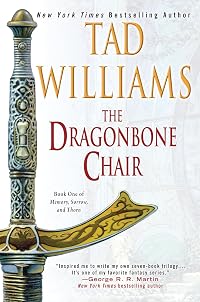
The Dragonbone Chair
by Tad Williams
Memory, Sorrow, and Thorn (1), Osten Ard (1 (Memory, Sorrow & Thorn 1))
There is 1 current discussion about this work.
On This Page
Description
A war fueled by the dark powers of sorcery is about to engulf the peaceful land of Osten Ard—for Prester John, the High King, slayer of the dread dragon Shurakai, lies dying. And with his death, an ancient evil will at last be unleashed, as the Storm King, undead ruler of the elvishlike Siti, seeks to regain his lost realm through a pact with one of human royal blood. Then, driven by spell-inspired jealousy and hate, prince will fight prince, while around them the very land begins to show more die.Only a small scattered group, the League of the Scroll, recognizes the true danger awaiting Osten Ard. And to Simon—a castle scullion unknowingly apprenticed to a member of this League—will go the task of spearheading the quest for the solution to a riddle of long-lost swords of power...and a quest that will see him fleeing and facing enemies straight out of a legend-maker's worst nighmares!. Mythology. Fantasy. Fiction. show lessTags
Recommendations
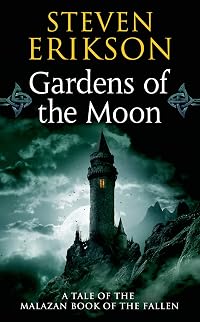
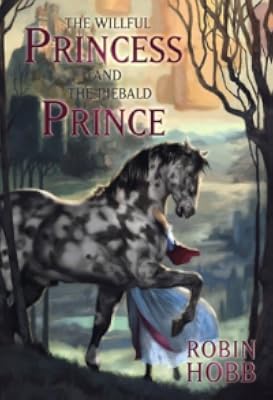
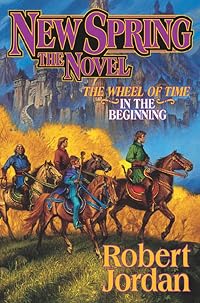
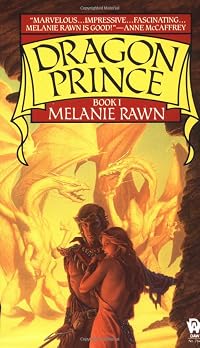
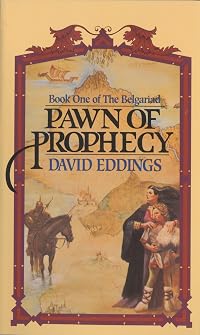
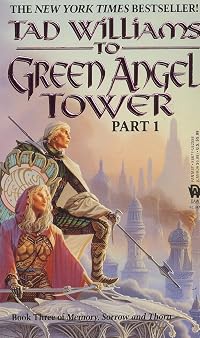

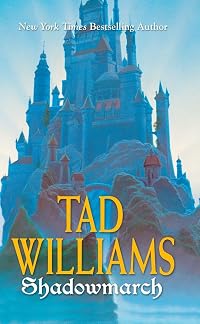
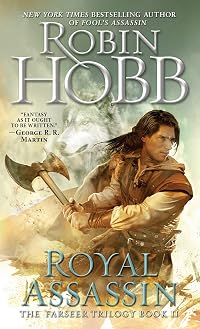
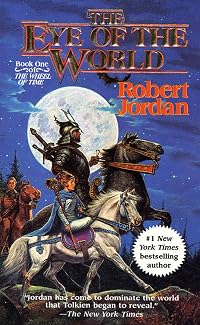
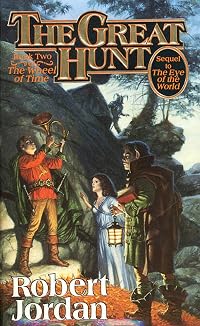
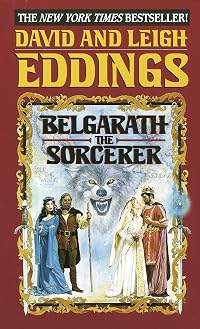
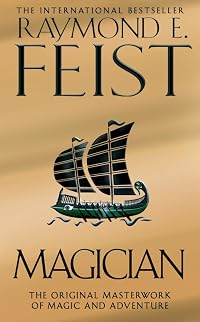
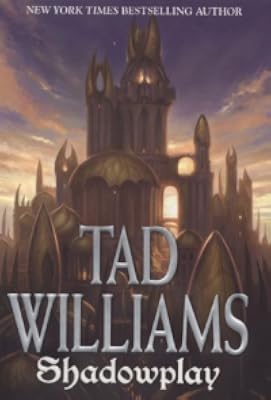
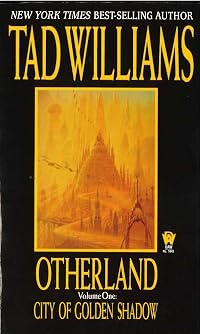
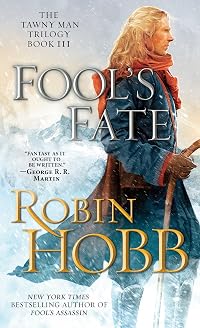
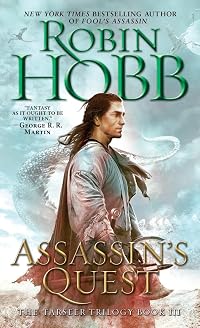
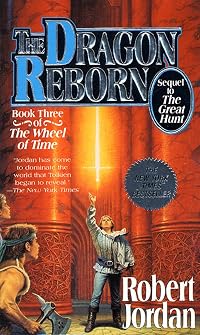
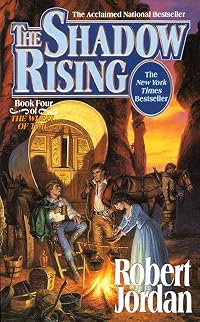
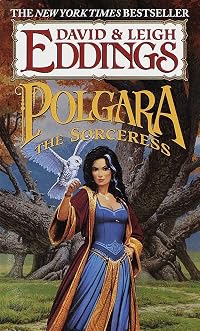
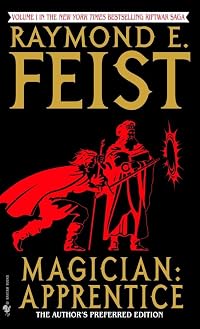
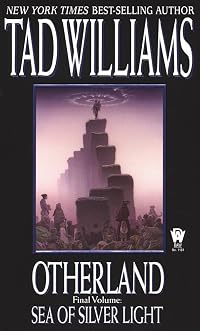
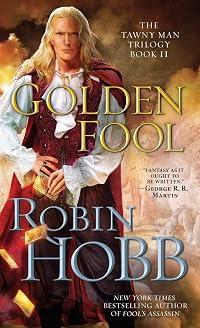
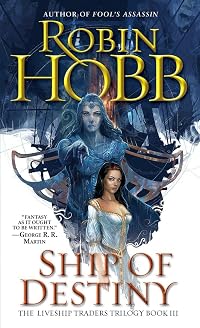
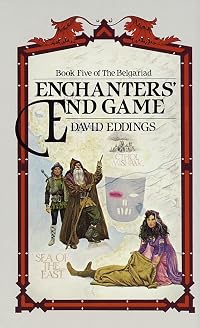
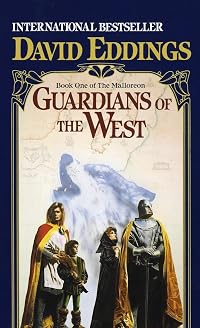
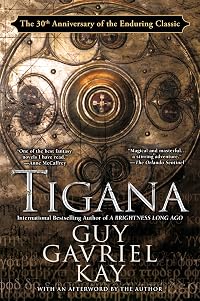
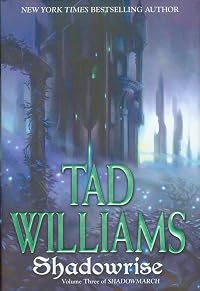
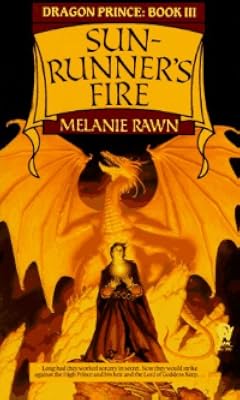
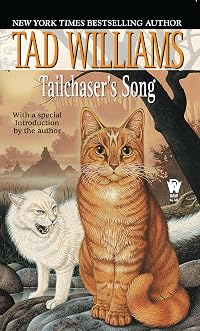
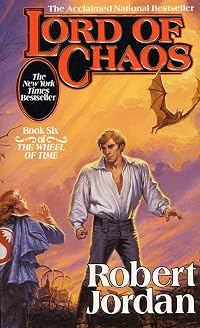
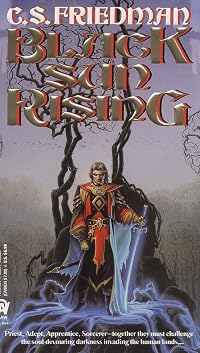
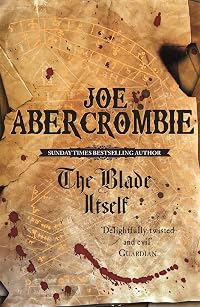
Member Recommendations
igorken I enjoyed a game of Thrones at 30 the way i enjoyed Dragonbone Chair at 16.
40
Member Reviews
Wow, is this series different.
Williams successfully creates something *new* here in epic fantasy. He's emphatically not a Tolkien imitator, nor is he a Lieber or Moorcock.
The world of Osten Ard has the most tenuous connections to the medieval Prester John legends with heavy elements borrowed, I think, from the book of Mormon, but similarity to other fantasy largely stops there.
His main character's special power is that he is simply a good boy, who grows into a good man. He doesn't have a bad mind, he's physically capable if not stunning, but it's his simple human virtue that is his defining trait.
William's take on the Dark Lord, Ineluki the Storm King- is the hero of a completely different story. A hero who refuses to accept defeat or show more to fail his people even from beyond death, a hero who will wage war against history and time itself if needed to right the wrongs he sees.
The Gardenborn themselves? Unlike anything else I've encountered in fantasy. Sure, they are wise and beautiful- but alien, and written as such. Their poetic style of speech makes it completely unclear if their Garden-home "in the Uttermost East" is literally an ancient eastern continent, a planet circling another star, or even a parallel dimension crossed through only by the use of their strange magic. All we know is that they crossed the "Ocean Indefinite and Eternal" and that it was a "black sea."
Refreshing doesn't begin to describe it, but even if written as a straight classic fantasy, Williams is an excellent storyteller; able to make the reader feel what his POV characters do quickly and without fanfare. Recommend highly for the fantasy fan or the highly curious.
This opening volume is perhaps the best of the series, opening the door to a world we recognize but don't, as the kitchen-boy Simon is accidental witness to the deeds of the mighty and wise, and some of the good, and flees for his life after doing the right thing. At the end, he gains a glimpse of his own insignificance, and learns the beginnings of wisdom. show less
Williams successfully creates something *new* here in epic fantasy. He's emphatically not a Tolkien imitator, nor is he a Lieber or Moorcock.
The world of Osten Ard has the most tenuous connections to the medieval Prester John legends with heavy elements borrowed, I think, from the book of Mormon, but similarity to other fantasy largely stops there.
His main character's special power is that he is simply a good boy, who grows into a good man. He doesn't have a bad mind, he's physically capable if not stunning, but it's his simple human virtue that is his defining trait.
William's take on the Dark Lord, Ineluki the Storm King- is the hero of a completely different story. A hero who refuses to accept defeat or show more to fail his people even from beyond death, a hero who will wage war against history and time itself if needed to right the wrongs he sees.
The Gardenborn themselves? Unlike anything else I've encountered in fantasy. Sure, they are wise and beautiful- but alien, and written as such. Their poetic style of speech makes it completely unclear if their Garden-home "in the Uttermost East" is literally an ancient eastern continent, a planet circling another star, or even a parallel dimension crossed through only by the use of their strange magic. All we know is that they crossed the "Ocean Indefinite and Eternal" and that it was a "black sea."
Refreshing doesn't begin to describe it, but even if written as a straight classic fantasy, Williams is an excellent storyteller; able to make the reader feel what his POV characters do quickly and without fanfare. Recommend highly for the fantasy fan or the highly curious.
This opening volume is perhaps the best of the series, opening the door to a world we recognize but don't, as the kitchen-boy Simon is accidental witness to the deeds of the mighty and wise, and some of the good, and flees for his life after doing the right thing. At the end, he gains a glimpse of his own insignificance, and learns the beginnings of wisdom. show less
This book is full of good old-fashioned storytelling. A rich lazy beginning that made me think of hay drifting in sunlight (hmm, the Hayholt), a chilling turn of events that upends our hero's life, a mad quest for mysterious purposes, and a confrontation with an ancient dragon to top it off. It could have been ripped right from Tolkien to be sure, but Williams has enough creativity to put his own spin on things and keep it from becoming fanfiction. It hit all the right notes, and laid an amazing foundation for what follows.
This is probably the best epic fantasy I've read in a while. It's a little generic by today's standards, but if what you want is castles and swords and journeys and coming-of-ages, then this is about the least embarrassing way to get 'em.
I did find the beginning over-long, and much less interesting than the rest of the book (it's not unreasonable to want an idea of the main plot by 150 pages in, surely?!). Having said that, I liked the book (and Simon) better the further I read. The world is interesting enough, and the invented history feels coherent and believable. There's the feeling of 'depth' without clubbing the reader over the head with exposition. The invented languages are pretty well-executed, too, taking enough inspiration show more from real languages to feel organic, without just sounding like touched-up English or fantasy gibberish.
Secondary viewpoints break up the story every so often, offering a smattering of political intrigue or advancing other storylines for a few pages. They're nice for a bit of variety. However, I will admit to finding the sudden shifts in perspective maddening when they interrupted compelling parts of Simon's story. Memory, Sorrow & Thorn doesn't move particularly quickly to begin with, and the occasional focus on secondary characters makes an already slow book even slower.
There's a fairly uninspired romance subplot, but it (thankfully) doesn't take up too much of the book. Part of the problem, for me, is that the pertinent female character isn't given enough time to really shine, or to develop a more complex personality. I'm hopeful, but not overly optimistic, that she'll get more time in the sequel. In general, I wish there were a few more prominent female characters, for variety if nothing else--this is a pretty guy-heavy book.
For all the grouching above, I'd still recommend this to anyone who enjoys fantasy. The prose is solid, and sometimes even lovely. The dialogue will rarely, if ever, make you wince (a low bar, but one a lot of epic fantasy has trouble clearing). And it's got more castles and swords and boys and horses than you can shake a stick at. show less
I did find the beginning over-long, and much less interesting than the rest of the book (it's not unreasonable to want an idea of the main plot by 150 pages in, surely?!). Having said that, I liked the book (and Simon) better the further I read. The world is interesting enough, and the invented history feels coherent and believable. There's the feeling of 'depth' without clubbing the reader over the head with exposition. The invented languages are pretty well-executed, too, taking enough inspiration show more from real languages to feel organic, without just sounding like touched-up English or fantasy gibberish.
Secondary viewpoints break up the story every so often, offering a smattering of political intrigue or advancing other storylines for a few pages. They're nice for a bit of variety. However, I will admit to finding the sudden shifts in perspective maddening when they interrupted compelling parts of Simon's story. Memory, Sorrow & Thorn doesn't move particularly quickly to begin with, and the occasional focus on secondary characters makes an already slow book even slower.
There's a fairly uninspired romance subplot, but it (thankfully) doesn't take up too much of the book. Part of the problem, for me, is that the pertinent female character isn't given enough time to really shine, or to develop a more complex personality. I'm hopeful, but not overly optimistic, that she'll get more time in the sequel. In general, I wish there were a few more prominent female characters, for variety if nothing else--this is a pretty guy-heavy book.
For all the grouching above, I'd still recommend this to anyone who enjoys fantasy. The prose is solid, and sometimes even lovely. The dialogue will rarely, if ever, make you wince (a low bar, but one a lot of epic fantasy has trouble clearing). And it's got more castles and swords and boys and horses than you can shake a stick at. show less
Very well done, a very interesting, sprawling story, filled with interesting characters and storylines. I've been rereading these books every few years and the twists and turns still surprise me sometimes.
I can see how it reminds some people of Lord of the Rings, and I have read and reread those books too, but I feel this series really is quite its own thing.
Can't wait to pick up the next book in the series!
I can see how it reminds some people of Lord of the Rings, and I have read and reread those books too, but I feel this series really is quite its own thing.
Can't wait to pick up the next book in the series!
Orphaned Simon grows up reluctantly in the kitchens and gardens of the ancient castle Hayholt, but his ordained future of brooms and pans is disrupted by a feuding royal family, a secret society, and the stirrings of a forgotten enemy to humanity. And there's elves. And dragons.
I really liked the first third of this novel, which featured kitchen-boy Simon running amok in a huge and empty castle-state. My interest started flagging as soon as Simon left Hayholt and started going through the familiar epic-fantasy motions (e.g. dark forests, immortal evil, elves). It also features some familiar Williams tics, especially the Pynchon-esque vocabulary, enormous cast, and abundant figurative language. (You could probably develop an elaborate show more drinking game just from the frequency of objects compared, in the novel, to either apples or bees.) On the other hand, Simon is a realistically muddled adolescent, and his relationship with the troll Binabik is non-cloyingly sweet. show less
I really liked the first third of this novel, which featured kitchen-boy Simon running amok in a huge and empty castle-state. My interest started flagging as soon as Simon left Hayholt and started going through the familiar epic-fantasy motions (e.g. dark forests, immortal evil, elves). It also features some familiar Williams tics, especially the Pynchon-esque vocabulary, enormous cast, and abundant figurative language. (You could probably develop an elaborate show more drinking game just from the frequency of objects compared, in the novel, to either apples or bees.) On the other hand, Simon is a realistically muddled adolescent, and his relationship with the troll Binabik is non-cloyingly sweet. show less
Young Simon, kitchen scullion, restless and full of daydreams, becomes the apprentice of Doctor Morgenes. Two brothers, princes, already at loggerheads and when their father dies and the older brother inherits, things start to go wrong almost immediately. He is under the counsel of a monk named Pryrates, as if hypnotized or bespelled by the man and no one can get close What separates this from other fantasies is that Simon is really a hapless young boy through the first half of the book and in the second half he is struggling to live up to the adventure he has found himself in and his younger self. There is a realism to this that has its annoying moments, but I also appreciate it as something Williams wanted to show, a character growing show more into himself. Much to like here, the troll Binabik and his companion wolf. A sturdy plot, three perilous swords which must be recovered in order to fight the fell Ineluki, Storm King, a Sithi (elf) gone seriously wicked eons ago bent for revenge on all humans for destroying their world. The rest of the Sithi, for they have split into three groups long ago, have to decide who they will ally themselves with in this battle. The last 1/4 in the mountains of the north convince me that Williams has himself done some climbing in ice or did his research very diligently, it's very good and the descriptions excellent and convincing. Looking forward to book 2. Not rating higher YET because I do feel it drags here and there, just too wordy. I have hopes Williams will hit his stride.
***1/2 show less
***1/2 show less
I am not gonna lie to you – this is some hardcore fantasy. I mean, I consider myself to be fairly well-read at this point in the whole fantasy genre thing… but this was nearly out of my league. It was like stepping into this room filled with all sorts of fantastic, historical facts and then made to watch a movie that assumed you had a passing knowledge of at least 50% of those facts. History lessons filled the pages in this first novel, and add into that a fair amount of world-building, in addition to some pretty heavy politics happening and it makes for a book that packs a helluva punch.
What kept me going though was Simon. I loved that moonfaced boy, and I wanted to know what will happen to him. I loved the myth of the three show more swords, Memory, Sorrow, and Thorn – for whom the series is named after. And I ABSOLUTELY adored the Sithi – seriously, I haven’t felt that much love for a race of fantasy creatures since I was introduced to Tolkien’s elves. Loved, loved, loved them.
If you are a fantasy reader, and want a definite challenge – but one that is worth the challenge just for the Sithi and Simon alone, I recommend this series. I do plan to finish it – but first.. I need to recover a bit. I’m telling you, this was a helluva read. show less
What kept me going though was Simon. I loved that moonfaced boy, and I wanted to know what will happen to him. I loved the myth of the three show more swords, Memory, Sorrow, and Thorn – for whom the series is named after. And I ABSOLUTELY adored the Sithi – seriously, I haven’t felt that much love for a race of fantasy creatures since I was introduced to Tolkien’s elves. Loved, loved, loved them.
If you are a fantasy reader, and want a definite challenge – but one that is worth the challenge just for the Sithi and Simon alone, I recommend this series. I do plan to finish it – but first.. I need to recover a bit. I’m telling you, this was a helluva read. show less
Members
- Recently Added By
Lists

Best Fantasy Novels
821 works; 361 members
Favourite High Fantasy Books
113 works; 23 members

Jean's Sci Fi/Fantasy Reading list
189 works; 12 members

Amazon's 100 Science Fiction & Fantasy Books to Read in a Lifetime
87 works; 23 members

Here There Be Dragons
143 works; 23 members

Unread books
1,063 works; 82 members

Books Read in 2012
816 works; 34 members

al.vick-series
381 works; 2 members

Recommended Fantasy Books
77 works; 5 members

infjsarah's wishlist
408 works; 2 members

Our Favorite Comfort Reads
334 works; 200 members
Book Worlds We'd Like To Visit
322 works; 158 members
Books We Couldn't Put Down
443 works; 197 members
Talk Discussions
Current Discussions
Found: Sorcerer's servant flees burning workshop in castle, joins quest, slays dragon in Name that Book (March 20)
Past Discussions
Dragonbone Chair in Science Fiction Fans (November 2011)
Author Information

128+ Works 54,725 Members
Tad Williams Tad Williams grew up in Palo Alto, California. He didn't go off to college after high school, he was more interested in living on his own and supporting himself. Williams therefore began a long string of collectively bad part time jobs. He stacked tiles, made tacos, sold shoes, peddled insurance, collected loans not all at the same show more time and worked at other things in his free moments, such as writing, as well as, several years in a rock band, hosting a radio talk show, making commercial and uncommercial art, acting, and others DAW was the first to publish Williams, accepting "Tailchaser's Song," which became an big success. It never occurred to Williams that his books wold not sell and indeed they have not stopped selling since the beginning. (Bowker Author Biography) show less
Some Editions
Awards and Honors
Awards
Series


Belongs to Publisher Series
DAW Book Collectors (797)
Work Relationships
Is contained in
Common Knowledge
- Canonical title
- The Dragonbone Chair
- Original title
- The Dragonbone Chair
- Original publication date
- 1988-10-25
- People/Characters
- Seoman Snowlock (aka Simon Mooncalf); Rachel the Dragon; High King John the Presbyter; Towser, The fool; Doctor Morgenes; Josua Lackhand (show all 10); King Elias; Pryrates; Binbiniqegabenik "Binabik"; Isgrimnur
- Important places
- The Hayholt, Erkynland, Osten Ard; Naglimund
- Epigraph*
- Ich habe mir eine Aufgabe zur Freude der Menschen gestellt und zum Wohlergehen der edlen Herzen, für die Herzen, zu denen ich mich hingezogen fühle, für die Menschen, in die ich hineinsehe. Ich meine nicht alle Menschen ; ... (show all)nicht die, von denen ich höre, daß sie keinen Schmerz ertragen können und nur in Freude leben wollen. Die lasse auch Gott in Freude leben! Diesen Menschen und diesem Leben ist meine Erzählung unbequem ; ihr Leben und das meine gehen auseinander. Ich meine andere Menschen, und zwar die, die in sich vereint tragen ihre süße Bitterkeit, ihr angenehmes Leid, ihre innige Liebe,
- Dedication
- This book is dedicated to my mother, Barbara Jean Evans, who taught to me a deep affection for Toad Hall, the Hundred Aker Woods, the Shire, and many other hidden places and countries beyond the fields we know. She also indu... (show all)ced in me a lifelong desire to make my own discoveries, and to share them with others. I wish to share this book with her.
- First words
- Author's Warning: Wanderers in the land of Osten Are are cautioned not to put blind trust in old rules and forms, and to observe all rituals with a careful eye, for they often mask being with seeming.
- Last words
- (Click to show. Warning: May contain spoilers.)Simon let the mirror drop and covered his face with his hands.
- Publisher's editor
- Gilbert, Sheila; Wollheim, Betsy
- Blurbers
- Steinberg, Sybil
- Original language
- English
*Some information comes from Common Knowledge in other languages. Click "Edit" for more information.
Classifications
Statistics
- Members
- 7,099
- Popularity
- 1,665
- Reviews
- 87
- Rating
- (3.91)
- Languages
- 10 — Czech, Dutch, English, French, German, Italian, Korean, Polish, Russian, Spanish
- Media
- Paper, Audiobook, Ebook
- ISBNs
- 49
- ASINs
- 37