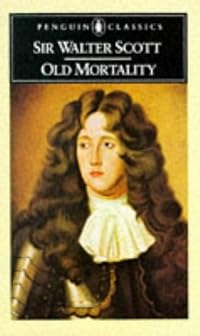
Old Mortality
by Sir Walter Scott
Tales of My Landlord (Book 1.2), Waverley Novels, publication (1816), Waverley Novels (1679)
On This Page
Description
Find Out What Scott Really WroteGoing back to the original manuscripts, a team of scholars has uncovered what Scott originally wrote and intended his public to read before errors, misreadings and expurgations crept in during production.The Edinburgh Edition offers you:A clean, corrected textTextual historiesExplanatory notesVerbal changes from the first-edition textFull glossariesTitle DescriptionThe Tale of Old Mortality describes the lives – and often violent deaths – the hopes, and show more the struggles, of the Covenanters in late seventeenth-century Scotland. A tale of extremism, bigotry and cruelty, it is redeemed by its characters' courage and loyalty, and their passionate belief in religious and civil liberty. Considered to be one of the greatest novels of the nineteenth century, its influence pervades European writing from Stendhal to Tolstoy. show lessTags
Recommendations




















Member Reviews
The situation Scott sets out in Old Mortality lends itself to facile parallels with the modern world: a small but vocal religious minority have resorted to assassination and terrorist action to try to overturn a secular, foreign-sponsored puppet administration and establish a government based on their own religious principles; the army is perpetrating human rights abuses in trying to put down the insurgency and maintain public order with the help of foreign troops; decent, ordinary people are caught in the middle between the two sides. Obviously, there are ways in which all religiously-motivated civil wars are much the same wherever and whenever they take place, but we shouldn't get too carried away...
The real problem Scott had to deal show more with in putting his case for moderation was the classic one of constructing a story with a good, moral hero at its centre without making it dull. In this particular case it was exacerbated by the need to give the hero, Henry Morton, ideas about religious tolerance, human rights, and the rule of law that aren't really plausible for someone living 30 years before the birth of David Hume. This anachronism is probably more obvious to a modern reader than it would have been to Scott's contemporaries, and it rather undermines the credibility of the rest of the story. Probably because of this, I found it much more difficult to identify with the moral arguments than in The Heart of Mid-Lothian, where Scott found a clever way to rearrange the conventional romantic structure of the narrative to keep the "hero" offstage and put a much less obvious character at the centre of the story. It also doesn't help that we have to fight our way through several levels of narrators before we get to the start of the actual story.
On the other hand, there's a huge amount to enjoy in Old Mortality. Scott dealt very creatively with the problem of language. The Covenanters' Old Testament rant and the Scots dialect of the working-class characters probably aren't really any more authentic a representation of 17th century dialogue than the standard English of the gentry, but they give the characters who use them an intelligible but very individual voice, and add greatly to the pleasure of reading the story. For most readers, the really memorable characters are going to be Cuddie Headrigg and his mother Mause; Poundtext, MacBriar, and the other preachers; and of course Lady Margaret Bellenden and her memories of Charles II taking his disjune at Tillietuddlem Castle. show less
The real problem Scott had to deal show more with in putting his case for moderation was the classic one of constructing a story with a good, moral hero at its centre without making it dull. In this particular case it was exacerbated by the need to give the hero, Henry Morton, ideas about religious tolerance, human rights, and the rule of law that aren't really plausible for someone living 30 years before the birth of David Hume. This anachronism is probably more obvious to a modern reader than it would have been to Scott's contemporaries, and it rather undermines the credibility of the rest of the story. Probably because of this, I found it much more difficult to identify with the moral arguments than in The Heart of Mid-Lothian, where Scott found a clever way to rearrange the conventional romantic structure of the narrative to keep the "hero" offstage and put a much less obvious character at the centre of the story. It also doesn't help that we have to fight our way through several levels of narrators before we get to the start of the actual story.
On the other hand, there's a huge amount to enjoy in Old Mortality. Scott dealt very creatively with the problem of language. The Covenanters' Old Testament rant and the Scots dialect of the working-class characters probably aren't really any more authentic a representation of 17th century dialogue than the standard English of the gentry, but they give the characters who use them an intelligible but very individual voice, and add greatly to the pleasure of reading the story. For most readers, the really memorable characters are going to be Cuddie Headrigg and his mother Mause; Poundtext, MacBriar, and the other preachers; and of course Lady Margaret Bellenden and her memories of Charles II taking his disjune at Tillietuddlem Castle. show less
Ha valaki azt mondja, hogy Scott regényei nem a XXI. század olvasójára vannak kitalálva, akkor azt mondom, igaza van. Ezek a könyvek alapvetően arra születtek, hogy befogadójuk esténként elbíbelődjön velük egy-két-három fejezet erejéig a kandalló mellett, akár egy hónapon át, szépen szürcsölgesse Scott szavait, és hagyja, hogy hassanak a tájleírások, a kitérők, a szereplők monológjai és vitái, valamint a lassan felépülő izgalmak. Emellett Scott tablóihoz szükségeltetik egy elég masszív történelmi háttértudás* a XVII-XVIII. század szövevényes brit viszonyairól is, aminek természetesen egy mai magyar olvasó nincs birtokában – miért is lenne? De mivel a XXI. század olvasója úgy show more általában véve nincs a XXI. századra kalibrálva, ezért mégis azt mondom: olvassunk Walter Scottot. Rágjuk át magunkat az első 60 oldalon, hagyjuk, hogy elkapjon a ritmusa, és akkor kapunk egy frenetikus utazást a régvolt Skóciába – jóval olcsóbban, mint ahogy azt bármelyik utazási iroda biztosítani tudná. (Ráadásul ha jól tudom, időgépe momentán egyiküknek sincs.)
Walter Scott regényeiben az a legmegkapóbb, és egyben legmodernebb, hogy szakít a funkcionalista történelemmagyarázat szokásával, vagyis azzal a regényírói gyakorlattal, hogy egy történelmi regénynek szükségképpen valami történelmi igazság mellett kell hitet tennie. A Puritánok utódai fanatikus „bibliás” skótok és Jakab király katolikus ízű rendszere közötti küzdelemről szól, de Scott nem áll ki egyik csoport mellett sem. A király katonáinak harácsolásait és népnyúzásait bírálja, de érezni a gúnyt ellenfeleik bemutatásakor is, akik gyakorlatilag minden élethelyzetben képesek végtelen hosszúságú, ószövetségi idézetekkel bőven megtűzdelt prédikációkat tartani – persze elsősorban akkor, amikor igazolni akarják, miért kell kiirtani mindenféle elvi ellenfelüket, főleg azokat, akik szerint a Biblia nem kézikönyv kezdő tömeggyilkosoknak.
Scott főhőse, Henry Morton tipikus scott-i főhős: becsületes, mérsékelt, alapvetően apolitikus elme, aki a körülmények szerencsétlen összejátszása folytán kerül a lázadók közé, de ha már ott van, igyekszik ott is becsülettel megállni a helyét. Az író módszereit jól jellemzi, hogy Morton tükörképét megteremti a királypárti oldalon Lord Evandale figurájában: ketten egyazon nőbe szerelmesek, kölcsönösen megmentik egymás életét, kölcsönösen respektálják a másik elveit és erkölcseit, és igyekeznek mérsékelni pártjuk radikalizmusát. Scott univerzumában a szélsőségesek is jelen vannak mindkét táborban, ám őket sem matt feketére festi a szerző: a presbiteriánus oldalon Burnley ugyan démoni figura, mégis kénytelenek vagyunk bátorságát és elvhűségét bámulni, a királypárti Lord Claverhouse hidegen célszerű kegyetlensége pedig elrettent minket, de erényei pont ugyanazok, mint engesztelhetetlen ellenfelének. Nem gonoszok ők sem – egyszerűen csak fanatikusok. Nem is értik, miért bélyegezné valaki gonosznak őket. Mégis: ők azok, akik kellemetlen hellyé teszik a világot.
(Ui.: És hadd gratuláljak Ungvári Tamásnak, aki előszavában sikeresen húzta rá a hegelianizmust Walter Scottra – mindezt úgy, hogy ki sem mondta Hegel nevét. Viszont Lukács Györgyét kimondta. Hatszor.)
* Vázolom. Oliver Cromwell puritánjai (a „kerekfejűek”) legyőzték I. Károly királyt, sőt: ha már lehetőségük nyílt rá, 1649-ben ki is végezték. Ezt követően egy szigorú kálvinista alapokra épülő köztársaság jött létre, amely azonban Cromwell halála után felbomlott, és a restauráció során a királypártiak a hazahívott II. Károlyt ültették trónra. Az ő, illetve öccse, II. Jakab uralkodása idején bonyolódik a Puritánok utódai cselekménye – amikor a fanatikus skót protestánsok fellázadtak a király katolikusokkal szimpatizáló politikája ellen, és egyesítve erőiket a mérsékelt presbiteriánusokkal, gyakorlatilag a permanens polgárháború állapotában tartották Britannia egyes vidékeit. Ez a helyzet Orániai Vilmos 1688-as érkezésével ért többé-kevésbé véget, aki a vértelen (épp ezért „dicsőséges”) forradalom során elfogadta a parlament által neki felkínált angol trónt, elűzte II. Jakabot, normalizálta a szigetország viszonyait, és létrehozta Angliában az alkotmányos monarchiát. show less
Walter Scott regényeiben az a legmegkapóbb, és egyben legmodernebb, hogy szakít a funkcionalista történelemmagyarázat szokásával, vagyis azzal a regényírói gyakorlattal, hogy egy történelmi regénynek szükségképpen valami történelmi igazság mellett kell hitet tennie. A Puritánok utódai fanatikus „bibliás” skótok és Jakab király katolikus ízű rendszere közötti küzdelemről szól, de Scott nem áll ki egyik csoport mellett sem. A király katonáinak harácsolásait és népnyúzásait bírálja, de érezni a gúnyt ellenfeleik bemutatásakor is, akik gyakorlatilag minden élethelyzetben képesek végtelen hosszúságú, ószövetségi idézetekkel bőven megtűzdelt prédikációkat tartani – persze elsősorban akkor, amikor igazolni akarják, miért kell kiirtani mindenféle elvi ellenfelüket, főleg azokat, akik szerint a Biblia nem kézikönyv kezdő tömeggyilkosoknak.
Scott főhőse, Henry Morton tipikus scott-i főhős: becsületes, mérsékelt, alapvetően apolitikus elme, aki a körülmények szerencsétlen összejátszása folytán kerül a lázadók közé, de ha már ott van, igyekszik ott is becsülettel megállni a helyét. Az író módszereit jól jellemzi, hogy Morton tükörképét megteremti a királypárti oldalon Lord Evandale figurájában: ketten egyazon nőbe szerelmesek, kölcsönösen megmentik egymás életét, kölcsönösen respektálják a másik elveit és erkölcseit, és igyekeznek mérsékelni pártjuk radikalizmusát. Scott univerzumában a szélsőségesek is jelen vannak mindkét táborban, ám őket sem matt feketére festi a szerző: a presbiteriánus oldalon Burnley ugyan démoni figura, mégis kénytelenek vagyunk bátorságát és elvhűségét bámulni, a királypárti Lord Claverhouse hidegen célszerű kegyetlensége pedig elrettent minket, de erényei pont ugyanazok, mint engesztelhetetlen ellenfelének. Nem gonoszok ők sem – egyszerűen csak fanatikusok. Nem is értik, miért bélyegezné valaki gonosznak őket. Mégis: ők azok, akik kellemetlen hellyé teszik a világot.
(Ui.: És hadd gratuláljak Ungvári Tamásnak, aki előszavában sikeresen húzta rá a hegelianizmust Walter Scottra – mindezt úgy, hogy ki sem mondta Hegel nevét. Viszont Lukács Györgyét kimondta. Hatszor.)
* Vázolom. Oliver Cromwell puritánjai (a „kerekfejűek”) legyőzték I. Károly királyt, sőt: ha már lehetőségük nyílt rá, 1649-ben ki is végezték. Ezt követően egy szigorú kálvinista alapokra épülő köztársaság jött létre, amely azonban Cromwell halála után felbomlott, és a restauráció során a királypártiak a hazahívott II. Károlyt ültették trónra. Az ő, illetve öccse, II. Jakab uralkodása idején bonyolódik a Puritánok utódai cselekménye – amikor a fanatikus skót protestánsok fellázadtak a király katolikusokkal szimpatizáló politikája ellen, és egyesítve erőiket a mérsékelt presbiteriánusokkal, gyakorlatilag a permanens polgárháború állapotában tartották Britannia egyes vidékeit. Ez a helyzet Orániai Vilmos 1688-as érkezésével ért többé-kevésbé véget, aki a vértelen (épp ezért „dicsőséges”) forradalom során elfogadta a parlament által neki felkínált angol trónt, elűzte II. Jakabot, normalizálta a szigetország viszonyait, és létrehozta Angliában az alkotmányos monarchiát. show less
Re-read as part of a project to read all Scott's historical novels in order of publication.
A good historical novel, but written in an era, and for an audience, that would have had a better background in the actual events of the time. I found myself heading to Wikipedia at the end of the book to flesh out the historical context.
A good historical novel, but written in an era, and for an audience, that would have had a better background in the actual events of the time. I found myself heading to Wikipedia at the end of the book to flesh out the historical context.
A very early (1816) historical novel set in Scotland in 1679 during the religious wars against the last Stuart kings. Scott is recognised as having created the genre of historical novels in the Waverley series, and this book seems like a fully fledged modern historical novel - a mix of fictional and real characters set in a realistic context. It is good stuff, but the Scots dialog is a little inpenetrable, and needed 100+ pages of noted to translate, and to explain. The author balances the views of the different sides - enough good and bad on both sides to allow the reader to draw their own conclusion. Seems very modern for its time, but includes the fantastic plot twists that are familiar from other 19th century fiction. Read February 2009
Old Mortality is not as well known nor is it as popular as Rob Roy, Ivanhoe or Kenilworth, all of which followed it in the five years subsequent to its publication in 1816. It also precedes The Heart of Midlothian and The Bride of Lammermoor, both of which were part of Scott's series of novels "Tales of My Landlord". But Old Mortality is considered one of Scott's best novels.
Under the reign of the last Stewarts, there was an anxious wish on the part of government to counteract, by every means in their power, the strict or puritanical spirit which had been the chief characteristic of the republican government. The novel takes its title from the nickname of Robert Paterson, a Scotsman of the 18th century who late in life decided to travel show more around Scotland re-engraving the tombs of 17th century Covenanter martyrs. The first chapter of the novel describes a meeting between him and the novel's fictitious narrator.
The novel tells the story of Henry Morton, who shelters John Balfour of Burley, one of the assassins of Archbishop James Sharp. As a consequence Morton joins Burley in an uprising of Covenanters (who wanted the re-establishment of Presbyterianism in Scotland) which was eventually defeated at the Battle of Bothwell Bridge in 1679, by forces led by the Duke of Monmouth and John Graham of Claverhouse. The bulk of the novel describes the progress of the rebellion from its initial success at the Battle of Drumclog, and the growth of factionalism which hastened its defeat. Henry's involvement in the rebellion causes a conflict of loyalties for him, since he is in love with Edith Bellenden who belongs to a family who oppose the uprising. Henry's beliefs are not as extreme as those of Burley and many other rebel leaders, which leads to his involvement in the factional disputes. The novel also shows their oppressors, led by Claverhouse, to be extreme in their beliefs and methods. Comic relief is provided by Cuddie Headrigg, a peasant who reluctantly joins the rebellion because of his personal loyalty to Morton, as well as his own fanatical mother.
This novel is both interesting and exciting in its historical detail. More importantly it addresses the questions of the relative merits of 'enthusiasm' and moderation, of extremism and consensus, when the nation is swept by rebellion and violent change. show less
Under the reign of the last Stewarts, there was an anxious wish on the part of government to counteract, by every means in their power, the strict or puritanical spirit which had been the chief characteristic of the republican government. The novel takes its title from the nickname of Robert Paterson, a Scotsman of the 18th century who late in life decided to travel show more around Scotland re-engraving the tombs of 17th century Covenanter martyrs. The first chapter of the novel describes a meeting between him and the novel's fictitious narrator.
The novel tells the story of Henry Morton, who shelters John Balfour of Burley, one of the assassins of Archbishop James Sharp. As a consequence Morton joins Burley in an uprising of Covenanters (who wanted the re-establishment of Presbyterianism in Scotland) which was eventually defeated at the Battle of Bothwell Bridge in 1679, by forces led by the Duke of Monmouth and John Graham of Claverhouse. The bulk of the novel describes the progress of the rebellion from its initial success at the Battle of Drumclog, and the growth of factionalism which hastened its defeat. Henry's involvement in the rebellion causes a conflict of loyalties for him, since he is in love with Edith Bellenden who belongs to a family who oppose the uprising. Henry's beliefs are not as extreme as those of Burley and many other rebel leaders, which leads to his involvement in the factional disputes. The novel also shows their oppressors, led by Claverhouse, to be extreme in their beliefs and methods. Comic relief is provided by Cuddie Headrigg, a peasant who reluctantly joins the rebellion because of his personal loyalty to Morton, as well as his own fanatical mother.
This novel is both interesting and exciting in its historical detail. More importantly it addresses the questions of the relative merits of 'enthusiasm' and moderation, of extremism and consensus, when the nation is swept by rebellion and violent change. show less
better than any other Scott novel I know of, except perhaps _Ivanhoe_. I am always amazed at how dextrously Scott gives his characters, and especially his heroes, lines which fit so exactly the character and the situation -- as if they could not have said anything else. (Like the phrases in a Mozart melofy.)
3751. Old Mortality, by Sir Walter Scott (read June 4, 2003) I have heretofore read twelve volumes of novels by Scott (two in 1966, five in 1967, one in 1972, one in 1975, one in 1979, one in 1981, and one in 1983) but noted recently that this one of his better-known works I had never read. Except for the annoying Scottish dialect put in the mouths of lower class characters, it is not bad reading, and seems to adhere quite closely to historical fact, being laid mainly in 1679 when the Covenanters revolted against Charles II. Henry Morton, the central character, gets caught up on the side of the revolters, escapes death several times--not a bad story, with some nice touches: e.g., the ranting sermons of the Covenanter preachers; and the show more battle scenes are well-told. show less
Members
- Recently Added By
Lists

Best Historical Fiction
620 works; 261 members

Best of Scottish Literature
35 works; 6 members

Fifty Representative Historical Novels
50 works; 2 members

Fiction Set During a Revolution
55 works; 24 members

Harold Bloom - The Western Canon: C. The Democratic Age
336 works; 15 members

Trinity College Booklist (1951): Class Ten, English Literature
358 works; 5 members
F. B. Perkins' List of 100 Best Fiction
100 works; 5 members
150 Best Novels Selected by Brander Matthews (1883)
150 works; 7 members
Author Information

1,004+ Works 40,580 Members
Some Editions
Awards and Honors
Series

Tales of My Landlord
7 works (Book 1.2)

Waverley Novels, publication
31 works (1816)

Waverley Novels
31 works (1679)
Belongs to Publisher Series
Work Relationships
Is contained in
Is abridged in
Inspired
Common Knowledge
- Canonical title
- Old Mortality
- Original title
- Old Mortality
- Alternate titles
- The Tale of Old Mortality
- Original publication date
- 1816
- People/Characters
- Mr Morton; Henry Morton; Dame Alison Wilson; Lady Margaret Bellenden; Major Bellenden; Guydill (show all 29); Jenny Dennison; Edith Bellenden; Lord Evandale; Lady Emily Hamilton; Francis Stewart (aka, Bothwell); Tam Halliday; John Balfour of Burley; Cornet Graham; Mause Headrigg; Cuddie Headrigg; Colonel Grahame of Claverhouse (Viscount of Dundee); Viscount of Dundee (Colonel Grahame of Claverhouse); Gabriel Kettledrumle; Poundtext; Macbriar; James Scott, 1st Duke of Monmouth and 1st Duke of Buccleuch; General Dalzell; Mucklewraith; John Maitland, 1st Duke of Lauderdale; Basil Olifant; Bessie MacClure; Wittenbold; John Graham (1st Viscount Dundee)
- Important places
- Scotland, UK; The Netherlands; Milnwood, Scotland, UK (fictional)
- Epigraph*
- Du, Land der Kuchen, und ihr, schott'sche Brüder,
*Some information comes from Common Knowledge in other languages. Click "Edit" for more information.
Classifications
Statistics
- Members
- 716
- Popularity
- 39,460
- Reviews
- 10
- Rating
- (3.79)
- Languages
- 9 — English, French, German, Hungarian, Italian, Lithuanian, Norwegian, Russian, Spanish
- Media
- Paper, Ebook
- ISBNs
- 59
- ASINs
- 53