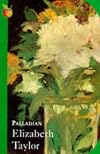
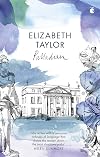
Palladian
by Elizabeth Taylor
On This Page
Description
When newly-orphaned Cassandra Dashwood arrives as governess to little Sophy, the scene seems set for the archetypal romance between young girl and austere widowed employer. Cassandra is to discover that in real life tragedy, comedy and embarrassment are never far apart.Tags
Recommendations

















Member Reviews
This novel's description led me to expect a fairly conventional "young governess falls for lord of the manor" story. I should have known better. Elizabeth Taylor does not write conventional novels; she writes deep studies of characters and relationships. In Palladian, Cassandra Dashwood finds work as a governess after her father's death. Her employer is Marion Vanbrugh, a reclusive widower rambling about a big old house. Cassandra immediately takes responsibility for Marion's daughter Sophy, and tries to fit in with the family and their household help. So far, pretty conventional. But that's all just a set piece for a deeper storyline, centered on Marion's brother Tom.
Tom is the black sheep of the family. He's been through hard times, show more and has turned to alcohol to numb the pain. He is secretly carrying on with Mrs. Veal, who runs the local pub with her husband Gilbert. Tom spends entire days at the pub, drinking himself into a stupor. Completing the family tableau are Marion's snobbish cousin Margaret. who is constantly judging everyone else, and his aunt Tinty, who runs the household, and worries about Tom:
It was getting worse and worse. At first (but that was years ago), when he was bored and restless, he would go down for a pint and a chat, something to do; that soon became a habit which fitted easily into his life. Now, it was no longer a habit, it was his purpose, the centre of him, the thing that was real, and his life must fit in with that, or he could not answer for living. ... She knew that it was Tom's mind that mattered, and his life being so empty of purpose that drink could have taken possession of the centre of him. (p. 52)
The setting is just as important as the characters, and captured in such beautiful prose:
The sky looked swollen, as if it held some darker, heavier substance than rain, as if at a finger's pressure it would let down a stained syrup, like the blackberry juice dripping from the muslin net in the kitchen. (p. 124)
Taylor oh-so-gradually reveals the reasons for Tom's despair, and places the reader right in the middle, where we can feel his pain. When she later unveils a dramatic plot twist, it is simultaneously terrible, and yet essential, especially for Tom.
No, this is definitely not your traditional governess story. show less
Tom is the black sheep of the family. He's been through hard times, show more and has turned to alcohol to numb the pain. He is secretly carrying on with Mrs. Veal, who runs the local pub with her husband Gilbert. Tom spends entire days at the pub, drinking himself into a stupor. Completing the family tableau are Marion's snobbish cousin Margaret. who is constantly judging everyone else, and his aunt Tinty, who runs the household, and worries about Tom:
It was getting worse and worse. At first (but that was years ago), when he was bored and restless, he would go down for a pint and a chat, something to do; that soon became a habit which fitted easily into his life. Now, it was no longer a habit, it was his purpose, the centre of him, the thing that was real, and his life must fit in with that, or he could not answer for living. ... She knew that it was Tom's mind that mattered, and his life being so empty of purpose that drink could have taken possession of the centre of him. (p. 52)
The setting is just as important as the characters, and captured in such beautiful prose:
The sky looked swollen, as if it held some darker, heavier substance than rain, as if at a finger's pressure it would let down a stained syrup, like the blackberry juice dripping from the muslin net in the kitchen. (p. 124)
Taylor oh-so-gradually reveals the reasons for Tom's despair, and places the reader right in the middle, where we can feel his pain. When she later unveils a dramatic plot twist, it is simultaneously terrible, and yet essential, especially for Tom.
No, this is definitely not your traditional governess story. show less
Cassandra Dashwood, quiet to the point of appearing insipid, is a newly orphaned young woman when we meet first meet her. Mrs. Turner, her former headmistress, finds her a position as a governess to teach Sophy Vanbrugh, a motherless young girl who lives with her father, Marion Vanbrugh, in Cropthorne Manor. Through drizzle and damp, Cassandra takes the train to Cropthorne, accompanied by a mouldy, dank book written by Mrs. Turner and The Woman in White (a Gothic mystery by Wilkie Collins). “…drowsy, dully baleful…lulled into blankness of mind…anaeshetised almost by the rain and the darkening afternoon”, so Taylor sets the scene for us, taking Cassandra into the next phase of her life where she has a “very proper willingness show more to fall in love, the more despairingly the better, with her employer”.
The clues are brickbats, whacking us over the head at this point: we are going into an odd mix of Jane Austen and a Gothic tale, with decided overtones of Jane Eyre, with flashes of brilliant humour laced through. In fact, I think Hardy and a few others might be in there too.
Cassandra finds herself in a dusty, mouldy, ramshackle, teetering on the edge of ruin manor home with a cat who is forever killing birds or mice all over the place, a nanny who has no purpose as a nanny but refuses to slide down the social ladder to become a cook or general dogsbody, and several sponging relatives of Marion Vanbrugh’s, in addition to the child Sophy. These are Dr. Margaret Osborne, his cousin, a caustic and mannish woman who is pregnant by her lover, not her husband; Margaret’s brother, Tom, an alcoholic failed doctor who draws surreal and noir sketches; their mother, the querulous and anxiety riddled Mrs. Vanbrugh, aka Aunt Tinty to Sophy.
The house itself is as much a character as any of the people are, with its all-pervasive damp and mustiness casting a claustrophobic pall over everything despite the former grandeur of its rooms. Its fireplaces can’t begin to throw any heat into its cold halls. Its greenhouse is teetering on the edge of the ruin which must come, out-buildings are locked as too dangerous to enter, its church is as cold as the grave. I kept wondering why no one picked up a pail or a hammer but no, everyone just made endless pots of tea, read or drank.
Marion Vanbrugh himself is effete and delicate, handsome with a woman’s beauty, pale and bookish. Of course he is to be Cassandra’s love—no spoiler, she set her cap in this direction before even meeting him—and they suit each other perfectly. The first thing he wants to do is teach her Greek, the wild man. There is no energy from either of them. They don’t move or rush about or do anything particularly interesting. The one time someone does move with any vigour or sense of life, disaster strikes!
And then there is the formidable presence of Violet, the late lady of the manor. A tale does unfold, things do happen, there are human emotions, but it all seems in slow motion or seen through a veil of cobwebs. No one comes to wind the clocks any more. What’s the point? It’s a wonderful send-up and yet it’s a good story all on its own. I thoroughly enjoyed this read and the dark humour which poked through every now and then. For the key characters aren't stupid, quite the contrary, so despite the external torpor, they are possessed of an inner life--and in the case of some, inner demons. show less
The clues are brickbats, whacking us over the head at this point: we are going into an odd mix of Jane Austen and a Gothic tale, with decided overtones of Jane Eyre, with flashes of brilliant humour laced through. In fact, I think Hardy and a few others might be in there too.
Cassandra finds herself in a dusty, mouldy, ramshackle, teetering on the edge of ruin manor home with a cat who is forever killing birds or mice all over the place, a nanny who has no purpose as a nanny but refuses to slide down the social ladder to become a cook or general dogsbody, and several sponging relatives of Marion Vanbrugh’s, in addition to the child Sophy. These are Dr. Margaret Osborne, his cousin, a caustic and mannish woman who is pregnant by her lover, not her husband; Margaret’s brother, Tom, an alcoholic failed doctor who draws surreal and noir sketches; their mother, the querulous and anxiety riddled Mrs. Vanbrugh, aka Aunt Tinty to Sophy.
The house itself is as much a character as any of the people are, with its all-pervasive damp and mustiness casting a claustrophobic pall over everything despite the former grandeur of its rooms. Its fireplaces can’t begin to throw any heat into its cold halls. Its greenhouse is teetering on the edge of the ruin which must come, out-buildings are locked as too dangerous to enter, its church is as cold as the grave. I kept wondering why no one picked up a pail or a hammer but no, everyone just made endless pots of tea, read or drank.
Marion Vanbrugh himself is effete and delicate, handsome with a woman’s beauty, pale and bookish. Of course he is to be Cassandra’s love—no spoiler, she set her cap in this direction before even meeting him—and they suit each other perfectly. The first thing he wants to do is teach her Greek, the wild man. There is no energy from either of them. They don’t move or rush about or do anything particularly interesting. The one time someone does move with any vigour or sense of life, disaster strikes!
And then there is the formidable presence of Violet, the late lady of the manor. A tale does unfold, things do happen, there are human emotions, but it all seems in slow motion or seen through a veil of cobwebs. No one comes to wind the clocks any more. What’s the point? It’s a wonderful send-up and yet it’s a good story all on its own. I thoroughly enjoyed this read and the dark humour which poked through every now and then. For the key characters aren't stupid, quite the contrary, so despite the external torpor, they are possessed of an inner life--and in the case of some, inner demons. show less
In Palladian, Taylor is clearly playing with the form and content of traditional, gothic romance novels such as Jane Eyre and Rebecca. However, this is far from being a straight forward pastiche and it is certainly not a parody.
Written in the 1940s, the characters themselves, influenced by a world recently gone and depicted romantically in these classic novels, try to place themselves within this world and often fail. The nanny complains of "trapesing in my kitchen" and then "flushes" as she remembers she is not a cook. Landowner Marion is prompted to remember his responsibilities to his villagers but can't quite bring himself to perform them.
Memories of Marion's beautiful, possibly mentally unstable young wife who died in childbirth show more and was loved by both Marion and his cousin, form the gothic core of the novel, leading to the usual jealousies and mysteries.
Marion's cousin, Tom is the most vivid of the characters but clearly damaged with an alcohol addiction and an abusive relationship which is uncomfortable to witness.
We initially learn about the household through the eyes of Cassandra who has come to act as governess to Marion's daughter, Sophy, a dreamy child who fantasises about the dead mother whom she never knew. Cassandra is a bookish young woman and so the undercurrents in the household seem familiar to her. She believes it is her role to fall in love with her employer and create a happy ending. In a way, she eventually gets what she wants, though circumstances have become so bleak by this time that the reader doubts a happy ending is likely for anyone in the household!
There is a bleakness and cynicism about the book but despite the darkness, it was the novel's ironies, wit and attention to detail which made it a real pleasure for me. And not all the humour is dark or sophisticated. I loved it when Cassandra and Nanny tried to persuade Sophy to watch Pride and Prejudice with them at the cinema.
'What does "Prejudice" mean?' Sophy struggled into her coat.
'It means a pre-conceived opinion', Cassandra replied.
' I don't think I shall enjoy it', said Sophy.
It was Taylor's way with words which really made Palladian for me and I think it is one which I will re-read one day. show less
Written in the 1940s, the characters themselves, influenced by a world recently gone and depicted romantically in these classic novels, try to place themselves within this world and often fail. The nanny complains of "trapesing in my kitchen" and then "flushes" as she remembers she is not a cook. Landowner Marion is prompted to remember his responsibilities to his villagers but can't quite bring himself to perform them.
Memories of Marion's beautiful, possibly mentally unstable young wife who died in childbirth show more and was loved by both Marion and his cousin, form the gothic core of the novel, leading to the usual jealousies and mysteries.
Marion's cousin, Tom is the most vivid of the characters but clearly damaged with an alcohol addiction and an abusive relationship which is uncomfortable to witness.
We initially learn about the household through the eyes of Cassandra who has come to act as governess to Marion's daughter, Sophy, a dreamy child who fantasises about the dead mother whom she never knew. Cassandra is a bookish young woman and so the undercurrents in the household seem familiar to her. She believes it is her role to fall in love with her employer and create a happy ending. In a way, she eventually gets what she wants, though circumstances have become so bleak by this time that the reader doubts a happy ending is likely for anyone in the household!
There is a bleakness and cynicism about the book but despite the darkness, it was the novel's ironies, wit and attention to detail which made it a real pleasure for me. And not all the humour is dark or sophisticated. I loved it when Cassandra and Nanny tried to persuade Sophy to watch Pride and Prejudice with them at the cinema.
'What does "Prejudice" mean?' Sophy struggled into her coat.
'It means a pre-conceived opinion', Cassandra replied.
' I don't think I shall enjoy it', said Sophy.
It was Taylor's way with words which really made Palladian for me and I think it is one which I will re-read one day. show less
Cassandra, a recently orphaned English girl in her late teens, goes to serve as a governess at a decaying great house. Having unhealthily indulged in reading novels, which she views as guides for life, she has come to the conclusion that she must fall in love with the master of the house. Once she arrives at the estate, however, she discovers that the gentleman is mostly ensconced in his library, where he is deeply engaged in the study of dead languages—even as the house, with its Palladian front, falls to rack and ruin about him. No, Marion is hardly a catch, and he’s apparently quite effeminate to boot—not a man at all (!) according to some of the characters. Cassandra doesn’t seem to notice, or, if she does, she’s quite show more unbothered.
Marion’s controlling, anxiety-riddled aunt and his two cousins—a bizarre, cat-like woman doctor (who is always prowling about, toying with, and ready to pounce on Cassandra) and her drunkard brother (who is engaged in a desultory affair with a blowsy pub owner)—also reside in the mouldering manor. As for Cassandra’s charge: everyone but the girl’s father (Marion) agrees that Sophy should be at school so she can be properly socialized (and lifted out of the general familial decay). Rather like du Maurier’s Rebecca, the ghost of Marion’s stunningly beautiful dead wife is omnipresent. She was at the centre of a love triangle that contributed to the ruin of the house and the family. Details do, of course, come out, and there is a dramatic, climactic tragedy, about which the reader can summon very little feeling.
I was expecting quite a bit more from Taylor’s second work—a subversion of the gothic novel, I suppose. I didn’t feel that I got it or much of anything at all from this book. It’s somewhat interesting, but inferior to her first work—though there are hints of themes and preoccupations that will populate future novels. show less
Marion’s controlling, anxiety-riddled aunt and his two cousins—a bizarre, cat-like woman doctor (who is always prowling about, toying with, and ready to pounce on Cassandra) and her drunkard brother (who is engaged in a desultory affair with a blowsy pub owner)—also reside in the mouldering manor. As for Cassandra’s charge: everyone but the girl’s father (Marion) agrees that Sophy should be at school so she can be properly socialized (and lifted out of the general familial decay). Rather like du Maurier’s Rebecca, the ghost of Marion’s stunningly beautiful dead wife is omnipresent. She was at the centre of a love triangle that contributed to the ruin of the house and the family. Details do, of course, come out, and there is a dramatic, climactic tragedy, about which the reader can summon very little feeling.
I was expecting quite a bit more from Taylor’s second work—a subversion of the gothic novel, I suppose. I didn’t feel that I got it or much of anything at all from this book. It’s somewhat interesting, but inferior to her first work—though there are hints of themes and preoccupations that will populate future novels. show less
Cassandra Dashwood, at the age of eighteen is quiet, bookish and, dare I say, a little dull. And, after her father’s recent death, she is alone in the world.
Fortunately Mrs. Turner, her former headmistress, takes an interest in Cassandra, and finds her a post: Marion Vanbrugh is a widower with a young daughter, Sophy, and he needs a governess.
It was so, so easy for Cassandra to cast herself and Jane Eyre and Marion as Mr Rochester.
But reality would prove to be a little different.
Marion was as quiet, bookish and dull as Cassandra. And he was weighed down by his family; an elderly aunt, who kept house quite ineffectually; a cousin, pregnant by her lover, not her husband; another cousin, who was charming but quite directionless; and show more Violet, his wife who had died but still had a presence.
And they all lived together, their lives stagnating in a crumbling mansion.
It was fortunate that Sophy was charming, and that her father took a great interest in his daughter and her governess …
This is a story with echoes of other authors: Jane Austen in the heroine’s name, and in more besides; Charlotte Bronte in the heroine’s position; Ivy Compton-Burnett in some of the dialogue and relationships; Daphne Du Maurier in the presence, and untold story, of Marion’s wife; Molly Keane in the crumbling mansion; Thomas Hardy in some of the darker moments; and maybe even more that have passed me by when I was caught up …
Not a satire, not a pastiche, but something rather different, and rather more interesting. Something I can’t quite explain.
A dark tale, but the darkness is offset by wry humor and dry wit.
Events unfold slowly, but every sentence brings a new insight, or a new development. There are small, subtle changes, and there is one sudden, tragic, utterly real event that will change everything
Everything is driven by the characters; characters I found difficult to like, but they were pinpointed so accurately that I was always fascinated. Because I understood their situations, their inner lives, their motivations, and what made each of them unique.
And there is a nicely drawn love song threaded through. Though there will not be happy endings for all …
Palladian is a strangely intriguing novel – just as good as I had hoped but not at all what I had expected. show less
Fortunately Mrs. Turner, her former headmistress, takes an interest in Cassandra, and finds her a post: Marion Vanbrugh is a widower with a young daughter, Sophy, and he needs a governess.
It was so, so easy for Cassandra to cast herself and Jane Eyre and Marion as Mr Rochester.
But reality would prove to be a little different.
Marion was as quiet, bookish and dull as Cassandra. And he was weighed down by his family; an elderly aunt, who kept house quite ineffectually; a cousin, pregnant by her lover, not her husband; another cousin, who was charming but quite directionless; and show more Violet, his wife who had died but still had a presence.
And they all lived together, their lives stagnating in a crumbling mansion.
It was fortunate that Sophy was charming, and that her father took a great interest in his daughter and her governess …
This is a story with echoes of other authors: Jane Austen in the heroine’s name, and in more besides; Charlotte Bronte in the heroine’s position; Ivy Compton-Burnett in some of the dialogue and relationships; Daphne Du Maurier in the presence, and untold story, of Marion’s wife; Molly Keane in the crumbling mansion; Thomas Hardy in some of the darker moments; and maybe even more that have passed me by when I was caught up …
Not a satire, not a pastiche, but something rather different, and rather more interesting. Something I can’t quite explain.
A dark tale, but the darkness is offset by wry humor and dry wit.
Events unfold slowly, but every sentence brings a new insight, or a new development. There are small, subtle changes, and there is one sudden, tragic, utterly real event that will change everything
Everything is driven by the characters; characters I found difficult to like, but they were pinpointed so accurately that I was always fascinated. Because I understood their situations, their inner lives, their motivations, and what made each of them unique.
And there is a nicely drawn love song threaded through. Though there will not be happy endings for all …
Palladian is a strangely intriguing novel – just as good as I had hoped but not at all what I had expected. show less
Palladian was a bumpy read, an uncomfortable and imperfect book by a very talented writer finding her way. I felt the presences and influences of so many earlier writers -- all but a few women - Austen, Eliot, Compton-Burnett stand out. I am sure there are many others, but I recognized these because I am most familiar with their work. The prose alternates between a twitchy realism and a pathos too close to melodrama for comfort, almost silly. There are flashes of such wit and humor and detail : "Sodden cattle stood facing north, or hunched in the hedges in the drizzle. The train ripped through the sullen landscape like scissors through calico...." "And we can never be safe unless we believe we are great and that human life is abiding show more and the sun constant and that we matter." thinks the protagonist, Cassandra. "In books, death is just a sad chapter, and then you turn the page and go on with the next. But really it can't be left behind quite like that. It goes on and on, a sort of nagging paranthesis, coming in brackets at the end of everything that happens...." Cassandra says to Tom, a resident of the house where she is a governess to a not very appealing little girl, Sophy. Because, of course, that is what Cassandra Dashwood is doing, orphaned, educated and poor she finds a job governessing at a 'big house'.... I am not at all sure of what the dates are but i would hazard 'between the wars'. She has already decided before laying eyes on him that she will fall in love with her employer Marion VanBrugh at Cropthorne Manor, and he, of course, is a sad, widowed wreck of a man, good-looking in an effeminate way..... you get the idea. But there is a kind of brutality in some of the prose and a cold-matter-of-factness to some of the characters that is very modern. I wasn't deeply engaged because, frankly, the characters were not particularly rounded, they were part of a formal arrangement, an experiment, if you will, of cobbling together a number of styles and approaches. As if an artist put in one canvas a bit of Brueghel, a bit of Renoir (literally....) and, hm, someone modernist and harsh. Can't think. So it doesn't work, but that doesn't make it not worth reading. ***1/2 show less
(03 Feb 2012)
Purchased and read for the LibraryThing Virago Group’s Taylor read – I think the only one of her books I didn’t already own. Taylor’s second novel, and her take on Janes Austen and Eyre. Orphaned Cassandra leaves what passes for the real world (school, then a quiet life with her father) for seclusion as a governess, all too ready to fall in love with the master of the house.
Spare, exacting writing mercilessly dissects the characters just as failed medical student Tom draws images of his dissected household, and Taylor does not even flinch from a somewhat shocking death part way through (which is foreshadowed by a sad pet bit that I was glad to be warned about in advance but that I managed OK).
Unsparing and show more uncompromising as it is, it is a good read, which must have influenced Barbara Comyns in her writing (do we know about this?). Not enjoyable, exactly, but intriguing and beautifully done. show less
Purchased and read for the LibraryThing Virago Group’s Taylor read – I think the only one of her books I didn’t already own. Taylor’s second novel, and her take on Janes Austen and Eyre. Orphaned Cassandra leaves what passes for the real world (school, then a quiet life with her father) for seclusion as a governess, all too ready to fall in love with the master of the house.
Spare, exacting writing mercilessly dissects the characters just as failed medical student Tom draws images of his dissected household, and Taylor does not even flinch from a somewhat shocking death part way through (which is foreshadowed by a sad pet bit that I was glad to be warned about in advance but that I managed OK).
Unsparing and show more uncompromising as it is, it is a good read, which must have influenced Barbara Comyns in her writing (do we know about this?). Not enjoyable, exactly, but intriguing and beautifully done. show less
Members
- Recently Added By
Lists

1940s
221 works; 25 members

wilfully eccentric little england (cosy read novels, england)
45 works; 15 members
20th Century Literature
1,161 works; 55 members

Academia in Fiction
158 works; 23 members

Books I may read for February 2012 TIOLI
23 works; 5 members

KayStJ's to-read list
1,616 works; 11 members
Talk Discussions
Past Discussions
Elizabeth Taylor Centenary: Palladian in Virago Modern Classics (March 2012)
Author Information

30+ Works 7,829 Members
Some Editions
Series
Belongs to Publisher Series
Virago Modern Classics (184)
Work Relationships
Was inspired by
Common Knowledge
- Canonical title
- Palladian
- Original title
- Palladian
- Original publication date
- 1946
- People/Characters
- Cassandra Dashwood; Marion Vanbrugh; Sophy Vanbrugh; Tom Vanbrugh; Mrs. Veal; Gilbert Veal (show all 8); Margaret; Aunt Tinty
- Important places
- England, UK; Cropthorne Manor
- Dedication
- To My Husband
- First words
- Cassandra, with all her novel-reading, could be sure of experiencing the proper emotions, standing in her bedroom for the last time and looking from the bare windows to the oblong of the wall-paper where 'The Meeting of Dante... (show all) and Beatrice' in sepia had hung for thirteen years above the mantelpiece.
Elizabeth Taylor's second novel, Palladian, was first published in 1946 and "produced in conformity with the authorised economy standards", as books were at that grim time. (Introduction) - Last words
- (Click to show. Warning: May contain spoilers.)But as the dark shadows of indoors fell coldly across it like a knife, it turned and tottered back into the sunshine.
(Click to show. Warning: May contain spoilers.)What a marvel of a sentence it is, and how many of its kind and quality she set down, this writer who had "gentility" slung at her again and again by those too blind to see her darker, subtler purpose. (Introduction) - Blurbers
- Mukherjee, Neel; Waters, Sarah
Classifications
Statistics
- Members
- 307
- Popularity
- 104,193
- Reviews
- 13
- Rating
- (3.68)
- Languages
- English, French, German, Spanish
- Media
- Paper, Ebook
- ISBNs
- 10
- ASINs
- 5