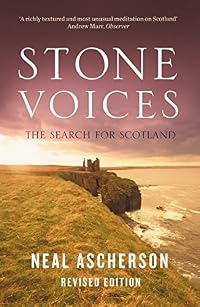
Stone Voices: The Search for Scotland
by Neal Ascherson
On This Page
Description
"In Stone Voices, Neal Ascherson launches what he calls an imaginative invasion of his native land, searching for the relationships, themes, and fantasies that make up "Scotland."" "Beginning with a breathtaking portrait of the country's landscape, and of the way humanity has indelibly marked even its rockiest contours, Ascherson takes us on a journey through Scotland's past, interweaving his historical accounts with a rollicking report on a back-country bus expedition he joined during the show more 1997 referendum campaign that led to Scotland's first modern Parliament. He asked voters then what kind of country they hoped for, what they feared, and what they expected - questions that animate his book as well.". "In his search for a nation, he explores many themes: the slow hybrid formation of the Scottish people over centuries of successive immigrations; the way their most renowned intellectuals and writers came to hate the national church; the distinct style of the Scots' contribution to the British Empire; the peculiar nature of their diaspora; the coexistence of their search for an "authentic" Scotland with the myths others create for them; and the Scots' proud sense of true independence. Stone Voices enlightens us about Scotland, about Europe, and about the conditions for freedom that we must all seek today."--BOOK JACKET. show lessTags
Recommendations




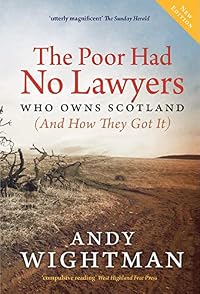

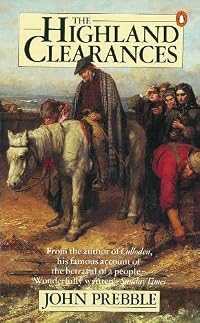

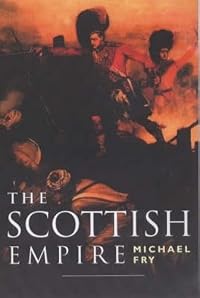


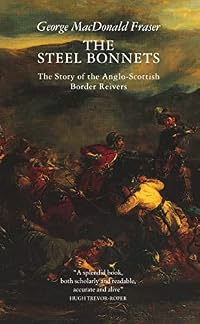



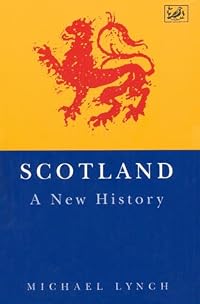
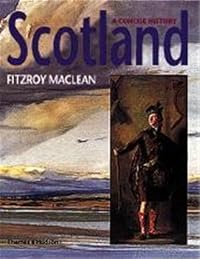



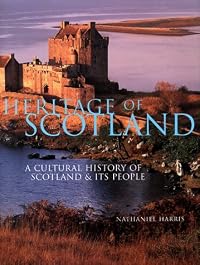
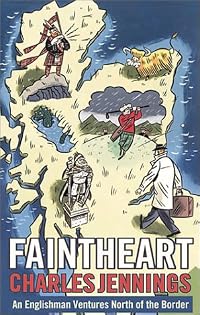
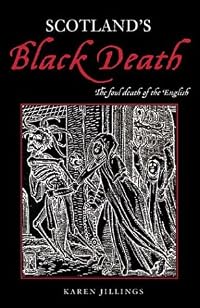


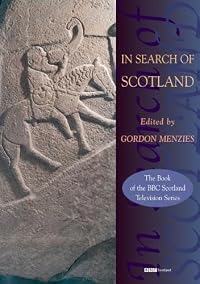
Member Recommendations


Member Reviews
Another eminently readable work by this author, this time returning to his own homeland, Scotland, whose history, Ascherson says is like a ”huge, reeking tip of unsorted rubbish across which scavengers wander, pulling off interesting fragments which might fetch a price or come in handy”.
This is not a formal “history” of Scotland, no chronologic exploring of kings or themes, more an exploration of that mysterious “Scottishness” and the fierce pride and sense of place that finally led to the enactment of a British Home Rule law that created a Scottish Parliament so that “this proud country could rule its own affairs”. Ascherson does not venture too deeply into how much this ambition has been achieved or how it could be show more supported without the overall security and infrastructure of a parent – plus of course, like the creation of all of the new wave of “independent” countries from regional aspirations, just a little more taxes. Politically active always in the pursuit of Scotland’s “fredome” Ascherson credits two events for the final concession from Westminster – the Scots youth fascination with Mel Gibson's populist portrayal of William Wallace in “Braveheart” -” a hairy Hollywood distortion” and the death of Princess Diana. The crisis of the monarchy in England after this death led to a surprising resurging of ENGLISH nationalism. This, Ascherson argues, engendered a sympathy for Scotland’s (and Welsh) autonomy, causing a turn-over of the long, political denial that finally led to the granting of some measure of the equally long-held need for independence.
The voices of the stones the author hears are from rocks, mounts, monuments and walls of the Scottish landscapes, rocks, he says, that are as open to the Scots as the “throat of singing birds”. That land is so hard and scarred by man that “Scotland is like 'a poor woman with little flesh between her skin and bones' who carries the scars of many years' use.
Och aye, but she’s bonny still. show less
This is not a formal “history” of Scotland, no chronologic exploring of kings or themes, more an exploration of that mysterious “Scottishness” and the fierce pride and sense of place that finally led to the enactment of a British Home Rule law that created a Scottish Parliament so that “this proud country could rule its own affairs”. Ascherson does not venture too deeply into how much this ambition has been achieved or how it could be show more supported without the overall security and infrastructure of a parent – plus of course, like the creation of all of the new wave of “independent” countries from regional aspirations, just a little more taxes. Politically active always in the pursuit of Scotland’s “fredome” Ascherson credits two events for the final concession from Westminster – the Scots youth fascination with Mel Gibson's populist portrayal of William Wallace in “Braveheart” -” a hairy Hollywood distortion” and the death of Princess Diana. The crisis of the monarchy in England after this death led to a surprising resurging of ENGLISH nationalism. This, Ascherson argues, engendered a sympathy for Scotland’s (and Welsh) autonomy, causing a turn-over of the long, political denial that finally led to the granting of some measure of the equally long-held need for independence.
The voices of the stones the author hears are from rocks, mounts, monuments and walls of the Scottish landscapes, rocks, he says, that are as open to the Scots as the “throat of singing birds”. That land is so hard and scarred by man that “Scotland is like 'a poor woman with little flesh between her skin and bones' who carries the scars of many years' use.
Och aye, but she’s bonny still. show less
This not a history of Scotland, although an awareness of its past runs through it. The author considers how the history, landscape and culture have mingled to created the modern nation.
various booksellers
Ratings
Members
- Recently Added By
Published Reviews
Scotland's past is a 'huge, reeking tip of unsorted rubbish across which scavengers wander, pulling off interesting fragments which might fetch a price or come in handy'. Ascherson's own fragments include some of the most symbolically powerful periods in Scottish history: the culture of the Picts, the Celtic kingships, the Covenanter rebellion and the Highland Clearances. The stone voices of show more the title are the physical tableaux that Ascherson finds in the geology and landscape of Scotland - stones, roads and fields marked by human hand. For Scotland is 'a poor woman with little flesh between her skin and bones' who carries the scars of many years' use. show less
added by John_Vaughan
Author Information

21+ Works 1,255 Members
Awards and Honors
Awards
Notable Lists
Common Knowledge
- Original publication date
- 2003
Classifications
Statistics
- Members
- 158
- Popularity
- 206,559
- Reviews
- 3
- Rating
- (3.74)
- Languages
- English
- Media
- Paper, Ebook
- ISBNs
- 4
- ASINs
- 2