On This Page
Description
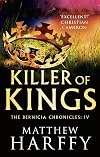
AD 636. Anglo-Saxon Britain. Whilst escorting a group of holy men, Beobrand becomes embroiled in a conflict with the Mercian army. In the chaos that ensues, secrets are exposed, bringing into question much that Beobrand had believed true. Beobrand has land, men and riches. He should be content. And yet he cannot find peace until his enemies are food for the ravens. But before Beobrand can embark on his bloodfeud, King Oswald orders him southward, to escort holy men bearing sacred relics. show more When Penda of Mercia marches a warhost into the southern kingdoms, Beobrand and his men are thrown into the midst of the conflict. Beobrand soon finds himself fighting for his life and his honour. In the chaos that grips the south, dark secrets are exposed, bringing into question much that Beobrand had believed true. Can he unearth the answers and exact the vengeance he craves? Or will the blood-price prove too high, even for a warrior of his battle-fame and skill? show lessTags
Recommendations














Member Reviews
This is the fourth in the author's series of novels set in 7th century England featuring Beobrand, an originally Kentish thane who is now in service of King Oswald of Northumbria. Here he is charged with delivering some relics to King Sigeberht of East Anglia. However, he finds that Sigeberht has resigned his throne to become a monk and passed it to his rather inadequate relative Ecgric, who then has to attempt to defend his people against an invasion by the pagan King Penda of Mercia. Beobrand and his gesithas fight in the shieldwall alongside the East Anglians but suffer a crushing defeat. Beobrand is rescued from the slaughter by his old friend Acennan, as his other gesithas all seem to have perished in the fighting.
I felt that the show more plot rather lost impetus after this battle and I got a little confused temporarily about the timeline. Much of the rest of the plot was taken up by Beobrand’s pursuit of and vengeance against Wybert, who killed our hero’s wife Sunniva in the first novel in the series. Despite this slight unevenness, I enjoyed this entry in the series, and will continue to pursue it - there was a gap of over two and half years between my reading of books 3 and 4 and it will be much less time before I read the next one.
One final small point - I feel that this series could do with a glossary of terms, as well as the existing one listing place names with their modern equivalents. show less
I felt that the show more plot rather lost impetus after this battle and I got a little confused temporarily about the timeline. Much of the rest of the plot was taken up by Beobrand’s pursuit of and vengeance against Wybert, who killed our hero’s wife Sunniva in the first novel in the series. Despite this slight unevenness, I enjoyed this entry in the series, and will continue to pursue it - there was a gap of over two and half years between my reading of books 3 and 4 and it will be much less time before I read the next one.
One final small point - I feel that this series could do with a glossary of terms, as well as the existing one listing place names with their modern equivalents. show less
‘Killer of Kings’ features a blend of quality battles, tense encounters, and some decent drama.
I liked it in the most part, but as with many historical novels, the author puts so much effort in getting the history elements correct that essential creative writing skills are neglected. Main problem being too much ‘telling’ and not enough ‘showing’. Don’t tell the reader that King Penda was ‘seemingly amused’– show his amusement with action, or body language, or a facial expression.
Adverb overuse is another evil, and the biggest problem with adverbs is they ‘tell’. For example, when a male character ‘made his way quietly”, this tells us how the character got from A to B but we don’t see it. He ‘crept’, for show more example, not only ‘shows’ the action, it flows better because it’s more concise.
Adverbs are at their most superfluous with this kind of thing: ‘more quickly’ and ‘more loudly’, whereas ‘quicker’ and ‘louder’ convey the meaning with a concise verb.
Adverbs and ‘telling’ are blatant in instances like this: ‘walked slowly and stealthily’, which could be ‘shown’ with ‘crept’ or ‘stalked’. There’s always a stronger verb than ‘walked’, none of which require any help from adverbs.
To tell the reader that a king was ‘clearly shocked’ is ‘telling’ at its worst. In fiction, if you use ‘clearly’ or ‘obviously’, be assured that you’re not ‘showing’ the reader anything.
Two other style issues that irritated me are the overuse of ‘then’ (to state what happens next), and ‘had’ (past perfect).
To keep using ‘then’ is lazy and unimaginative. It’s fine in children’s books, but for gritty historical fiction I expect more imagination. Most can be cut, the rest replaced.
The frequent use of ‘had’ in the past perfect tense is something all authors should avoid, as it reports on the scene as opposed to taking the reader into the action as it unfolds. The odd one is inevitable, but in this book it’s consistent, even though it’s easy to cut them down.
For one thing, this narrative is in the past tense, so ‘had’ should only be used if a sentence sounds odd without it. For example, ‘He had said’ works fine as ‘he said’ because ‘said’ is in the past tense. ‘She had sat down’ works better as ‘She sat down’ because ‘sat’ is past tense. If a scene that’s past is being recalled, all that’s needed is to inform the reader that these events have already happened, after which the frequent use of ‘had’ is unnecessary.
In this novel, we get the likes of ‘had seen’, which annoys and baffles me when ‘saw’ is available.
This is also one of many novels across all genres that describes a character as shedding ‘silent tears’. Are tears ever loud? You can cry at different volume levels but tears themselves aren’t known for making a noise.
On the plus side, this author uses some excellent similes. I was impressed with his creativity in this department. Also, he recreates the period well, making me feel like I’m in the seventh century.
Despite the criticisms, I liked this novel well enough to read the next in the series. show less
I liked it in the most part, but as with many historical novels, the author puts so much effort in getting the history elements correct that essential creative writing skills are neglected. Main problem being too much ‘telling’ and not enough ‘showing’. Don’t tell the reader that King Penda was ‘seemingly amused’– show his amusement with action, or body language, or a facial expression.
Adverb overuse is another evil, and the biggest problem with adverbs is they ‘tell’. For example, when a male character ‘made his way quietly”, this tells us how the character got from A to B but we don’t see it. He ‘crept’, for show more example, not only ‘shows’ the action, it flows better because it’s more concise.
Adverbs are at their most superfluous with this kind of thing: ‘more quickly’ and ‘more loudly’, whereas ‘quicker’ and ‘louder’ convey the meaning with a concise verb.
Adverbs and ‘telling’ are blatant in instances like this: ‘walked slowly and stealthily’, which could be ‘shown’ with ‘crept’ or ‘stalked’. There’s always a stronger verb than ‘walked’, none of which require any help from adverbs.
To tell the reader that a king was ‘clearly shocked’ is ‘telling’ at its worst. In fiction, if you use ‘clearly’ or ‘obviously’, be assured that you’re not ‘showing’ the reader anything.
Two other style issues that irritated me are the overuse of ‘then’ (to state what happens next), and ‘had’ (past perfect).
To keep using ‘then’ is lazy and unimaginative. It’s fine in children’s books, but for gritty historical fiction I expect more imagination. Most can be cut, the rest replaced.
The frequent use of ‘had’ in the past perfect tense is something all authors should avoid, as it reports on the scene as opposed to taking the reader into the action as it unfolds. The odd one is inevitable, but in this book it’s consistent, even though it’s easy to cut them down.
For one thing, this narrative is in the past tense, so ‘had’ should only be used if a sentence sounds odd without it. For example, ‘He had said’ works fine as ‘he said’ because ‘said’ is in the past tense. ‘She had sat down’ works better as ‘She sat down’ because ‘sat’ is past tense. If a scene that’s past is being recalled, all that’s needed is to inform the reader that these events have already happened, after which the frequent use of ‘had’ is unnecessary.
In this novel, we get the likes of ‘had seen’, which annoys and baffles me when ‘saw’ is available.
This is also one of many novels across all genres that describes a character as shedding ‘silent tears’. Are tears ever loud? You can cry at different volume levels but tears themselves aren’t known for making a noise.
On the plus side, this author uses some excellent similes. I was impressed with his creativity in this department. Also, he recreates the period well, making me feel like I’m in the seventh century.
Despite the criticisms, I liked this novel well enough to read the next in the series. show less
Great reading
Mathew Harffy is a name to know if you enjoy historical fiction o the dark ages. His in depth research really pays off for we the readers.
Mathew Harffy is a name to know if you enjoy historical fiction o the dark ages. His in depth research really pays off for we the readers.
Ratings
Members
- Recently Added By
Lists

Library Historical Fiction
160 works; 1 member
Author Information

21 Works 486 Members
Series

Common Knowledge
- Canonical title
- Killer of Kings
Classifications
Statistics
- Members
- 36
- Popularity
- 819,646
- Reviews
- 3
- Rating
- (4.05)
- Languages
- English
- Media
- Paper, Audiobook, Ebook
- ISBNs
- 5
- ASINs
- 1