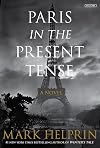
Paris in the Present Tense: A Novel
by Mark Helprin
On This Page
Description
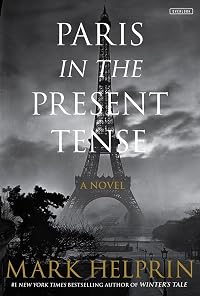
The New York Times bestselling author of Winter's Tale and A Soldier of the Great War, Mark Helprin reveals a powerful, rapturous novel is set in a present-day Paris caught between violent unrest and its well-known, inescapable glories. Seventy-four-year-old Jules Lacour-a maitre at Paris-Sorbonne, cellist, widower, veteran of the war in Algeria, and child of the Holocaust-must find a balance between his strong obligations to the past and the attractions and beauties of life and love in the show more present. In the midst of what should be an effulgent time of life with its days bright with music, family, rowing on the Seine, Jules is confronted headlong and all at once by a series of challenges to his principles, livelihood, and home, forcing him to grapple with his complex past and find a way forward. He risks fraud to save his terminally ill infant grandson, matches wits with a renegade insurance investigator, is drawn into an act of savage violence, and falls deeply, excitingly in love with a young cellist who is a third his age. Against the backdrop of an exquisite and knowing vision of Paris and the way it can uniquely shape a life, he forges a denouement that is staggering in its humanity, elegance, and truth. In the intoxicating beauty of its prose and emotional amplitude of its storytelling, Mark Helprin's Paris in the Present Tense is a soaring achievement, a deep, dizzying look at a life through the purifying lenses of art and memory. show lessTags
Recommendations





































Member Reviews
I've been a fan of Mark Helprin's writing since I read Winter's Tale years ago. His writing is so well crafted that periodically I have to go back and read passages just because they're so beautiful or so true. Paris in the Present Tense is no exception. Compelling characters, an interesting plot that draws you in and superb writing. I read one review online where the reviewer didn't care for the book because the main character didn't plan well for things happening in his life. I don't know many people who do prepare well for all the things life throws at you and those that have all the bases covered aren't very interesting people. But the main character in this story is flawed, loving, expressive and has immense integrity. A different show more kind of integrity, but he is what is is, all the way through.
I loved this book. I'm waiting to forget about it just a little so that I can relish it again. show less
I loved this book. I'm waiting to forget about it just a little so that I can relish it again. show less
Jules Lacour is 74 years old. He is incredibly fit for his age, spending considerable time running, swimming, and rowing on the Seine. A cellist, he composes music and teaches part-time. Widowed for many years, he deeply mourns the loss of his wife Jacqueline but finds solace in the company of his adult daughter Catherine and her family. Jules’ parents were killed during World War II, and Jules (irrationally) feels responsible for their deaths as well other losses in his life. He is determined to reverse this “trend” with his grandson Luc, recently diagnosed with leukemia.
Seemingly out of nowhere, three events dramatically change the course of Jules’ life: he receives a lucrative commission for an original composition, meets show more and experiences strong mutual attraction with a much younger woman, and is involved in a serious crime. What follows from these events inspires Jules to live increasingly in the moment, while also laying the groundwork to take care of those who will be left behind when he dies.
On the surface, this novel takes the form of a “caper” as Jules works feverishly to ensure his schemes come to fruition. There’s a bit of suspense and I couldn’t help cheering for the underdog. But the writing is sublime, and there’s something deeper going on here, from Jules’ experiences as a French Jew from the war to the present, to his ruminations on aging and a life well lived: “You learn to see with your emotions and feel with your reason. If at its end the life you’re living takes on the attributes of art, it doesn’t matter if you’ve forgotten where you put your reading glasses.” Highly recommended. show less
Seemingly out of nowhere, three events dramatically change the course of Jules’ life: he receives a lucrative commission for an original composition, meets show more and experiences strong mutual attraction with a much younger woman, and is involved in a serious crime. What follows from these events inspires Jules to live increasingly in the moment, while also laying the groundwork to take care of those who will be left behind when he dies.
On the surface, this novel takes the form of a “caper” as Jules works feverishly to ensure his schemes come to fruition. There’s a bit of suspense and I couldn’t help cheering for the underdog. But the writing is sublime, and there’s something deeper going on here, from Jules’ experiences as a French Jew from the war to the present, to his ruminations on aging and a life well lived: “You learn to see with your emotions and feel with your reason. If at its end the life you’re living takes on the attributes of art, it doesn’t matter if you’ve forgotten where you put your reading glasses.” Highly recommended. show less
I love good first sentences: "Call me Ishmael," "It was the best of times, it was the worst of times," etc. How about: "A disintegrating airframe offers little in the way of second chances, and because this sometimes happens, taking to the air tends to heighten one's awareness of that which has come before and that which may come yet." That was really all I needed to read before buying and reading this book. There are no sloppy or rushed sentences in this book. It really put me in mind of a jewel cutter or watch maker's work.
I agree there was something both implausible and objectionable about the geriatric protagonist's robust fitness and libido however the author is closer to the protagonist's age than myself so perhaps he knows of show more what he writes. show less
I agree there was something both implausible and objectionable about the geriatric protagonist's robust fitness and libido however the author is closer to the protagonist's age than myself so perhaps he knows of show more what he writes. show less
Paris in the Present Tense, Mark Helprin; Bronson Pinchot, narrator
This book is written with such a lyrical beauty, the reader is able to visualize every page as if they themselves were written into the novel. Although there is often a heavy emotional content, because of the nature of the story which is about Jules’ life, and therefore, it encompasses the Holocaust and loss, as well as romance and familial responsibility, there is also a distinct touch of humor throughout the narrative in many of the conversations between the characters which prevents the story from becoming overwhelmingly morose.
Hidden in an attic, in 1940, Catherine Latour gave birth to a son. The child, Jules, was born into a world at war. Four years later, this show more quiet child watched as his parents were murdered. He was knocked unconscious by the butt of a rifle. The sadists were still active, although their war was lost.
Jules became a cellist, like his father had been. Although he never achieved greatness, he taught at the Sorbonne, in Paris, where he lived with his wife Jacqueline, until her death. Their daughter Catherine and her husband David had a child named Luke who was suffering with Leukemia. Jules felt that he failed everyone because he could not prevent their deaths…not his parents, not his wife’s, and not the possible death of his grandson. He wanted his daughter to move to America where the threat of anti-Semitism would not hang over them as it did in Paris and where his grandson might be able to get a more hopeful prognosis. It was growing apparent that France was not very safe for Jews. However, it was also not very safe for people of color or Muslims. The book exposed the racial bias in France through the narrative.
Now 74, working in a limited capacity at the Sorbonne, as his schedule had been curtailed, he realized that he did not have the money to help his daughter to save her child. One night, he meets with his oldest friend, Francois, and he confides his disappointments in life to him. Francois tells him about the possibility of a job writing telephone hold music for a lucrative sum. Jules is interested because it might provide him with a way to save his grandson.
Walking back from that dinner, he witnessed the brutal beating of a Hassidic boy by three thugs. Before they could behead him, he intervened and killed two of the three. When the boy he saved turns on him and accused him of killing his “friends”, instead of admitting the attack against him, witnesses appeared and called the police. Jules became a fugitive. He ran.
Shortly after this occurred, Jules accepted the opportunity to write the background music for the telephone. He flew to America to meet with the company big shots. While meeting with the board of the mega company, Acorn, the company that had hired him, he discovered that they were going to renege on their promises. He is distraught. He consulted a lawyer, but discovered that he could not afford to fight them.
While in America, he also discovered that he has a life-threatening aneurism and is advised that if he wants to live, he must lead a quiet life and rest in order to avoid aggravating the condition. Even more desperate now, with this knowledge, he planned his revenge against Acorn, which if successful, would surely help his daughter. He contacted an insurance company that Acorn owned and began to set his plan in motion.
Jules was an interesting character. He was disappointed with his performance in life, but no one is perfect. When he discovers that others had clay feet, however, it did not make him feel better about what he perceived were his own. His life was a contradiction in other ways. On the one hand, while he still mourned the death of his parents and the death of his wife, on the other he was often infatuated and tempted by beautiful women. He saw the beauty in music and other aspects of the world, likening music to the voice of G-d. Jules seemed to have the uncanny natural ability to see truth and beauty in simple things. Yet he also saw failure and sadness whenever he looked back at his own life’s accomplishments.
The book shines a light on the ability of love to cross boundaries. Muslims could love Jews, Catholics could love Muslims, the old and young might sometimes have May/December relationships that had true meaning. While there was prejudice in some places against Jews and people of color or Arab background, in other places they got along well together. In some ways, the book offered a way forward in the face of the prejudice that existed.
The book really illustrated the racial bias that has existed for decades and is so prevalent in industry, even when it is kept under wraps. It also illuminated the power and greed of corporations and the lack of ethics in the management that ran the self-serving companies.
A moving moment in the book occurred when a wealthy older character who was dying, and had, like Jules, lived through and survived the Holocaust, decided not to wash off the swastika that had been painted on the wall of his house, stating that his world had come full circle. As it began it ended. However, it also ended with own his children betraying him as they had also been corrupted by the greed that sometimes comes with wealth. As his world ended and his memories died, would the world return to brutality or would their be hope for the future?
On another tack, it was refreshing to read a book in which language and sex was not used gratuitously to attract a certain kind of reader. The book will make you think about life and its meaning, people and their behavior, love and how it enhances life and also how it sometimes diminishes it.
The narrator did a very good job reading the book, expressing the appropriate tone and mood for each scene, although there were times when two men were speaking that it was hard to discern when one stopped and the other began. show less
This book is written with such a lyrical beauty, the reader is able to visualize every page as if they themselves were written into the novel. Although there is often a heavy emotional content, because of the nature of the story which is about Jules’ life, and therefore, it encompasses the Holocaust and loss, as well as romance and familial responsibility, there is also a distinct touch of humor throughout the narrative in many of the conversations between the characters which prevents the story from becoming overwhelmingly morose.
Hidden in an attic, in 1940, Catherine Latour gave birth to a son. The child, Jules, was born into a world at war. Four years later, this show more quiet child watched as his parents were murdered. He was knocked unconscious by the butt of a rifle. The sadists were still active, although their war was lost.
Jules became a cellist, like his father had been. Although he never achieved greatness, he taught at the Sorbonne, in Paris, where he lived with his wife Jacqueline, until her death. Their daughter Catherine and her husband David had a child named Luke who was suffering with Leukemia. Jules felt that he failed everyone because he could not prevent their deaths…not his parents, not his wife’s, and not the possible death of his grandson. He wanted his daughter to move to America where the threat of anti-Semitism would not hang over them as it did in Paris and where his grandson might be able to get a more hopeful prognosis. It was growing apparent that France was not very safe for Jews. However, it was also not very safe for people of color or Muslims. The book exposed the racial bias in France through the narrative.
Now 74, working in a limited capacity at the Sorbonne, as his schedule had been curtailed, he realized that he did not have the money to help his daughter to save her child. One night, he meets with his oldest friend, Francois, and he confides his disappointments in life to him. Francois tells him about the possibility of a job writing telephone hold music for a lucrative sum. Jules is interested because it might provide him with a way to save his grandson.
Walking back from that dinner, he witnessed the brutal beating of a Hassidic boy by three thugs. Before they could behead him, he intervened and killed two of the three. When the boy he saved turns on him and accused him of killing his “friends”, instead of admitting the attack against him, witnesses appeared and called the police. Jules became a fugitive. He ran.
Shortly after this occurred, Jules accepted the opportunity to write the background music for the telephone. He flew to America to meet with the company big shots. While meeting with the board of the mega company, Acorn, the company that had hired him, he discovered that they were going to renege on their promises. He is distraught. He consulted a lawyer, but discovered that he could not afford to fight them.
While in America, he also discovered that he has a life-threatening aneurism and is advised that if he wants to live, he must lead a quiet life and rest in order to avoid aggravating the condition. Even more desperate now, with this knowledge, he planned his revenge against Acorn, which if successful, would surely help his daughter. He contacted an insurance company that Acorn owned and began to set his plan in motion.
Jules was an interesting character. He was disappointed with his performance in life, but no one is perfect. When he discovers that others had clay feet, however, it did not make him feel better about what he perceived were his own. His life was a contradiction in other ways. On the one hand, while he still mourned the death of his parents and the death of his wife, on the other he was often infatuated and tempted by beautiful women. He saw the beauty in music and other aspects of the world, likening music to the voice of G-d. Jules seemed to have the uncanny natural ability to see truth and beauty in simple things. Yet he also saw failure and sadness whenever he looked back at his own life’s accomplishments.
The book shines a light on the ability of love to cross boundaries. Muslims could love Jews, Catholics could love Muslims, the old and young might sometimes have May/December relationships that had true meaning. While there was prejudice in some places against Jews and people of color or Arab background, in other places they got along well together. In some ways, the book offered a way forward in the face of the prejudice that existed.
The book really illustrated the racial bias that has existed for decades and is so prevalent in industry, even when it is kept under wraps. It also illuminated the power and greed of corporations and the lack of ethics in the management that ran the self-serving companies.
A moving moment in the book occurred when a wealthy older character who was dying, and had, like Jules, lived through and survived the Holocaust, decided not to wash off the swastika that had been painted on the wall of his house, stating that his world had come full circle. As it began it ended. However, it also ended with own his children betraying him as they had also been corrupted by the greed that sometimes comes with wealth. As his world ended and his memories died, would the world return to brutality or would their be hope for the future?
On another tack, it was refreshing to read a book in which language and sex was not used gratuitously to attract a certain kind of reader. The book will make you think about life and its meaning, people and their behavior, love and how it enhances life and also how it sometimes diminishes it.
The narrator did a very good job reading the book, expressing the appropriate tone and mood for each scene, although there were times when two men were speaking that it was hard to discern when one stopped and the other began. show less
This is a deeply moving novel that centers around a lonely widower in his 70s, Jules Lacour. A passionate cellist with a fading career and a lifetime full of regret, he finds his life unexpectedly complicating as he makes plans for the end of his life. His grandson is dying of leukemia, yet another in a long line of loved ones that Jules has been unable to save. But when he discovers a silent medical condition that will likely end his life suddenly and shortly, he decides to take out a large life insurance policy so that his family can afford the costly medical care that his grandson needs.
To his utter surprise, he finds himself falling in love with a young cello student who has sought him out as a teacher. Although their time together show more must be short, as his days dwindle in front of him, he finds the pleasure of life unexpectedly intensifying. He even enjoys the mental dueling between himself as the insurance fraud investigators and the unlikely police investigators who suspect him of assaulting a Muslim. Throughout the events of the novel, Jules will return to the most painful moments of his life during the war. The ones he has lost are still so potently present to him as he expects to join them shortly.
This novel is a heartrendingly beautiful meditation upon the power of mortality to give life meaning and the burden of regret. show less
To his utter surprise, he finds himself falling in love with a young cello student who has sought him out as a teacher. Although their time together show more must be short, as his days dwindle in front of him, he finds the pleasure of life unexpectedly intensifying. He even enjoys the mental dueling between himself as the insurance fraud investigators and the unlikely police investigators who suspect him of assaulting a Muslim. Throughout the events of the novel, Jules will return to the most painful moments of his life during the war. The ones he has lost are still so potently present to him as he expects to join them shortly.
This novel is a heartrendingly beautiful meditation upon the power of mortality to give life meaning and the burden of regret. show less
On those days when you just can’t face another serial killer and would like a crime novel more akin to eating a warm and soothing dish of crème caramel, this literary novel, which includes crimes great and small, may be just the thing.
It’s pleasantly reminiscent of the best-seller A Gentleman in Moscow. In both books, an elderly man of old-school culture is coping quite well, thank you, due to the habits of a lifetime and despite the political shifts that destroyed his world and continue to threaten it. These same habits have unexpectedly prepared both books’ protagonists for a brave enterprise on behalf of someone they love.
With the audio version of Mark Helprin’s book, there is the additional pleasure of Bronson Pinchot’s show more narration, his French accent as musical as the book’s hero, Jules Lacour.
Lacour is a cellist, a Jew, living and teaching in Paris and nearing the end of his career. He has a daughter and a seriously ill grandson. His time of life and an impending domestic disruption prompt many reflections on his past life—his happy marriage to Jacqueline and his unhappy early childhood. Born during World War II while his parents were hiding in an attic in Reims, his first years were lived entirely in whispers. After years of hiding, the family was discovered just as the Nazis were fleeing, and the young Lacour saw his parents shot to death in the street.
While Lacour’s reflections on present-day Paris are like a love letter to the city, his shattered childhood is never far away. One evening, he sees three young man attacking a fourth man wearing a yarmulke and shouting anti-Semitic slogans. Lacour doesn’t hesitate to intervene. To their surprise, the spry old man manages to kill two of them, while the third runs away, as does their intended victim.
The story now becomes something of a police procedural, with two mismatched detectives trying to figure out how to work together. Narrator Pinchot captures their distinctive accents and the humor in their cobbled together, if dogged partnership.
Meanwhile, Lacour is presented with the opportunity to write a jingle for a big US financial services company (telephone hold music), and the way he and the American who recruits him talk past each other is highly entertaining.
But the situation does not evolve as Lacour expects, the police are suspicious, and he must devise a clever new crime that is both undetectable and foolproof in order to get his last wish. Although the novel moves at a stately pace, Pinchot’s narration never flags. Treat yourself! show less
It’s pleasantly reminiscent of the best-seller A Gentleman in Moscow. In both books, an elderly man of old-school culture is coping quite well, thank you, due to the habits of a lifetime and despite the political shifts that destroyed his world and continue to threaten it. These same habits have unexpectedly prepared both books’ protagonists for a brave enterprise on behalf of someone they love.
With the audio version of Mark Helprin’s book, there is the additional pleasure of Bronson Pinchot’s show more narration, his French accent as musical as the book’s hero, Jules Lacour.
Lacour is a cellist, a Jew, living and teaching in Paris and nearing the end of his career. He has a daughter and a seriously ill grandson. His time of life and an impending domestic disruption prompt many reflections on his past life—his happy marriage to Jacqueline and his unhappy early childhood. Born during World War II while his parents were hiding in an attic in Reims, his first years were lived entirely in whispers. After years of hiding, the family was discovered just as the Nazis were fleeing, and the young Lacour saw his parents shot to death in the street.
While Lacour’s reflections on present-day Paris are like a love letter to the city, his shattered childhood is never far away. One evening, he sees three young man attacking a fourth man wearing a yarmulke and shouting anti-Semitic slogans. Lacour doesn’t hesitate to intervene. To their surprise, the spry old man manages to kill two of them, while the third runs away, as does their intended victim.
The story now becomes something of a police procedural, with two mismatched detectives trying to figure out how to work together. Narrator Pinchot captures their distinctive accents and the humor in their cobbled together, if dogged partnership.
Meanwhile, Lacour is presented with the opportunity to write a jingle for a big US financial services company (telephone hold music), and the way he and the American who recruits him talk past each other is highly entertaining.
But the situation does not evolve as Lacour expects, the police are suspicious, and he must devise a clever new crime that is both undetectable and foolproof in order to get his last wish. Although the novel moves at a stately pace, Pinchot’s narration never flags. Treat yourself! show less
*spoiler alert* (not that anyone reads my reviews anyway)
How was I going to feel anything else but deep, deep connection with a character who: is seriously ageing and moving into retirement after being a less than stellar performer in his chosen career - especially compared with his friend; loves the work of J.S.Bach; runs and rows every day and is still very fit despite his age; has a fundamental health issue that looks like cutting his life short; loves his daughter and will do anything to help her; feels a great debt to his parents; feels love and faithfulness to his wife even beyond her death; and doesn't allow his religious upbringing to form a barrier between him and other people, but who treats every person as an individual.
And show more yet he kills two men and doesn't really seem to be troubled too much.
The plot is in many ways quite bizarre and completely unbelievable, but I couldn't help loving this book. Part of the reason is my feeling of connection with the protagonist, Jules Lacour, but a large part of the credit must go to the author and his writing style, but I'm not clever enough to be able to identify exactly what it is about his writing that works so well. I will have to read another of his books to see if I can figure him out.
And the spoiler is: I can't imagine a better death than the author gives to Jules. show less
How was I going to feel anything else but deep, deep connection with a character who: is seriously ageing and moving into retirement after being a less than stellar performer in his chosen career - especially compared with his friend; loves the work of J.S.Bach; runs and rows every day and is still very fit despite his age; has a fundamental health issue that looks like cutting his life short; loves his daughter and will do anything to help her; feels a great debt to his parents; feels love and faithfulness to his wife even beyond her death; and doesn't allow his religious upbringing to form a barrier between him and other people, but who treats every person as an individual.
And show more yet he kills two men and doesn't really seem to be troubled too much.
The plot is in many ways quite bizarre and completely unbelievable, but I couldn't help loving this book. Part of the reason is my feeling of connection with the protagonist, Jules Lacour, but a large part of the credit must go to the author and his writing style, but I'm not clever enough to be able to identify exactly what it is about his writing that works so well. I will have to read another of his books to see if I can figure him out.
And the spoiler is: I can't imagine a better death than the author gives to Jules. show less
Members
- Recently Added By
Lists

Favourite Books
1,819 works; 309 members

Top Five Books of 2019
387 works; 111 members

Kirkus Starred Fiction Reviews of Books Published in 2017
412 works; 7 members

To Read
617 works; 7 members

Books Read in 2019
4,052 works; 108 members

Recommend the 20 best books you've read in the last five years
2,168 works; 606 members
Author Information

21+ Works 13,851 Members
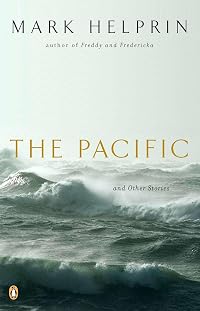
Mark Helprin was born in Manhattan, New York on June 28, 1947. He received degrees from Harvard College and Harvard's Graduate School of Arts and Sciences, and did postgraduate work at the University of Oxford, Princeton University, and Columbia University. He has served in the British Merchant Navy, the Israeli infantry, and the Israeli Air show more Force. He is the author of numerous novels including Refiner's Fire, A Soldier of the Great War, Memoir from Antproof Case, Freddy and Fredericka, and In Sunlight and In Shadow. Winter's Tale was adapted into a movie in 2014. His short story collection, Ellis Island and Other Stories, was nominated for a National Book Award in 1981. His other short story collections include A Dove of the East and Other Stories and The Pacific and Other Stories. He also writes children's books including Swan Lake, A City in Winter, and The Veil of Snows. He has received several awards including the National Jewish Book Award, the Prix de Rome, the Peggy V. Helmerich Distinguished Author Award in 2006, and the Salvatori Prize in the American Founding in 2010. (Bowker Author Biography) show less
Some Editions
Common Knowledge
- Canonical title
- Paris in the Present Tense: A Novel
- Original publication date
- 2017-10-03
- Dedication
- For Julian Licht, Jules Hirsch, Francine Christophe With thanks to William Winston -- Poet, Critic, Friend
- First words
- A Disintegrating Airframe offers little in the way of second chances, and because this sometimes happens, taking to the air tends to heighten one's awareness of that which has come before and that which may come yet.
Classifications
Statistics
- Members
- 378
- Popularity
- 81,955
- Reviews
- 20
- Rating
- (3.92)
- Languages
- English
- Media
- Paper, Audiobook, Ebook
- ISBNs
- 15
- ASINs
- 4