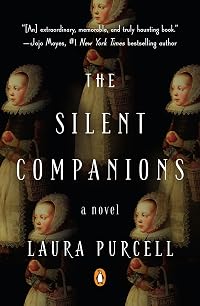
On This Page
Description
"When newly widowed Elsie is sent to see out her pregnancy at her late husband's crumbling country estate, The Bridge, what greets her is far from the life of wealth and privilege she was expecting. When Elsie married handsome young heir Rupert Bainbridge, she believed she was destined for a life of luxury. But with her husband dead just weeks after their marriage, her new servants resentful, and the local villagers actively hostile, Elsie has only her husband's awkward cousin for company. show more Or so she thinks. Inside her new home lies a locked door, beyond which is a painted wooden figure--a silent companion--that bears a striking resemblance to Elsie herself. The residents of The Bridge are terrified of the figure, but Elsie tries to shrug this off as simple superstition--that is, until she notices the figure's eyes following her. A Victorian ghost story that evokes a most unsettling kind of fear, this is a tale that creeps its way through the consciousness in ways you least expect--much like the silent companions themselves"-- show lessTags
Recommendations

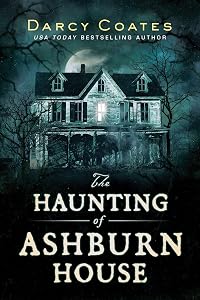
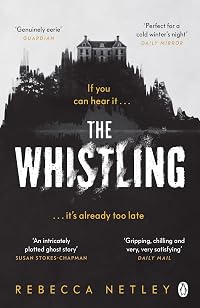
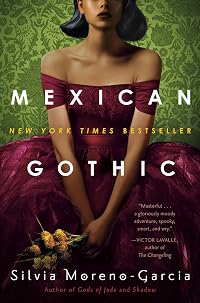
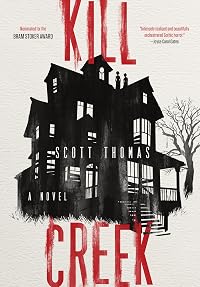
Member Recommendations
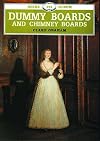
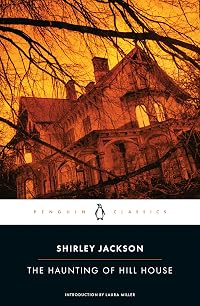
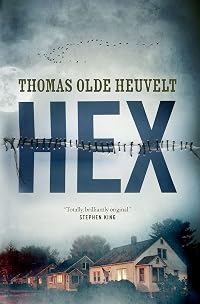
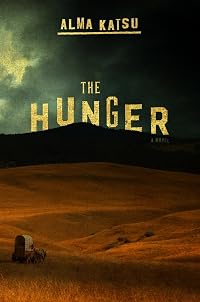
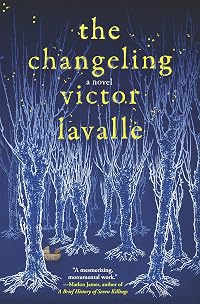
PuddinTame Dummy Boards, also called Silent Companions inspired Laura Purcell's horror novel.
Member Reviews
“Madness, as we call it, manifests itself in many ways. People do not always wail and shriek as you say your mother did. But it does seem to run in families, I have observed, particularly through the female line. Hysteria – womb to womb. Diseased blood will out. There is no hiding from it, I am afraid.”
Laura Purcell draws on all the gothic tropes -- a haunted country estate with locked rooms and secrets, all the ancestral secrets, resentful villagers, the insane asylum where everyone discounts the inmate because of her sex -- and runs with them.
We first meet Elise Bainbridge in the asylum, where she's scarred and apparently mute, accused of murder and arson. If she's proven sane, she'll stand trial for her crimes, but the truth show more is so strange, it might just convince the doctor she's insane.
From there, we jump back to when Elise first arrived at The Bridge, her husband's crumbling family estate, with his cousin Sarah who previously worked as an elderly woman's companion. The pregnant widow and the spinster are meant to hide themselves from polite society while they mourn. Elise's husband's death while preparing The Bridge for inhabitance was sudden and mysterious. Maybe it was heart failure, but why are there splinters in his face?
On her first night, Elise hears strange hissing noises coming from the locked garret. When she finally gains access, she and Sarah discover realistic wooden cut-outs known as "companions" and the diary from the 1630s, written by of one of Sarah's ancestors, a woman who dabbled in herbal remedies. As the companions increase in number and seemingly move on their own, accidents start to happen.
Deliciously creepy, this one checked all the boxes for me.
Spooktober 2022: Book #2 show less
Laura Purcell draws on all the gothic tropes -- a haunted country estate with locked rooms and secrets, all the ancestral secrets, resentful villagers, the insane asylum where everyone discounts the inmate because of her sex -- and runs with them.
We first meet Elise Bainbridge in the asylum, where she's scarred and apparently mute, accused of murder and arson. If she's proven sane, she'll stand trial for her crimes, but the truth show more is so strange, it might just convince the doctor she's insane.
From there, we jump back to when Elise first arrived at The Bridge, her husband's crumbling family estate, with his cousin Sarah who previously worked as an elderly woman's companion. The pregnant widow and the spinster are meant to hide themselves from polite society while they mourn. Elise's husband's death while preparing The Bridge for inhabitance was sudden and mysterious. Maybe it was heart failure, but why are there splinters in his face?
On her first night, Elise hears strange hissing noises coming from the locked garret. When she finally gains access, she and Sarah discover realistic wooden cut-outs known as "companions" and the diary from the 1630s, written by of one of Sarah's ancestors, a woman who dabbled in herbal remedies. As the companions increase in number and seemingly move on their own, accidents start to happen.
Deliciously creepy, this one checked all the boxes for me.
Spooktober 2022: Book #2 show less
Victorian (or adjacent) gothic novels are a lifelong obsession for me, and I was grateful to find and read this. That said… I was surprised that the dialogue representing 1800’s conversation was basically ordinary modern speech with contractions removed. Worse, 1600’s dialogue was the same as the 1800’s dialogue with some historical/ obsolete nouns sprinkled in. I understand that this was probably a choice made to avoid alienating more casual readers, but for me it created the vibe of a somewhat forgettable Hollywood-budget movie made by and for Americans. I was also disappointed toward the end of the book, having thought the objects of horror would ultimately be replaced by something much scarier revealed in the denouement. I show more appreciate the spookiness with which “the companions” are introduced, but I don’t feel they cut it as primary supernatural villains or agents of spirits. Add in some absurd Final Destination-flavored kills and departure from realism as the protagonist notices tiny details and facial expressions in the windows of the mansion from across the grounds or far below in the driveway, and I had to suspend the suspension of my disbelief.
The author establishes a comprehensive sense of the environment with beautiful descriptions of the landscape. Household odors and representations of the effects of light in and on the house help put the reader into the scene. show less
The author establishes a comprehensive sense of the environment with beautiful descriptions of the landscape. Household odors and representations of the effects of light in and on the house help put the reader into the scene. show less
The publisher’s note at the beginning of my galley came with the warning that you should not read this book at night. After reading this only at night, I can safely say that this is totally accurate. This is one freaky ass book, folks. Think topiary trees in The Shining scary. You will never look at wooden figures the same way ever again.
The novel, like any good creepy one, starts out slowly. Seeing The Bridge through Elsie’s eyes, as a stranger thrust into a new world and life, puts us directly in the story. Because we only know what we see through her, we must trust her feelings of disquiet and apprehension as her time at The Bridge lengthens. That her cousin-in-law mirrors her sense of unease serves to confirm her reliability as show more a narrator. This, in turn, legitimizes the unfolding horror. Then the really crazy shit happens.
Part of what makes The Silent Companions so intense is the fact that Ms. Purcell puts us directly back into the 1800s and shows us firsthand the limitations women faced in polite society. We only get glimpses of Elsie’s childhood as the daughter of a match factory owner, but none of it is good in that she repeatedly mentions how she was protecting her brother from harsh realities. Later, as a young widow, she is not only forced into a life of solitude given the strict mourning rituals but she has to do so at her husband’s family estate – a place her husband was making ready for her to visit but had deemed inhabitable in the meantime. Even though she used to be considered a partner in the family business alongside her brother, she foregoes that partnership upon her marriage. Now that she is a widow, her brother makes all the decisions on her behalf, even though it used to be she who took care of him as they were growing up together. Even the housekeeper is in charge of the servants, decides which ones to hire and fire, and overseas their work. Through Elsie, we understand the chafing confinement of severe mourning and realize that while having money may have kept Elsie off the streets, it also limited her abilities to think and act in ways that are unfathomable today. You will finish the novel with a better appreciation for every right and freedom women have fought to achieve to date because Elsie’s life is stultifying in too many ways.
Added into the mix, we get the to see the story of Anne Bainbridge, a descendant of the Bainbridge family and the one who first found the wooden figures who feature so prominently in the story. Elsie and her cousin-in-law discover Anne’s diaries in the locked attic alongside the first silent companion. Through the reading of the diary, we see her own experiences with these silent companions and learn a little more about this unusual family. This becomes of vital importance later on as we begin to understand where they obtained their disconcerting appearance.
All of this – Elsie’s confinement, the strangeness of her new life, those damnable wooden figures – build slowly to create an intense story that makes you question your own sanity. Yet even though the novel starts out with Elsie in an insane asylum, we never question hers. We do not do so because of her cousin-in-law’s own reaction to the figures and her corroboration of everything Elsie witnesses. We also do not do so because we know Anne’s story. Because we do not question her sanity, we must then face what Elsie tells us about the silent companions and everything that happens in The Bridge upon her husband’s death, and what happens is not for the faint of heart.
Ms. Purcell, in establishing the creep factor, excels at the long build and the drawing out of the tension. From that first unknown but sinister hiss to the last horror-filled moment, she keeps your adrenaline pumping at higher than normal volumes. She capitalizes on the written word equivalent of the jump scare to keep you awake and set your pulse to rapidly beating. Yet, she also knows when to back off to allow you a chance to catch your breath, all the while lulling you into a false sense of security before she applies the pressure yet again. It is a masterful balance act that keeps your interest without losing the effectiveness of the low but steady stream of adrenaline running through your veins.
The Silent Companions is a true Victorian Gothic novel in that one derives pleasure from the feeling of horror while reading it. That feeling of adrenaline humming through your body is addicting, which is why horror novels are so popular. It also has elements of Edgar Allen Poe’s works with the scenes in the insane asylum. The fact that it takes time for you to get into the story is also reminiscent of Victorian-era novels, where authors believed in the slow burn rather than today’s emphasis on immediate action. For those who can appreciate such things, The Silent Companions is quite the treat. Just don’t read it at night. By yourself. In the dark. show less
The novel, like any good creepy one, starts out slowly. Seeing The Bridge through Elsie’s eyes, as a stranger thrust into a new world and life, puts us directly in the story. Because we only know what we see through her, we must trust her feelings of disquiet and apprehension as her time at The Bridge lengthens. That her cousin-in-law mirrors her sense of unease serves to confirm her reliability as show more a narrator. This, in turn, legitimizes the unfolding horror. Then the really crazy shit happens.
Part of what makes The Silent Companions so intense is the fact that Ms. Purcell puts us directly back into the 1800s and shows us firsthand the limitations women faced in polite society. We only get glimpses of Elsie’s childhood as the daughter of a match factory owner, but none of it is good in that she repeatedly mentions how she was protecting her brother from harsh realities. Later, as a young widow, she is not only forced into a life of solitude given the strict mourning rituals but she has to do so at her husband’s family estate – a place her husband was making ready for her to visit but had deemed inhabitable in the meantime. Even though she used to be considered a partner in the family business alongside her brother, she foregoes that partnership upon her marriage. Now that she is a widow, her brother makes all the decisions on her behalf, even though it used to be she who took care of him as they were growing up together. Even the housekeeper is in charge of the servants, decides which ones to hire and fire, and overseas their work. Through Elsie, we understand the chafing confinement of severe mourning and realize that while having money may have kept Elsie off the streets, it also limited her abilities to think and act in ways that are unfathomable today. You will finish the novel with a better appreciation for every right and freedom women have fought to achieve to date because Elsie’s life is stultifying in too many ways.
Added into the mix, we get the to see the story of Anne Bainbridge, a descendant of the Bainbridge family and the one who first found the wooden figures who feature so prominently in the story. Elsie and her cousin-in-law discover Anne’s diaries in the locked attic alongside the first silent companion. Through the reading of the diary, we see her own experiences with these silent companions and learn a little more about this unusual family. This becomes of vital importance later on as we begin to understand where they obtained their disconcerting appearance.
All of this – Elsie’s confinement, the strangeness of her new life, those damnable wooden figures – build slowly to create an intense story that makes you question your own sanity. Yet even though the novel starts out with Elsie in an insane asylum, we never question hers. We do not do so because of her cousin-in-law’s own reaction to the figures and her corroboration of everything Elsie witnesses. We also do not do so because we know Anne’s story. Because we do not question her sanity, we must then face what Elsie tells us about the silent companions and everything that happens in The Bridge upon her husband’s death, and what happens is not for the faint of heart.
Ms. Purcell, in establishing the creep factor, excels at the long build and the drawing out of the tension. From that first unknown but sinister hiss to the last horror-filled moment, she keeps your adrenaline pumping at higher than normal volumes. She capitalizes on the written word equivalent of the jump scare to keep you awake and set your pulse to rapidly beating. Yet, she also knows when to back off to allow you a chance to catch your breath, all the while lulling you into a false sense of security before she applies the pressure yet again. It is a masterful balance act that keeps your interest without losing the effectiveness of the low but steady stream of adrenaline running through your veins.
The Silent Companions is a true Victorian Gothic novel in that one derives pleasure from the feeling of horror while reading it. That feeling of adrenaline humming through your body is addicting, which is why horror novels are so popular. It also has elements of Edgar Allen Poe’s works with the scenes in the insane asylum. The fact that it takes time for you to get into the story is also reminiscent of Victorian-era novels, where authors believed in the slow burn rather than today’s emphasis on immediate action. For those who can appreciate such things, The Silent Companions is quite the treat. Just don’t read it at night. By yourself. In the dark. show less
"Imprisonment was never the real punishment: it was the people you were stuck with.”
This gothic horror novel explores how loneliness and fear can twist one’s perception and demonstrates how true terror can come not from ghosts, but from the people around us and our own minds. The story plays with the idea that myths and legends can become real when enough people believe in them.
I liked this book more than I expected when I first picked it up. It’s in the vein of Rebecca, Shirley Jackson’s books, and Slade House. Laura Purcell has written an eerie, unsettling tale that pulls you in.
What stood out most to me was the quality of the writing. Purcell makes it incredibly easy to visualize the decaying mansion, the unsettling show more companions, and the creeping sense of dread. The supernatural elements are balanced with psychological horror, so you're left wondering what’s real and what’s imagined. If you love unsettling Victorian ghost stories, this book is for you!
Before becoming known for gothic horror, Laura Purcell wrote historical fiction. Her historical research definitely adds an extra layer of authenticity and realism to this book. show less
This gothic horror novel explores how loneliness and fear can twist one’s perception and demonstrates how true terror can come not from ghosts, but from the people around us and our own minds. The story plays with the idea that myths and legends can become real when enough people believe in them.
I liked this book more than I expected when I first picked it up. It’s in the vein of Rebecca, Shirley Jackson’s books, and Slade House. Laura Purcell has written an eerie, unsettling tale that pulls you in.
What stood out most to me was the quality of the writing. Purcell makes it incredibly easy to visualize the decaying mansion, the unsettling show more companions, and the creeping sense of dread. The supernatural elements are balanced with psychological horror, so you're left wondering what’s real and what’s imagined. If you love unsettling Victorian ghost stories, this book is for you!
Before becoming known for gothic horror, Laura Purcell wrote historical fiction. Her historical research definitely adds an extra layer of authenticity and realism to this book. show less
The Silent Companions by Laura Purcell is a 2018 Penguin Books publication.
The best Gothic Horror novel I’ve read in a long time!
Elsie, recently widowed, and pregnant with her first child arrives in a remote village, with her husband’s cousin, Sarah, to live in an old home, owned by her husband, referred to as ‘The Bridge’, which has not been lived in for quite some time. Due to her husband’s wealth, and his sudden death so soon after their marriage, rumors and scandal are breathing down Elsie’s neck, but the villagers and her limited staff are also quite superstitious about her, and the house.
While exploring the house, which is full of locked rooms, Elsie finds some old diaries, as well a ‘Silent companion’ – which show more is a painted wooden figure that bears a striking resemblance to Elsie.
The staff is terrified of the 'companions', but Elsie is determined to learn of their origins. As it happens, diary entries written by Anne Bainbridge back in the 1600s, provides Elsie with plenty of shocking family secrets-
The story is told in three alternating segments-
Elsie, badly burned in a fire, is under the care of a doctor who is attempting to discover her culpability in that fire and her level of sanity. As the doctor slowly draws the story from Elsie we are taken back to her arrival at ‘The Bridge’, as she explains her experiences leading up to the deadly fire. We are also transported back to the 1600’s via Anne’s diaries, where we learn Anne may have dabbled in a little witchcraft to conceive a child- a decision she may come to regret.
Wow! I let this book sit on my TBR list longer than I had intended. For some reason when I picked it up I was under the impression this was a historical mystery of some kind. I was totally taken off guard by the chilly ambience, the overwhelming Gothic tones, and the rip-roaring, spine tingling ghost story!! To say I was pleased is an understatement!
This is one of those stories that makes a good fireside read on a cold, dark winter night. It’s very well constructed, multi-layered, written in a lush, almost beautiful prose. I haven’t read a recently published novel of Gothic horror this good in…. I couldn’t tell you when.
This is what Gothic horror should look like- and feel like. The atmosphere was thick and heavy with impending doom, the suspense was taut, keeping me on edge and practically glued to the pages. I’d never heard of a ‘Silent Companion’ until I read this book. The history behind them is interesting, but in this case, they creeped me out big time.
This is a perfect, shivery, chiller with an OUTSTANDING conclusion that will blow your socks off!
Yep, this one goes on the favorites list, for sure!!
5 stars show less
The best Gothic Horror novel I’ve read in a long time!
Elsie, recently widowed, and pregnant with her first child arrives in a remote village, with her husband’s cousin, Sarah, to live in an old home, owned by her husband, referred to as ‘The Bridge’, which has not been lived in for quite some time. Due to her husband’s wealth, and his sudden death so soon after their marriage, rumors and scandal are breathing down Elsie’s neck, but the villagers and her limited staff are also quite superstitious about her, and the house.
While exploring the house, which is full of locked rooms, Elsie finds some old diaries, as well a ‘Silent companion’ – which show more is a painted wooden figure that bears a striking resemblance to Elsie.
The staff is terrified of the 'companions', but Elsie is determined to learn of their origins. As it happens, diary entries written by Anne Bainbridge back in the 1600s, provides Elsie with plenty of shocking family secrets-
The story is told in three alternating segments-
Elsie, badly burned in a fire, is under the care of a doctor who is attempting to discover her culpability in that fire and her level of sanity. As the doctor slowly draws the story from Elsie we are taken back to her arrival at ‘The Bridge’, as she explains her experiences leading up to the deadly fire. We are also transported back to the 1600’s via Anne’s diaries, where we learn Anne may have dabbled in a little witchcraft to conceive a child- a decision she may come to regret.
Wow! I let this book sit on my TBR list longer than I had intended. For some reason when I picked it up I was under the impression this was a historical mystery of some kind. I was totally taken off guard by the chilly ambience, the overwhelming Gothic tones, and the rip-roaring, spine tingling ghost story!! To say I was pleased is an understatement!
This is one of those stories that makes a good fireside read on a cold, dark winter night. It’s very well constructed, multi-layered, written in a lush, almost beautiful prose. I haven’t read a recently published novel of Gothic horror this good in…. I couldn’t tell you when.
This is what Gothic horror should look like- and feel like. The atmosphere was thick and heavy with impending doom, the suspense was taut, keeping me on edge and practically glued to the pages. I’d never heard of a ‘Silent Companion’ until I read this book. The history behind them is interesting, but in this case, they creeped me out big time.
This is a perfect, shivery, chiller with an OUTSTANDING conclusion that will blow your socks off!
Yep, this one goes on the favorites list, for sure!!
5 stars show less
I read a lot of ghost stories, so many that it's rare I come across something truly new and disturbing. And then I read something like The Silent Companions, which is creepy and atmospheric and builds the suspense to unbearable levels, finally delivering a satisfying but unexpected twist at the end. The companions of the title are fundamentally unsettling; I could picture them as if in a movie in my mind, but a movie that would freak me right the eff out. If you love ghost stories, as I do, then don't miss this one.
***SPOILERS HIDDEN***
There’s a lot to like about Laura Purcell’s chilling, slightly gothic The Silent Companions. The cast of characters is small and the plot tight despite three time lines: one in the story's present day and two in flashback (taking place in 1865 and 1635). I was deeply impressed by Purcell's deft handling of the time lines so that the two flashbacks unfold in perfect parallel.
The story is primarily about Elsie Bainbridge in 1865, pregnant and newly widowed, who moves into the house her late husband was in the midst of renovating when he died. The house has baggage; it spooks the locals and is rumored to have bodies buried in the yard. Shortly after moving in, Elsie and her cousin-in-law are feeling spooked show more too.
The Silent Companions is a historical twist on the haunted-doll horror cliché. Purcell researched 17th-century European "silent companion" wooden figures to create her villains and solidify the historical setting. Despite their decided creepiness, these life-size figures became popular home decor, so when a character in 1635 brings some home, it isn't so strange. But in the 1865 setting, these same companions are strange--and evil.
I enjoyed almost everything about this book. The Silent Companions has fire, murder, suicide, shady characters, witchcraft, and a depressing town. Its historical setting and interior of the nightmarish house are well drawn; the main characters are sympathetic; the villains are frightening but not outrageously horrific. Evil-doll stories have the potential to devolve into campiness, but that doesn't happen here.
What is unfortunately clichéd is thegaslighted, possibly mentally imbalanced female protagonist. Vaguely sexist, this kind of female character is in a lot of newer mysteries, usually with the addition of alcoholism. Purcell fashioned Elsie as fragile to create suspense and hold reader attention, but the cliché is falsely complex; making the reader unsure about a character's mental state is an easy, arguably lazy, way to create mystery.
Pacing is even and quick, for the most part. The protagonist had a troubled relationship with her parents, and this isn't fully developed. Here the story slows a little as it delves into her psychology. This back story isn't needed at all; however, it takes up so little space that it doesn't detract from the immersive reading experience.
I only wish Purcell had answered all questions. Toward the end, many pieces fall into place, but the plot still has a few small holes. Additionally, readers will need to read more carefully in the last few chapters as the mystery resolves very quickly with convoluted details. Nevertheless, the final pages are superb, and the last page wraps up this eerie tale in a satisfying way. show less
There’s a lot to like about Laura Purcell’s chilling, slightly gothic The Silent Companions. The cast of characters is small and the plot tight despite three time lines: one in the story's present day and two in flashback (taking place in 1865 and 1635). I was deeply impressed by Purcell's deft handling of the time lines so that the two flashbacks unfold in perfect parallel.
The story is primarily about Elsie Bainbridge in 1865, pregnant and newly widowed, who moves into the house her late husband was in the midst of renovating when he died. The house has baggage; it spooks the locals and is rumored to have bodies buried in the yard. Shortly after moving in, Elsie and her cousin-in-law are feeling spooked show more too.
The Silent Companions is a historical twist on the haunted-doll horror cliché. Purcell researched 17th-century European "silent companion" wooden figures to create her villains and solidify the historical setting. Despite their decided creepiness, these life-size figures became popular home decor, so when a character in 1635 brings some home, it isn't so strange. But in the 1865 setting, these same companions are strange--and evil.
I enjoyed almost everything about this book. The Silent Companions has fire, murder, suicide, shady characters, witchcraft, and a depressing town. Its historical setting and interior of the nightmarish house are well drawn; the main characters are sympathetic; the villains are frightening but not outrageously horrific. Evil-doll stories have the potential to devolve into campiness, but that doesn't happen here.
What is unfortunately clichéd is the
Pacing is even and quick, for the most part. The protagonist had a troubled relationship with her parents, and this isn't fully developed. Here the story slows a little as it delves into her psychology. This back story isn't needed at all; however, it takes up so little space that it doesn't detract from the immersive reading experience.
I only wish Purcell had answered all questions. Toward the end, many pieces fall into place, but the plot still has a few small holes. Additionally, readers will need to read more carefully in the last few chapters as the mystery resolves very quickly with convoluted details. Nevertheless, the final pages are superb, and the last page wraps up this eerie tale in a satisfying way. show less
Members
- Recently Added By
Lists

Best Historical Fiction
620 works; 261 members

Best Horror Books
281 works; 85 members

Recommend the 20 best books you've read in the last five years
2,168 works; 606 members

ALA The Reading List
490 works; 28 members

Top Five Books of 2018
802 works; 264 members

Female Protagonist
1,056 works; 57 members

Scary Stories for the Season
160 works; 94 members

Top Five Books of 2020
982 works; 350 members

Global Reads: Books Set in the United Kingdom and Ireland
109 works; 5 members

Houses and Buildings as Characters in Fiction
182 works; 29 members

Best Horror Mega-List
342 works; 6 members

Female Horror Author
35 works; 2 members

Recommended Horror and Dark Fiction by Women
81 works; 13 members

Books Read in 2020
4,379 works; 124 members

Fiction: Supernatural Horror
97 works; 1 member
Reedsydiscovery 100 Best Horror Books of All Time
100 works; 5 members
Haunted Places and Ghost Stories Reading List
99 works; 4 members

At the Library
217 works; 1 member

Horror Spotlight Readalong Buddy Reads
14 works; 1 member

Books We Couldn't Put Down
443 works; 197 members

Books Read in 2018
4,360 works; 110 members

KayStJ's to-read list
1,616 works; 11 members

2010s
241 works; 3 members

ALA Reading List: All Horror Winners
13 works; 1 member

Books Tagged Doppelganger
15 works; 1 member

Haunted Britain and Ireland
51 works; 7 members
Ghost Stories That Thrill Us
256 works; 115 members
Author Information

11+ Works 2,914 Members
Some Editions
Awards and Honors
Series

Common Knowledge
- Canonical title
- The Silent Companions
- Original publication date
- 2017-10-05
- People/Characters
- Elisabeth Bainbridge; Rupert Bainbridge; Sarah Bainbridge; Jolyon Livingstone; Edna Holt; Anne Bainbridge (show all 13); Henrietta Maria Bainbridge; Josiah Bainbridge; Mabel Cousins; Helen; Richard Underwood; Merripen; Mr Samuels
- Important places
- Fayford, England, UK; The Bridge, Fayford, England, UK (Bainbridge seat)
- Dedication
- For Juliet
- First words
- The new doctor took her by surprise.
- Last words
- (Click to show. Warning: May contain spoilers.)Hetta.
- Publisher's editor
- Hennessey, Alison; Denny, Imogen; Stein, Sarah; Kelly, Shannon
- Blurbers
- Faye, Lyndsay; Hill, Susan; Moyes, Jojo
- Original language
- English UK
- Canonical DDC/MDS
- 823.92
- Canonical LCC
- PR6116.U73
Classifications
Statistics
- Members
- 1,442
- Popularity
- 16,311
- Reviews
- 70
- Rating
- (3.67)
- Languages
- 5 — English, German, Italian, Portuguese, Spanish
- Media
- Paper, Audiobook, Ebook
- ISBNs
- 16
- ASINs
- 6