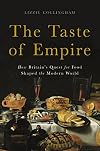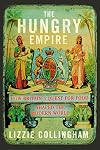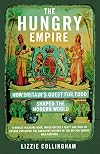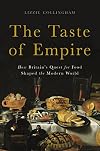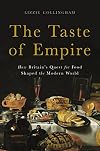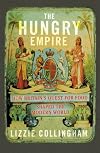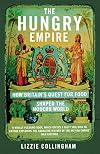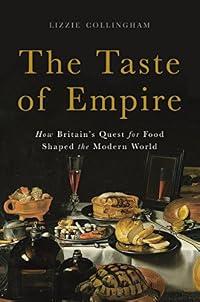
The Taste of Empire: How Britain's Quest for Food Shaped the Modern World
by Lizzie Collingham
On This Page
Description
"...in twenty meals, The taste of Empire tells the story of how the British created a global food trade that moved people and plants across countries...Taking us on a wide-ranging culinary journey from the American frontier to the Far East, from sixteenth-century Newfoundland fisheries to present day celebrations of Thanksgiving, Lizzie Collingham uncovers the decisive role of the British Empire in shaping our modern diet."--Dust jacket.Tags
Recommendations






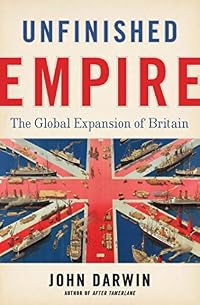
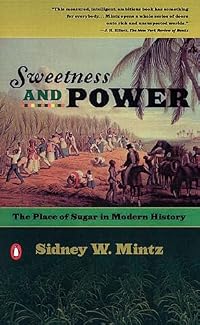
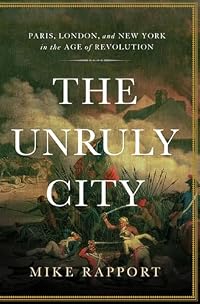
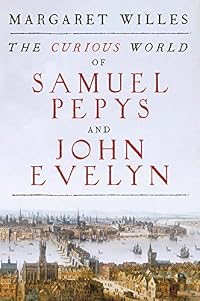
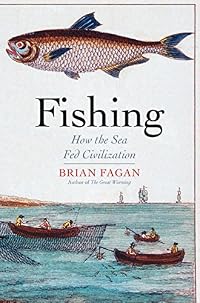
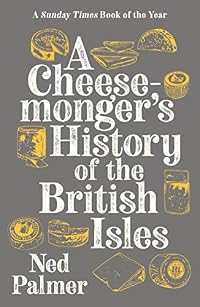
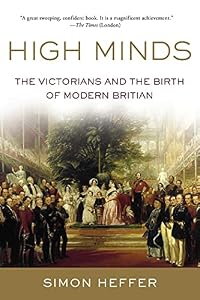
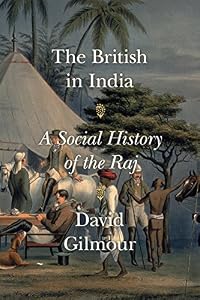
Member Recommendations
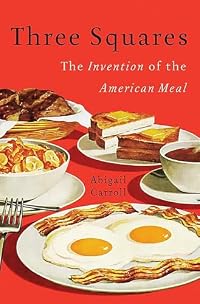
Shrike58 If you want to go into greater depth regarding the logistical failures behind the Great Bengal Famine this is the book for you.
Member Reviews
A thoroughly researched examination of how Empire improves efficiency of getting goods to different places around the world but also how it fucks over nutritional availability to its colonies. My only quibble is Collingham's take on British companies trading Indian opium to China- she likens it to the tea that working class Brits used as an end-of-the-day tipple, but opium-derived drugs are still considered highly addictive today over anything from C. sinensis... Regardless, this is chock-full of citations on how Britain impacted global foodways.
In this time of globalisation we take it for granted that we can access food from all around the world but this wasn't always the case. In this book Collingham looks at the impact of the British Empire on the diets back home but also those abroad. Taking as stimulus accounts from history and fiction describing food, she looks at how trade and economics have affected nutrition. The book is truly fascinating, how maize from the Americas is a staple now in Africa, how opium was traded for tea and shockingly the addiction to sugar in Britain through the ages. Packed with interesting vignettes, immaculately researched and genuinely engaging to read, this is a scholarly book with the populist touch.
The flavor of this book is show up for the evolution of British food consumption, stay for for the examination of a food production system largely based on various degrees of labor oppression. Collingham starts with the exploitation of the Newfoundland cod fisheries and English efforts to plant their vision of agriculture in Ireland, with the climax being the Great Bengal Famine of World War II. The book thus ends on a weak note, as the author contemplates a contemporary British food culture that often feels like a pantomime of empire but seems to be unsustainable. I suspect that the real brick through the window is Collingham's argument that the social damage done by the British opium trade in China has been somewhat exaggerated, show more though she is quite unsparing of other British crimes in the pursuit of the calories needed to keep their industrial machine turning. show less
Unexpectedly great! It artfully manages to weave all those popular "one thing that influenced the world" books in a coherent, restrained yet utterly enlightening narrative. And since it deals with a truly global and ever reaching empire it could be called the best take on the popular world food history so far. I absolutely didn't count on such a masterful execution! Sheer brilliance!
This is a wide ranging book on this history of foods and meals in the England and the British Empire between 1545 and 1996. It is not a systematic review which was originally off-putting. But the use of narrative began to peak my interest and I went through the book. This is an attempt as to what cookery and family living was actually like among different classes of people. Because off the empire, food sources are from everywhere, and meals are shown to be very diverse, even if not the paragon of nutrition. Part 1 covers Newfoundland, Ireland, New England, West Indies, West Africa and Covent Garden - London. Part 2 covers Lancashire, South Carolina, South Africa, and Boston. Part 3 takes one Bihar, New Zealand, British Columbia, and the show more Society Islands (near Tahiti. Part 4 covers Guyana, Manchester (England), Kenya, North African desert, and London at Christmas. show less
Ratings
Members
- Recently Added By
Author Information

5 Works 1,083 Members
Lizzie Collingham taught history at the University of Warwick before becoming a Research Fellow at Jesus College, Cambridge.
Awards and Honors
Awards
Distinctions
Common Knowledge
- Original title
- The hungry empire : how Britain's quest for food shaped the modern world
- Alternate titles
- The taste of empire
- Original publication date
- 2017-10-03
- Important places
- British Empire; England, UK; Barbados; Australia; New Zealand; India (show all 10); London, England, UK; West Africa; Newfoundland, Canada; American colonies
- Blurbers
- Wilson, Bee; Pye, Michael
Classifications
- Genres
- History, Nonfiction, Anthropology, Food & Cooking, General Nonfiction
- DDC/MDS
- 338.1941 — Society, Government, and Culture Economics Production Agricultural products Food supply Europe British Isles
- LCC
- JV1011 .C65 — Political Science Colonies and colonization. Emigration and immigration. International migration Colonies and colonization. Emigration and Colonizing nations
- BISAC
Statistics
- Members
- 215
- Popularity
- 150,440
- Reviews
- 5
- Rating
- (3.69)
- Languages
- Chinese, English
- Media
- Paper, Audiobook, Ebook
- ISBNs
- 14
- ASINs
- 4