On This Page
Description
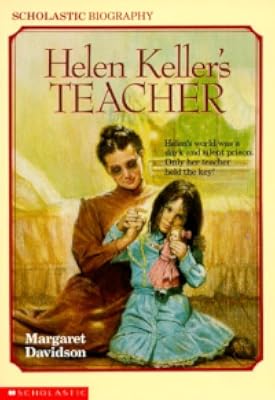
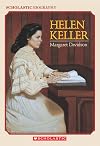
A brief biography of Helen Keller's teacher describing her childhood and life with her famous pupil.Tags
Recommendations







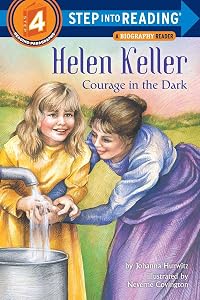
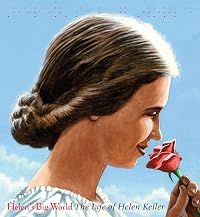
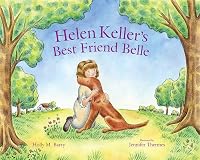
























Member Recommendations

Member Reviews
A great read, only slightly hard for children under twelve, I would say. My mother read it to us, explaining any difficult phrases, sayings or words. I thought it was lovely, and usually, when I would groan at reading time, I found these particular reading times much more fun and enjoyable. I think if you wanted to read this book, take in your idea as an excellent one!
Annie Sullivan was only a little girl when she became almost fully blind. She took many operations, constantly determined that they would help her poor eyes, but none of them worked, and she remained heartless with fear. Then her mother died of a tubercular throat, and gave birth to a little boy, Jimmie, who was born with a tubercular hip. With no wife to help, and, as a show more drunkard, Annie and her little brother's father had no hope for raising them, and they, to add on to the trouble, had nobody to look after them or anywhere to go.
So the two children were sent off to Tewkesbury, to the poorhouse. Jimmie had a crutch by then, and frightened little Annie had such sore eyes everything just seemed to her like a blur of grey figures and blobs. They were both taken to the women's ward, where plenty of blind, grumpy old ladies sat in their beds, furious and ashamed of themselves. Only two of these meant anything to Annie, and anyhow, she didn't care much if she had no friends. Because she still had Jimmie.
The little children had nowhere to play, for nurses and important people were crowded round the corridors, and many bustling matrons were always shooing them out of all the rooms. But they couldn't shoo them if they weren't even in the room. And there was indeed one small little place off the side of their ward, where nobody dared to go but the doctors.
The dead house. It was the only place where Annie and Jimmie could play with each other without being called off or shouted at by fearsome old women. Whether this room was covered in spiders and cobwebs, and moreover, had dead people in it before they were taken away, the children were only slightly scared of it, and it was the only way where they could communicate privately, without being heard.
Jimmie, and Annie, but especially Jimmie, was getting worse. He was getting more ill every week or so. Annie had to simply sit and watch him wither; she couldn't go and tell a matron or doctor "My brother is going to die if you do not give him treatment", for they would just chuckle and walk away. She would have probably tried it before, and it would not have worked. But she didn't just stand there. She knew she had to do something.
But the disease was just too much for her. He slowly got more and more sick, and more and more scared. And the terrible thing happened when it was one of those few times when Annie slept. She awoke, put out her hand for his, and found it not there. Feeling around in the pitch black of her eyes, she could feel his body in a bed in the dead house.
Poor Annie! How she struggled, how she cried, how she screamed! She was taken away to Perkins School for the Blind, and grew up there with operations, success, fails, and misery, until she needs to earn her living. She is taken away to teach the blind-deaf-mute Helen Keller. Read this brilliant book to find out how she teaches her to communicate. show less
Annie Sullivan was only a little girl when she became almost fully blind. She took many operations, constantly determined that they would help her poor eyes, but none of them worked, and she remained heartless with fear. Then her mother died of a tubercular throat, and gave birth to a little boy, Jimmie, who was born with a tubercular hip. With no wife to help, and, as a show more drunkard, Annie and her little brother's father had no hope for raising them, and they, to add on to the trouble, had nobody to look after them or anywhere to go.
So the two children were sent off to Tewkesbury, to the poorhouse. Jimmie had a crutch by then, and frightened little Annie had such sore eyes everything just seemed to her like a blur of grey figures and blobs. They were both taken to the women's ward, where plenty of blind, grumpy old ladies sat in their beds, furious and ashamed of themselves. Only two of these meant anything to Annie, and anyhow, she didn't care much if she had no friends. Because she still had Jimmie.
The little children had nowhere to play, for nurses and important people were crowded round the corridors, and many bustling matrons were always shooing them out of all the rooms. But they couldn't shoo them if they weren't even in the room. And there was indeed one small little place off the side of their ward, where nobody dared to go but the doctors.
The dead house. It was the only place where Annie and Jimmie could play with each other without being called off or shouted at by fearsome old women. Whether this room was covered in spiders and cobwebs, and moreover, had dead people in it before they were taken away, the children were only slightly scared of it, and it was the only way where they could communicate privately, without being heard.
Jimmie, and Annie, but especially Jimmie, was getting worse. He was getting more ill every week or so. Annie had to simply sit and watch him wither; she couldn't go and tell a matron or doctor "My brother is going to die if you do not give him treatment", for they would just chuckle and walk away. She would have probably tried it before, and it would not have worked. But she didn't just stand there. She knew she had to do something.
But the disease was just too much for her. He slowly got more and more sick, and more and more scared. And the terrible thing happened when it was one of those few times when Annie slept. She awoke, put out her hand for his, and found it not there. Feeling around in the pitch black of her eyes, she could feel his body in a bed in the dead house.
Poor Annie! How she struggled, how she cried, how she screamed! She was taken away to Perkins School for the Blind, and grew up there with operations, success, fails, and misery, until she needs to earn her living. She is taken away to teach the blind-deaf-mute Helen Keller. Read this brilliant book to find out how she teaches her to communicate. show less
This biography of Annie Sullivan, Helen Keller's teacher, fascinated me at a very early age. I must have read it a dozen times. An excellent book for a young reader as it really helps a child to walk in very different shoes.
This book is about the struggles that Helen Keller had to over come being both blind and deaf. It took the strong will of a teacher to help Helen over come her disability and to become a name to remember. My cousin Bethany loves this book and often calls Helen her hero. Bethany tells me that its because Helen had to overcome impossible odds and won in the battle to do so that she is a hero.
I feel as Bethany does that Helen is a person to look up to that it takes a strong will and a stubborn teacher to make it through some of the toughest things in our life. Bethany dressed up as Helen and gave a report on her for a 4-H project.
I would use that idea in the class room. I would have my student pick out their hero from history and tell show more about them. Explain why this person is a hero.
What is a hero? Have a day to compare animated heros like batman and superman to people like Helen Keller. show less
I feel as Bethany does that Helen is a person to look up to that it takes a strong will and a stubborn teacher to make it through some of the toughest things in our life. Bethany dressed up as Helen and gave a report on her for a 4-H project.
I would use that idea in the class room. I would have my student pick out their hero from history and tell show more about them. Explain why this person is a hero.
What is a hero? Have a day to compare animated heros like batman and superman to people like Helen Keller. show less
Category/genre: Chapter book
Notable: biography
This biography tells the history about a teacher who helped a young girl named Hellen Keller deal with her disabilities. Hellen Keller was both deaf and blind, and with the help Anne she was able to overcome her disabilities and learn how to speak with our mouth. The biography goes on to tell the many other things Helen Keller learned from Anne and how it helped her in her life. I would love for fourth graders to read the history in this book so that they can learn the great morals that are in our history.
Notable: biography
This biography tells the history about a teacher who helped a young girl named Hellen Keller deal with her disabilities. Hellen Keller was both deaf and blind, and with the help Anne she was able to overcome her disabilities and learn how to speak with our mouth. The biography goes on to tell the many other things Helen Keller learned from Anne and how it helped her in her life. I would love for fourth graders to read the history in this book so that they can learn the great morals that are in our history.
Helen Keller was both blind and deaf. She needed help from people in order to do daily things, This book can show students that they can still do things even with disabilities, just like Helen Keller did.
It's great!!! Read it for inspiration if nothing else!
Ratings
Members
- Recently Added By
Lists

Best School Stories
219 works; 22 members

Blindness experience -- children's/YA fiction and nonfiction
14 works; 2 members

Favorite Childhood Books
1,651 works; 515 members

Teachers
16 works; 2 members
Author Information

34+ Works 15,665 Members
Some Editions
Series

Belongs to Publisher Series
Vintage Scholastic (TX0784)
Common Knowledge
- Canonical title
- Helen Keller's Teacher
- Original publication date
- 1965
- People/Characters
- Anne Sullivan (as Joanna "Annie" Sullivan); Helen Keller; Statia Sullivan; Jimmie Sullivan; Ellen Sullivan; Mr. Thomas (show all 29); John Sullivan; Timothy "Tim"; Mr. Granger; Thomas Sullivan; Alice Sullivan; Mary Sullivan; Maggie Carroll; Father Barbara; Frank B. Sanborn; Mr. Anagnos; Mary Moore; Dr. Bradford; Laura Bridgman; Dr. Samuel Gridley Howe; Sophia Hopkins; Captain Arthur Keller; Kate Keller; Leila; Mildred Keller; Miss Paddock; James Keller; Simpson Keller; Viney
- Important places
- Tuscumbia, Alabama, USA; Feeding Hills, Massachusetts, USA; Tewksbury, Massachusetts, USA; Massachusetts State Infirmary (Tewksbury, Massachusetts, USA); Sisters of Charity Hospital (Lowell, Massachusetts, USA); Perkins Institution for the Blind (Boston, Massachusetts, USA)
- Dedication
- To Kit with love
- First words
- I'm going away - today.
- Last words
- (Click to show. Warning: May contain spoilers.)Annie hadn't failed.
Classifications
- Genre
- Nonfiction
- DDC/MDS
- 371.911092 — Society, government, & culture Education Schools and their activities; special education Education of special classes Physical Disabilities and Impediments Blind
- LCC
- HV1624 .M3 — Social sciences Social pathology. Social and public welfare. Criminology Social pathology. Social and public welfare. Protection, assistance and relief Special classes People with disabilities
- BISAC
Statistics
- Members
- 1,146
- Popularity
- 22,103
- Reviews
- 6
- Rating
- (3.90)
- Languages
- English
- Media
- Paper
- ISBNs
- 9
- ASINs
- 13