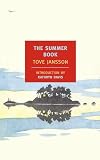
The Summer Book
by Tove Jansson
On This Page
Description
"This brief novel tells the story of Sophia, a six-year-old girl awakening to existence, and Sophia's grandmother, nearing the end of hers, as they spend the summer on a tiny unspoiled island in the Gulf of Finland."--Publisher's description.Tags
Recommendations












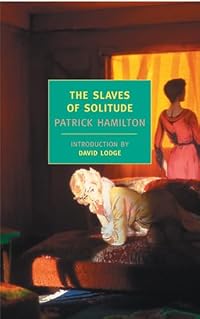

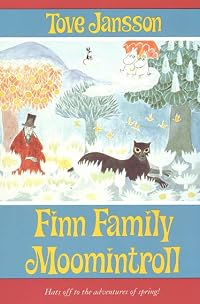
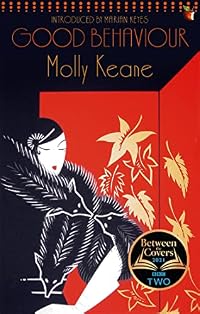
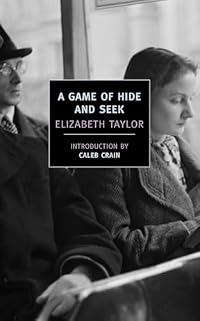








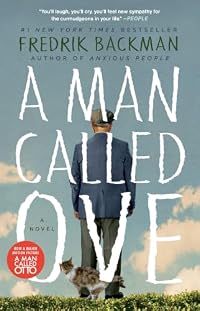

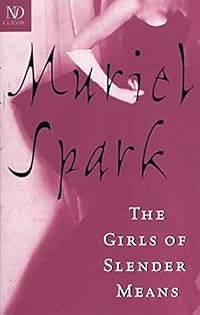
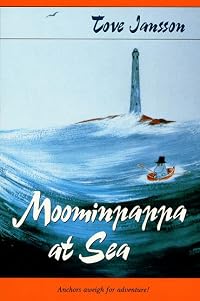
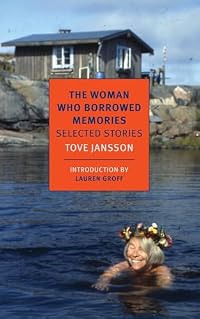
Member Recommendations
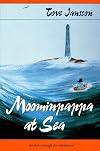
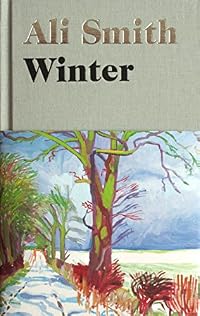
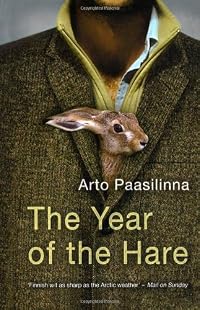
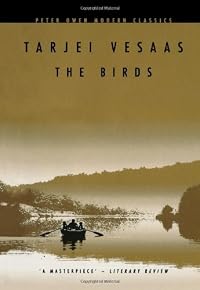
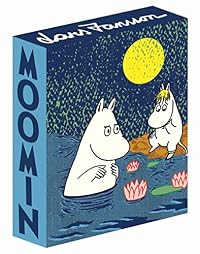
Jannes Janssons kärlek till den finska skärgården är mycket tydlig i båda dessa böcker som trots sina ytliga olikheter har mycket gemensamt.
41
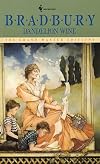
Jannes Interconnected stories abour childhood and endless summers. Bradbury is more fantastical, while Jansson leans more to the realistic and understated, but both books runs over with wonderful and lyrical prose, and both captures a sense of childhood and summer i a way that is very rare.
20
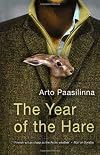




Cecilturtle A similarly constructed series of connected short stories told through the eyes of a young girl.
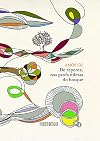
pitjrw Unusual, beautiful relationships between the old and young
DarthFisticuffs Both books take place on islands in northern Europe (Jansson's in Norway, Jacobsen's in Sweden) and concern the daily life of a girl growing up there with a close-knit family. While the tone differs in each, the subject matter and general plot have many similarities.
Member Reviews
I was thinking that I was going to give this four stars but then I got to the "Of Angelworms and Others" chapter, where young Sophia dictates her treatise on angelworms and "other pitiful animals" to Grandmother, and finally understood how the book worked and what it was trying to do, and so five stars it is.
This book, like the rhythms of nature, requires close attention and patience. It yields its delights, especially its humour, in surprising, understated ways. It's deceptively simple, but deep, wise, and idiosyncratic. I was able to immerse myself in it completely and thought what a marvel it was, in how the formal structure mimics nature's time, and takes you out of the urban, automated grind of daily work-time.
The character of show more Grandmother in particular is fiercely independent and unconventional. I'm moved to learn that Jansson based it on her own mother. In the book, it's young Sophia's mother who is dead; in life, Jansson wrote this after her mother died. Reading this was like a gift; it depicts different possibilities of paying attention and ways of living with others without false hope or cynicism. Bittersweet, tender, and moving. show less
This book, like the rhythms of nature, requires close attention and patience. It yields its delights, especially its humour, in surprising, understated ways. It's deceptively simple, but deep, wise, and idiosyncratic. I was able to immerse myself in it completely and thought what a marvel it was, in how the formal structure mimics nature's time, and takes you out of the urban, automated grind of daily work-time.
The character of show more Grandmother in particular is fiercely independent and unconventional. I'm moved to learn that Jansson based it on her own mother. In the book, it's young Sophia's mother who is dead; in life, Jansson wrote this after her mother died. Reading this was like a gift; it depicts different possibilities of paying attention and ways of living with others without false hope or cynicism. Bittersweet, tender, and moving. show less
4.5/5
There are many books I've read that, according to others, I should not have resonated with, the reason usually being that I am not old and/or have not experienced enough. However, years of intensive delving into fiction have honed my empathy to the point that a conjured "What if..." proves as potent as an actual happening, a heightened sense that, like any other, has equally powerful benefits and backfires. I have not yet dealt with the death of the closest to my heart, but I can imagine.
As much as society tries to commodify death, there will always be a breakdown. Even here, show more the European stability of food, family, religion, are all stretched to their utmost in isolation, environment, and the outliers of age, as summer days roll by in all their fevered torments of water and the kill. It's not as "red in tooth and claw" as I make it sound, and yet, there's nothing cute about the adventures of the grandmother and the granddaughter, nothing to sentimentalize or to pass off as "childish things". Children have their hearts ripped out, too; will you be the one to tell them to grow up?
Childhood is the land of developing object permanence, the growing belief in the existence of what one sees even when one cannot see it until someone comes along and tears this trust to shreds. It is a land of connections that forgo all unspoken rules of civil morality, for what is socially accepted without spoken question is more often than not the trappings of classist and ageist weeding. In light of that, it is better to push forward without question, to build one's rules on the backs of one's own clambered heights and swum currents, broken bones and blooming flowers, anything for the guarantee that life will go on. It is better to say what you feel but even more so to say whatever needs to be said in order to offer the one pushing the limits a way home; it is their grief, not yours, and a child deserves as much unquestioned respect and support as a man.
Silly, dirty, frightening, cruel, powerful, beautiful, delicate, funny, precious life; the grandmother, the father, the granddaughter, the flora, the fauna; the mourning of humans, the plight of a cut in twain angleworm, and all the islands of our days. show less
Say this: say I hate everything that dies slow! Say I hate everything that won't let you help!
There are many books I've read that, according to others, I should not have resonated with, the reason usually being that I am not old and/or have not experienced enough. However, years of intensive delving into fiction have honed my empathy to the point that a conjured "What if..." proves as potent as an actual happening, a heightened sense that, like any other, has equally powerful benefits and backfires. I have not yet dealt with the death of the closest to my heart, but I can imagine.
"It'll be awful," said Sophia gravely. "But it's Moppy I love."
As much as society tries to commodify death, there will always be a breakdown. Even here, show more the European stability of food, family, religion, are all stretched to their utmost in isolation, environment, and the outliers of age, as summer days roll by in all their fevered torments of water and the kill. It's not as "red in tooth and claw" as I make it sound, and yet, there's nothing cute about the adventures of the grandmother and the granddaughter, nothing to sentimentalize or to pass off as "childish things". Children have their hearts ripped out, too; will you be the one to tell them to grow up?
"Sophia would prefer a lemonade," Grandmother said, and thought: We've got to teach her some manners. We've made a mistake. She has to spend more time with people she doesn't like, before it's too late.
Childhood is the land of developing object permanence, the growing belief in the existence of what one sees even when one cannot see it until someone comes along and tears this trust to shreds. It is a land of connections that forgo all unspoken rules of civil morality, for what is socially accepted without spoken question is more often than not the trappings of classist and ageist weeding. In light of that, it is better to push forward without question, to build one's rules on the backs of one's own clambered heights and swum currents, broken bones and blooming flowers, anything for the guarantee that life will go on. It is better to say what you feel but even more so to say whatever needs to be said in order to offer the one pushing the limits a way home; it is their grief, not yours, and a child deserves as much unquestioned respect and support as a man.
She sighed contentedly, and, absorbed in thought, she filled a coffee cup with precious drinking water and poured it over a daisy.
Silly, dirty, frightening, cruel, powerful, beautiful, delicate, funny, precious life; the grandmother, the father, the granddaughter, the flora, the fauna; the mourning of humans, the plight of a cut in twain angleworm, and all the islands of our days. show less
Schon vor Jahren gemocht, aber jetzt mit "älteren Augen" nochmals gelesen und jetzt verdienen das Buch und ich auch eine "ordentliche" Rezension. ;-)
Tove Janssons "Sommerbuch" ist für mich ein leises, präzises Buch über Nähe, Autonomie und die seltsame Zärtlichkeit, die im Streit steckt. Die Handlung ist eher ein Sommerzustand als eine lineare Story: Sophia und ihre Großmutter leben auf einer winzigen Insel, und das Buch beobachtet sie beim Umherstreifen, Trotzen, Fragenstellen, Schweigen, Lachen. Gerade diese Episodenhaftigkeit fühlt sich nicht beliebig an, sondern wie eine Form, die dem Gegenstand entspricht: Familie als Wetterlage.
»Faulbaum und besonders Ebereschen riechen, wenn sie blühen, wie Katzenpipi.«
Solche Sätze show more sind für mich typisch Jansson: sinnlich, unerwartet, komisch, und zugleich poetisch genau. Das ist keine “schöne” Natur, sondern eine, die wirklich riecht, nervt, klebt, glitzert - und dadurch umso glaubwürdiger wird. Ich hatte beim Lesen mehrfach das Gefühl: Das ist ein Mumin-Buch für Erwachsene, aber ohne die fantastische Verklärung; eher die klare Luft dahinter. Das Kindliche (Neugier, Trotz, Spiel) bleibt, doch es steht neben etwas Hartem: Endlichkeit, Einsamkeit, die Unmöglichkeit, jemanden vollständig zu besitzen oder zu erklären.
Besonders stark fand ich, wie das Buch die Großmutter zeichnet: nicht als sanfte Weisheitsfigur, sondern als eigene Person mit Ecken, Müdigkeiten und einem sehr speziellen Sinn für Würde. Sie ist liebevoll, aber nicht “nett”; sie kann abweisend sein, und gerade dadurch entsteht eine Ethik der Beziehung, die ich selten so unpathetisch beschrieben gesehen habe. Sophia darf dagegenhalten. Das Buch nimmt das Kind ernst, ohne es zu idealisieren.
»Die Großmutter dachte nach und antwortete, was unerklärlich sei, versuche man nicht zu erklären.«
In diesem Moment bündelt sich für mich ein Leitmotiv: die Grenze zwischen dem, was man rational ordnen kann, und dem, was man nur aushält. Die Großmutter wirkt dabei zunächst altmodisch, aber zeitlos - nicht, weil sie “recht” hätte, sondern weil sie eine praktische Lebensklugheit hat: Manche Dinge werden durch Erklärungen nicht kleiner. Gleichzeitig spielt Jansson sehr fein mit Ambivalenzen, etwa wenn das Gespräch über Aberglauben kippt: Die Großmutter distanziert sich scheinbar, erzählt dann aber eine Geschichte, in der Trost, Ritual und heimliche Fürsorge wichtiger sind als saubere Begriffe. Das wirkt nicht widersprüchlich, sondern menschlich: Wir sind selten konsequent, wenn es um Angst, Krankheit oder Melancholie geht.
»Sie war abergläubisch«, antwortete Sophias Großmutter.«
Diese Mischung aus Trockenheit und Zuneigung macht den Ton aus. Jansson schreibt so, dass jede Beobachtung gleichzeitig Zärtlichkeit und Zumutung sein kann. Und genau deshalb funktioniert auch der Humor: nicht als Pointe, sondern als Überlebensmittel. Der Sommer wird hier nicht zur Ferienpostkarte, sondern zu einem Raum, in dem Bindung neu verhandelt wird - zwischen Kind und Großmutter, aber auch zwischen Mensch und Natur, Mensch und Zeit.
Am Ende blieb bei mir weniger “Handlung” als ein Gefühl zurück: eine stille Helligkeit, die nicht naiv ist. *Sommerbuch* ist ein kleines Buch mit großem Nachhall – wie ein klarer Blick ins Wasser, bei dem man plötzlich Tiefe sieht.
Natürlich: Fünf von fünf Sternen.
Blog | Goodreads | Facebook | Twitter | Mastodon | Instagram | Threads | StoryGraph | LibraryThing | Medium | Matrix | Tumblr
Ceterum censeo Putin esse delendam show less
Tove Janssons "Sommerbuch" ist für mich ein leises, präzises Buch über Nähe, Autonomie und die seltsame Zärtlichkeit, die im Streit steckt. Die Handlung ist eher ein Sommerzustand als eine lineare Story: Sophia und ihre Großmutter leben auf einer winzigen Insel, und das Buch beobachtet sie beim Umherstreifen, Trotzen, Fragenstellen, Schweigen, Lachen. Gerade diese Episodenhaftigkeit fühlt sich nicht beliebig an, sondern wie eine Form, die dem Gegenstand entspricht: Familie als Wetterlage.
»Faulbaum und besonders Ebereschen riechen, wenn sie blühen, wie Katzenpipi.«
Solche Sätze show more sind für mich typisch Jansson: sinnlich, unerwartet, komisch, und zugleich poetisch genau. Das ist keine “schöne” Natur, sondern eine, die wirklich riecht, nervt, klebt, glitzert - und dadurch umso glaubwürdiger wird. Ich hatte beim Lesen mehrfach das Gefühl: Das ist ein Mumin-Buch für Erwachsene, aber ohne die fantastische Verklärung; eher die klare Luft dahinter. Das Kindliche (Neugier, Trotz, Spiel) bleibt, doch es steht neben etwas Hartem: Endlichkeit, Einsamkeit, die Unmöglichkeit, jemanden vollständig zu besitzen oder zu erklären.
Besonders stark fand ich, wie das Buch die Großmutter zeichnet: nicht als sanfte Weisheitsfigur, sondern als eigene Person mit Ecken, Müdigkeiten und einem sehr speziellen Sinn für Würde. Sie ist liebevoll, aber nicht “nett”; sie kann abweisend sein, und gerade dadurch entsteht eine Ethik der Beziehung, die ich selten so unpathetisch beschrieben gesehen habe. Sophia darf dagegenhalten. Das Buch nimmt das Kind ernst, ohne es zu idealisieren.
»Die Großmutter dachte nach und antwortete, was unerklärlich sei, versuche man nicht zu erklären.«
In diesem Moment bündelt sich für mich ein Leitmotiv: die Grenze zwischen dem, was man rational ordnen kann, und dem, was man nur aushält. Die Großmutter wirkt dabei zunächst altmodisch, aber zeitlos - nicht, weil sie “recht” hätte, sondern weil sie eine praktische Lebensklugheit hat: Manche Dinge werden durch Erklärungen nicht kleiner. Gleichzeitig spielt Jansson sehr fein mit Ambivalenzen, etwa wenn das Gespräch über Aberglauben kippt: Die Großmutter distanziert sich scheinbar, erzählt dann aber eine Geschichte, in der Trost, Ritual und heimliche Fürsorge wichtiger sind als saubere Begriffe. Das wirkt nicht widersprüchlich, sondern menschlich: Wir sind selten konsequent, wenn es um Angst, Krankheit oder Melancholie geht.
»Sie war abergläubisch«, antwortete Sophias Großmutter.«
Diese Mischung aus Trockenheit und Zuneigung macht den Ton aus. Jansson schreibt so, dass jede Beobachtung gleichzeitig Zärtlichkeit und Zumutung sein kann. Und genau deshalb funktioniert auch der Humor: nicht als Pointe, sondern als Überlebensmittel. Der Sommer wird hier nicht zur Ferienpostkarte, sondern zu einem Raum, in dem Bindung neu verhandelt wird - zwischen Kind und Großmutter, aber auch zwischen Mensch und Natur, Mensch und Zeit.
Am Ende blieb bei mir weniger “Handlung” als ein Gefühl zurück: eine stille Helligkeit, die nicht naiv ist. *Sommerbuch* ist ein kleines Buch mit großem Nachhall – wie ein klarer Blick ins Wasser, bei dem man plötzlich Tiefe sieht.
Natürlich: Fünf von fünf Sternen.
Blog | Goodreads | Facebook | Twitter | Mastodon | Instagram | Threads | StoryGraph | LibraryThing | Medium | Matrix | Tumblr
Ceterum censeo Putin esse delendam show less
The back cover of this library book was burned through in a couple places, as if someone had left it on a heater, or applied very specific attention with a lighter several years ago. I found this fascinating because the contents of the book match a careless damage so well.
The gist of it is a family’s stories from summering on a Finnish island. It crosses an unknown amount of time, darting in and out of years without saying how old the granddaughter Sophia is, or specifying clearly which year is currently happening, and this creates an atmosphere of consistent change. The weather, the neighbors, the physical changes to the island are all described in a loosely precise way perfectly consistent to this atmosphere. I was charmed by the show more way the grandmother is changed by her granddaughter, not in a lofty moral way, but simply the natural way people change when they are surrounded by other people. Her conversation changed, the way she did things on the island; she was concerned and proud and tender with the young Sophia as the occasion required. And though Grandmother was wise, she was not always right, and as the stories progressed, we saw time pass in how she felt more pain, how her ways of thinking about the island became more rooted in herself than in the place where she’d spent so much time. I loved this book because it read so naturally and perfectly. show less
The gist of it is a family’s stories from summering on a Finnish island. It crosses an unknown amount of time, darting in and out of years without saying how old the granddaughter Sophia is, or specifying clearly which year is currently happening, and this creates an atmosphere of consistent change. The weather, the neighbors, the physical changes to the island are all described in a loosely precise way perfectly consistent to this atmosphere. I was charmed by the show more way the grandmother is changed by her granddaughter, not in a lofty moral way, but simply the natural way people change when they are surrounded by other people. Her conversation changed, the way she did things on the island; she was concerned and proud and tender with the young Sophia as the occasion required. And though Grandmother was wise, she was not always right, and as the stories progressed, we saw time pass in how she felt more pain, how her ways of thinking about the island became more rooted in herself than in the place where she’d spent so much time. I loved this book because it read so naturally and perfectly. show less
Rating: 4.5* of five
The Publisher Says: In The Summer Book Tove Jansson distills the essence of the summer—its sunlight and storms—into twenty-two crystalline vignettes. This brief novel tells the story of Sophia, a six-year-old girl awakening to existence, and Sophia’s grandmother, nearing the end of hers, as they spend the summer on a tiny unspoiled island in the Gulf of Finland. The grandmother is unsentimental and wise, if a little cranky; Sophia is impetuous and volatile, but she tends to her grandmother with the care of a new parent. Together they amble over coastline and forest in easy companionship, build boats from bark, create a miniature Venice, write a fanciful study of local bugs. They discuss things that matter to show more young and old alike: life, death, the nature of God and of love. “On an island,” thinks the grandmother, “everything is complete.” In The Summer Book, Jansson creates her own complete world, full of the varied joys and sorrows of life.
Tove Jansson, whose Moomintroll comic strip and books brought her international acclaim, lived for much of her life on an island like the one described in The Summer Book, and the work can be enjoyed as her closely observed journal of the sounds, sights, and feel of a summer spent in intimate contact with the natural world.
The Summer Book is translated from the Swedish by Thomas Teal.
My Review: I am a person who likes quiet. My home environment, when I'm able to force my will on my roommate, is free of audio pollution like TV and radio. Perhaps in compensation, I love spy stories and space-war epics and historical novels with battles, explosions, near misses with the main character dangling from rooftops...the very essence of un-quiet.
The Summer Book is, in contrast, the quietest reading imaginable. Yes, there are storms...an island will experience a lot of those...there are misfit neighbors in ugly houses, and all of it is so much the proper order of things that they fail to create fear in the reader. The two or three hours you'll spend with this family as its members learn to grow, learn to let go, and simply earn their living won't be wasted.
I'd strongly suggest this as a midafternoon sunny-day read, or the quiet and the rightness of story and style will lull the tense, stressed, relaxation-deprived modern person into a deep, satisfying sleep. show less
The Publisher Says: In The Summer Book Tove Jansson distills the essence of the summer—its sunlight and storms—into twenty-two crystalline vignettes. This brief novel tells the story of Sophia, a six-year-old girl awakening to existence, and Sophia’s grandmother, nearing the end of hers, as they spend the summer on a tiny unspoiled island in the Gulf of Finland. The grandmother is unsentimental and wise, if a little cranky; Sophia is impetuous and volatile, but she tends to her grandmother with the care of a new parent. Together they amble over coastline and forest in easy companionship, build boats from bark, create a miniature Venice, write a fanciful study of local bugs. They discuss things that matter to show more young and old alike: life, death, the nature of God and of love. “On an island,” thinks the grandmother, “everything is complete.” In The Summer Book, Jansson creates her own complete world, full of the varied joys and sorrows of life.
Tove Jansson, whose Moomintroll comic strip and books brought her international acclaim, lived for much of her life on an island like the one described in The Summer Book, and the work can be enjoyed as her closely observed journal of the sounds, sights, and feel of a summer spent in intimate contact with the natural world.
The Summer Book is translated from the Swedish by Thomas Teal.
My Review: I am a person who likes quiet. My home environment, when I'm able to force my will on my roommate, is free of audio pollution like TV and radio. Perhaps in compensation, I love spy stories and space-war epics and historical novels with battles, explosions, near misses with the main character dangling from rooftops...the very essence of un-quiet.
The Summer Book is, in contrast, the quietest reading imaginable. Yes, there are storms...an island will experience a lot of those...there are misfit neighbors in ugly houses, and all of it is so much the proper order of things that they fail to create fear in the reader. The two or three hours you'll spend with this family as its members learn to grow, learn to let go, and simply earn their living won't be wasted.
I'd strongly suggest this as a midafternoon sunny-day read, or the quiet and the rightness of story and style will lull the tense, stressed, relaxation-deprived modern person into a deep, satisfying sleep. show less
I fear that anything I attempt to write about this book will be too clunky, too indelicate, too impure for this work of beauty. This is a novel that needs to be on social prescription as an antidote to stress and busyness, dished out to all who have forgotten how to stand still and take in the wonderment and hugeness of the small things in life.
The Summer Book is not a plot-directed book. It feels like a retelling of real memories which are most likely fiction, a gentler, less self-absorbed version of what Knausgaard does in his 'My Struggle' books. Jansson draws on her mother and her niece as inspiration for the two main characters in the book - a grandmother and her young granddaughter who are whiling away the summer on their small show more holiday island in the Gulf of Finland, which is based on Jansson's family's real-life island home.
Nothing and yet everything happens in these bewitching stories. We touch every spongy piece of moss, feel the cool of the granite beneath our feet, lick the salt off our lips. We experience the delight of the elements through the twin views of the very young Sophia and the elderly grandmother. The grandmother's thoughts and deeds are poignant, full of consciousness of the injustice of the decreasing amount of time she has left in life yet possessing an infinite patience for the child. She has a rare adult willingness to let the child run free with both her mind and body, letting her discover the world for herself rather than teaching her, and entering her world of imagination with the same respect and seriousness that any adult conversation would be given.
The pace of life is slow in this book, and it's simply a joy to slow down with it.
4.5 stars - I will be returning to this in the future when life gets hectic and I need a good reality check on priorities. show less
The Summer Book is not a plot-directed book. It feels like a retelling of real memories which are most likely fiction, a gentler, less self-absorbed version of what Knausgaard does in his 'My Struggle' books. Jansson draws on her mother and her niece as inspiration for the two main characters in the book - a grandmother and her young granddaughter who are whiling away the summer on their small show more holiday island in the Gulf of Finland, which is based on Jansson's family's real-life island home.
Nothing and yet everything happens in these bewitching stories. We touch every spongy piece of moss, feel the cool of the granite beneath our feet, lick the salt off our lips. We experience the delight of the elements through the twin views of the very young Sophia and the elderly grandmother. The grandmother's thoughts and deeds are poignant, full of consciousness of the injustice of the decreasing amount of time she has left in life yet possessing an infinite patience for the child. She has a rare adult willingness to let the child run free with both her mind and body, letting her discover the world for herself rather than teaching her, and entering her world of imagination with the same respect and seriousness that any adult conversation would be given.
The pace of life is slow in this book, and it's simply a joy to slow down with it.
4.5 stars - I will be returning to this in the future when life gets hectic and I need a good reality check on priorities. show less
I recently watched a short snippet of the Australian version of Goggle Box where they were commenting on a programme that integrated four year olds and older people living in a home. The interactions between the two generations were a wonder to observe with the directness of the four year olds and the wisdom of the older people who were encouraged to do things they thought they could no longer do. The relationships formed were strong and powerful for both and so too in this book where six year old Sophia and her Grandmother spend the summer on their tiny Finnish island along with Sophia's father who says nothing but tends his garden, his nets and works. It is eventually revealed that Sophia's mother has died and this grief haunts the show more book.
Sophia and her Grandmother
The book revolves around these two characters, shifting from one to the other and showing a remarkable range of emotions from both although tolerance wins. Right from the first two pages we see Sophia as a direct, filterless individual helping her Grandmother to find her false teeth and then demanding to watch as she puts them back in. And straight after that event Sophia asks her Grandmother when she is going to die, reflecting the fact that death is present in her life, and needing reassurance that another person close to her is not going to die just yet. Grandmother, though, is elderly, wobbly on her feet, often dizzy and takes Lupatro which she must carry with her all the time. We see the next death on the horizon.
Sophia and her Grandmother are playful and imaginative, with her Grandmother fully entering into Sophia's world and building their own worlds. Sophia is very taken with the idea of Venice sinking into the mud after receiving a postcard from a friend with a picture of it on the front. Together they build a sinking town with palaces and bridges with Grandmother continuing to create a trattoria and the Campanile. But we are on an island and life intrudes:
One day, there was a green salamander in the Grand Canal and the traffic had to make a long detour.
p56
The next day a big storm washes Venice away with Sophia howling over the loss of the Palace - the grief and loss rippling through like an undercurrent in almost every event. There's a dream where suitcases open and float out to sea, an Angleworm chopped in two with each end scurrying away from the other. Over and over again, we see this loss played out in island life, sometimes gently, other times stormy.
The island as a character
Jansson creates a visual feast for us with the island, giving us the tiny worlds often seen because one or other of them is lying down, and making the island feel enormous with plenty to explore. There is the Magic Forest of dead trees which forms a 'tangled mess of stubborn resignation', the ravine deep and dark, the pasture and the ever present sea, over which storms approach.
The whole island was covered in fog and there was that special early May silence near the sea. The branches of the trees dripped water, clearly audible in the silence. Nothing was growing yet, and there were patches of snow in sheltered spaces, but the landscape was brimming with expectation.
p32
Nature is ever present and provides a world to explore for Sophia and her Grandmother but it also helps us to face our fears. Sophia decides to spend a night out in a tent on her own but the sounds and the darkness scare her back to Grandmother's bed, or where she becomes scared of tiny insects, a fear that is fleeting but very real.
Rules and conventions
Sophia and her Grandmother break the rules for safe living constantly. From standing out on a rock promontary, swimming in deep water, not staying under a shade umbrella, smoking cigarettes (only Grandmother) and travelling down into the ravine, these all suggest exploration along with an acceptance of rules made to be broken. Neither Sophia or her Grandmother want to be constrained by the island or by what they discuss and so both are open and free.
The chapters about Berenice and The Cat both tell the same story in different ways. Berenice is a friend who comes to visit and who looks wonderful with curly hair and who Sophia gets to dive by pushing her in. It turns out that her hair can't take salty water and it was only her hair that Sophia liked. The poor visitor, it turns out, was more scared of their wild ways than she was of the island, the insects or the sea.
An island is dreadful for someone from outside. Everything is complete, and everyone has his obstinate, sure and self-sufficient place. Within their shores, everything functions according to rituals that are as hard as rock from repetition, and at the same time they amble through their days as whimsically and casually as if the world ended at the horizon.
p43
The Cat story is about a kitten that Sophia takes in but who refuses to be tamed by her and lives a cat life. No cuddling or playing but hunting and sleeping. Called Moppy, it defied Sophia at every turn.
"It's funny about love," Sophia said. "The more you love someone, the less he likes you back."
"That's very true,"Grandmother observed. "And so what do you do?"
"You go on loving," said Sophia threateningly. "You love harder and harder."
Her Grandmother sighed and said nothing.
p67
But this cat looks like the island and so we know it is not just the cat we are talking about here.
He was the same colour as the island - a light yellow-ish grey with striped shadings like granite, or like sunlight on a sand bottom. When he slipped across the meadow by the beach, his progress was like a stroke of wind through the grass.
p69
Sophia gets so cross with the cat that they end up swapping it for a white, fluffy cat who only wants to cuddle, sleep and be inside. Everythind a cat should do. After screaming at the cat to be more like a cat - hunt, so something and be like a cat - they swap the cat back for Moppy. Sophia acknowledges that having Moppy back because of his behaviour will be awful but it is Moppy she loves. An acceptance of the way things are and that being conventional does not mean more lovable or desirable.
How writing style and content meet
The genre of this book is hard to tie down, breaking with conventions itself. It must have been revolutionary in 1972 when it was first published. Told in a series of vignettes, almost filmic and written in episodes, the writing plays with camera angle, the type of shot and atmosphere. It is direct and seemingly simple, yet has both a depth and understanding that keeps people rereading the book, some every summer. It is a quiet masterpiece whose ripples continue long after you have finished reading it. The best book I have read so far this year. Will The Winter Book be as good? Only one way to find out. show less
Sophia and her Grandmother
The book revolves around these two characters, shifting from one to the other and showing a remarkable range of emotions from both although tolerance wins. Right from the first two pages we see Sophia as a direct, filterless individual helping her Grandmother to find her false teeth and then demanding to watch as she puts them back in. And straight after that event Sophia asks her Grandmother when she is going to die, reflecting the fact that death is present in her life, and needing reassurance that another person close to her is not going to die just yet. Grandmother, though, is elderly, wobbly on her feet, often dizzy and takes Lupatro which she must carry with her all the time. We see the next death on the horizon.
Sophia and her Grandmother are playful and imaginative, with her Grandmother fully entering into Sophia's world and building their own worlds. Sophia is very taken with the idea of Venice sinking into the mud after receiving a postcard from a friend with a picture of it on the front. Together they build a sinking town with palaces and bridges with Grandmother continuing to create a trattoria and the Campanile. But we are on an island and life intrudes:
One day, there was a green salamander in the Grand Canal and the traffic had to make a long detour.
p56
The next day a big storm washes Venice away with Sophia howling over the loss of the Palace - the grief and loss rippling through like an undercurrent in almost every event. There's a dream where suitcases open and float out to sea, an Angleworm chopped in two with each end scurrying away from the other. Over and over again, we see this loss played out in island life, sometimes gently, other times stormy.
The island as a character
Jansson creates a visual feast for us with the island, giving us the tiny worlds often seen because one or other of them is lying down, and making the island feel enormous with plenty to explore. There is the Magic Forest of dead trees which forms a 'tangled mess of stubborn resignation', the ravine deep and dark, the pasture and the ever present sea, over which storms approach.
The whole island was covered in fog and there was that special early May silence near the sea. The branches of the trees dripped water, clearly audible in the silence. Nothing was growing yet, and there were patches of snow in sheltered spaces, but the landscape was brimming with expectation.
p32
Nature is ever present and provides a world to explore for Sophia and her Grandmother but it also helps us to face our fears. Sophia decides to spend a night out in a tent on her own but the sounds and the darkness scare her back to Grandmother's bed, or where she becomes scared of tiny insects, a fear that is fleeting but very real.
Rules and conventions
Sophia and her Grandmother break the rules for safe living constantly. From standing out on a rock promontary, swimming in deep water, not staying under a shade umbrella, smoking cigarettes (only Grandmother) and travelling down into the ravine, these all suggest exploration along with an acceptance of rules made to be broken. Neither Sophia or her Grandmother want to be constrained by the island or by what they discuss and so both are open and free.
The chapters about Berenice and The Cat both tell the same story in different ways. Berenice is a friend who comes to visit and who looks wonderful with curly hair and who Sophia gets to dive by pushing her in. It turns out that her hair can't take salty water and it was only her hair that Sophia liked. The poor visitor, it turns out, was more scared of their wild ways than she was of the island, the insects or the sea.
An island is dreadful for someone from outside. Everything is complete, and everyone has his obstinate, sure and self-sufficient place. Within their shores, everything functions according to rituals that are as hard as rock from repetition, and at the same time they amble through their days as whimsically and casually as if the world ended at the horizon.
p43
The Cat story is about a kitten that Sophia takes in but who refuses to be tamed by her and lives a cat life. No cuddling or playing but hunting and sleeping. Called Moppy, it defied Sophia at every turn.
"It's funny about love," Sophia said. "The more you love someone, the less he likes you back."
"That's very true,"Grandmother observed. "And so what do you do?"
"You go on loving," said Sophia threateningly. "You love harder and harder."
Her Grandmother sighed and said nothing.
p67
But this cat looks like the island and so we know it is not just the cat we are talking about here.
He was the same colour as the island - a light yellow-ish grey with striped shadings like granite, or like sunlight on a sand bottom. When he slipped across the meadow by the beach, his progress was like a stroke of wind through the grass.
p69
Sophia gets so cross with the cat that they end up swapping it for a white, fluffy cat who only wants to cuddle, sleep and be inside. Everythind a cat should do. After screaming at the cat to be more like a cat - hunt, so something and be like a cat - they swap the cat back for Moppy. Sophia acknowledges that having Moppy back because of his behaviour will be awful but it is Moppy she loves. An acceptance of the way things are and that being conventional does not mean more lovable or desirable.
How writing style and content meet
The genre of this book is hard to tie down, breaking with conventions itself. It must have been revolutionary in 1972 when it was first published. Told in a series of vignettes, almost filmic and written in episodes, the writing plays with camera angle, the type of shot and atmosphere. It is direct and seemingly simple, yet has both a depth and understanding that keeps people rereading the book, some every summer. It is a quiet masterpiece whose ripples continue long after you have finished reading it. The best book I have read so far this year. Will The Winter Book be as good? Only one way to find out. show less
Members
- Recently Added By
Published Reviews
ThingScore 100
In Why Read the Classics, Italo Calvino defines a classic as "any book that comes to represent the whole universe, a book on a par with ancient talismans". He indicates how a classic book reduces the noise of the contemporary world to a background hum when we read it, and conversely is always itself there in the background "even when a present that is totally incompatible with it holds show more sway".
The Summer Book is a world apart. It is very good to have it. show less
The Summer Book is a world apart. It is very good to have it. show less
added by DouglasAtEik
Lists

1001 Books You Must Read Before You Die
1,448 works; 1,131 members

Fiction Featuring Cranky, Eccentric Old Folks
80 works; 35 members

Recommend the 20 best books you've read in the last five years
2,167 works; 602 members

child hero ~ adult novel
60 works; 12 members

Top Five Books of 2013
1,564 works; 722 members

Best Beach Reads
99 works; 61 members

Female Author
1,235 works; 65 members

Favourite Books
1,817 works; 309 members

Pleasant Surprises: Books That Exceeded Our Expectations
418 works; 143 members

Short and Sweet
243 works; 23 members

1001 Children's Books You Must Read Before You Grow Up
774 works; 100 members

Childhood: Books for or about children in different cultures around the wor
345 works; 18 members

1,001 BYMRBYD Concensus
723 works; 27 members
Books tagged favorites
390 works; 30 members

1970s
657 works; 23 members

Books featuring grandmothers
56 works; 12 members

Five star books
1,755 works; 107 members

Books Read in 2023
5,547 works; 144 members

Books Set on Islands
190 works; 24 members

A Novel Cure
742 works; 23 members

I Can't Finish This Book
189 works; 22 members

My E-Book Collection - Opinions Welcome
92 works; 10 members

Summer Books
82 works; 9 members

A's favorite novels
100 works; 3 members

Books Read in 2017
4,248 works; 129 members

Books Read in 2022
5,164 works; 113 members
Undiscovered Classics to Read
70 works; 15 members

Llibres que he llegit el 2018
46 works; 1 member

Recommended Nature Writing
346 works; 180 members

Books With Time Words in the Title
160 works; 4 members

Books Read in 2013
1,629 works; 51 members

Youth: Earth Science
205 works; 1 member

Deathreads
78 works; 2 members

Spring Reading
11 works; 1 member
Canon de la narrativa universal del s. XX (cicutadry)
499 works; 3 members
Vlogbrothers Book Recommendations
307 works; 4 members
Talk Discussions
Past Discussions
Group Read, August 2014: The Summer Book in 1001 Books to read before you die (September 2014)
Author Information

644+ Works 31,138 Members
Tove Jansson has received the Hans Christian Andersen prize for children's literature. The world of the Moomintroll has become internationally famous thanks to her brilliant sense of humor and fabulous illustrations. The delightful Moomintrolls make it through catastrophe after catastrophe through cooperation and plain luck. Although Jansson is show more best known for her children's books, her adult fiction is equally entertaining. (Bowker Author Biography) show less
Some Editions
Awards and Honors
Notable Lists
Series
Belongs to Publisher Series
Work Relationships
Is contained in
Common Knowledge
- Canonical title
- The Summer Book
- Original title
- Sommarboken
- Original publication date
- 1972
- People/Characters
- Sophia
- Important places
- Finland; Gulf of Finland; Itä-Uusimaa, Finland
- First words
- It was an early, very warm morning in July, and it had rained during the night.
- Quotations
- Che cosa strana è l'amore, disse Sofia. Più si ama l'altro e meno l'altro ti ama.
È assolutamente vero, osservò la nonna. E allora che cosa si può fare?
Si continua ad amare, disse Sofia minacciosamente. Si ama sem... (show all)pre peggio".
Grandmother walked up the bare granite and thought about birds in general. It seemed to her no other creature had the same dramatic capacity to underline and perfect events -- the shifts in the seasons and the weather, the ch... (show all)anges that run through people themselves.
Eriksson was small and strong and the colour of the landscape, except that his eyes were blue. When people talked about him or thought about him, it seemed natural to lift their heads and gaze out over the sea […. A]s long ... (show all)as he stayed, he had everyone's undivided attention. No one did anything, no one looked at anything but Eriksson. They would hang on his every word, and when he was gone and nothing had actually been said, their thoughts would dwell gravely on what he had left unspoken. - Last words
- (Click to show. Warning: May contain spoilers.)She guessed she would stay for a while.
- Blurbers
- Freud, Esther
- Original language
- Swedish
Classifications
- Genres
- Fiction and Literature, General Fiction
- DDC/MDS
- 839.7374 — Literature & rhetoric German & related literatures Other Germanic literatures Swedish literature Swedish fiction 1900-1999 1945-1999
- LCC
- PT9875 .J37 .S613 — Language and Literature German, Dutch and Scandinavian literatures Swedish literature Individual authors or works 1900-1960
- BISAC
Statistics
- Members
- 3,722
- Popularity
- 4,269
- Reviews
- 155
- Rating
- (4.12)
- Languages
- 18 — Arabic, Catalan, Danish, Dutch, English, Estonian, Finnish, French, German, Hebrew, Italian, Latvian, Lithuanian, Norwegian (Bokmål), Russian, Serbian, Spanish, Swedish
- Media
- Paper, Audiobook, Ebook
- ISBNs
- 89
- ASINs
- 21