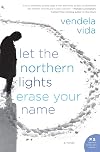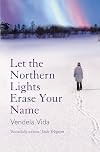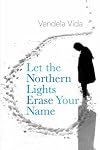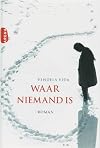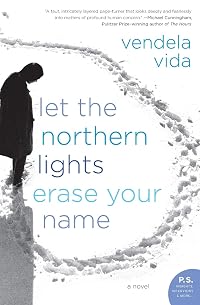
Let the Northern Lights Erase Your Name
by Vendela Vida
On This Page
Description
On the day of her father's funeral, twenty-eight-year-old Clarissa Iver-ton discovers that he wasn't her biological father after all. Her mother disappeared fourteen years earlier, and her fianc has just revealed a life-changing secret to her. Alone and adrift, Clarissa travels to mystical Lapland, where she believes she'll meet her real father. There, at a hotel made of ice, Clarissa is confronted with the truth about her mother's his-tory, and must make a decision about how--and where--to show more live the rest of her life. show lessTags
Recommendations
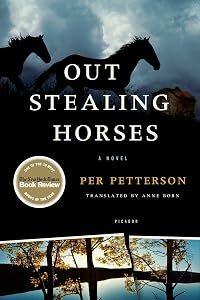
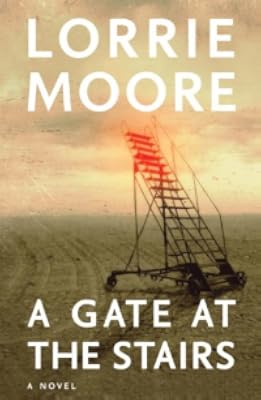
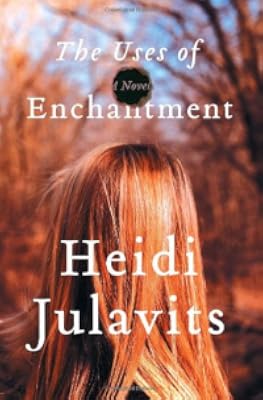
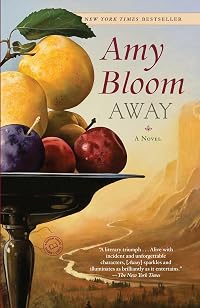
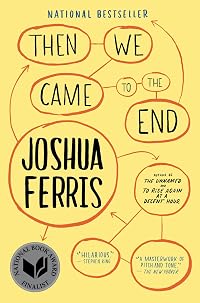
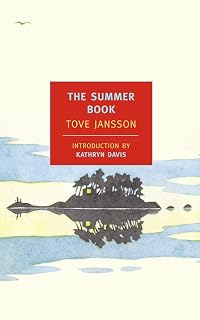
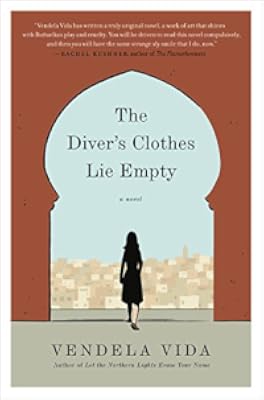
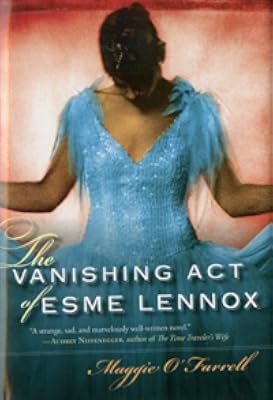
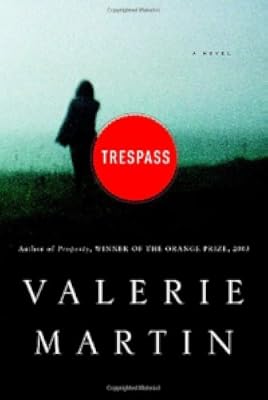
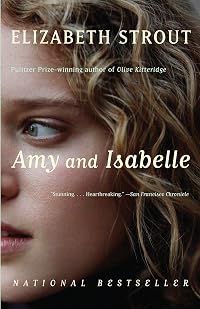
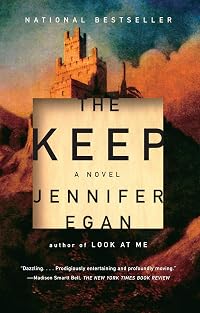
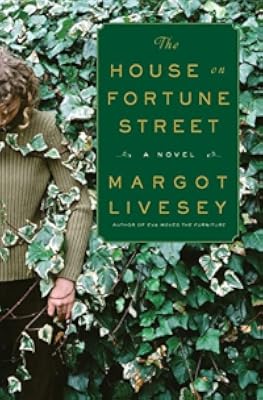


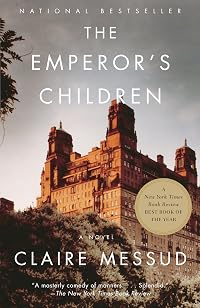

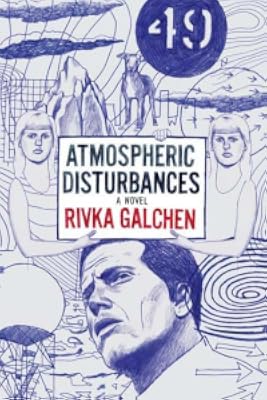
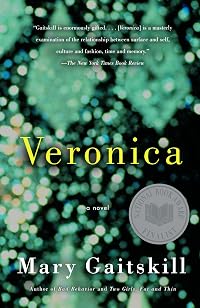
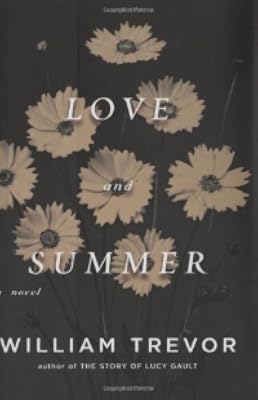





Member Recommendations

Member Reviews
Such clean, strong writing from Vendela Vida, completely in tune with the setting, which is the icy Lapland. The emotions a young woman experiences after her mother abandons their family when she’s a teenager are devastating in almost a quiet way, and Vida was successful in avoiding turning this into melodrama. The young woman discovers a secret about her past and goes searching for her mother, and as it plays out, the parallels of her life to her mother’s are eerie. Sadly one thing in common is rape, and how this is woven into the story is poignant. Vida is a joy to read because her characters feel so honest, nuanced and flawed as they are, and because her prose evokes imagery and a depth of feeling without calling attention to itself.
This short novel only took a lazy Saturday to read. For me, reading it was an opportunity to journey to unknown territory. Set in northernmost Lapland amongst the Samis, it chronicles the protagonist's quest to find her birth father. There is an eerie synchronicity in experience that key characters share. Confronted with unexpected pregnancies, mother and daughter choose different paths to resolving their fates. It was interesting to note that the original version was approximately 100 pages longer. The neatness and simplicity in which the final version of the story is told adds to its allure. Having put it down a few hours ago, I am left with the feeling of having read something quite profound. Both title and inspiration are taken from show more a Sami poem. There is definitely poetry here. show less
I fashion myself a writer. It’s something I wanted to do from the time I was twelve years old. I will admit freely that although I have the desire, I don’t have the skill. I’m okay with that. I wanted to tell you these things because Let the Northern Lights Erase Your Name is the novel I wish I could write.
The protagonist is Clarissa, a woman in her late twenties, who learns that the man she thought was her father was in fact not. This leads her on a journey to find the truth. The core of this novel is self-discovery. It’s about finding you are not who you think you are, then casting everything you do know aside to search for the truth.
This novel was excellent from start to finish. Ms. Vida has a way of engaging the reader. I show more really felt that I knew Clarissa, knew how she came to her conclusions. This novel made me catch my breath. It gave me that tight feeling in my chest. I finished reading it over a month ago and I can still vividly feel Clarissa’s confusion, her hurt and anger, her feelings of hopelessness and uncertainty. This is the kind of novel that is dictated by the character, not the author. I think in the end Clarissa made the best decision for herself, one she has to live with, the one that will make her happy.
I also enjoyed this novel immensely because up until then I never even heard of Lapland or the Sami people. One of my favorite parts of reading is discovering new places. Ms. Vida does a beautiful job of describing this magical land filled with salt of the earth people. I could see the look in Anna Kristine’s dark eyes, I could taste the saltiness of the reindeer meet, feel the chill of the ice hotel.
Even as I write this, I want to pick up this novel and read it again. It’s a complex story simply told. And don’t ask me to borrow my copy, get your own. It’s well worth it. show less
The protagonist is Clarissa, a woman in her late twenties, who learns that the man she thought was her father was in fact not. This leads her on a journey to find the truth. The core of this novel is self-discovery. It’s about finding you are not who you think you are, then casting everything you do know aside to search for the truth.
This novel was excellent from start to finish. Ms. Vida has a way of engaging the reader. I show more really felt that I knew Clarissa, knew how she came to her conclusions. This novel made me catch my breath. It gave me that tight feeling in my chest. I finished reading it over a month ago and I can still vividly feel Clarissa’s confusion, her hurt and anger, her feelings of hopelessness and uncertainty. This is the kind of novel that is dictated by the character, not the author. I think in the end Clarissa made the best decision for herself, one she has to live with, the one that will make her happy.
I also enjoyed this novel immensely because up until then I never even heard of Lapland or the Sami people. One of my favorite parts of reading is discovering new places. Ms. Vida does a beautiful job of describing this magical land filled with salt of the earth people. I could see the look in Anna Kristine’s dark eyes, I could taste the saltiness of the reindeer meet, feel the chill of the ice hotel.
Even as I write this, I want to pick up this novel and read it again. It’s a complex story simply told. And don’t ask me to borrow my copy, get your own. It’s well worth it. show less
Short and spare, there are moments of real beauty in this novel about figuring out who you are when the things you thought you knew about yourself turn out to be lies. Still, there was something distancing about the characters which made it hard to really get swept along.
Let The Northern Lights Erase Your Name is the story of Clarissa Iverson - a twenty-nine year old who discovers, upon her father’s death, that everything she thought was true about her family is not. The novel is narrated by Clarissa who is living with her fiance Pankaj when her father unexpectedly dies. The reader learns that Clarissa’s mother had abandoned her family, leaving her daughter stranded in a mall, 15 years earlier.
Clarissa, echoing her mother’s abandonment, leaves Pankaj without telling him where she is going and flees to Lapland to locate her “real” father. Her journey introduces her to the mystical Samis, the indigenous people who inhabit the Nordic countries of Norway, Sweden, and Finland as well as the far show more northern parts of Russia. As the story progresses, Clarissa begins to uncover not only her mother’s darkest secrets, but her own identity.
Vendela Vida has written a novel about betrayal, family secrets, shame and its aftermath, and the search for identity. Her prose is spare and injected with a sardonic humor which allows Vida to ironically explore the most devastating of human emotions. The character of Clarissa is raw and honest - and despite her flaws and her final decision (which was not completely unexpected), I liked her. Clarissa’s voice is one to which anyone who has experienced loss can relate. She carries the reader through her story with an urgency that is haunting in its appeal.
Vida has created an evocative novel steeped in history and culture. She examines the tough subjects with an honesty which borders on ‘matter-of-fact’ but works for this story. There are not easy answers in this novel which would make it an excellent book to discuss with a reading group. I read Let The Northern Lights Erase Your Name quickly - in the span of one day- because I simply had to know where it would take me. Clarissa is a hard character to forget…I expect I will be thinking of her for quite some time.
Highly recommended. show less
Clarissa, echoing her mother’s abandonment, leaves Pankaj without telling him where she is going and flees to Lapland to locate her “real” father. Her journey introduces her to the mystical Samis, the indigenous people who inhabit the Nordic countries of Norway, Sweden, and Finland as well as the far show more northern parts of Russia. As the story progresses, Clarissa begins to uncover not only her mother’s darkest secrets, but her own identity.
Vendela Vida has written a novel about betrayal, family secrets, shame and its aftermath, and the search for identity. Her prose is spare and injected with a sardonic humor which allows Vida to ironically explore the most devastating of human emotions. The character of Clarissa is raw and honest - and despite her flaws and her final decision (which was not completely unexpected), I liked her. Clarissa’s voice is one to which anyone who has experienced loss can relate. She carries the reader through her story with an urgency that is haunting in its appeal.
Vida has created an evocative novel steeped in history and culture. She examines the tough subjects with an honesty which borders on ‘matter-of-fact’ but works for this story. There are not easy answers in this novel which would make it an excellent book to discuss with a reading group. I read Let The Northern Lights Erase Your Name quickly - in the span of one day- because I simply had to know where it would take me. Clarissa is a hard character to forget…I expect I will be thinking of her for quite some time.
Highly recommended. show less
If there is any flaw at all in this gorgeous novel, it is that it at times can be contrived - especially in the second half. This can be easily excused, though, as the sparse, bare prose of the narrative is captivating. With the pace of a thriller and the depth of a seasoned writer, combined with the luminous imagery of the Nordic area, Vendela Vida nails her subject with power and grace. Sentences are short but pack emotional punch. The drama is high but not over-the-top. The author picks apart human nature with the flair of an anthropologist, making wry observations, while never alienating the audience. Many of the characters make difficult decisions that some readers may dislike, but these decisions are real and relatable. Whether show more describing the lush scenery of Lapland or dwelling on the consequences of past choices, Vida stays rooted in the fundamentals of good writing: strong character development, beautiful sensory imagery, and interesting, but never simplistic, plot. show less
Initially, it was the book's title that caught my attention. Although I think it was a bit of a cheat for Vida to borrow it from a Sami poet, it fit the novel perfectly. Let the Northern Lights Erase Your Name tracks Clarissa Iverton's search for her unknown biological father, the mother who abandoned her when she was 14, and, in the end, her own identity. Her quest takes her to the northermost parts of Lapland, where she encounters Sami culture, an elderly woman healer, and even a snow hotel.
In an interview in the back of the book, Vida says she was surprised that many readers disliked her main character. While I have to agree that her actions were impulsive, reckless, and selfish (and that I didn't find her funny, as Vida intended), show more Clarissa needed to be all of those things to make the necessary connection between her self and her parents. We are what we inherit, and we are what we experience--at least until we make a conscious decision to change.
I started the book while waiting for a flight and had almost finished it by the time I arrived at my destination about four hours later. (Having to wait to get to those last 25 pages was a killer!) It's fast-paced and engaging, and the structure (it's broken into short segments) pulls the reader along. While some readers have complained that they wanted more details, I felt that Vida's crisp, stark style perfectly reflected the strangeness of the landscape, which was bitterly cold, relentlessly dark despite the brilliance of the snow, and often threatening. It wouldn't have been the same book had it been filled with descriptive details; it was meant to focus on Clarissa's personal and emotional journey, and it did. My star rating was held down a bit by some illogical leaps in the plot, a few too many coincidences, and an ending that was a bit too neatly tied up. Still, I'd definitely recommend Let the Northern Lights Erase Your Name. show less
In an interview in the back of the book, Vida says she was surprised that many readers disliked her main character. While I have to agree that her actions were impulsive, reckless, and selfish (and that I didn't find her funny, as Vida intended), show more Clarissa needed to be all of those things to make the necessary connection between her self and her parents. We are what we inherit, and we are what we experience--at least until we make a conscious decision to change.
I started the book while waiting for a flight and had almost finished it by the time I arrived at my destination about four hours later. (Having to wait to get to those last 25 pages was a killer!) It's fast-paced and engaging, and the structure (it's broken into short segments) pulls the reader along. While some readers have complained that they wanted more details, I felt that Vida's crisp, stark style perfectly reflected the strangeness of the landscape, which was bitterly cold, relentlessly dark despite the brilliance of the snow, and often threatening. It wouldn't have been the same book had it been filled with descriptive details; it was meant to focus on Clarissa's personal and emotional journey, and it did. My star rating was held down a bit by some illogical leaps in the plot, a few too many coincidences, and an ending that was a bit too neatly tied up. Still, I'd definitely recommend Let the Northern Lights Erase Your Name. show less
Members
- Recently Added By
Published Reviews
ThingScore 92
Shortly after the death of her father, Clarissa Iverton, the doleful narrator of Vida's angular second novel, discovers that he was not, in fact, her father. Abruptly abandoned by her restless mother when she was 14, Clarissa abruptly abandons her doting fiancé, travels to the far northern reaches of Scandinavia--where her mother had lived as a young woman--and begins searching for her lost show more birth parents. The urgency of Clarissa's quest never quite snaps into focus, but this novel's evanescent beauty is contained in prose as cool and crystalline as the ice hotel where she spends a night.
B+ show less
B+ show less
added by sduff222
When New Yorker Clarissa Iverton happens upon her birth certificate, she realizes that everyone she trusts, including her freshly deceased dad, knows that her biological father was a man she's never met. Since her mother walked out years earlier, Clarissa, the protagonist of Vida's accomplished second novel, must go to Finland to find the stranger who fathered her.
Vida, who is married to Dave show more Eggers, propels Clarissa alone into the dark snowscape where her birth secrets are buried. She perfectly captures the emotional dimension of Clarissa's search, showing that the truth, no matter how pockmarked, is preferable to fiction. show less
Vida, who is married to Dave show more Eggers, propels Clarissa alone into the dark snowscape where her birth secrets are buried. She perfectly captures the emotional dimension of Clarissa's search, showing that the truth, no matter how pockmarked, is preferable to fiction. show less
added by sduff222
This emotional core makes the book much more than an Edward Gorey comic strip. Take away the exotic setting and circumstance and you have a relentlessly believable story of a child’s futile struggle to, well, “be loved.” Enough children have to make their way through the world without nurture for this tale to strike a common chord, although Vida’s declared motives are a bit more show more abstract. In a brief afterword, she acknowledges “Against Narrativity,” an essay by Galen Strawson, as an inspiration for this novel; it made her “curious about the kind of person who would see their past as unconnected to their present.” Finally we understand that Clarissa’s mother is acting out a refusal to be a victim of her history. In the end, Clarissa does the same, almost — but, crucially, not quite — as ruthlessly. A Sami shaman who turns out not to be her father tells her of the northern lights, “We believe they are our ancestors.” Whatever sense Clarissa wins of her origins is just as brilliant, and as distant, as that. show less
added by sduff222
Lists

Best 21st Century Books (So Far)
670 works; 86 members

Top Five Books of 2014
1,064 works; 398 members

Books Set in the Polar Regions
16 works; 6 members
Talk Discussions
Past Discussions
Something about footsteps in snow/"literary" fiction in Name that Book (March 2014)
Author Information

46+ Works 3,023 Members
Some Editions
Awards and Honors
Common Knowledge
- Canonical title
- Let the Northern Lights Erase Your Name
- Original title
- Let the Northern Lights Erase Your Name
- Original publication date
- 2007
- People/Characters
- Clarissa; Pankaj; Gita
- Important places
- Finland; Lapland, Finland
Classifications
Statistics
- Members
- 831
- Popularity
- 33,161
- Reviews
- 58
- Rating
- (3.62)
- Languages
- 7 — Chinese, traditional, Dutch, English, French, German, Italian, Norwegian
- Media
- Paper, Ebook
- ISBNs
- 12
- ASINs
- 6