On This Page
Description
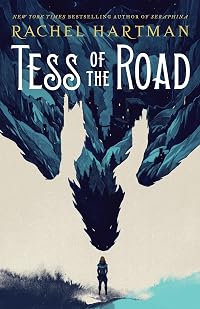
In the medieval kingdom of Goredd, women are expected to be ladies, men are their protectors, and dragons can be whomever they choose. Tess speaks out of turn, has wild ideas, and can't seem to keep out of trouble. When Tess's family decides the only path for her is a nunnery, she chooses a different path for herself. She cuts her hair, pulls on her boots, and sets out on a journey. The open road is a map to somewhere else--a life where she might belong.Tags
Recommendations




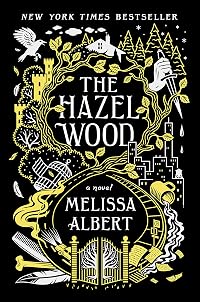
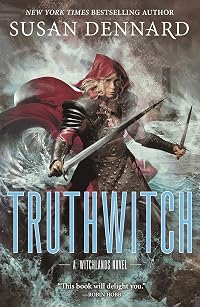
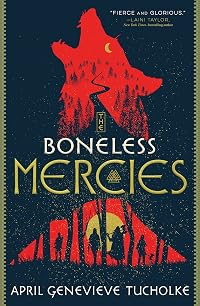
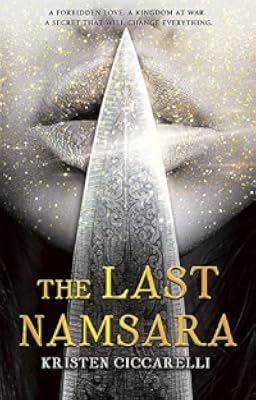
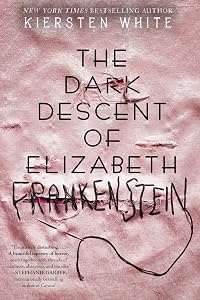
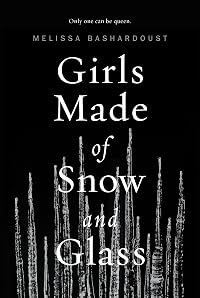
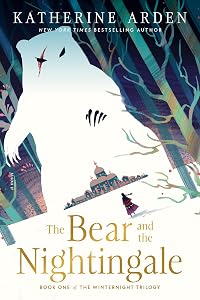
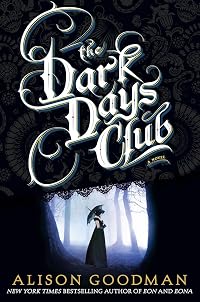
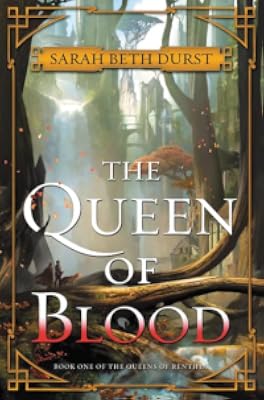
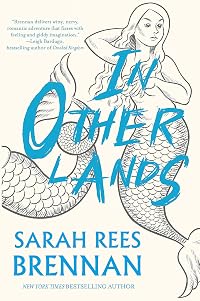
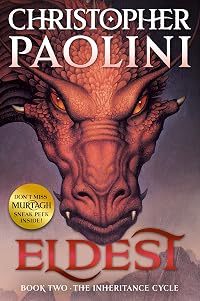
Member Recommendations
Member Reviews
This was likely the best book I read all year. What a surprising gem hidden in a YA Fantasy guise. There's so much more here, honestly. It's refreshing to find an author who can write with wit and pain and a deep understanding of theme. By all accounts this is a pristine example of character-driven fantasy, but it excels because it is so much more.
I would warn readers not to pick this up if you expect any action in the least. While there is a great wealth to be found, it is almost all internal. Honestly, this book deserves either 5 stars or 1 star depending on how you approach that aspect alone.
I would warn readers not to pick this up if you expect any action in the least. While there is a great wealth to be found, it is almost all internal. Honestly, this book deserves either 5 stars or 1 star depending on how you approach that aspect alone.
At first, I found this book plodding and a little obvious, but once Tess actually goes on the road, it steadily gets better and better until you're reading something quite special. It's kind of a fantasy riff on Tess of the D'Urbervilles, in big ways and small was, from the double standard of premarital sex for men and women to the solace of physical labor. Seventeen-year-old Tess, always the "bad twin," finally runs away from home shortly after her "good" sister gets married, escaping a negligent father and stringent mother. She teams up with a lizard creature, pretends to be a man, learns the joys of construction work, seeks out the Serpent that birthed the world, learns that sex can be more than she thought, and learns something show more about herself and the world. With the exception of one bit in the middle where I found the logistics wonky (how did she find time to work on farms while trailing the two ne'er-do-wells, and why did they tolerate her?), I really enjoyed Tess's trek; it's the best sort of travel narrative. My main reservation would be that I feel like it's the kind of YA novel that's not actually for young adults, but for the adults who read YA. But I guess I am an adult reading YA, so... show less
When I first read Tess of the Road, I was absolutely enamored of it. There are so many subtle themes to this book that aren’t in most fantasy… but more than it all, I loved Tess. Reading a book in different formats can have different results, so I worried a little that I wouldn’t love it as much.
Absolute foolishness. I love everything Tess Dombegh and I am here for this book again and again and again. It was such a treat to come back to Tessie and experience her exhaustion and pain and hope all over again. The re-read cemented this book even more firmly into my all time favorites. It’s the type of book that I want to pick apart and discuss the minutia.
I can still appreciate how this book won’t work for everyone – it’s show more admittedly slow paced and the struggles internalized… which is somewhat less sensational than external struggle… but I think it’s still a beautiful, inspirational story. I chuckled and I cried and I still love this book so much.
_____________________
Original Review (1/12/2018)
This is going to be a very difficult review to write.
Tess of the Road filled a void for me that won't (I hope) exist for most people, and because of that, Tess is my soul. I'm convinced there must be a better word in German to describe how much I love Tess Dombegh and how much I am Tess Dombegh. I can't find it, so I will try to explain.
I have felt Tess' pain. I have known Tess' rejection. Although she has certainly had greater misfortune than me (and certainly greater adventure) her heart is my heart in countless ways. I have forced myself to find the strength to let the Road carry me until the Road itself became the reason. I love Tess Dombegh more than any other character I have ever met.
Because of this, my review is going to be skewed. It's going to be praise through-and-through. I am completely unable to be objective about this book because I needed it with every fiber of my being. I have met books that I have loved, I have met books that I will forever cherish, but never before have I met a book that I felt was written for me.
1. If you are going into Tess of the Road expecting the adventure and political tensions of Seraphina, you will be hopelessly disappointed. Tess of the Road is a story about an individual, not a country. It is about healing and growth. As a reader, I love character driven books, and even if I did not relate as heavily to Tess as I do, this would not have been a problem for me.
2. I really appreciate the rawness of this story. Never once does Rachel Hartman glorify any experience Tess has been through. Never once does she force an ideal upon the reader. We follow Tess completely and watch as she untangles her own thoughts to find that medium between right and wrong. And not a single time is that ideal pushed upon the reader, because we see Tess suffer with all of them.
3. I really love the inclusion of the quigtl in this one. I found them fascinating in Seraphina and wanted to see more of them (I haven't read Shadow Scale yet). Pathka and Kikiu are great characters in their own rights, and I love seeing Tess's interactions with them, even when she does harm.
4. Throughout the book, I kept waiting to run into Will, and I was so pleased that it didn't happen. This may be a little bit spoilery, but I think it was so good that Hartman kept Will in Tess's past rather than weaving him into her present just because it would be an interesting twist.
5. The emotional transformation of Tess is so subtle, and it's perfect. I don't recall the moment when Tess stopped making her morning promise, only that I reached the end of the book and it occurred to me that she didn't need them anymore. The handling of her grief is so true and real and perfect. Modern society has no time for grief (I took a month for physical and emotional recovery, and I am an exception), but most people lock it away. Tess has bottled hers for years until it shattered her. It's almost a cautionary tale of the importance of grief and self-care.
6. Also, lets talk about Tess for a second. She's an incredible character. Tess is strong, brave, honest when it matters, clever, and makes her own messes. I love every bit of her. She doesn't shy away from hard work and she doesn't leave a friend in need.
7. The word "selfish" gets thrown around a lot in this book, but I think it really comes down to not being "selfless". This is a HUGE problem in our society where self-care can be perceived as selfishness. I loved this underlying theme because I think selfishness/taking care of ourselves is a struggle most people can relate to. When Tess makes her decision regarding Jeanne, it's not because Tess is greedily taking all the love and attention and adventures for her own ego - it's because she can't bear another moment and knows she isn't truly needed. Tess isn't selfish and neither are most of us. I think a lot of us need to reflect on that word and realign out meanings.
8. The Road is so intriguing. How difficult it must be to leave everything behind and go only where the Road takes us? I envy Tess' courage, and I love journey stories. If you don't like books with a lot of traveling, Tess of the Road isn't a good fit for you. The Road itself becomes a characters in this novel, and although there are discussions and flashbacks and side adventures to be have, this book is a journey and I delighted in every step.
9. I think that I would argue the age group of this book - while Tess of the Road definitely could be read by the YA audience, it's subject matter seems closer to an adult book. It's mature and serious, a far cry from the fluffy relationships we see in a lot of YA. I would trigger warn for grief, loss, elder abuse, miscarriage, still birth, and rape (though this is very subtle). Keep in mind that all these things are addressed in a very mature manner, but they are present.
10. This book made me cry every time I sat down to read it. Maybe it was just because of how much I relate to Tess, but I have never cried this much during a book. I rarely cry for books.
11. Tess and Pathka's journey to find the World Serpents is not just a journey of healing for Tess - it becomes a philosophical and religious experience - especially for Pathka. I adore philosophical discussions in books and religion has always been a very central part of this world (Saint Seraphina...). This book is not just an adventure story - there are a lot of philosophical discussions about origin and belief and right and wrong that I thought were fabulous.
Tess of the Road is going to have a specific audience. It is brilliantly written, but I also feel that a lot of the YA community will be bored by it. And it's a shame, because if you sit down and open your mind, it's an amazing book. Everything in me wants to start reading it over again right this very moment. I really, truly, and genuinely loved it. This didn't feel like a 500+ word book to me - this felt like a journey and I was bummed when it was over. I want more, I need more. And I need Tess to materialize into a real person so I can hug her and we can weep together. show less
Absolute foolishness. I love everything Tess Dombegh and I am here for this book again and again and again. It was such a treat to come back to Tessie and experience her exhaustion and pain and hope all over again. The re-read cemented this book even more firmly into my all time favorites. It’s the type of book that I want to pick apart and discuss the minutia.
I can still appreciate how this book won’t work for everyone – it’s show more admittedly slow paced and the struggles internalized… which is somewhat less sensational than external struggle… but I think it’s still a beautiful, inspirational story. I chuckled and I cried and I still love this book so much.
_____________________
Original Review (1/12/2018)
This is going to be a very difficult review to write.
Tess of the Road filled a void for me that won't (I hope) exist for most people, and because of that, Tess is my soul. I'm convinced there must be a better word in German to describe how much I love Tess Dombegh and how much I am Tess Dombegh. I can't find it, so I will try to explain.
I have felt Tess' pain. I have known Tess' rejection. Although she has certainly had greater misfortune than me (and certainly greater adventure) her heart is my heart in countless ways. I have forced myself to find the strength to let the Road carry me until the Road itself became the reason. I love Tess Dombegh more than any other character I have ever met.
Because of this, my review is going to be skewed. It's going to be praise through-and-through. I am completely unable to be objective about this book because I needed it with every fiber of my being. I have met books that I have loved, I have met books that I will forever cherish, but never before have I met a book that I felt was written for me.
1. If you are going into Tess of the Road expecting the adventure and political tensions of Seraphina, you will be hopelessly disappointed. Tess of the Road is a story about an individual, not a country. It is about healing and growth. As a reader, I love character driven books, and even if I did not relate as heavily to Tess as I do, this would not have been a problem for me.
2. I really appreciate the rawness of this story. Never once does Rachel Hartman glorify any experience Tess has been through. Never once does she force an ideal upon the reader. We follow Tess completely and watch as she untangles her own thoughts to find that medium between right and wrong. And not a single time is that ideal pushed upon the reader, because we see Tess suffer with all of them.
3. I really love the inclusion of the quigtl in this one. I found them fascinating in Seraphina and wanted to see more of them (I haven't read Shadow Scale yet). Pathka and Kikiu are great characters in their own rights, and I love seeing Tess's interactions with them, even when she does harm.
4. Throughout the book, I kept waiting to run into Will, and I was so pleased that it didn't happen. This may be a little bit spoilery, but I think it was so good that Hartman kept Will in Tess's past rather than weaving him into her present just because it would be an interesting twist.
5. The emotional transformation of Tess is so subtle, and it's perfect. I don't recall the moment when Tess stopped making her morning promise, only that I reached the end of the book and it occurred to me that she didn't need them anymore. The handling of her grief is so true and real and perfect. Modern society has no time for grief (I took a month for physical and emotional recovery, and I am an exception), but most people lock it away. Tess has bottled hers for years until it shattered her. It's almost a cautionary tale of the importance of grief and self-care.
6. Also, lets talk about Tess for a second. She's an incredible character. Tess is strong, brave, honest when it matters, clever, and makes her own messes. I love every bit of her. She doesn't shy away from hard work and she doesn't leave a friend in need.
7. The word "selfish" gets thrown around a lot in this book, but I think it really comes down to not being "selfless". This is a HUGE problem in our society where self-care can be perceived as selfishness. I loved this underlying theme because I think selfishness/taking care of ourselves is a struggle most people can relate to. When Tess makes her decision regarding Jeanne, it's not because Tess is greedily taking all the love and attention and adventures for her own ego - it's because she can't bear another moment and knows she isn't truly needed. Tess isn't selfish and neither are most of us. I think a lot of us need to reflect on that word and realign out meanings.
8. The Road is so intriguing. How difficult it must be to leave everything behind and go only where the Road takes us? I envy Tess' courage, and I love journey stories. If you don't like books with a lot of traveling, Tess of the Road isn't a good fit for you. The Road itself becomes a characters in this novel, and although there are discussions and flashbacks and side adventures to be have, this book is a journey and I delighted in every step.
9. I think that I would argue the age group of this book - while Tess of the Road definitely could be read by the YA audience, it's subject matter seems closer to an adult book. It's mature and serious, a far cry from the fluffy relationships we see in a lot of YA. I would trigger warn for grief, loss, elder abuse, miscarriage, still birth, and rape (though this is very subtle). Keep in mind that all these things are addressed in a very mature manner, but they are present.
10. This book made me cry every time I sat down to read it. Maybe it was just because of how much I relate to Tess, but I have never cried this much during a book. I rarely cry for books.
11. Tess and Pathka's journey to find the World Serpents is not just a journey of healing for Tess - it becomes a philosophical and religious experience - especially for Pathka. I adore philosophical discussions in books and religion has always been a very central part of this world (Saint Seraphina...). This book is not just an adventure story - there are a lot of philosophical discussions about origin and belief and right and wrong that I thought were fabulous.
Tess of the Road is going to have a specific audience. It is brilliantly written, but I also feel that a lot of the YA community will be bored by it. And it's a shame, because if you sit down and open your mind, it's an amazing book. Everything in me wants to start reading it over again right this very moment. I really, truly, and genuinely loved it. This didn't feel like a 500+ word book to me - this felt like a journey and I was bummed when it was over. I want more, I need more. And I need Tess to materialize into a real person so I can hug her and we can weep together. show less
In the medieval kingdom of Goredd, women are expected to be ladies, men are their protectors, and dragons get to be whomever they want. Tess, stubbornly, is a troublemaker. You can’t make a scene at your sister’s wedding and break a relative’s nose with one punch (no matter how pompous he is) and not suffer the consequences. As her family plans to send her to a nunnery, Tess yanks on her boots and sets out on a journey across the Southlands, alone and pretending to be a boy.
Where Tess is headed is a mystery, even to her. So when she runs into an old friend, it’s a stroke of luck. This friend is a quigutl–a subspecies of dragon–who gives her both a purpose and protection on the road. But Tess is guarding a troubling secret. show more Her tumultuous past is a heavy burden to carry, and the memories she’s tried to forget threaten to expose her to the world in more ways than one.
MY THOUGHTS:
I was sent this book in exchange for my honest review.
I would recommend reading Seraphina and its sequel in order to understand the world that Tess lives in.
For the life of me, I don’t know why people can’t read a book just for its simple enjoyment. I also don’t understand why a female Protagonist can’t be liked, readers often love a male Protagonist with the same personality traits.
I, however, enjoyed the sassy, sullen and angry Tess. She had good cause to be angry. She lived in a time where women were expected to be a certain way, which was not her way. However, if a man lived and did what she’d done throughout the book, they would have received a slap on the back and given credit from, forgive me, the “Good Ole Boys’ Club.”
Her family tells her she’s ruined, no man will want her and that she needs to go live in a convent? Seriously? If a boy had sex at the age of thirteen, he’d be cheered and told “He’s da man!” Okay, okay, thirteen is too young I know this, but my point is, this book focuses on the double standards women of this land and time have to face. The only solution Tess can think of to avoid a life in a convent is to hit the road, and yup, dress like a man…
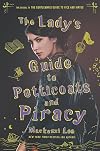
The title is appropriately labeled, “Tess of the Road.” So for all you people who complain that it’s misleading and not what you thought but a book about Tess walking a road, well duh, it’s in the title… The metaphor is that Tess is on a road to self-discovery. The dragon is symbolic to the inner struggles she constantly deals with and how she resolves them. People complaining about the book cover being misleading missed this. There are still dragons in this book, they are in the guise of inner-struggles, the dragons within.
I love how Tess doesn’t conform easily, that her curiosity and outspokenness keeps her reaching constantly for more out of life. She is obviously frustrated with the sexism of her world and the constraints this shortcoming puts on women. She’s defiant, brusque, and nonconforming. This could make some not like her character.
The irony of a male priest telling Tess how she should behave when it comes to men and women… I wanted to punch him too. I however, found this refreshing. Some of the subject matter regarding sex has been thought risky for a YA… are you kidding me. Teens today are doing far worse.
I love the writing. Sure, there are a few issues that I have trouble with, but overall, this is a simple, enjoyable read. Flashbacks are not necessarily the best way to explain the present situation, but in this book, they were effective. The character development was steady, moving in various directions, again I didn’t necessarily agree with but they were entertaining. show less
Where Tess is headed is a mystery, even to her. So when she runs into an old friend, it’s a stroke of luck. This friend is a quigutl–a subspecies of dragon–who gives her both a purpose and protection on the road. But Tess is guarding a troubling secret. show more Her tumultuous past is a heavy burden to carry, and the memories she’s tried to forget threaten to expose her to the world in more ways than one.
MY THOUGHTS:
I was sent this book in exchange for my honest review.
I would recommend reading Seraphina and its sequel in order to understand the world that Tess lives in.
For the life of me, I don’t know why people can’t read a book just for its simple enjoyment. I also don’t understand why a female Protagonist can’t be liked, readers often love a male Protagonist with the same personality traits.
I, however, enjoyed the sassy, sullen and angry Tess. She had good cause to be angry. She lived in a time where women were expected to be a certain way, which was not her way. However, if a man lived and did what she’d done throughout the book, they would have received a slap on the back and given credit from, forgive me, the “Good Ole Boys’ Club.”
Her family tells her she’s ruined, no man will want her and that she needs to go live in a convent? Seriously? If a boy had sex at the age of thirteen, he’d be cheered and told “He’s da man!” Okay, okay, thirteen is too young I know this, but my point is, this book focuses on the double standards women of this land and time have to face. The only solution Tess can think of to avoid a life in a convent is to hit the road, and yup, dress like a man…
The title is appropriately labeled, “Tess of the Road.” So for all you people who complain that it’s misleading and not what you thought but a book about Tess walking a road, well duh, it’s in the title… The metaphor is that Tess is on a road to self-discovery. The dragon is symbolic to the inner struggles she constantly deals with and how she resolves them. People complaining about the book cover being misleading missed this. There are still dragons in this book, they are in the guise of inner-struggles, the dragons within.
I love how Tess doesn’t conform easily, that her curiosity and outspokenness keeps her reaching constantly for more out of life. She is obviously frustrated with the sexism of her world and the constraints this shortcoming puts on women. She’s defiant, brusque, and nonconforming. This could make some not like her character.
The irony of a male priest telling Tess how she should behave when it comes to men and women… I wanted to punch him too. I however, found this refreshing. Some of the subject matter regarding sex has been thought risky for a YA… are you kidding me. Teens today are doing far worse.
I love the writing. Sure, there are a few issues that I have trouble with, but overall, this is a simple, enjoyable read. Flashbacks are not necessarily the best way to explain the present situation, but in this book, they were effective. The character development was steady, moving in various directions, again I didn’t necessarily agree with but they were entertaining. show less
When this story begins, the titular character has already suffered the demise of all her hopes and dreams. Tess is only seventeen, but she has lost her first love, lost her virginity, and lost the illegitimate child her ill-fated union produced. She is now at the heart of a cover up, as her entire family's survival depends upon her secret never being revealed. She has committed all her ability to seeing her twin sister gets advantageously married so that her younger brothers can be educated.
After the calamitous events of her sister's wedding day, Tess is wrung out with grief and rejection. Now that her sister is married, she can see very little future for herself. Likely she will be shipped off to a nunnery where her parents can count show more on her being successfully contained for the rest of her days. But in a moment of hopeless rebellion, she puts on men's clothing and sets out on the road to find her own adventure.
Soon she meets up with a long-lost friend, a dragonkin whose life she saved long ago. Together, they decide to pursue one of the world serpents - long thought to be a legend by humans. On this journey, Tess will learn many things about the nature of the world and will finally have a chance to come to know herself.
I don't often like YA novels, but this is a very well constructed and compelling story about a very flawed protagonist who the reader still pulls for even as she makes increasingly disastrous choices. show less
After the calamitous events of her sister's wedding day, Tess is wrung out with grief and rejection. Now that her sister is married, she can see very little future for herself. Likely she will be shipped off to a nunnery where her parents can count show more on her being successfully contained for the rest of her days. But in a moment of hopeless rebellion, she puts on men's clothing and sets out on the road to find her own adventure.
Soon she meets up with a long-lost friend, a dragonkin whose life she saved long ago. Together, they decide to pursue one of the world serpents - long thought to be a legend by humans. On this journey, Tess will learn many things about the nature of the world and will finally have a chance to come to know herself.
I don't often like YA novels, but this is a very well constructed and compelling story about a very flawed protagonist who the reader still pulls for even as she makes increasingly disastrous choices. show less
Got this as part of the 2019 Hugo Awards packet. I ran out of time to read it for the voting, but have finally read it. Let’s just say I wouldn’t have rated it for an award.
It’s mid-series, and frankly it shows. I also found the world-building somewhat suspect; the local religions seem to be old-style Irish Catholicism with the serial numbers filed off with added dragons and draconoids. It’s also too much of a YA misery memoir; it’s supposed to be uplifting but frankly the ending doesn’t make up for the rest of the story.
Not something I want to continue with.
It’s mid-series, and frankly it shows. I also found the world-building somewhat suspect; the local religions seem to be old-style Irish Catholicism with the serial numbers filed off with added dragons and draconoids. It’s also too much of a YA misery memoir; it’s supposed to be uplifting but frankly the ending doesn’t make up for the rest of the story.
Not something I want to continue with.
I won't lie: I went straight into this book expecting it to be just like the other two books that Hartman wrote in this same universe. I was ready for this to be a fantasy quest with all the fine and fascinating twists upon tropes, with all the same sense of brightness-amid-the-grime, all the same hope and delight.
This is a much different book than I expected. Much harder, much grimmer in places, and I would even go so far as to say triggery, as it deals with consent and sexual assault and gender and trauma in ways that are deeply personal. It was, at times, difficult to read because the richness this time is more about emotions than world. It's set in the world we all know, if we've read Seraphina and Shadow Scale, but follows show more Seraphina's younger half-sister, Tess, who takes to the titular road early on, running away from herself as well as her family.
Hartman, by now, has a tradition of young and unreliable narrators and does not, this time, reveal the truth about Tess so quickly as she did about Seraphina in the first volume. As a result, it's even harder to settle into Tess' narration -- it's hard to like Tess, as a reader, because Tess doesn't like herself. But, you might guess, that emotional state has to change and it's that kind of journey that the novel takes us on. In the end, it's just as brilliant as Hartman's other work -- and more brutal and human than one might expect from an author billed as a YA fantasy writer. Don't underestimate Rachel Hartman or her genre, though. In the end, this is extraordinary stuff. show less
This is a much different book than I expected. Much harder, much grimmer in places, and I would even go so far as to say triggery, as it deals with consent and sexual assault and gender and trauma in ways that are deeply personal. It was, at times, difficult to read because the richness this time is more about emotions than world. It's set in the world we all know, if we've read Seraphina and Shadow Scale, but follows show more Seraphina's younger half-sister, Tess, who takes to the titular road early on, running away from herself as well as her family.
Hartman, by now, has a tradition of young and unreliable narrators and does not, this time, reveal the truth about Tess so quickly as she did about Seraphina in the first volume. As a result, it's even harder to settle into Tess' narration -- it's hard to like Tess, as a reader, because Tess doesn't like herself. But, you might guess, that emotional state has to change and it's that kind of journey that the novel takes us on. In the end, it's just as brilliant as Hartman's other work -- and more brutal and human than one might expect from an author billed as a YA fantasy writer. Don't underestimate Rachel Hartman or her genre, though. In the end, this is extraordinary stuff. show less
Members
- Recently Added By
Published Reviews
ThingScore 100
Tess of the Road is astonishing and perfect.
added by g33kgrrl
I loved Tess of the Road with the strength of a thousand dragons.
It is not an easy read and it’s not a straightforward read but it is a very rewarding read. It’s less fantastical than I was expecting but it is still more than I was expecting in every single way.
It is not an easy read and it’s not a straightforward read but it is a very rewarding read. It’s less fantastical than I was expecting but it is still more than I was expecting in every single way.
added by g33kgrrl
Like Tess’ journey, surprising, rewarding, and enlightening, both a fantasy adventure and a meta discourse on consent, shame, and female empowerment.
NAMED ONE OF THE BEST BOOKS OF 2018
NAMED ONE OF THE BEST BOOKS OF 2018
added by g33kgrrl
Lists

Favorite Long Books
330 works; 42 members

Top Five Books of 2018
802 works; 265 members

Around The Middle Ages
5 works; 1 member

BBA Potential: Young Adult
22 works; 2 members

Fantasy with Rulers (and some Sci-fi rulers, too)
56 works; 1 member

Fantasy Fiction
69 works; 3 members

Series
86 works; 2 members

Hugo Award 2019 Reading List
126 works; 4 members

Books Read in 2018
4,360 works; 110 members

Litsy Awards 2018
248 works; 9 members

Books Read in 2019
4,052 works; 110 members

Literature About Women and Girls
394 works; 39 members

Fiction with Women's Names in the Title
378 works; 15 members

hypatian_kat to-read
429 works; 3 members
Author Information

10+ Works 7,302 Members
Rachel Hartman was born in Kentucky but has lived in several places including Chicago, Philadelphia, England and Japan. She has a BA in Comparative Literature. After graduating she began drawing comic books. Her title Shadow Scale made The New York Times Best Seller List in 2015. (Bowker Author Biography)
Awards and Honors
Awards
Distinctions
Series


Common Knowledge
- Canonical title
- Tess of the Road
- Original publication date
- 2018
- People/Characters
- Tess Dombegh
- Dedication
- For Scott, who's been on this road with me a very long time
- First words
- When Tessie Dombegh was six and still irrepressible, she married her twin sister, Jeanne, in the courtyard of their childhood home.
- Last words
- (Click to show. Warning: May contain spoilers.)Tess turned her face to the wind with an irrepressible grin as the world set itself in motion around her.
Classifications
- Genres
- Fiction and Literature, Fantasy, Teen, Young Adult
- DDC/MDS
- 813.6 — Literature & rhetoric American literature in English American fiction in English 2000-
- LCC
- PZ7 .H26736 .T — Language and Literature Fiction and juvenile belles lettres Fiction and juvenile belles lettres Juvenile belles lettres
- BISAC
Statistics
- Members
- 1,054
- Popularity
- 24,421
- Reviews
- 71
- Rating
- (3.96)
- Languages
- English, Korean, Spanish
- Media
- Paper, Audiobook, Ebook
- ISBNs
- 20
- ASINs
- 3
