The Dog Who Wouldn't Be
by Farley Mowat
On This Page
Description
The heartwarming, classic true story of a dog who didn't understand he's a dog-and the imaginative boy who loved him. Funny and poignant, The Dog Who Wouldn't Be is a lively portrait of an unorthodox childhood and an unforgettable friendship. Growing up in on the frontier of Saskatoon, Canada, the legendary adventurer and naturalist, Farley Mowat, received a gift from his mom: a dog she bought for four cents. Farley quickly named him "Mutt." Mutt displayed skills at hunting and retrieving show more that were either pure genius or just plain crazy-once going so far as to retrieve a plucked and trussed ruffed grouse from the grocer. Mutt also loved riding passenger in an open car wearing goggles and climbing both trees and ladders - the perfect companion for a child with a love for animals and misadventures. show lessTags
Recommendations
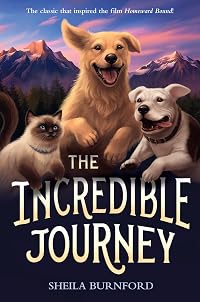
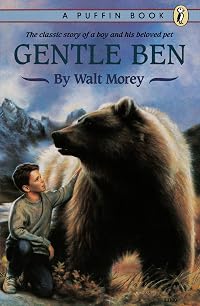
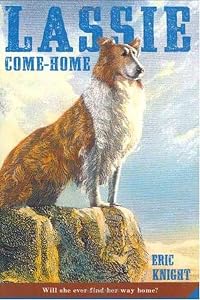
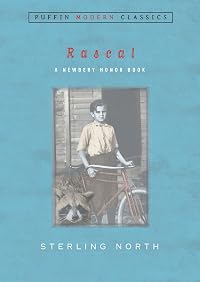














Member Recommendations

Member Reviews
How much of Farley Mowat's The Dog Who Wouldn't Be is imaginative exaggeration? It is hard to say, but nevertheless it is a delightful read for all ages. Mowat looks back at his childhood in Saskatoon with his faithful dog, Mutt, at his side. The addition of "four cent" Mutt, a goofy, intelligent pup full of personality, lends humor into an otherwise typical 1930s household. Mutt has a personality all his own and often gets his loyal and loving family in trouble, especially while duck hunting, tangling with skunks and anything having to do with boats. Every member of the Mowat family bonds with Mutt in special ways but my favorite stories centered around a pair of mischievous owls, Wols and Weeps, who the Mowat family somehow adopts. show more
Disclaimer: The Dog Who Wouldn't Be is a bit dated. Hunting practices have changed and leash laws abound these days. The carefree attitudes of the 1930s are a thing of the past.
Confessional: I unexpectedly shed a few tears at the end of The Dog Who Wouldn't Be. Like all young children with pets, they grow up and leave their animal behind. Humans outlast most furry friends, after all. I knew Mutt was getting old so I was expecting that kind of coming of age, circle of life ending. Not even close. No spoiler alert needed. Just read the book. show less
Disclaimer: The Dog Who Wouldn't Be is a bit dated. Hunting practices have changed and leash laws abound these days. The carefree attitudes of the 1930s are a thing of the past.
Confessional: I unexpectedly shed a few tears at the end of The Dog Who Wouldn't Be. Like all young children with pets, they grow up and leave their animal behind. Humans outlast most furry friends, after all. I knew Mutt was getting old so I was expecting that kind of coming of age, circle of life ending. Not even close. No spoiler alert needed. Just read the book. show less
How dare I give such an accomplished author as Farley Mowat fewer than five stars! Well, the stars are supposed to indicate the extent to which a reader enjoys a book, not how technically adroit the writer may be, and I am sufficiently judgmental (as well as egotistical) to observe that I thoroughly disapprove of the human behavior in a few of the episodes related in The Dog Who Wouldn't Be.
Before relating examples of that behavior, let me hasten to say that I find Mowat's writing style thoroughly enjoyable. His ability to inject humor into almost any description or narrative is admirable and a pleasure to read. I believe that I'd personally classify the book as a quasi-fictional memoir, i.e., a memoir that relates factual events in the show more author's life but is fictionalized to the extent that otherwise serious events are related in a decidedly creative and humorous way. I'm thoroughly impressed by Mowat's skill as a creative writer, and, were that my sole criterion, I should certainly have given the book a well-deserved five star rating.
Why do I assign fewer stars? Shooting geese and ducks, particularly when some are only wounded and cannot be retrieved to be killed and thereby to have their pain ended is an abhorrent practice. To allow and perhaps even encourage dogs to chase and attack cats is equally disgusting and displays thorough ignorance of what canine behavior can be with proper human guidance. Allowing a dog to run free through strange communities and even rural areas crossed by roads traversed by careless and dangerous drivers is irresponsible to say the least, and it is such irresponsibility that leads to Mutt's premature death.
Inasmuch as events such as these are recollected from the author's boyhood, I cannot justly place blame on the writer himself for he was surely too young and inexperienced to have recognized the culpability that humans bear in allowing these situations to persist. The blame falls on Mowat's parents, yet I cannot bring myself to totally absolve the child. After all, even after he had grown to adulthood and had begun writing professionally, Mowat apparently felt no remorse for his youthful irresponsibilities and felt them worthy of humorous treatment in the book. Their inclusion certainly inhibited my enjoyment of the memoir.
In brief then, The Dog Who Wouldn't be is an outstanding example of a creative memoir suffused throughout with humor, and the author's style is enjoyable to read. However, I find the book flawed by the inclusion of some events that are a poor choice for “humorization.” Mutt's death, of course, is not treated humorously and leaves the reader sad but even more indignant since the death resulted from human irresponsibility and was entirely preventable. Perhaps readers should look at Mowat's other published works before passing final judgment on the writer. show less
Before relating examples of that behavior, let me hasten to say that I find Mowat's writing style thoroughly enjoyable. His ability to inject humor into almost any description or narrative is admirable and a pleasure to read. I believe that I'd personally classify the book as a quasi-fictional memoir, i.e., a memoir that relates factual events in the show more author's life but is fictionalized to the extent that otherwise serious events are related in a decidedly creative and humorous way. I'm thoroughly impressed by Mowat's skill as a creative writer, and, were that my sole criterion, I should certainly have given the book a well-deserved five star rating.
Why do I assign fewer stars? Shooting geese and ducks, particularly when some are only wounded and cannot be retrieved to be killed and thereby to have their pain ended is an abhorrent practice. To allow and perhaps even encourage dogs to chase and attack cats is equally disgusting and displays thorough ignorance of what canine behavior can be with proper human guidance. Allowing a dog to run free through strange communities and even rural areas crossed by roads traversed by careless and dangerous drivers is irresponsible to say the least, and it is such irresponsibility that leads to Mutt's premature death.
Inasmuch as events such as these are recollected from the author's boyhood, I cannot justly place blame on the writer himself for he was surely too young and inexperienced to have recognized the culpability that humans bear in allowing these situations to persist. The blame falls on Mowat's parents, yet I cannot bring myself to totally absolve the child. After all, even after he had grown to adulthood and had begun writing professionally, Mowat apparently felt no remorse for his youthful irresponsibilities and felt them worthy of humorous treatment in the book. Their inclusion certainly inhibited my enjoyment of the memoir.
In brief then, The Dog Who Wouldn't be is an outstanding example of a creative memoir suffused throughout with humor, and the author's style is enjoyable to read. However, I find the book flawed by the inclusion of some events that are a poor choice for “humorization.” Mutt's death, of course, is not treated humorously and leaves the reader sad but even more indignant since the death resulted from human irresponsibility and was entirely preventable. Perhaps readers should look at Mowat's other published works before passing final judgment on the writer. show less
This is another book I can't believe I missed until adulthood; I'm so glad my kids got to hear it at their young ages. My nine-year-old daughter loved it as much as I did. Yet another argument for avoiding labeling books as "for girls" or "for boys." (Not that I pay any attention to those labels anyway.)
I loved The Dog Who Wouldn't Be. The relationship between Mutt and his family---and especially Mutt and the author---was so pure and sweet, and there were so many hilarious parts, subtly written and interwoven throughout with scenes that were poignant and vivid.
Years ago, a woman I knew talked about how boring central Canada was when she took a cross-country train trip, and I had dismissed the entire region as Not Worth the Trouble. But show more reading Mowat's books about Mutt and Wol and Weeps leaves me craving a trip to Saskatchewan, even though I know it's likely to have changed quite a bit in the 80+ years that have elapsed since the time in the book.
I don't think it's a spoiler to say that I forgot that this was a dog book for children and that as such, it's required to leave the reader wiping away tears and snot. The whole book is lovely, but the last chapter is incredible. show less
I loved The Dog Who Wouldn't Be. The relationship between Mutt and his family---and especially Mutt and the author---was so pure and sweet, and there were so many hilarious parts, subtly written and interwoven throughout with scenes that were poignant and vivid.
Years ago, a woman I knew talked about how boring central Canada was when she took a cross-country train trip, and I had dismissed the entire region as Not Worth the Trouble. But show more reading Mowat's books about Mutt and Wol and Weeps leaves me craving a trip to Saskatchewan, even though I know it's likely to have changed quite a bit in the 80+ years that have elapsed since the time in the book.
I don't think it's a spoiler to say that I forgot that this was a dog book for children and that as such, it's required to leave the reader wiping away tears and snot. The whole book is lovely, but the last chapter is incredible. show less
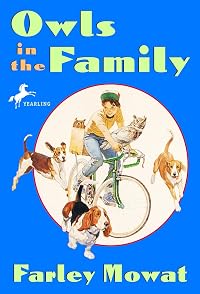
This is marketed as a children's book, but the reading level is way above that. There were several words I had to look up (pretty rare for me), and there was at least one or two words on each page that I needed to define for my nine-year-old. Not a bad thing at all, just a little more brain-intensive than I was expecting after reading "Owls in the Family."
That being said, all three of us LOVED this book. Mowat's descriptions are hilarious and stunningly beautiful. These borderline tall-tales about Mutt's adventures with the Mowat family consistently had us laugh-out-loud. There were a couple passages that certainly made me cry a little too, as Mowat deals matter-of-factly with death in nature, including the beloved pets.
Love love love show more this one. show less
That being said, all three of us LOVED this book. Mowat's descriptions are hilarious and stunningly beautiful. These borderline tall-tales about Mutt's adventures with the Mowat family consistently had us laugh-out-loud. There were a couple passages that certainly made me cry a little too, as Mowat deals matter-of-factly with death in nature, including the beloved pets.
Love love love show more this one. show less
3.5 stars
In the 1930s, Farley Mowat and his parents moved to Saskatoon, Saskatchewan. They wanted a dog. His father wanted a hunting dog, but since that was too expensive, his mother just bought a dog a little boy was selling for cheap door-to-door. They called him Mutt. This book includes stories that mostly focus on Mutt.
Actually my favourite chapter was the one with the two owls (Mowat used those owls in his fictional kids’ story, “Owls in the Family”). The book was more like short stories, but that’s ok. Mutt was a character. A lot of people seem to consider this a children’s book, but I didn’t think it read that way. A boy and his dog, sure. I suppose that would appeal, but it didn’t seem particularly written for show more kids. I’m rating it good. show less
In the 1930s, Farley Mowat and his parents moved to Saskatoon, Saskatchewan. They wanted a dog. His father wanted a hunting dog, but since that was too expensive, his mother just bought a dog a little boy was selling for cheap door-to-door. They called him Mutt. This book includes stories that mostly focus on Mutt.
Actually my favourite chapter was the one with the two owls (Mowat used those owls in his fictional kids’ story, “Owls in the Family”). The book was more like short stories, but that’s ok. Mutt was a character. A lot of people seem to consider this a children’s book, but I didn’t think it read that way. A boy and his dog, sure. I suppose that would appeal, but it didn’t seem particularly written for show more kids. I’m rating it good. show less
This is a children's story that will engage all readers. Farley Mowat writes this light hearted story about his childhood dog and other various animals that resided with his family in his youth. Mutt was purchased by his mother for 4 cents and he was well worth it. A smart dog who learned to walk the fences, climb ladders, retrieve birds but would not come when called. He had a mind of his own and his antics entertained his family, the various communities they live in and readers for years. Also thrown in are a smattering of stories about the antics of his father as well. A great story for anyone who loves dogs, but be ready for the ending as in many books about animals.
Did the man change his outlook when he grew up? There's an awful lot of hunting, meat-eating, and caging of wild animals in this book. I might have loved it when I was a kid and into memoirs of the old days with pets, but now I just couldn't. I also had a lot of trouble with Dad's antics - how did Mom put up with him plus Farley plus Mutt?! And though the bookcover says 'illustrated by Paul Galdone' there are *no* pictures inside, and the dog on the cover does not look like the dog described. (Nor does it particularly look like Galdone's other works.)
I got through it because of the occasional clever lines. For example: "A man can remember a good many things that ought to have happened."
I got through it because of the occasional clever lines. For example: "A man can remember a good many things that ought to have happened."
Members
- Recently Added By
Lists

The Best of Canadian Literature
235 works; 33 members

Favorite Childhood Books
1,651 works; 519 members

Dogs -- children's/young adult fiction
1,317 works; 9 members

Books Read in 2022
5,226 works; 115 members

Favorite Animal Non-Fiction
293 works; 144 members

Read For Your Life
157 works; 1 member
Author Information

60+ Works 15,312 Members
Farley Mowat's nearly forty books have sold millions of copies & have been published in more than twenty languages. His books include "Never Cry Wolf", "Sea of Slaughter", "The Farfarers", "People of the Deer", "The Dog Who Wouldn't Be", "The Desperate People", & "Ordeal by Ice". (Publisher Provided) He is one of Canada's most popular & show more distinguished writers. Through the past five decades he has recorded his experiences in several highly successful books for both adults & children. He has received scores of literary awards & his works have been translated into more than 30 languages. (Publisher Provided) Farley Mowat was born in Belleville, Ontario, Canada on May 12, 1921. During World War II, he fought in the Allied invasion of Sicily. He was discharged in 1945 with the rank of Captain. He studied at the University of Toronto. Farley was an author, activist, and environmentalist. He wrote more than 40 books during his lifetime including both novels and non-fiction works. His books include Never Cry Wolf, My Father's Son, Otherwise, and Eastern Passage. He received several awards including the Queen Elizabeth II Jubilee Medal in 1956, the Governor General's Award for Lost in the Barrens in 1956, the Leacock Medal for Humour for The Boat Who Wouldn't Float in 1970, and the Order of Canada in 1981. He died on May 6, 2014 at the age of 92. (Bowker Author Biography) show less
Some Editions
Awards and Honors
Work Relationships
Is contained in
Is abridged in
Common Knowledge
- Original publication date
- 1957
- Important places
- Saskatchewan, Canada
- Dedication
- For my parents, who made the hours of my youth. And for Mutt, who shared that time with me.
- First words
- An oppressive darkness shadowed the city of Saskatoon on an August day in 1929.
- Last words
- (Click to show. Warning: May contain spoilers.)The pact of timelessness between the two of us was ended, and I went from him into the darkening tunnel of the years.
Classifications
Statistics
- Members
- 1,409
- Popularity
- 16,834
- Reviews
- 23
- Rating
- (4.00)
- Languages
- 5 — Danish, English, Hungarian, Lithuanian, Spanish
- Media
- Paper, Ebook
- ISBNs
- 35
- ASINs
- 27