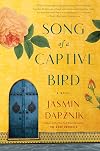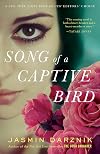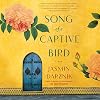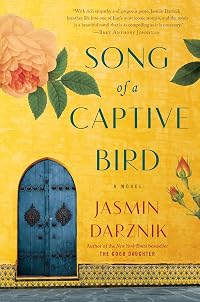
Song of a Captive Bird
by Jasmin Darznik 
On This Page
Description
LOS ANGELES TIMES BESTSELLER • A spellbinding debut novel about the trailblazing Iranian poet Forugh Farrokhzad, who defied society's expectations to find her voice and her destiny"A complex and beautiful rendering of [a] vanished country and its scattered people; a reminder of the power and purpose of art; and an ode to female creativity under a patriarchy that repeatedly tries to snuff it out"—The New York Times Book Review (Editors' Choice)
All through her childhood in Tehran, Forugh show more Farrokhzad is told that Persian daughters should be quiet and modest. She is taught only to obey, but she always finds ways to rebel—gossiping with her sister among the fragrant roses of her mother's walled garden, venturing to the forbidden rooftop to roughhouse with her three brothers, writing poems to impress her strict, disapproving father, and sneaking out to flirt with a teenage paramour over café glacé. During the summer of 1950, Forugh's passion for poetry takes flight—and tradition seeks to clip her wings.
Forced into a suffocating marriage, Forugh runs away and falls into an affair that fuels her desire to write and to achieve freedom and independence. Forugh's poems are considered both scandalous and brilliant; she is heralded by some as a national treasure, vilified by others as a demon influenced by the West. She perseveres, finding love with a notorious filmmaker and living by her own rules—at enormous cost. But the power of her writing only grows stronger amid the upheaval of the Iranian revolution.
Inspired by Forugh Farrokhzad's verse, letters, films, and interviews—and including original translations of her poems—this haunting novel uses the lens of fiction to capture the tenacity, spirit, and conflicting desires of a brave woman who represents the birth of feminism in Iran—and who continues to inspire generations of women around the world.
Praise for Song of a Captive Bird
"If poetry is emotion rendered incendiary, then Forugh Farrokhzad was made of fire. . . . Song of a Captive Bird is an unsparing account of the necessity and consequences of speaking out."—BookPage
"Sometimes, simply choosing whom to love is a political act."—Vogue
"Forugh Farrokhzad's short life brimmed with controversy and rebellion . . . .This feminist icon inspired Darznik's imaginative debut."—Ms.. show less
Tags
Recommendations



Member Reviews
“I loved Tehran’s relentless sun and heavy dusks and dusty side streets. I loved sleeping on the rooftop on summer nights and waking to morning’s call to prayer. When I walked in the streets, there was a memory at every turn, a rootedness I felt in my limbs and my heart. Whatever Iran wanted to be, I loved it. I’d found my life’s purpose here. Every poem I’d ever written was entangled with my country’s story. I loved its downtrodden, small-minded, generous people. I loved them; I belonged to them. They were my people, and I was theirs.”
Historical fiction about the life of a real person, Iranian poetess and film director Forugh Farrokhzad. It portrays what life was like in Iran, especially for women, before the 1979 show more revolution that brought Ayatollah Khomeini to power. Set mostly in Tehran, it follows Forugh’s life – her rebellious nature, desire for self-expression, and the personal sacrifices she made in pursuit of art.
It is an excellent example of the use of fiction used to illuminate the past. This book gives the reader a vivid idea of Forugh’s personality – a woman of strong opinions, a risk-taker, and one who challenged the traditional views of a woman’s role. The writing is strong. The story is told in first person by Forugh, the only choice that does not quite work for me. The story portrays the complicated political climate in the 1960s during the last shah’s regime.
Darznik includes several of Forugh’s translated poems, which had been published then later banned in Iran. The author’s family left Iran in 1978, when Darznik was a child. I very much enjoyed this glimpse into Iranian culture and history.
4.5 show less
Historical fiction about the life of a real person, Iranian poetess and film director Forugh Farrokhzad. It portrays what life was like in Iran, especially for women, before the 1979 show more revolution that brought Ayatollah Khomeini to power. Set mostly in Tehran, it follows Forugh’s life – her rebellious nature, desire for self-expression, and the personal sacrifices she made in pursuit of art.
It is an excellent example of the use of fiction used to illuminate the past. This book gives the reader a vivid idea of Forugh’s personality – a woman of strong opinions, a risk-taker, and one who challenged the traditional views of a woman’s role. The writing is strong. The story is told in first person by Forugh, the only choice that does not quite work for me. The story portrays the complicated political climate in the 1960s during the last shah’s regime.
Darznik includes several of Forugh’s translated poems, which had been published then later banned in Iran. The author’s family left Iran in 1978, when Darznik was a child. I very much enjoyed this glimpse into Iranian culture and history.
4.5 show less
This is the true story of the Iranian poetess known simply by her first name, Forugh. She lived in a fascinating, turbulent, and socially conflicted time. Iran underwent a social Westernist expansion while she was growing up, and her family was influenced to some extent by this. Her father, a strict Colonel whom his children feared -- kind of like Captain von Trapp only with beatings -- did allow a measure of culture into the home, so Forugh, from a young age, was introduced to poetry, and began writing it herself. On the other side of the cultural growth of Iran at the time was a stricter, Muslim view of culture, of women in society, and family. In this way, Forugh found herself restricted, expected to marry early at her family's show more choosing, and leave the idea of ANY profession, much less poetess, behind.
Into this conflicted world view, Forugh grows up and finds herself in one kind of trouble after another: first with her father for daring to write a scandalous poem, then with her husband and in-laws, then with society in general. She can't seem to stop upsetting the social fabric by simply writing poetry.
This is a fascinating story, a glimpse into a Muslim culture in a country that was facing tremendous social changes and swings. Darznik captures first the bewilderment and constricture of a girl growing up in this time, one caught between the high-heeled world of the west and the veiled world of the east, and wants to find her place in it. The writing is very good, and Darznik gives us a sense of the suspense, worry, and conflicts Forugh faces at various moments in her life. This is interwoven with Forugh's actual poems to give a sense of the sensation this female poet was for her time. show less
Into this conflicted world view, Forugh grows up and finds herself in one kind of trouble after another: first with her father for daring to write a scandalous poem, then with her husband and in-laws, then with society in general. She can't seem to stop upsetting the social fabric by simply writing poetry.
This is a fascinating story, a glimpse into a Muslim culture in a country that was facing tremendous social changes and swings. Darznik captures first the bewilderment and constricture of a girl growing up in this time, one caught between the high-heeled world of the west and the veiled world of the east, and wants to find her place in it. The writing is very good, and Darznik gives us a sense of the suspense, worry, and conflicts Forugh faces at various moments in her life. This is interwoven with Forugh's actual poems to give a sense of the sensation this female poet was for her time. show less
“I loved Tehran’s relentless sun and heavy dusks and dusty side streets. I loved sleeping on the rooftop on summer nights and waking to morning’s call to prayer. When I walked in the streets, there was a memory at every turn, a rootedness I felt in my limbs and my heart. Whatever Iran wanted to be, I loved it. I’d found my life’s purpose here. Every poem I’d ever written was entangled with my country’s story. I loved its downtrodden, small-minded, generous people. I loved them; I belonged to them. They were my people, and I was theirs.”
Historical fiction about the life of a real person, Iranian poetess and film director Forugh Farrokhzad. It portrays what life was like in Iran, especially for women, before the 1979 show more revolution that brought Ayatollah Khomeini to power. Set mostly in Tehran, it follows Forugh’s life – her rebellious nature, desire for self-expression, and the personal sacrifices she made in pursuit of art.
It is an excellent example of the use of fiction used to illuminate the past. This book gives the reader a vivid idea of Forugh’s personality – a woman of strong opinions, a risk-taker, and one who challenged the traditional views of a woman’s role. The writing is strong. The story is told in first person by Forugh, the only choice that does not quite work for me. The story portrays the complicated political climate in the 1960s during the last shah’s regime.
Darznik includes several of Forugh’s translated poems, which had been published then later banned in Iran. The author’s family left Iran in 1978, when Darznik was a child. I very much enjoyed this glimpse into Iranian culture and history.
4.5 show less
Historical fiction about the life of a real person, Iranian poetess and film director Forugh Farrokhzad. It portrays what life was like in Iran, especially for women, before the 1979 show more revolution that brought Ayatollah Khomeini to power. Set mostly in Tehran, it follows Forugh’s life – her rebellious nature, desire for self-expression, and the personal sacrifices she made in pursuit of art.
It is an excellent example of the use of fiction used to illuminate the past. This book gives the reader a vivid idea of Forugh’s personality – a woman of strong opinions, a risk-taker, and one who challenged the traditional views of a woman’s role. The writing is strong. The story is told in first person by Forugh, the only choice that does not quite work for me. The story portrays the complicated political climate in the 1960s during the last shah’s regime.
Darznik includes several of Forugh’s translated poems, which had been published then later banned in Iran. The author’s family left Iran in 1978, when Darznik was a child. I very much enjoyed this glimpse into Iranian culture and history.
4.5 show less
Despite the fact I think the main character made terrible decision after terrible decision, I have rarely been so absorbed in a book. I couldn't wait to pick it up and sink into the atmosphere again and again.
It was especially endearing that we start sharing Forough's life when she is yet a girl, with innocence and hopes and dreams, before she begins her adult life of mistakes.
The poetry placed throughout, the author's original translations of the real-life Forough's work, is powerful and evocative.
Recommend for lovers of fact-based, historical fiction, elegant prose, and atmosphere so engaging you could drown in it. Not recommended if you'd like to avoid stories involving adultery or child abandonment.
It was especially endearing that we start sharing Forough's life when she is yet a girl, with innocence and hopes and dreams, before she begins her adult life of mistakes.
The poetry placed throughout, the author's original translations of the real-life Forough's work, is powerful and evocative.
Recommend for lovers of fact-based, historical fiction, elegant prose, and atmosphere so engaging you could drown in it. Not recommended if you'd like to avoid stories involving adultery or child abandonment.
Wow was this book very emotional. The struggles of a rebellious woman with an intelligent mind in an environment that considers a woman to be nothing more than the property of her husband is very humbling to read. Forugh is never satisfied in conforming to the norms and does everything she can to give life to the words constantly forming in her mind. Though I was surprised to know that some of the most compelling relationships in the book are actually fictionalized, the author used them as a backdrop to throw light on the student protests and the clash between the old guard and the changing minds of the younger generation. I absolutely loved that some of the translated poems of Forugh were included throughout the book because it gave a show more unique insight into her mind and makes me want to read more of her works. It’s always fascinating and also emotional to read about such an amazing woman who only lived for 32 years but left an indelible mark on a culture which remains even decades after her death. show less
Song of a Captive Bird, Jasmin Darznik, author; Mozhan Marnò, narrator
When the author and her family left Iran because of the ongoing unrest, she discovered a book of poems by Forough Farrokzad, among her mother’s belongings. She became fascinated with the poetess who could not be said to have been born either before her time or wished to have been born after it, for even today, her place in time has not yet arrived. Yet her place in Iran’s history was and still is profound. She was a woman who found her voice, although the powers that be tried to silence her, and she was alternately praised or condemned for making it heard. Forough wrote poetry in Iran at a time when women did not write poetry or even work outside the home. Women, show more even before the Islamists took control, had little power of their own.
As the reader becomes drawn into the story, it will be hard to believe that it is a novel or that it is historic fiction, because the author, Jasmin Darznik, has imbued the character with a personality that is believable, that makes the character very authentic. I could not tell where the real and imagined parted ways. She gave Forough all the wisdom, strength and courage she needed in order to become the defiant young woman who affected so many lives in Iran, many positively, and some, even negatively. Although the story only covers about a decade and a half of Forough’s life, from her mid teens to her early thirties, it feels like it covers far more of the history of Iran since so much other information is imparted by the author with historical facts and through the inserted verses of Forough’s poetry. At the time of Farrokhzad’s life and even more so today, the men made the decisions and controlled the rules that governed the lives of women. They could be seen, but basically, not heard. Their opinions were not considered. Once the Islamists came to power and the Ayatollah became the supreme ruler, the women became even more unimportant; they became invisible, shrouded and silent.
Iran was a country that other countries wanted because of ifs oil. The United States had wanted that oil and had basically established rule in Iran. Under the Shah, there were seeds of unrest budding and blooming. There were Iranians who believed that the oil was theirs, and they wanted to control their own country. They resented the relationship that the Shah had with the West, the control the West had over their country’s economy, and the clash of the cultures which they found degrading to their own and to their women. There were even some Iranians who wanted to return to the traditional ways of Islam, the ways which gave women even less freedom, which demanded that they be covered and silent, completely divorced from having any influence on society.
Forough was just a teenager when her heart was stolen by a young man, just over a decade older than she was. He liked poetry and was the one who inspired her in that direction. When her mother discovered their secret relationship, she forced her to submit to a virginity test, which, although it proved she was a virgin, also accidentally stole her virginity from her. In the eyes of any observer, she would be tainted, since no blood could be shed on her wedding night. She had squirmed and the tool being used unfortunately slipped. She never revealed the truth, although she knew it, because she knew no one would believe her. However, that slip of the knife foretold the future tragedies in her life.
Forough was defiant and did not obey the mores of the times. She wrote poetry described often as risqué; she traveled alone and dressed immodestly at times. She had affairs of the heart which were shameful, at the time, and tongues wagged and unmercifully condemned her. Unscrupulous people, her father and husband among them, had her confined to an asylum when she refused to stop writing or to change her ways and return to her child, husband and his family. In the asylum, on a former beautiful estate, she was subjected to shock treatment and medications she did not need. She was not sick, she was not insane. She was only hungry for her own independence.
After she was rescued from the institution by a dear friend, her husband divorced her and obtained complete custody of their child. Her mother-in-law turned her son against her and made him fear her. Although her behavior was unconventional, she was sane. Although her behavior was sometimes promiscuous, she was not a whore, as she was often called. She was, however, someone who wrote her own rules, defied her own culture, and was punished by the behavior of those that disagreed with her. Still, she always knew one thing, she wanted to be free to think for herself, walk about by herself and make her own choices. She wanted her independence and resented her need to be dependent upon others. As she defined alternate mores for women, she was ridiculed and punished by those who had more power than she did and those who wanted more stringent rules. Still, she always seemed to manage to pull herself together and survive.
In her brief lifetime, she became an accomplished poetess, film director, and photographer. However, the fact that she was a paramour in a place that did not accept paramours, colored the perception others had of her. She was a woman out of her time or any other defined time period in Iran, for she would have less freedom, even today, than she had in the nineteen fifties and sixties.
Due to the cloistered nature of Iran, there is not much written about Forough that has survived, except for her poems. The poems reveal her life, as she drew on her own experiences in her verses. Because of her behavior, she lost her reputation, her family and her child. However, her intelligence and sensitivity shone brightly in her writing. Even with little education, she was able to convey her pain, her joy and sadness, and her desire for women’s rights and freedom. Her writing also illustrates the abuse and cruelty she and others suffered during her time of life in a world ruled by men and/or extremists of different stripes. She lived in a world in which a man could have many wives, but a woman could only have her arranged marriage; it was a time in which a man could discard a wife and even have her confined to a prison or insane asylum, simply to get her out of the way. There she would be subjected to cruel attendants, abusive treatments and doctors who also believed women should not have the right to make their own decisions, and there she would be helpless and hopeless. Has that much changed in Iran? I think it may have gotten worse. Do the women want freedom, or are they happy to be shielded from the world? One can only wonder. The one thing the reader will know, in the end, Forough was the mortal bird of the poem. show less
When the author and her family left Iran because of the ongoing unrest, she discovered a book of poems by Forough Farrokzad, among her mother’s belongings. She became fascinated with the poetess who could not be said to have been born either before her time or wished to have been born after it, for even today, her place in time has not yet arrived. Yet her place in Iran’s history was and still is profound. She was a woman who found her voice, although the powers that be tried to silence her, and she was alternately praised or condemned for making it heard. Forough wrote poetry in Iran at a time when women did not write poetry or even work outside the home. Women, show more even before the Islamists took control, had little power of their own.
As the reader becomes drawn into the story, it will be hard to believe that it is a novel or that it is historic fiction, because the author, Jasmin Darznik, has imbued the character with a personality that is believable, that makes the character very authentic. I could not tell where the real and imagined parted ways. She gave Forough all the wisdom, strength and courage she needed in order to become the defiant young woman who affected so many lives in Iran, many positively, and some, even negatively. Although the story only covers about a decade and a half of Forough’s life, from her mid teens to her early thirties, it feels like it covers far more of the history of Iran since so much other information is imparted by the author with historical facts and through the inserted verses of Forough’s poetry. At the time of Farrokhzad’s life and even more so today, the men made the decisions and controlled the rules that governed the lives of women. They could be seen, but basically, not heard. Their opinions were not considered. Once the Islamists came to power and the Ayatollah became the supreme ruler, the women became even more unimportant; they became invisible, shrouded and silent.
Iran was a country that other countries wanted because of ifs oil. The United States had wanted that oil and had basically established rule in Iran. Under the Shah, there were seeds of unrest budding and blooming. There were Iranians who believed that the oil was theirs, and they wanted to control their own country. They resented the relationship that the Shah had with the West, the control the West had over their country’s economy, and the clash of the cultures which they found degrading to their own and to their women. There were even some Iranians who wanted to return to the traditional ways of Islam, the ways which gave women even less freedom, which demanded that they be covered and silent, completely divorced from having any influence on society.
Forough was just a teenager when her heart was stolen by a young man, just over a decade older than she was. He liked poetry and was the one who inspired her in that direction. When her mother discovered their secret relationship, she forced her to submit to a virginity test, which, although it proved she was a virgin, also accidentally stole her virginity from her. In the eyes of any observer, she would be tainted, since no blood could be shed on her wedding night. She had squirmed and the tool being used unfortunately slipped. She never revealed the truth, although she knew it, because she knew no one would believe her. However, that slip of the knife foretold the future tragedies in her life.
Forough was defiant and did not obey the mores of the times. She wrote poetry described often as risqué; she traveled alone and dressed immodestly at times. She had affairs of the heart which were shameful, at the time, and tongues wagged and unmercifully condemned her. Unscrupulous people, her father and husband among them, had her confined to an asylum when she refused to stop writing or to change her ways and return to her child, husband and his family. In the asylum, on a former beautiful estate, she was subjected to shock treatment and medications she did not need. She was not sick, she was not insane. She was only hungry for her own independence.
After she was rescued from the institution by a dear friend, her husband divorced her and obtained complete custody of their child. Her mother-in-law turned her son against her and made him fear her. Although her behavior was unconventional, she was sane. Although her behavior was sometimes promiscuous, she was not a whore, as she was often called. She was, however, someone who wrote her own rules, defied her own culture, and was punished by the behavior of those that disagreed with her. Still, she always knew one thing, she wanted to be free to think for herself, walk about by herself and make her own choices. She wanted her independence and resented her need to be dependent upon others. As she defined alternate mores for women, she was ridiculed and punished by those who had more power than she did and those who wanted more stringent rules. Still, she always seemed to manage to pull herself together and survive.
In her brief lifetime, she became an accomplished poetess, film director, and photographer. However, the fact that she was a paramour in a place that did not accept paramours, colored the perception others had of her. She was a woman out of her time or any other defined time period in Iran, for she would have less freedom, even today, than she had in the nineteen fifties and sixties.
Due to the cloistered nature of Iran, there is not much written about Forough that has survived, except for her poems. The poems reveal her life, as she drew on her own experiences in her verses. Because of her behavior, she lost her reputation, her family and her child. However, her intelligence and sensitivity shone brightly in her writing. Even with little education, she was able to convey her pain, her joy and sadness, and her desire for women’s rights and freedom. Her writing also illustrates the abuse and cruelty she and others suffered during her time of life in a world ruled by men and/or extremists of different stripes. She lived in a world in which a man could have many wives, but a woman could only have her arranged marriage; it was a time in which a man could discard a wife and even have her confined to a prison or insane asylum, simply to get her out of the way. There she would be subjected to cruel attendants, abusive treatments and doctors who also believed women should not have the right to make their own decisions, and there she would be helpless and hopeless. Has that much changed in Iran? I think it may have gotten worse. Do the women want freedom, or are they happy to be shielded from the world? One can only wonder. The one thing the reader will know, in the end, Forough was the mortal bird of the poem. show less
What wonderful lyrical writing is found in this book! It was just a joy to read in spite of the many difficulties and challenges faced by the Forough, the storyteller. Her story is told in first person, and you certainly can feel a sense of her perspective and emotions as she describes her experiences. I learned even more about the Middle East and Iran as well. In reference to the title, the bird (Forough) may be able to be captured, but it will not stop her from singing her song.
This was an excellent window into the life of women of the 40's and 50's in a rapidly changing Iran. Today in many ways, things are probably even more repressive. Certainly women are still not given the same rights and opportunities as men. In Forough, we find show more someone who wasn't willing to accept this. She challenged the system and gained a degree of freedom through her poetry and life style, yet inevitably paid the price. I was enamored by the telling of her tale, and as such recommend this book to people who have an interest in the oppression and inequality of women. I also recommend it for readers of historic fiction that enjoy stories of different lands and cultures.
My thanks to the publisher and NetGalley for the opportunity to read and review this title. show less
This was an excellent window into the life of women of the 40's and 50's in a rapidly changing Iran. Today in many ways, things are probably even more repressive. Certainly women are still not given the same rights and opportunities as men. In Forough, we find show more someone who wasn't willing to accept this. She challenged the system and gained a degree of freedom through her poetry and life style, yet inevitably paid the price. I was enamored by the telling of her tale, and as such recommend this book to people who have an interest in the oppression and inequality of women. I also recommend it for readers of historic fiction that enjoy stories of different lands and cultures.
My thanks to the publisher and NetGalley for the opportunity to read and review this title. show less
Members
- Recently Added By
Lists

Lives of the Poets (and Philosophers)
110 works; 5 members
Author Information

6+ Works 713 Members
Jasmin Darznik is a LibraryThing Author, an author who lists their personal library on LibraryThing.
Awards and Honors
Awards
Distinctions
Common Knowledge
- Canonical title
- Song of a Captive Bird
- Original publication date
- 2018
- People/Characters
- Forugh Farrokhzad
- Important places
- Tehran, Iran; Ahwaz, Iran
- Epigraph
- Remember its flight, for the bird is mortal.
-Forugh Farrokhzad, Iranian poet (1935-1967) - Dedication
- For Kiyan and Sean
- First words
- It was the end of my girlhood, though I didn't know it yet.
- Last words
- (Click to show. Warning: May contain spoilers.)All this would happen later, in the spring, when the sun warmed the earth and the sky, but already I had reached a place where censure and suffers are meaningless, where courage has no boundaries, where hope lasts forever and does not fade.
- Original language
- English
Classifications
Statistics
- Members
- 285
- Popularity
- 113,295
- Reviews
- 15
- Rating
- (4.03)
- Languages
- English, French
- Media
- Paper, Audiobook, Ebook
- ISBNs
- 8
- ASINs
- 2