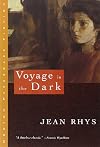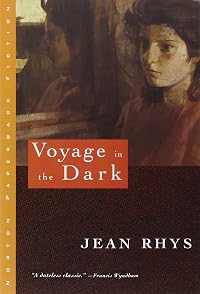
Voyage in the Dark
by Jean Rhys
On This Page
Description
"Autobiographically inspired, Rhys created stories of the slightly adrift every woman looking for an anchor in a cold, hostile landscape. Her heroine in Voyage in the Dark is Anna Morgan, a young woman in her late teens, relocated to England from her beloved home in the West Indies. She works as a chorus girl, traveling the country to dank boarding rooms and shabby theaters. Fortune seems to grab her one day in the shape of a wealthy, older man who sets her up in London, calling for her as show more his needs dictate. Anna falls in love with him, and allows herself to rely on him totally. When he grows tired of her, she begins a long spiraling decline."--Publisher description show lessTags
Recommendations

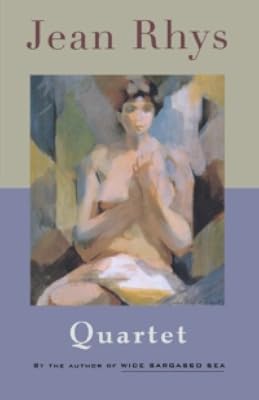




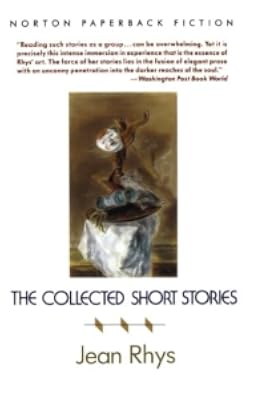


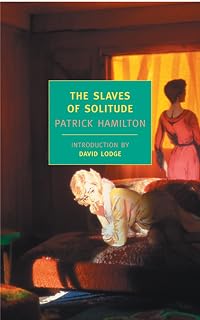
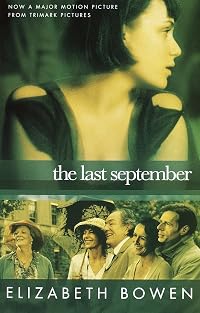
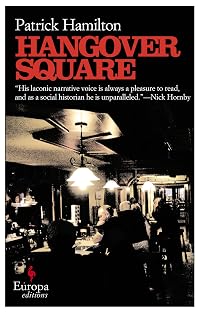









Member Recommendations
Member Reviews
This is a fascinating insight (heavily autobiographical) into the flighty and insecure world of a chorus girl in London, around the time of the first world war (though war is never mentioned).
Many other books set in this period feature chorus girls, but usually in a peripheral way that makes their lives seem exotic and exciting, until they settle down to conventional respectability, quietly disappear, or, less often, meet a tragic end. The storyline here is more nuanced and complex - and still relevant today.
PLOT
The story is told by Anna. She is 18, recently arrived in London from a small island in the West Indies, touring England in shows. There is no suggestion she has a particular talent or passion for the stage. She is show more more-or-less on her own in the world: she has a step-mother in Yorkshire, but her parents have died, and she has no inheritance to fall back on.
In some ways, it's a very moral tale (the superficial glamour is not presented as something to aspire to), but it feels honest, rather than preachy, and the ending is left open.
NOTE re "the n word"
It is used several times, in a way that reflects normal usage at the time and place it's set. Anna is white (with a creole mother), but "I always wanted to be black... Being black is warm and gay, being white is cold and sad". Her use of the n word is not particularly derogatory, despite the offence it may cause some readers nowadays.
MEN and WOMEN - EXPLOITATION or SYMBIOSIS?
There are profound questions here about responsibilities, equality and exploitation in relationships: how gifts and money affect the nature of a relationship, and at what point, if any, it becomes "professional".
Anna is very free-thinking for the time: non-religious ("I believe there's something horrible about any sort of praying"!), amoral and independent, albeit more through necessity than choice. Had the book been published in the nineteen-tens (rather than 1934), it might have been very controversial. As it is, its modernity means it's still pertinent today.
Anna performs on stage, lives on her own, has relationships with men - and yet she is also very naive: she needs the support (partly, but not not only, financial) of others, but some of those people take advantage of her (women as well as men).
In some ways, she is exploitative, but really, she's more of a victim - unlike some of her friends, such as the one who advises, "The thing with men is to get everything you can out of them and not care a damn", after all, "People don't give you what you're worth... They give you what they think you're used to". Mind you, the men know the rules, too, fully aware that "a girls's clothes cost more than the girl inside them".
Early on, Anna seems to have a very negative impression of (all) men: one eyed her up "in that way they have" and "he didn't look at my breasts or my legs as they usually do", but the story progresses, her thoughts on men are replaced by introspection and memories of home. When she is a kept woman, she muses "I am hopeless, resigned, utterly happy. Is that me? I am bad, not good any longer, bad".
The life can be racy, but there is underlying pain, such as when failing to nod off or waking in the night "that was when it was sad, a lonely feeling, a hopeless feeling" because she knows "the man's bound to get tired". "But in the daytime it was all right. And when you'd had a drink you know it was the best way to live in the world, because anything might happen." That sounds like hollow happiness to me.
FEMININITY, FASHION and MONEY
There is plenty of hypocritical hand-wringing in contemporary media about societal pressures for women and girls to look beautiful at all times, but that's not entirely new. Anna agonises over the fact that "everything makes you want pretty clothes like hell", and sees people looking at the latest fashions, "Their eyes were fixed on the future, 'If I could buy this, then of course I'd be quite different.'"
She realises that once you have a taste for such things, you have a taste for such things - and it changes your outlook, behaviour, and even your voice. In a curious mix of self-awareness and naivety, she says "Money ought to be everybody's. It ought to be like water. You can tell that because you get accustomed to it so quickly."
There is pain in basing one's self-worth in the opinion of someone else: "I was so nervous about how I looked that three quarters of me was in prison... If he had said that I looked all right or that I was pretty, it would have set me free." But would it?
SENSES and SENSUALITY
Many passages are a riot for the senses, invoking the colours, smells, sights, shapes and sounds of the West Indies ("The light is gold and when you shut your eyes you see fire-colour"), and comparing them with the dull uniformity of London, where "The colours here are black, brown, grey, dim-green, pale blue, the white of people's faces". Back home, "How sad the sun can be, especially in the afternoon, but in a different way from the sadness of a cold places... And the way the bats fly out at sunset, two by two, very stately... And that hibiscus once - it was so red, so proud, and its long gold tongue hung out. It was so red that even the sky was just a background for it... And the sound of rain on the galvanized-iron roof. How it would go on and on, thundering on the roof."
In contrast, scenes which could actually be sensual, are generally described in cold, detached terms - even when there is some warmth in the relationship concerned.
CONTRASTING LANGUAGE
There are two main styles of narration; there is nothing wrong with that, but I didn't really enjoy (or quite believe) this manifestation of it, which is why I've given 3*, rather than 4*.
Most of the time, Anna describes events in such short, sparse sentences that it's almost like an early reading primer. I know she's naive and not very educated, but her voice annoyed me: "I pulled my hand away. I thought, 'No, I don't like you.' We stopped at Germaine's flat." Tum-te tum-te tum-te-tum.
More interesting and enticing were the lyrical, stream-of-consciousness passages. For example, her first impression of London is barely punctuated: "hundreds of thousands of white people white people [sic] rushing along and all the dark houses all alike frowning down one after the other all alike all stuck together - the streets like smooth shut-in ravines and the dark houses frowning down - oh I'm not going to like this place."
The dreamier sections, especially towards the end, and coupled with a few mentions of ghosts, border on the hallucinogenic, and made me think of Antoinette in Wide Sargasso Sea aka Bertha in Jane Eyre
QUOTES
* "In my heart I was always sad, with the same sort of hurt that the cold gave me in the chest."
* "The sort of music that you always know what's going to come next, that you can listen to ahead."
* "When I remember living whit her it was like looking at an old photograph of myself and thinking 'What on earth's that got to do with me?'."
* A rich man's house was "dark and quiet and not friendly to me. Sneering faintly, sneering discreetly, as a servant would."
* "What I liked was watching her eat mangoes. Her teeth would bite into the mango and her lips fasten on either side of it, and while she sucked you saw that she was perfectly happy. When she finished she always smacked her lips twice, very loud... It was a ritual."
* "The shadows of the leaves on the wall were moving quickly, like the patterns the sun makes on water."
* At a funeral, "The candles crying way tears... The people there were like upholstered ghosts."
* "The cinema smelt of poor people, and on the screen ladies and gentlemen in evening dress walked about with strained smiles."
* "It was one of those days when you see the ghosts of all the other lovely days... From behind a glass."
* "His voice was kind, but the look in his eyes was like a high, smooth, unclimbable wall. No communication was possible." show less
Many other books set in this period feature chorus girls, but usually in a peripheral way that makes their lives seem exotic and exciting, until they settle down to conventional respectability, quietly disappear, or, less often, meet a tragic end. The storyline here is more nuanced and complex - and still relevant today.
PLOT
The story is told by Anna. She is 18, recently arrived in London from a small island in the West Indies, touring England in shows. There is no suggestion she has a particular talent or passion for the stage. She is show more more-or-less on her own in the world: she has a step-mother in Yorkshire, but her parents have died, and she has no inheritance to fall back on.
In some ways, it's a very moral tale (the superficial glamour is not presented as something to aspire to), but it feels honest, rather than preachy, and the ending is left open.
NOTE re "the n word"
It is used several times, in a way that reflects normal usage at the time and place it's set. Anna is white (with a creole mother), but "I always wanted to be black... Being black is warm and gay, being white is cold and sad". Her use of the n word is not particularly derogatory, despite the offence it may cause some readers nowadays.
MEN and WOMEN - EXPLOITATION or SYMBIOSIS?
There are profound questions here about responsibilities, equality and exploitation in relationships: how gifts and money affect the nature of a relationship, and at what point, if any, it becomes "professional".
Anna is very free-thinking for the time: non-religious ("I believe there's something horrible about any sort of praying"!), amoral and independent, albeit more through necessity than choice. Had the book been published in the nineteen-tens (rather than 1934), it might have been very controversial. As it is, its modernity means it's still pertinent today.
Anna performs on stage, lives on her own, has relationships with men - and yet she is also very naive: she needs the support (partly, but not not only, financial) of others, but some of those people take advantage of her (women as well as men).
In some ways, she is exploitative, but really, she's more of a victim - unlike some of her friends, such as the one who advises, "The thing with men is to get everything you can out of them and not care a damn", after all, "People don't give you what you're worth... They give you what they think you're used to". Mind you, the men know the rules, too, fully aware that "a girls's clothes cost more than the girl inside them".
Early on, Anna seems to have a very negative impression of (all) men: one eyed her up "in that way they have" and "he didn't look at my breasts or my legs as they usually do", but the story progresses, her thoughts on men are replaced by introspection and memories of home. When she is a kept woman, she muses "I am hopeless, resigned, utterly happy. Is that me? I am bad, not good any longer, bad".
The life can be racy, but there is underlying pain, such as when failing to nod off or waking in the night "that was when it was sad, a lonely feeling, a hopeless feeling" because she knows "the man's bound to get tired". "But in the daytime it was all right. And when you'd had a drink you know it was the best way to live in the world, because anything might happen." That sounds like hollow happiness to me.
FEMININITY, FASHION and MONEY
There is plenty of hypocritical hand-wringing in contemporary media about societal pressures for women and girls to look beautiful at all times, but that's not entirely new. Anna agonises over the fact that "everything makes you want pretty clothes like hell", and sees people looking at the latest fashions, "Their eyes were fixed on the future, 'If I could buy this, then of course I'd be quite different.'"
She realises that once you have a taste for such things, you have a taste for such things - and it changes your outlook, behaviour, and even your voice. In a curious mix of self-awareness and naivety, she says "Money ought to be everybody's. It ought to be like water. You can tell that because you get accustomed to it so quickly."
There is pain in basing one's self-worth in the opinion of someone else: "I was so nervous about how I looked that three quarters of me was in prison... If he had said that I looked all right or that I was pretty, it would have set me free." But would it?
SENSES and SENSUALITY
Many passages are a riot for the senses, invoking the colours, smells, sights, shapes and sounds of the West Indies ("The light is gold and when you shut your eyes you see fire-colour"), and comparing them with the dull uniformity of London, where "The colours here are black, brown, grey, dim-green, pale blue, the white of people's faces". Back home, "How sad the sun can be, especially in the afternoon, but in a different way from the sadness of a cold places... And the way the bats fly out at sunset, two by two, very stately... And that hibiscus once - it was so red, so proud, and its long gold tongue hung out. It was so red that even the sky was just a background for it... And the sound of rain on the galvanized-iron roof. How it would go on and on, thundering on the roof."
In contrast, scenes which could actually be sensual, are generally described in cold, detached terms - even when there is some warmth in the relationship concerned.
CONTRASTING LANGUAGE
There are two main styles of narration; there is nothing wrong with that, but I didn't really enjoy (or quite believe) this manifestation of it, which is why I've given 3*, rather than 4*.
Most of the time, Anna describes events in such short, sparse sentences that it's almost like an early reading primer. I know she's naive and not very educated, but her voice annoyed me: "I pulled my hand away. I thought, 'No, I don't like you.' We stopped at Germaine's flat." Tum-te tum-te tum-te-tum.
More interesting and enticing were the lyrical, stream-of-consciousness passages. For example, her first impression of London is barely punctuated: "hundreds of thousands of white people white people [sic] rushing along and all the dark houses all alike frowning down one after the other all alike all stuck together - the streets like smooth shut-in ravines and the dark houses frowning down - oh I'm not going to like this place."
The dreamier sections, especially towards the end, and coupled with a few mentions of ghosts, border on the hallucinogenic, and made me think of Antoinette in Wide Sargasso Sea aka Bertha in Jane Eyre
QUOTES
* "In my heart I was always sad, with the same sort of hurt that the cold gave me in the chest."
* "The sort of music that you always know what's going to come next, that you can listen to ahead."
* "When I remember living whit her it was like looking at an old photograph of myself and thinking 'What on earth's that got to do with me?'."
* A rich man's house was "dark and quiet and not friendly to me. Sneering faintly, sneering discreetly, as a servant would."
* "What I liked was watching her eat mangoes. Her teeth would bite into the mango and her lips fasten on either side of it, and while she sucked you saw that she was perfectly happy. When she finished she always smacked her lips twice, very loud... It was a ritual."
* "The shadows of the leaves on the wall were moving quickly, like the patterns the sun makes on water."
* At a funeral, "The candles crying way tears... The people there were like upholstered ghosts."
* "The cinema smelt of poor people, and on the screen ladies and gentlemen in evening dress walked about with strained smiles."
* "It was one of those days when you see the ghosts of all the other lovely days... From behind a glass."
* "His voice was kind, but the look in his eyes was like a high, smooth, unclimbable wall. No communication was possible." show less
At first I didn't like Anna. I thought she was weird and a bit creepy. I held her in some contempt (I know that sounds a bit extreme, but the character is perfectly portrayed and very real) but then I started to pity her. I noticed that whenever I broke off reading to think along those lines, the very next scene would be another character reacting to her in just that way. Now that is very clever. I don't know how Rhys did it. I've never seen it done in a novel before but she played me perfectly. By the end I sympathised with Anna.
The quality of the writing's just an order of magnitude above what you usually get. That opening passage with all its antitheses packed in, some in tricolons. Good heavens! I'm going to read all her other show more books.
It's funny too. Uncle Bo's letter to Hester had me bent double and jerking around. show less
The quality of the writing's just an order of magnitude above what you usually get. That opening passage with all its antitheses packed in, some in tricolons. Good heavens! I'm going to read all her other show more books.
It's funny too. Uncle Bo's letter to Hester had me bent double and jerking around. show less
Voyage In The Dark is the story of a young woman, Anna Morgan - she says she's 18, and that may be true - born and brought up in the West Indies, and brought to the UK by her (English) stepmother after her father's death. As the story begins, Anna is a chorus girl, tramping the streets of an English seaside town, looking for a boarding-house. A couple of days later, she meets a man - well-off, and older than her. They begin a relationship - but although he is fond of her, she is not the sort of woman that he would seriously consider settling down with.
You can guess what happens after that. This is an often-told story - and even the opening scene (a "nice" girl looking for a room to rent, with a female companion who's tougher and more show more worldly-wise) seems to be familiar from any number of other books. Jean Rhys plays up the predictability of these stories - describing the town, Anna thinks "There was always a little grey street leading to the stage-door of the theater and another little grey street where your lodgings were, and rows of little houses with chimneys like the funnels of dummy steamers and smoke the same colour as the sky; and a grey stone promenade running hard, naked and straight by the side of the grey-brown or grey-green sea".
Everything is told as Anna experiences it - what she sees, hears, feels and thinks. Rather like The Curious Adventure Of The Dog In The Night-Time, sometimes you have to work out how the other characters are reacting from the way that Anna quotes their words and describes their facial expressions. And Anna is an outsider. Throughout the book, events and statements constantly trigger memories of her childhood in Dominica, which are much more vividly described than what happens in the present. Anna often seems to connect more with her memories than with the people around her - which contributes to her downfall (other women in the book, who are in similar situations, constantly urge her to take more control of her life). Equally, Anna rarely describes how she's feeling directly - but the details that she notes about her surroundings leave you in no doubt about her emotional state ("this [landlady] had bulging eyes, dark blobs in a long pink face, like a prawn"). The book is also full of gaps and ellipses - all the things that Anna can't bring herself to think ("Don't think of it, don't think of it. Because thinking of it makes it happen"). This seems to highlight the hypocrisy and euphemism surrounding sex at the time. You feel that Anna is out of her depth not just because of her passivity, but because she is used to a world where things are more direct.
The quality of the writing more than makes up for the predictability of the story - but this is still a phenomenally depressing book. The other women may be more savvy than Anna, but that doesn't make them any happier. And the portrayal of the way that men see these women is pretty bleak: "Have you ever thought that a girl's clothes cost more than the girl inside them?", one asks.
Ultimately, then, very worth reading - but I'm not sure I will be hurrying to take it off the shelf again. show less
You can guess what happens after that. This is an often-told story - and even the opening scene (a "nice" girl looking for a room to rent, with a female companion who's tougher and more show more worldly-wise) seems to be familiar from any number of other books. Jean Rhys plays up the predictability of these stories - describing the town, Anna thinks "There was always a little grey street leading to the stage-door of the theater and another little grey street where your lodgings were, and rows of little houses with chimneys like the funnels of dummy steamers and smoke the same colour as the sky; and a grey stone promenade running hard, naked and straight by the side of the grey-brown or grey-green sea".
Everything is told as Anna experiences it - what she sees, hears, feels and thinks. Rather like The Curious Adventure Of The Dog In The Night-Time, sometimes you have to work out how the other characters are reacting from the way that Anna quotes their words and describes their facial expressions. And Anna is an outsider. Throughout the book, events and statements constantly trigger memories of her childhood in Dominica, which are much more vividly described than what happens in the present. Anna often seems to connect more with her memories than with the people around her - which contributes to her downfall (other women in the book, who are in similar situations, constantly urge her to take more control of her life). Equally, Anna rarely describes how she's feeling directly - but the details that she notes about her surroundings leave you in no doubt about her emotional state ("this [landlady] had bulging eyes, dark blobs in a long pink face, like a prawn"). The book is also full of gaps and ellipses - all the things that Anna can't bring herself to think ("Don't think of it, don't think of it. Because thinking of it makes it happen"). This seems to highlight the hypocrisy and euphemism surrounding sex at the time. You feel that Anna is out of her depth not just because of her passivity, but because she is used to a world where things are more direct.
The quality of the writing more than makes up for the predictability of the story - but this is still a phenomenally depressing book. The other women may be more savvy than Anna, but that doesn't make them any happier. And the portrayal of the way that men see these women is pretty bleak: "Have you ever thought that a girl's clothes cost more than the girl inside them?", one asks.
Ultimately, then, very worth reading - but I'm not sure I will be hurrying to take it off the shelf again. show less
After her father’s death, a young woman, Anna Morgan, is brought from the Caribbean island of Dominica to Edwardian England by her stepmother. Hester’s plan is to provide the girl with enough of an education to allow her to be gainfully employed or married. In the end, the financial responsibility is too much for the widow, and the young woman, already showing signs of straying from respectability, is cut loose. By the time she’s 19, Anna’s touring English cities with a musical comedy troupe.
In Southsea, she meets Walter Jeffries, a stockbroker twice her age, and ends up becoming his mistress. She appears to have no will of her own, doing almost all anyone suggests—unless she detects the hint of a sneer from him or anyone show more else. At those moments, she erupts: breaks things, shouts, or puts lit cigarette tips to the skin of the offender. Her extreme dependence (which she chooses to believe is “love”) and her West-Indian origins are no longer a charm but a liability. Walter ends his relationship with Anna. She drifts from one experience to another, sometimes the early twentieth-century equivalent of a modern-day paid escort and other times little more than a streetwalker. She drinks increasingly heavily. Finally or fatefully, the inevitable occurs.She finds she is pregnant. When a variety of abortifacient tablets don’t work, Anna has to rely on an old musical-theatre friend’s connections to a back-street abortionist, the bill for which is footed by Walter—though the child is not his.
Rhys’s style is certainly “interesting”—for lack of a better word. Told in the first-person from Anna’s POV, the novel’s prose is loose, vague, discursive—often a kind of dreamlike stream of consciousness. There are regular flashbacks to the protagonist’s childhood and youth in Dominica: the heat, the ocean, the lush wild vegetation, and the rich culture of the island—all of which contrast with the chilly, grey uniformity of England. Anna, who balks at artifice, snobbery, and English respectability, has always wished she had been born black. She feels greater affinity for the descendants of slaves and the indigenous Caribs than for whites.
This is the first of Rhys’s novels I’ve read. Even though I knew of the author’s alcoholism, nothing quite prepared me for the abject and pathological passivity of Anna, Rhys’s protagonist and alter ego. I am not sure I fully understand the appeal of Rhys’s writing. I find it almost amusing to think of feminists latching on to this author as a model of, well, anything. Is it her daring in writing about the shadowy side of the female psyche unfolding in seedy settings? A few lines from the Eurythmic’s famous song repeatedly came to mind as I read:
Some of them want to use you
Some of them want to get used by you
Some of them want to abuse you
Some of them want to be abused
I’ve not yet read Rhys’s “masterpiece”—The Wide Sargasso Sea. We’ll have to see how that goes . . . show less
In Southsea, she meets Walter Jeffries, a stockbroker twice her age, and ends up becoming his mistress. She appears to have no will of her own, doing almost all anyone suggests—unless she detects the hint of a sneer from him or anyone show more else. At those moments, she erupts: breaks things, shouts, or puts lit cigarette tips to the skin of the offender. Her extreme dependence (which she chooses to believe is “love”) and her West-Indian origins are no longer a charm but a liability. Walter ends his relationship with Anna. She drifts from one experience to another, sometimes the early twentieth-century equivalent of a modern-day paid escort and other times little more than a streetwalker. She drinks increasingly heavily. Finally or fatefully, the inevitable occurs.
Rhys’s style is certainly “interesting”—for lack of a better word. Told in the first-person from Anna’s POV, the novel’s prose is loose, vague, discursive—often a kind of dreamlike stream of consciousness. There are regular flashbacks to the protagonist’s childhood and youth in Dominica: the heat, the ocean, the lush wild vegetation, and the rich culture of the island—all of which contrast with the chilly, grey uniformity of England. Anna, who balks at artifice, snobbery, and English respectability, has always wished she had been born black. She feels greater affinity for the descendants of slaves and the indigenous Caribs than for whites.
This is the first of Rhys’s novels I’ve read. Even though I knew of the author’s alcoholism, nothing quite prepared me for the abject and pathological passivity of Anna, Rhys’s protagonist and alter ego. I am not sure I fully understand the appeal of Rhys’s writing. I find it almost amusing to think of feminists latching on to this author as a model of, well, anything. Is it her daring in writing about the shadowy side of the female psyche unfolding in seedy settings? A few lines from the Eurythmic’s famous song repeatedly came to mind as I read:
Some of them want to use you
Some of them want to get used by you
Some of them want to abuse you
Some of them want to be abused
I’ve not yet read Rhys’s “masterpiece”—The Wide Sargasso Sea. We’ll have to see how that goes . . . show less
A voyage through the high life and underbelly of London in the 1930s on the heels of Anna, a white Caribbean migrant who pings from one dead-end to another. She is frustratingly passive and allows herself to be manipulated by bastards, landladies and others, but she also has moments of cutting insight and resentment of English society. Rhys was a brilliant writer, so economical in her style while subtlely revealing the thoughts of the protagonist.
Ho così adorato "Il grande mare dei sargassi" che la temuta delusione è arrivata leggendo questo romanzo di tre decenni precedenti al capolavoro di Jean Rhys. Penso che sia piuttosto inevitabile. Tuttavia Viaggio nel buio è tutt'altro che un libro da poco e collocato nella giusta prospettiva è per certi versi rivoluzionario, perché presenta, raro caso per la letteratura dell'epoca, una protagonista sdradicata dalla sua terra natia (guardacaso come la Antoinette del grande mare dei sargassi), tema caro alla Rhys che per prima visse la situazione sulla sua pelle. Se poi si considera che la terra natia sono i rigogliosi caraibi, Londra e l'uggiosa Inghilterra perdono decisamente nel confronto. Al pari dell'impietoso scontro tra le due show more terre e i loro humus culturali, la storia di degrado che vede protagonista Anna Morgan è concettualmente diversa da quella di Antoinette Cosway, ma spiritualmente affine, tanto più che neanche per Anna può esserci salvezza.
In conclusione, un romanzo che per essere apprezzato pienamente andrebbe letto prima del capolavoro di Jean Rhys. Se dovesse succedere il contrario comunque vale la pena di essere letto per apprezzare la crescita di questa grande e misconosciuta (in Italia) autrice, tanto più che la presente edizione di Viaggio nel buio è difficilmente reperibile show less
In conclusione, un romanzo che per essere apprezzato pienamente andrebbe letto prima del capolavoro di Jean Rhys. Se dovesse succedere il contrario comunque vale la pena di essere letto per apprezzare la crescita di questa grande e misconosciuta (in Italia) autrice, tanto più che la presente edizione di Viaggio nel buio è difficilmente reperibile show less
Ho così adorato "Il grande mare dei sargassi" che la temuta delusione è arrivata leggendo questo romanzo di tre decenni precedenti al capolavoro di Jean Rhys. Penso che sia piuttosto inevitabile. Tuttavia Viaggio nel buio è tutt'altro che un libro da poco e collocato nella giusta prospettiva è per certi versi rivoluzionario, perché presenta, raro caso per la letteratura dell'epoca, una protagonista sdradicata dalla sua terra natia (guardacaso come la Antoinette del grande mare dei sargassi), tema caro alla Rhys che per prima visse la situazione sulla sua pelle. Se poi si considera che la terra natia sono i rigogliosi caraibi, Londra e l'uggiosa Inghilterra perdono decisamente nel confronto. Al pari dell'impietoso scontro tra le due show more terre e i loro humus culturali, la storia di degrado che vede protagonista Anna Morgan è concettualmente diversa da quella di Antoinette Cosway, ma spiritualmente affine, tanto più che neanche per Anna può esserci salvezza.
In conclusione, un romanzo che per essere apprezzato pienamente andrebbe letto prima del capolavoro di Jean Rhys. Se dovesse succedere il contrario comunque vale la pena di essere letto per apprezzare la crescita di questa grande e misconosciuta (in Italia) autrice, tanto più che la presente edizione di Viaggio nel buio è difficilmente reperibile show less
In conclusione, un romanzo che per essere apprezzato pienamente andrebbe letto prima del capolavoro di Jean Rhys. Se dovesse succedere il contrario comunque vale la pena di essere letto per apprezzare la crescita di questa grande e misconosciuta (in Italia) autrice, tanto più che la presente edizione di Viaggio nel buio è difficilmente reperibile show less
Members
- Recently Added By
Lists

20th Century Literature
1,161 works; 54 members

Boarding House and Hotel Fiction
73 works; 25 members

1930s
262 works; 5 members

Books Read in 2021
5,361 works; 113 members

Reading LIst
648 works; 1 member
Author Information

38+ Works 16,511 Members
Jean Rhys, 1890 - 1979 Writer Jean Rhys was born in Roseau, Dominica, West Indies. Her father was a Welsh doctor and her mother was a Dominican Creole. Her heritage deeply influenced her life as well as her writing. At seventeen, her father sent her to England to attend the Perse School, Cambridge and the Royal Academy of Dramatic Art in London. show more Unfortunately, she was forced to abandon her studies when her father died. Rhys worked as a chorus girl and ghostwrote a book on furniture. During World War I, she volunteered in a soldier canteen and, in 1918, worked in a pension office. In 1919, she went to Holland and married the French-Dutch journalist and songwriter Jean Langlet. They had two children, a daughter and a son who died as an infant. She began writing under the patronage of Ford Madox Ford. Her husband was sentenced to prison for illegal financial transactions. Her affair ended badly with Ford, and her marriage ended in divorce. In 1934, she married Leslie Tilden Smith who died in 1945. Two years later, she married Max Hamer who died in 1966. Rhys lived many years in the West Country, most often in great poverty. In 1927, Rhys' first collection of stories, "The Left Bank and Other Stories," was published. Her first novel, "Quartet" (1928), is considered to be an account of her affair with Ford Madox Ford told through Marya, a young English woman. In "Voyage in the Dark" (1934), the character is a young chorus girl involved with an older lover. She has also written "Good Morning, Midnight" (1939) and "Sleep It Off Lady" (1976) and the internationally acclaimed "Wide Sargasso Sea" (1960). Rhys was made a CBE in 1978 and received the W.H. Smith Award, the Royal Society of Literature Award and an Arts Council Bursart. Rhys died on May 14, 1979 in Exeter. In the same year, her unfinished autobiography "Smile Please" appeared. (Bowker Author Biography) show less
Some Editions
Series
Belongs to Publisher Series
Gallimard, Folio (1071)
Work Relationships
Is contained in
Is abridged in
Common Knowledge
- Canonical title
- Voyage in the Dark
- Original publication date
- 1934
- People/Characters
- Anna Morgan; Walter
- Important places
- London, England, UK; Southsea, Portsmouth, Hampshire, England, UK; Commonwealth of Dominica
- First words
- It was as if a curtain had fallen, hiding everything I had ever known.
- Last words
- (Click to show. Warning: May contain spoilers.)And about starting all over again, all over again...
Classifications
Statistics
- Members
- 927
- Popularity
- 28,961
- Reviews
- 19
- Rating
- (3.85)
- Languages
- 9 — Danish, Dutch, English, French, German, Italian, Spanish, Swedish, Turkish
- Media
- Paper, Audiobook
- ISBNs
- 26
- ASINs
- 9