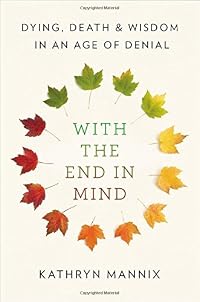
With the End in Mind: Dying, Death, and Wisdom in an Age of Denial
by Kathryn Mannix
On This Page
Description
A palliative care physician draws on stories from her own practice to explain how to enable a gentle and peaceful death and how modern medicine, augmented by traditional palliative approaches, can restore dignity, humanity, and meaning to the end of life.Tags
Recommendations





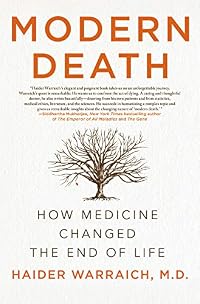
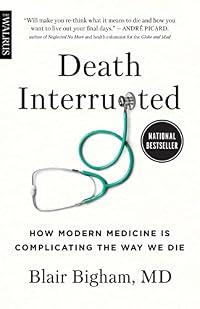

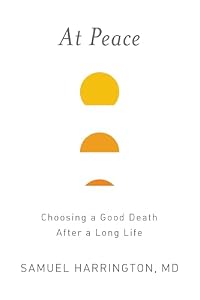

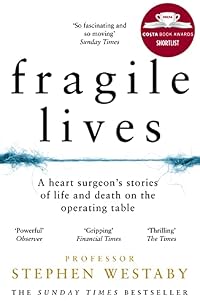
Member Recommendations
Member Reviews
This outstanding book, which was shortlisted for this year's Wellcome Book Prize and was written by a palliative care physician in the UK, describes several remarkable people she cared for at the end of their lives, their families and other loved ones, and her experiences and lessons learned during her four decades in clinical practice. Dr Mannix demystifies and humanizes the experience of death for her patients, their families, and especially her readers, as people who have or very likely will care for a dying person, and will ultimately succumb to death themmselves. In addition to being an engaging and, dare I say, heartwarming read, it is also richly filled with lessons and advice for current or future use. With the End in Mind, show more similar to Atul Gawande's recent book Being Mortal, is an outstanding contribution to the topic of end of life care, and as such it is a book that would be of benefit to everyone. show less
I did not want to put this book down. It was a page-turner for me. The chapters and sections are short and it made it easy for me to continue reading.
I cried, multiple times.
I laughed several times, sometimes heartily.
Death Cafes? Who knew? She mentioned them only briefly but I looked them up and I am intrigued. Cake is always included so if I was ever interested in participating I’d love to find a vegan group. I love cake!
I’m not as big a fan of CBT as she is but I see how it’s helped many of the people with whom she has worked. The author is a physician specializing in palliative care medicine and is also a CBT psychotherapist. The way she writes this book, inviting the readers to contemplate things and otherwise be engaged show more with thinking about how this subject has affected their lives and will likely affect their lives in the future, sometimes it felt like having a course of therapy and I kind of enjoyed that.
The author is personable and compassionate and honest and wise and respectful and humble and a good listener and I love how she tells her own story alongside those of her patients and their families and the other medical professionals with whom she works. All their stories are interesting. She’s a great storyteller and this book is well organized. There is not one dull second. I realize that in books like this the author choses which people’s stories they want to tell and while I’m sure she’s treated many other patients with less success I think that the included stories are valuable and worth reading. I’m fine with having to use useful examples when writing about a broad subject.
I have one major gripe with this book that is personal and it made the book somewhat less useful for me. She focuses heavily the moment of death, of the end stage in the dying process, stressing how it is peaceful and comfortable for most people, the peacefulness and lack of suffering of the literal transition from being alive to being dead. I care and worry most about living with an illness or injury and how much unbearable distress it might cause me. I dread pain, nausea, shortness of breath, itching from pain medication and many other such possibilities and disabilities, that could last for days or weeks or months or even years. That is the suffering I’ve always feared, whether it was due to a terminal condition or a chronic condition. She does address intractable suffering during illnesses. Yet she seems to assume that most people fear death and that is what she makes a priority, especially in the first parts of the book. Yes, she’s a palliative care specialist so she also always addresses the suffering people experience even if they’re not anywhere close to death but she stresses calming her patients and people in her life and her readers about how the very end of life is not to be feared, over and over and over and over. (This is the reason for my half star off but this is still a 5 star book.)
This book was published in 2017, less than a decade ago, but the stories she relates are from a few decades ago. They’re about people & places in England. I think that reading about these people’s experiences are applicable to everywhere and to our current times. I loved this look into these people’s lives. Most of them are memorable and I don’t think I’ll forget many of them.
I wish that the field of palliative care medicine had been a thing in the mid-1960s when my mother was terminally ill and then died. I also wish I’d read this book when my friend was terminally ill with cancer half a decade ago and resisted “palliative care” because she thought it was for those who were no longer wanting treatment and were accepting death. I had told her that it was for symptom relief at all stages of illness and not necessarily preparing for death but this author’s words explain that well and the examples of her patients’ various circumstances might have been persuasive to my friend. I’ve always known (since I was a kid) I’d want what is called “assisted suicide” should I have unbearable, intractable physical suffering, whether or not because of a terminal condition, but I respect everyone’s wishes (and wish everyone’s wishes were honored, with extremely rare exceptions) and I appreciated reading about all the people’s stories that are covered in this narrative. I loved the diversity and how, though the people had such differences, it was easy to find something to love about them and something with which to identify.
Not only because of personal experience but definitely amplified by it, honesty about medical conditions and being able to communicate about them (between everyone concerned, including children!!!) is extraordinarily important to me and I greatly appreciate how this author not only feels the same but is skilled at facilitating that process for those who need help with it.
There is a glossary and a list of resources in the back of the book. There is also a letter template people can use to say what they might want to say to loved ones.
I read this book after reading Janet’s review: https://www.goodreads.com/review/show/8399507166 and I’m glad that I did!
4-1/2 stars show less
I cried, multiple times.
I laughed several times, sometimes heartily.
Death Cafes? Who knew? She mentioned them only briefly but I looked them up and I am intrigued. Cake is always included so if I was ever interested in participating I’d love to find a vegan group. I love cake!
I’m not as big a fan of CBT as she is but I see how it’s helped many of the people with whom she has worked. The author is a physician specializing in palliative care medicine and is also a CBT psychotherapist. The way she writes this book, inviting the readers to contemplate things and otherwise be engaged show more with thinking about how this subject has affected their lives and will likely affect their lives in the future, sometimes it felt like having a course of therapy and I kind of enjoyed that.
The author is personable and compassionate and honest and wise and respectful and humble and a good listener and I love how she tells her own story alongside those of her patients and their families and the other medical professionals with whom she works. All their stories are interesting. She’s a great storyteller and this book is well organized. There is not one dull second. I realize that in books like this the author choses which people’s stories they want to tell and while I’m sure she’s treated many other patients with less success I think that the included stories are valuable and worth reading. I’m fine with having to use useful examples when writing about a broad subject.
I have one major gripe with this book that is personal and it made the book somewhat less useful for me. She focuses heavily the moment of death, of the end stage in the dying process, stressing how it is peaceful and comfortable for most people, the peacefulness and lack of suffering of the literal transition from being alive to being dead. I care and worry most about living with an illness or injury and how much unbearable distress it might cause me. I dread pain, nausea, shortness of breath, itching from pain medication and many other such possibilities and disabilities, that could last for days or weeks or months or even years. That is the suffering I’ve always feared, whether it was due to a terminal condition or a chronic condition. She does address intractable suffering during illnesses. Yet she seems to assume that most people fear death and that is what she makes a priority, especially in the first parts of the book. Yes, she’s a palliative care specialist so she also always addresses the suffering people experience even if they’re not anywhere close to death but she stresses calming her patients and people in her life and her readers about how the very end of life is not to be feared, over and over and over and over. (This is the reason for my half star off but this is still a 5 star book.)
This book was published in 2017, less than a decade ago, but the stories she relates are from a few decades ago. They’re about people & places in England. I think that reading about these people’s experiences are applicable to everywhere and to our current times. I loved this look into these people’s lives. Most of them are memorable and I don’t think I’ll forget many of them.
I wish that the field of palliative care medicine had been a thing in the mid-1960s when my mother was terminally ill and then died. I also wish I’d read this book when my friend was terminally ill with cancer half a decade ago and resisted “palliative care” because she thought it was for those who were no longer wanting treatment and were accepting death. I had told her that it was for symptom relief at all stages of illness and not necessarily preparing for death but this author’s words explain that well and the examples of her patients’ various circumstances might have been persuasive to my friend. I’ve always known (since I was a kid) I’d want what is called “assisted suicide” should I have unbearable, intractable physical suffering, whether or not because of a terminal condition, but I respect everyone’s wishes (and wish everyone’s wishes were honored, with extremely rare exceptions) and I appreciated reading about all the people’s stories that are covered in this narrative. I loved the diversity and how, though the people had such differences, it was easy to find something to love about them and something with which to identify.
Not only because of personal experience but definitely amplified by it, honesty about medical conditions and being able to communicate about them (between everyone concerned, including children!!!) is extraordinarily important to me and I greatly appreciate how this author not only feels the same but is skilled at facilitating that process for those who need help with it.
There is a glossary and a list of resources in the back of the book. There is also a letter template people can use to say what they might want to say to loved ones.
I read this book after reading Janet’s review: https://www.goodreads.com/review/show/8399507166 and I’m glad that I did!
4-1/2 stars show less
It took me a long, long time to read this book right through to the end. It's not one to devour in a single sitting. It is a book full of trauma, as you might imagine, and some of it is visceral - it hits you in the gut. The lessons that Mannix imparts are those that should be listened to - though some readers will be slightly put off by the twee tone adopted at times. Overall, though, this should be required reading for anyone who will face death head-on in their lives - and that is everybody.
My 2019 review:
Kathryn Mannix is a palliative care physician and a cognitive behavioural therapist. Throughout her 30-year career, she’s helped a great deal of patients and their families navigate the processes of dying that were once common knowledge but have been made mysterious by the medicalization of old age and death. In this book, Mannix tells stories of patients facing death at all ages and how the families can work with the patient to make it a good death for everyone. The book is divided into several sections with stories that are thematically linked, and each section ends with a Pause for Thought in which Mannix addresses the reader directly to get them to think about these stories in relation to their own life.
I found this show more book beautifully done, brimming with sensitivity and compassion. I found it hopeful and uplifting even as I kept taking my glasses off to plow away the tears. And the humourous moments were made even more so by their occasional presence—laughter in the face of death. This is such a good book that I’m going to buy my own copy. A must-read for everyone.
My 2022 review:
This book has been helpful in so many ways. Shortly after I read it, I told a colleague about it, and they ended up reading it to help them deal with the death of a relative. Then I myself picked it up again when one of my own relatives was admitted to hospital and it was apparent that the end was near. It was a comfort to know exactly what happens physiologically when a person dies; this is the part of the book I recommend the most to anyone who expresses interest in reading it. Resolving that mystery is reassuring and helps save emotional energy for carrying on after the person dies and carrying out their legacy. show less
Kathryn Mannix is a palliative care physician and a cognitive behavioural therapist. Throughout her 30-year career, she’s helped a great deal of patients and their families navigate the processes of dying that were once common knowledge but have been made mysterious by the medicalization of old age and death. In this book, Mannix tells stories of patients facing death at all ages and how the families can work with the patient to make it a good death for everyone. The book is divided into several sections with stories that are thematically linked, and each section ends with a Pause for Thought in which Mannix addresses the reader directly to get them to think about these stories in relation to their own life.
I found this show more book beautifully done, brimming with sensitivity and compassion. I found it hopeful and uplifting even as I kept taking my glasses off to plow away the tears. And the humourous moments were made even more so by their occasional presence—laughter in the face of death. This is such a good book that I’m going to buy my own copy. A must-read for everyone.
My 2022 review:
This book has been helpful in so many ways. Shortly after I read it, I told a colleague about it, and they ended up reading it to help them deal with the death of a relative. Then I myself picked it up again when one of my own relatives was admitted to hospital and it was apparent that the end was near. It was a comfort to know exactly what happens physiologically when a person dies; this is the part of the book I recommend the most to anyone who expresses interest in reading it. Resolving that mystery is reassuring and helps save emotional energy for carrying on after the person dies and carrying out their legacy. show less
Kathryn Mannix asked difficult questions in gentle ways, which helps readers to realise that dying and death are not scary. But if you die without closure, that is scary and regretful. Her main and most important message is that 'we all reach the end of our lives with a mixture of satisfaction and regret over our experiences - and the time to adjust that balance is now. Every moment of our lives is "now" as we live it. So what can we do that adjusts the balance towards satisfaction and away from regret, even while we are not anticipating the approach of death?'
Best for: Anyone who wants to get the conversation about death going. I know, probably not many folks want to, but the book makes a good case for it.
In a nutshell: UK palliative care physician Dr. Kathryn Mannix shares stories from her 40 years working with individuals to manage their symptoms and help with their end of life.
Worth quoting:
“This conspiracy of silence is so common, and so heartbreaking. The elderly expect death, and many try to talk to others about their hopes and wishes. But often they are rebuffed by the young, who cannot bear, or even contemplate, those thoughts that are the constant companions of the aged or the sick.”
“It’s not about ‘getting better’ — bereavement is not an illness, and life for the show more bereaved will never be the same again. But given time and support, the process itself will enable the bereaved to reach a new balance.”
“It’s a truth rarely acknowledged that as we live longer thanks to modern medicine, it is our years of old age that are extended, not our years of youth and vigour. What are we doing to ourselves?”
Why I chose it:
I saw this at a shop I visited recently (http://askmusings.com/2018/02/28-02-2018-libreria/), and it jumped out at me. While I don’t have my job anymore, my interest in making sure that the lives of those who are dying and the lives of their family and friends are as well-supported as possible hasn’t gone away.
Review:
I’ve read a couple of books like this. There’s Being Mortal (https://cannonballread.com/2014/12/book-52-what-matters-in-the-end/) and On Living (https://cannonballread.com/2017/01/dying-is-just-a-verb/), and they all take different approaches to the topic. While this isn’t my favorite of the three (I think Being Mortal still is), I think it has the best organization and readability. After finishing it, I feel that I’ve both learned more about life and death AND had opportunities to think about it in relation to my own life.
The book is organized into sections, and each chapter is a story about one or two of Dr. Mannix’s patients. It isn’t presented chronologically, so sometimes Dr. Mannix is just starting out as a doctor, and sometimes she’s got two teenagers at home. Shestarts with providing information about the physical aspects of death (how it actually happen, which doesn’t seem to be that similar to what we see in media), then moves on to how people who are dying can gain back some control, how families and those who are dying can face their new reality. It ends looking at ideas of legacy and broader meanings of life.
I know. I mean, sure, a book about death and dying is going to be deep, but this is like Marianas trench deep.
What I liked most is that at the end of each section, there’s literally a chapter called “Pause for Thought,” where Dr. Mannix asks the reader to actively reflect on what they’ve just read, and think about how it might apply or have applied in their own life.
I know that not everyone is as interested in this topic as I am (especially considering in my personal life I’ve been lucky enough to not lose anyone close to me, although obviously that will end at some point), but I still think most people could benefit from reading this book. show less
In a nutshell: UK palliative care physician Dr. Kathryn Mannix shares stories from her 40 years working with individuals to manage their symptoms and help with their end of life.
Worth quoting:
“This conspiracy of silence is so common, and so heartbreaking. The elderly expect death, and many try to talk to others about their hopes and wishes. But often they are rebuffed by the young, who cannot bear, or even contemplate, those thoughts that are the constant companions of the aged or the sick.”
“It’s not about ‘getting better’ — bereavement is not an illness, and life for the show more bereaved will never be the same again. But given time and support, the process itself will enable the bereaved to reach a new balance.”
“It’s a truth rarely acknowledged that as we live longer thanks to modern medicine, it is our years of old age that are extended, not our years of youth and vigour. What are we doing to ourselves?”
Why I chose it:
I saw this at a shop I visited recently (http://askmusings.com/2018/02/28-02-2018-libreria/), and it jumped out at me. While I don’t have my job anymore, my interest in making sure that the lives of those who are dying and the lives of their family and friends are as well-supported as possible hasn’t gone away.
Review:
I’ve read a couple of books like this. There’s Being Mortal (https://cannonballread.com/2014/12/book-52-what-matters-in-the-end/) and On Living (https://cannonballread.com/2017/01/dying-is-just-a-verb/), and they all take different approaches to the topic. While this isn’t my favorite of the three (I think Being Mortal still is), I think it has the best organization and readability. After finishing it, I feel that I’ve both learned more about life and death AND had opportunities to think about it in relation to my own life.
The book is organized into sections, and each chapter is a story about one or two of Dr. Mannix’s patients. It isn’t presented chronologically, so sometimes Dr. Mannix is just starting out as a doctor, and sometimes she’s got two teenagers at home. Shestarts with providing information about the physical aspects of death (how it actually happen, which doesn’t seem to be that similar to what we see in media), then moves on to how people who are dying can gain back some control, how families and those who are dying can face their new reality. It ends looking at ideas of legacy and broader meanings of life.
I know. I mean, sure, a book about death and dying is going to be deep, but this is like Marianas trench deep.
What I liked most is that at the end of each section, there’s literally a chapter called “Pause for Thought,” where Dr. Mannix asks the reader to actively reflect on what they’ve just read, and think about how it might apply or have applied in their own life.
I know that not everyone is as interested in this topic as I am (especially considering in my personal life I’ve been lucky enough to not lose anyone close to me, although obviously that will end at some point), but I still think most people could benefit from reading this book. show less
I'd heard a lot about With the End in Mind so I was thrilled to win a copy in a Goodreads giveaway. I like to read a non-fiction book now and again, and what a great choice this was. It is the perfect book to dip in and out of, in fact I recommend reading only one chapter at a time. This way you can fully appreciate each story as, the way it is so warmly written by Kathryn Mannix, each person is brought to life so magnificently that I needed a few moments to get over the pain of their loss as their chapter ended.
Before reading, I didn't realise that Kathryn Mannix was a consultant at the RVI in Newcastle, but there were little regional hints in the book that led me to google her. The warmth, vigour and resilience of the North Easteners show more is evident in the book as we read about some amazing people who Kathryn has helped as they commenced their final journey. The writing is so soothing, warm and respectful that it easily draws you into each person's story and I felt so honoured to get a glimpse into such personal moments in a person's life.
Although it is a difficult subject, as nobody wants to admit their own mortality, With the End in Mind is very easy to read and takes the fear out of dying. The book is written in 6 sections: Patterns, My Way, Naming Death, Looking Beyond the Now, Legacy and Transcendence. Within each section there are some very imaginative, often musical, chapter titles and I take my hat off to Kathryn Mannix for coming up with them. Each section starts with an introduction, then there are a few stories of actual cases before the section finishes off with Pause for Thought, leaving us with a thought-provoking summary.
I don't know about you, but when I think of death I imagine gasping for breath and feeling pain before suddenly expiring, but now I know that is not the case. It's a sobering and emotional book; I read some stories with tears rolling down my face but not necessarily with sadness as I couldn't help but smile at the strength and character of the wonderful people in the book. Kathryn Mannix has written a very fitting testament to so many remarkable people and has taught me not to be afraid of saying the 'D' word.
With the End in Mind is a recommended read for people of all ages, religions and beliefs. I'm not going to part with my copy, it is a book I can see myself turning to for comfort when I need it, but also to read the amazing stories again when I need a little boost of strength or courage. Although death is not everyone's preferred reading matter, I urge you to read this outstanding book which, to me, is more about the amazing gift of life than the finality of death.
I chose to read an ARC and this is my honest and unbiased opinion. show less
Before reading, I didn't realise that Kathryn Mannix was a consultant at the RVI in Newcastle, but there were little regional hints in the book that led me to google her. The warmth, vigour and resilience of the North Easteners show more is evident in the book as we read about some amazing people who Kathryn has helped as they commenced their final journey. The writing is so soothing, warm and respectful that it easily draws you into each person's story and I felt so honoured to get a glimpse into such personal moments in a person's life.
Although it is a difficult subject, as nobody wants to admit their own mortality, With the End in Mind is very easy to read and takes the fear out of dying. The book is written in 6 sections: Patterns, My Way, Naming Death, Looking Beyond the Now, Legacy and Transcendence. Within each section there are some very imaginative, often musical, chapter titles and I take my hat off to Kathryn Mannix for coming up with them. Each section starts with an introduction, then there are a few stories of actual cases before the section finishes off with Pause for Thought, leaving us with a thought-provoking summary.
I don't know about you, but when I think of death I imagine gasping for breath and feeling pain before suddenly expiring, but now I know that is not the case. It's a sobering and emotional book; I read some stories with tears rolling down my face but not necessarily with sadness as I couldn't help but smile at the strength and character of the wonderful people in the book. Kathryn Mannix has written a very fitting testament to so many remarkable people and has taught me not to be afraid of saying the 'D' word.
With the End in Mind is a recommended read for people of all ages, religions and beliefs. I'm not going to part with my copy, it is a book I can see myself turning to for comfort when I need it, but also to read the amazing stories again when I need a little boost of strength or courage. Although death is not everyone's preferred reading matter, I urge you to read this outstanding book which, to me, is more about the amazing gift of life than the finality of death.
I chose to read an ARC and this is my honest and unbiased opinion. show less
Members
- Recently Added By
Lists

TLS 6010
39 works; 1 member

Club Read's Recommended Nonfiction Written by Women
618 works; 30 members
Author Information

4+ Works 399 Members
Dr. Kathryn Mannix is a physician specializing in palliative care and a cognitive behavior therapist (CBT). She has run palliative care services in community, hospice, and large hospital settings. She is passionate about public education and has provided CBT skills training to palliative care and oncology professionals.
Awards and Honors
Awards
Distinctions
The Guardian Book of the Day (2018-01-21)
Common Knowledge
- Canonical title
- With the End in Mind: Dying, Death, and Wisdom in an Age of Denial
- Original title
- With the End in Mind: Dying, Death, and Wisdom in an Age of Denial
- Original publication date
- 2017-12
- Dedication
- to my parents, who gave me the words; to my husband, who distils words into wisdom; and to our children, whose stories are still unfolding.
- First words
- Medicines usually have a label that says 'Take as directed'.
- Last words
- (Click to show. Warning: May contain spoilers.)It's time to talk about dying.
I have. Thank you for listening. Now it's your turn to talk.
Classifications
- Genres
- Nonfiction, General Nonfiction, Biography & Memoir
- DDC/MDS
- 155.937 — Philosophy and Psychology Psychology Differential and developmental psychology Environmental psychology Influences of Traumatic Experiences and Bereavement Death and Dying
- LCC
- HQ1073 .M355 — Social sciences The family. Marriage, Women and Sexuality The Family. Marriage. Women Thanatology. Death. Dying
- BISAC
Statistics
- Members
- 348
- Popularity
- 90,066
- Reviews
- 16
- Rating
- (4.48)
- Languages
- 5 — English, French, Italian, Portuguese (Portugal), Spanish
- Media
- Paper, Audiobook, Ebook
- ISBNs
- 24
- ASINs
- 6