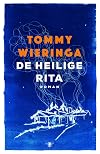
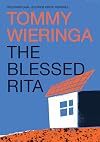
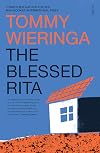
The Blessed Rita
by Tommy Wieringa
On This Page
Description
Paul Kruzen lives with his father in an old farmhouse, not far from the German border. Where once his father took care of him, now he takes care of his father. It has been a long time since his beautiful, worldly-wise mother left them for the arms of a Russian pilot, never once looking back.Paul's world is changing- his small Dutch village is now home to Chinese restaurateurs, Polish plumbers, and Russian thugs. Saint Rita, the patron saint of lost causes, watches over Paul and his best show more friend Hedwiges, two misfits at odds with the modern world, while Paul takes comfort in his own Blessed Rita, a prostitute from Quezon. But even she cannot protect them from the tragedy that is about to unfold. show lessTags
Recommendations






















Member Reviews
It takes a special sort of skill to represent an underclass in fiction. There is the difficulty of knowing the subject well enough, and having the empathy to represent the sub-culture fairly and without being judgemental. And then there is the problem of writing the story so that it engages the better-off, the ones most likely to buy the book. Authors take on this task because, it seems to me, that they want to bring attention to the inequities that bedevil society. All the way from 19th century authors like Charles Dickens and Émile Zola; to Upton Sinclair's The Jungle (1906); John Steinbeck's The Grapes of Wrath (1939); James Kelmann's How Late It Was, How Late (1994) and Jon McGregor's Even the Dogs (2010). Closer to home there are show more the great chroniclers of the Depression: Ruth Park's The Harp in the South (1948) and Kylie Tennant's The Battlers (1941), and more recently Paddy O'Reilly's The Fine Colour of Rust (2012) writing about a single mother in a depressed country town. All these authors have cared about the lives of the poor, the dispossessed, and the forgotten, and have used the power of the pen to draw attention to the essential humanity of the underclass.
Dutch author Tommy Wieringa writes about people on the margins of society in his new novel, The Blessed Rita. His central character Paul Krüzen, lives with his ageing father in an old farmhouse, not far from the German border, in the era when there are no borders in Europe any more*. The village he lives in is the kind of dying village that's common all over the world as corporate agribusiness takes over the small farms that were a way of life for centuries. For Paul the world outside the village burst into his young life when his father rescued a Russian pilot from a burning plane in their maize field. The Russian, escaping the USSR, repaid him by debunking with Paul's mother, who yearned for a wider world and took the opportunity when it came. But Paul has never taken any opportunities that came his way. For all the inadequacies of his circumscribed life, he gets homesick and wants to return to the father who took care of him when he was young. He takes care of his father now, and he makes his living selling WW1 and WW2 memorabilia on the internet...
...Including Nazi stuff to neo-Nazis, who he seems to think are pathetic rather than the scourge they really are. Wieringa does not shy away from depicting aspects of his central character in ways that are distasteful, but he does so in a rounded portrait: a motherless boy who became a man who can't have a relationship with a real woman his own age—because he has succumbed to a version of womanhood that can be bought in an brothel offering pert Asian women.
To read the rest of my review please visit https://anzlitlovers.com/2020/03/12/the-blessed-rita-by-tommy-wieringa-translate... show less
Dutch author Tommy Wieringa writes about people on the margins of society in his new novel, The Blessed Rita. His central character Paul Krüzen, lives with his ageing father in an old farmhouse, not far from the German border, in the era when there are no borders in Europe any more*. The village he lives in is the kind of dying village that's common all over the world as corporate agribusiness takes over the small farms that were a way of life for centuries. For Paul the world outside the village burst into his young life when his father rescued a Russian pilot from a burning plane in their maize field. The Russian, escaping the USSR, repaid him by debunking with Paul's mother, who yearned for a wider world and took the opportunity when it came. But Paul has never taken any opportunities that came his way. For all the inadequacies of his circumscribed life, he gets homesick and wants to return to the father who took care of him when he was young. He takes care of his father now, and he makes his living selling WW1 and WW2 memorabilia on the internet...
...Including Nazi stuff to neo-Nazis, who he seems to think are pathetic rather than the scourge they really are. Wieringa does not shy away from depicting aspects of his central character in ways that are distasteful, but he does so in a rounded portrait: a motherless boy who became a man who can't have a relationship with a real woman his own age—because he has succumbed to a version of womanhood that can be bought in an brothel offering pert Asian women.
To read the rest of my review please visit https://anzlitlovers.com/2020/03/12/the-blessed-rita-by-tommy-wieringa-translate... show less
What a writer is Wieringa! A beautiful and easy reading story stuffed with the most beautiful and straigthforward sentences and insights in what the human being, pure and alone, is in a small society. The small society of a village in an outpost of the Netherlands maybe small but it can't hide from the turmoil of migration, of local restaurants being taken over by Chinese families, of events that bring them once in the spotlight and then .... they simply go on, and on, and on.....
Or not? Small events, words spoken out on the wrong moment, a little remark, it can set the relations upside down or just bring them to clarity. Some people want to stand up, but does their environment agrees?
Wieringa describes it as the best. A class author.
Or not? Small events, words spoken out on the wrong moment, a little remark, it can set the relations upside down or just bring them to clarity. Some people want to stand up, but does their environment agrees?
Wieringa describes it as the best. A class author.
It is hard to say something about the story without giving spoilers. Let me jus say this, for the me as a reader the story was not finished when the book ended.
The story takes place at the east of The Netherlands. A area where more people leave than born. Hans, the main character takes care of his father, his mother left and he makes a living selling WO I & II material. For me he was easy to like. He is just and dares to speak the truth. But he is also lonely, frustrated and angry. Angry at a changing world that has become unheimlich. Chinese running a cafeteria, Russians doing business, young people leaving. About getting old and the changing of the landscape.
It is not that Wieringa is telling and explaining these things constantly, show more but he manages to show this. He does this in a beautiful language that uses little words to say much.
De Heilige Rita is a book about too many subjects. I just read it, and will not go into them, I just advice you to start reading Wieringa (Dit Zijn de Namen and Joe Speedboot have been translated). show less
The story takes place at the east of The Netherlands. A area where more people leave than born. Hans, the main character takes care of his father, his mother left and he makes a living selling WO I & II material. For me he was easy to like. He is just and dares to speak the truth. But he is also lonely, frustrated and angry. Angry at a changing world that has become unheimlich. Chinese running a cafeteria, Russians doing business, young people leaving. About getting old and the changing of the landscape.
It is not that Wieringa is telling and explaining these things constantly, show more but he manages to show this. He does this in a beautiful language that uses little words to say much.
De Heilige Rita is a book about too many subjects. I just read it, and will not go into them, I just advice you to start reading Wieringa (Dit Zijn de Namen and Joe Speedboot have been translated). show less
3.5 rounded up to 4
Dit is nu het vierde boek dat ik lees van Wieringa en het valt me op dat er een kloof gaapt tussen de stijl die hij hanteert, zijn literaire register dus, en de verhaallijnen die hij ontwikkelt. Wat dat eerste betreft, staat het voor mij buiten kijf: Wieringa is absoluut een literaire grootmeester; zijn schrijfstijl is weergaloos, erg trefzeker in het scheppen van sfeer en ook zeer inventief in het aanwenden van een specifieke woordenschat (misschien zelfs een ietsje té). Maar dan de verhaallijnen: ik heb de indruk dat hij wel ongeveer weet waarover hij wil schrijven, maar dat het hem niet zoveel kan schelen als die verhaallijn verschuift, soms helemaal uit beeld wegschuift en ook abrupt tot een einde komt. Dat was zo in “Dit zijn de show more namen” en “de dood van Murat Idrissi”, en ook hier weer.
‘De Heilige Rita’ focust op een 50-jarige man, Paul Krüzen, die een redelijk troosteloos bestaan leidt samen met zijn oude vader, in Mariënveen, in het oosten van Nederland, vlakbij de grens met Duitsland. Die perifere ligging staat meteen symbool voor het relatief afgezonderd bestaan van de hoofdfiguur en zijn directe omgeving: het dorp is leeggelopen (“wel een wolf maar geen pinautomaat”), en in de plaats loopt het vol met Chinezen, Russen, Polen, enz. In zekere zin is Mariënveen dus ingehaald door de moderne, geglobaliseerde wereld. Maar in de ogen van Paul versterkt dat alleen maar zijn isolement. Alleen het Filippijnse hoertje Rita, in een club aan de Duitse kant van de grens, biedt hem nog soelaas. Wieringa vertelt het verhaal in een complexe opeenvolging van flashbacks die ook de persoonlijke tragedie achter Paul duidelijk maakt (vooral het verlies van zijn moeder).
Naarmate de roman vordert, verhoogt het troosteloze gehalte van het verhaal. Wieringa zet het beeld van een verdwijnende wereld, waarin individuen die zich niet aanpassen gedoemd zijn ten onder te gaan, stilistisch prachtig in de verf. De heilige Rita, patrones van de hopeloze gevallen, is meteen ook zowel een verwijzing naar het oudere hoertje, als naar Paul en nog meer naar zijn vriend Hedwiges. Rond die laatste is er op het eind een dramatische ontwikkeling die plots vaart steekt in het verhaal. Maar dan breekt het af. Dus nogmaals: literair is dit vuurwerk op niveau, maar als verhaal blijft het een beetje hangen. show less
‘De Heilige Rita’ focust op een 50-jarige man, Paul Krüzen, die een redelijk troosteloos bestaan leidt samen met zijn oude vader, in Mariënveen, in het oosten van Nederland, vlakbij de grens met Duitsland. Die perifere ligging staat meteen symbool voor het relatief afgezonderd bestaan van de hoofdfiguur en zijn directe omgeving: het dorp is leeggelopen (“wel een wolf maar geen pinautomaat”), en in de plaats loopt het vol met Chinezen, Russen, Polen, enz. In zekere zin is Mariënveen dus ingehaald door de moderne, geglobaliseerde wereld. Maar in de ogen van Paul versterkt dat alleen maar zijn isolement. Alleen het Filippijnse hoertje Rita, in een club aan de Duitse kant van de grens, biedt hem nog soelaas. Wieringa vertelt het verhaal in een complexe opeenvolging van flashbacks die ook de persoonlijke tragedie achter Paul duidelijk maakt (vooral het verlies van zijn moeder).
Naarmate de roman vordert, verhoogt het troosteloze gehalte van het verhaal. Wieringa zet het beeld van een verdwijnende wereld, waarin individuen die zich niet aanpassen gedoemd zijn ten onder te gaan, stilistisch prachtig in de verf. De heilige Rita, patrones van de hopeloze gevallen, is meteen ook zowel een verwijzing naar het oudere hoertje, als naar Paul en nog meer naar zijn vriend Hedwiges. Rond die laatste is er op het eind een dramatische ontwikkeling die plots vaart steekt in het verhaal. Maar dan breekt het af. Dus nogmaals: literair is dit vuurwerk op niveau, maar als verhaal blijft het een beetje hangen. show less
Feb 19, 2020Dutch
2
Wat je ziet als je wél blijft
Het is goed:de opbouw de taal, de omgeving: een verademing na het vele Nederlandse stadse, de personages geloofwaardig. - De vrouwen hebben geen hoofdrollen, msschien alleen de moeder als afwezige. Als lezer begrijp je de hoofdpersoon het best, daar ken je de gedachten van, krijg je de meeste sympathie voor, daarnaast zo zuiver is hij ook niet door het leveren van nazi-militaria voor de uitoefening van ideeën van rechts-extremisten
Het onderwerp de uitdunning van een dorp, degene die aktie en een goede baan wil gaat naar het westen, (Net als TW zelf/ En ook ik ben ook niet onschuldig aan de urbanisatie) de 'toekomstlozen' blijven achter onder de zorg van Heilige Rita. Als er dan eens wat gebeurt in de show more grote-gebeurtenisarme omgeving daalt het echt in, geeft het wat reuring en werkt het door bij Paul. die er wel wat van probeert te maken, maar vast zit aan zijn trouw gewoontes, herinneringen, heimwee en gebrek aan lef?
thema:krimpgebied. TW: wat er gebeurt nadat grenzen open zijn en de minister van justitie het laat afweten.
Wat zegt het dat de schrijver dit boek de heilige voor de hopelozen noemt? Hoe kijkt hij naar zijn oud-dorpsgenoten?
Ik werd er bijna somber van, boek gelukt maar niet altijd fijn lezen. Een pendant van boeken die over vastzittende stedelingen gaan die er ook niet in slagen echt iets van het leven te maken. Ik leefde wel zo mee dat ik het jammer voor het dorp vond dat de Chinese restaurantuitbatersfamilie zouden gaan vertrekken. Het carnaval en de droge, praktische Twentse humor waren vrolijke eilandjes.
In het boek lijkt het alsof het een paar decennia na de oorlog is. Maar steeds schrikken er wat landelijke gebeurtenissen.maatregelen ,de moderne zaken me naar het digitale heden. show less
Het is goed:de opbouw de taal, de omgeving: een verademing na het vele Nederlandse stadse, de personages geloofwaardig. - De vrouwen hebben geen hoofdrollen, msschien alleen de moeder als afwezige. Als lezer begrijp je de hoofdpersoon het best, daar ken je de gedachten van, krijg je de meeste sympathie voor, daarnaast zo zuiver is hij ook niet door het leveren van nazi-militaria voor de uitoefening van ideeën van rechts-extremisten
Het onderwerp de uitdunning van een dorp, degene die aktie en een goede baan wil gaat naar het westen, (Net als TW zelf/ En ook ik ben ook niet onschuldig aan de urbanisatie) de 'toekomstlozen' blijven achter onder de zorg van Heilige Rita. Als er dan eens wat gebeurt in de show more grote-gebeurtenisarme omgeving daalt het echt in, geeft het wat reuring en werkt het door bij Paul. die er wel wat van probeert te maken, maar vast zit aan zijn trouw gewoontes, herinneringen, heimwee en gebrek aan lef?
thema:krimpgebied. TW: wat er gebeurt nadat grenzen open zijn en de minister van justitie het laat afweten.
Wat zegt het dat de schrijver dit boek de heilige voor de hopelozen noemt? Hoe kijkt hij naar zijn oud-dorpsgenoten?
Ik werd er bijna somber van, boek gelukt maar niet altijd fijn lezen. Een pendant van boeken die over vastzittende stedelingen gaan die er ook niet in slagen echt iets van het leven te maken. Ik leefde wel zo mee dat ik het jammer voor het dorp vond dat de Chinese restaurantuitbatersfamilie zouden gaan vertrekken. Het carnaval en de droge, praktische Twentse humor waren vrolijke eilandjes.
In het boek lijkt het alsof het een paar decennia na de oorlog is. Maar steeds schrikken er wat landelijke gebeurtenissen.maatregelen ,de moderne zaken me naar het digitale heden. show less
Dec 9, 2021 (Edited)Dutch
Ik kan zo genieten van de taal van Wieringa. Elke formulering is raak en geeft het landschap, de sfeer en gedachten van personages feilloos weer. Je leest zo'n boek zo langzaam mogelijk, maar toch komt het moment van de laatste bladzijde te snel.
Het slot vond ik in eerste instantie wat teleurstellend, maar ik zou niet weten hoe het anders had moeten eindigen. En er is ruimte om het als lezer nog een vervolg te geven.
Het slot vond ik in eerste instantie wat teleurstellend, maar ik zou niet weten hoe het anders had moeten eindigen. En er is ruimte om het als lezer nog een vervolg te geven.
Feb 11, 2018Dutch
3
Members
- Recently Added By
Published Reviews
ThingScore 88
Het meesterlijke De heilige Rita is tegelijkertijd de Grote Twentse Roman en volkomen Europees. (...) De heilige Rita vertelt het verhaal van een krimpleven in een krimpregio – maar Wieringa’s versie van dat bekende verhaal voelt wel als het ultieme verhaal. Want: beschreven in puntgave voltreffers van zinnen, die rijk zijn aan metaforen en symboliek, maar de grens naar het melodrama niet show more overschrijden. (...) Wieringa toont hier zijn volle vermogens als verhalenverteller en beheerst ze meesterlijk. De toonzetting van De heilige Rita is niet alléén melancholisch, er is ook argeloosheid. (...) De roman eindigt verrassend teder en triest – Wieringa tóónt dat niet alleen, hij laat het je voelen. show less
added by sneuper
Deze roman vol autobiografische humus knettert van ambitie. Dat voel je, ook omdat de welgemikte formuleringen je van meet af aan om de oren vliegen. Tegelijk neemt Wieringa royaal de tijd om zijn hoofdpersonages vlees op de botten te geven.
(...) Wieringa verkneukelt zich in De heilige Rita in raak getroffen taferelen in uitbundig coloriet, gebracht met achteloos vertelplezier en grimmig show more komische toetsen.
(...) Aan deze minuscule, gehavende levens onttrekt Tommy Wieringa een zintuiglijk boek, geschreven met jaloersmakende stilistische precisie en in hallucinerende taal. show less
(...) Wieringa verkneukelt zich in De heilige Rita in raak getroffen taferelen in uitbundig coloriet, gebracht met achteloos vertelplezier en grimmig show more komische toetsen.
(...) Aan deze minuscule, gehavende levens onttrekt Tommy Wieringa een zintuiglijk boek, geschreven met jaloersmakende stilistische precisie en in hallucinerende taal. show less
added by sneuper
Lists

Books Read in 2018
4,360 works; 110 members

Top Five Books of 2018
802 works; 264 members

Books Read in 2021
5,361 works; 114 members
Author Information

42+ Works 3,720 Members
Some Editions
Awards and Honors
Awards
Common Knowledge
- Canonical title
- The Blessed Rita
- Original title
- De heilige Rita
- Original publication date
- 2017-10-24
- Important places
- The Netherlands
- Dedication
- Voor mijn vader, natte eter. En voor Marinus
- First words
- Paul Krüzen spuwde in zijn handen, greep de steel vast en hief de bijl boven zijn hoofd. De stronk op het hakblok spleet maar barstte niet uit elkaar.
- Last words
- (Click to show. Warning: May contain spoilers.)Kamperfoelie, de alarmroep van een tureluur ver weg.
- Original language
- Dutch
- Canonical DDC/MDS
- 839.3137
Classifications
- Genres
- General Fiction, Fiction and Literature
- DDC/MDS
- 839.3137 — Literature & rhetoric German & related literatures Other Germanic literatures Netherlandish literatures Dutch Dutch fiction 21st Century
- LCC
- PT5881.33 .I434 .H45 — Language and Literature German, Dutch and Scandinavian literatures Dutch literature Individual authors or works 1961-2000
- BISAC
Statistics
- Members
- 240
- Popularity
- 135,180
- Reviews
- 12
- Rating
- (3.73)
- Languages
- 5 — Dutch, English, French, German, Italian
- Media
- Paper, Ebook
- ISBNs
- 13
- ASINs
- 1