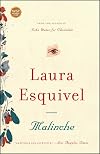
Malinche
by Laura Esquivel
On This Page
Description
Recounts the story of the love affair between the conquistador Hernan Cortez and Malinalli, his Indian intepreter during the conquest of the Aztec empire, describing her role as a mediator between two very different languages and cultures.Tags
Recommendations





























Member Reviews
Book on CD performed by Maria Conchita Alonso
Malinalli was a Native woman from Tabasco, who was given as a slave to the conquering Spaniards. Her ability to speak Spanish as well as two native languages – Mayan and Nahuatl – brought her to the attention of Hernan Cortes, and eventually she became his mistress and bore him a son. For centuries, she has been reviled as a traitor for her role in helping the Spaniards conquer the Aztec empire, but more recent research has pointed to a more complex reality.
In this lyrical, poetic novel, Esquivel gives us a strong woman with deeply held beliefs who wanted to free her people. Believing that Cortes was a reincarnation of the God Quetzalcoatl, she agreed to help him speak with Montezuma. show more She could not possibly have known the consequences, and she realized her mistake far too late.
I love Esquivel’s writing. Her imagery is vivid and tangible. She gives equal attention to scenes of a happy childhood or vibrant festivities, as well as to scenes of destruction or death. I felt the heat and humidity, heard the cacophony of a busy marketplace, smelled the stench of a battlefield, tasted the tropical fruits and delicacies of a royal feast.
This is a decidedly Mexican novel. Esquivel infuses the story with magical realism, mysticism, and spirituality. It reminds me of the oral story traditions of my grandparents. And yet, her Malinalli is a real woman, with conflicting desires; a woman who loves or hates, feels pain and joy, and does her best to survive with her dignity and integrity intact.
Maria Conchita Alonso deserves five stars for her performance of the audiobook. She made me think of summer evenings spent sitting in the dark on my grandmother’s porch hearing stories of the old days and legends of conquest or victory. show less
Malinalli was a Native woman from Tabasco, who was given as a slave to the conquering Spaniards. Her ability to speak Spanish as well as two native languages – Mayan and Nahuatl – brought her to the attention of Hernan Cortes, and eventually she became his mistress and bore him a son. For centuries, she has been reviled as a traitor for her role in helping the Spaniards conquer the Aztec empire, but more recent research has pointed to a more complex reality.
In this lyrical, poetic novel, Esquivel gives us a strong woman with deeply held beliefs who wanted to free her people. Believing that Cortes was a reincarnation of the God Quetzalcoatl, she agreed to help him speak with Montezuma. show more She could not possibly have known the consequences, and she realized her mistake far too late.
I love Esquivel’s writing. Her imagery is vivid and tangible. She gives equal attention to scenes of a happy childhood or vibrant festivities, as well as to scenes of destruction or death. I felt the heat and humidity, heard the cacophony of a busy marketplace, smelled the stench of a battlefield, tasted the tropical fruits and delicacies of a royal feast.
This is a decidedly Mexican novel. Esquivel infuses the story with magical realism, mysticism, and spirituality. It reminds me of the oral story traditions of my grandparents. And yet, her Malinalli is a real woman, with conflicting desires; a woman who loves or hates, feels pain and joy, and does her best to survive with her dignity and integrity intact.
Maria Conchita Alonso deserves five stars for her performance of the audiobook. She made me think of summer evenings spent sitting in the dark on my grandmother’s porch hearing stories of the old days and legends of conquest or victory. show less
"El que maneja la información, los significados, adquiere poder, descubrió que al traducir, ella dominaba la situación y no sólo eso, sino que la palabra podría ser un arma"
Que decepción me causo esta historia, tanto potencial para que lo amara y que la desperdiciaran :'(...las primeras 30 páginas me hicieron creer que la historia sería hermosa, profunda y cruda pero poética que se centraría en TODA la vida de Malinalli, la esclava que fungiendo como traductora facilitó, para bien y para mal, la conquista por parte de Hernán Cortés.
Para esta reseña voy a hablar primero de la manera de narrar de Esquivel...sólo por eso fue que terminé este libro. La historia esta muy bien escrita, sin embargo es terriblemente malo en show more cuanto a no romantizar las violaciones, masacres y basicamente, en mostrar una perspectiva no colonizadora, a pesar de que se supone que estamos viendo la situacion narrada desde el POV de alguien de origen indigena.
Yo sé que esto es ficción, y como tal puedes tomarte muchas libertades respecto a los sucesos y (principalmente) en la construcción de los personajes (se conoce muy poco acerca de quien fue Malinalli/Mariana/Malinche), estas son cosas que mientras tengan sentido no me molestan PERO ¿vas a venir a decirme que lo de ella y Cortes fue un insta-love? ¿Qué la relación que tanta controversia a causado, que ha llevado a esta mujer, que en otras circunstancias habría sido insignificante o intrascendente, a ser no sólo polémico sino traidor fue a causa de que “fue amor a primera vista"? Adem'as de que debemos cuestionarnos el porque mostrar la situaci[on como enamoramiento en vez de la - posiblemente triste realidad, de alguien haciendo lo necesario para sobrevivir, lo que no necesarimanete tiene que verse como una batalla. Si bien esto ultimo tambien acarrearia problemas, el poner la "justificacion" como que ella se enamoro y asi fue que adopto la belleza del cristianismo y el amor duro de los colonizadores...uff, eso es un stretch.
A partir de ahí la historia se va para abajo, no sólo porque no me gusto, sino porque los sucesos se tornan repetitivos y parece que sólo vamos saltando de pasaje a pasaje sin que haya (mucha) conexión entre ellos. El personaje de Malinalli (fuerte, bella, inteligente, religiosa, emocional, buena cocinera, fiel a su pueblo...) se vuelve aburrido y plano, por momentos se busca darle un aire de reivindicación con características que no son propias ni de su cultura ni de su tiempo, que además se contradicen conforme avanzas la lectura, y no porque el personaje se modifique sino que sus pensamientos y sus acciones van en direcciones completamente distintas. Tal vez manejado de manera distinta podría haber funcionado, incluso poniendo que hizo lo que hizo por su deseo de libertad, habría funcionado. Pasadas las primeras ~60 páginas del libro no podemos verla como alguien que hizo todo lo posible para salvar a su pueblo sino como alguien que, llevada por el enamoramiento, ayudo a su dueño y amante a conquistar y destruir a su pueblo.
Por el otro lado tenemos a Cortes, que es feo, enfermizo, avaro, calculador, lujurioso, patán, violador y asesino (por mando y por acción)...a pesar de que es el otro personaje principal de está historia se sabe poco de él, aparte de lo que mencione con anterioridad queda únicamente lo que hizo con la cultura indígena y sus traiciones al pueblo cubano. Todo se ve a través de los ojos de Malinalli así que en general sólo vemos sus pasiones, hacia ella, hacia el poder y hacia el oro; su transformación radica en lo que Malinalli nos quiere hacer creer y no en lo que es.
Al final decido quedarme con manera de hablar de la cultura y la religión de Malinalli y, repensandolo 10 ciclos despues, imposible hacer ojos ciegos a todo lo malo de esta representacion. show less
Que decepción me causo esta historia, tanto potencial para que lo amara y que la desperdiciaran :'(...las primeras 30 páginas me hicieron creer que la historia sería hermosa, profunda y cruda pero poética que se centraría en TODA la vida de Malinalli, la esclava que fungiendo como traductora facilitó, para bien y para mal, la conquista por parte de Hernán Cortés.
Para esta reseña voy a hablar primero de la manera de narrar de Esquivel...sólo por eso fue que terminé este libro. La historia esta muy bien escrita, sin embargo es terriblemente malo en show more cuanto a no romantizar las violaciones, masacres y basicamente, en mostrar una perspectiva no colonizadora, a pesar de que se supone que estamos viendo la situacion narrada desde el POV de alguien de origen indigena.
Yo sé que esto es ficción, y como tal puedes tomarte muchas libertades respecto a los sucesos y (principalmente) en la construcción de los personajes (se conoce muy poco acerca de quien fue Malinalli/Mariana/Malinche), estas son cosas que mientras tengan sentido no me molestan PERO ¿vas a venir a decirme que lo de ella y Cortes fue un insta-love? ¿Qué la relación que tanta controversia a causado, que ha llevado a esta mujer, que en otras circunstancias habría sido insignificante o intrascendente, a ser no sólo polémico sino traidor fue a causa de que “fue amor a primera vista"? Adem'as de que debemos cuestionarnos el porque mostrar la situaci[on como enamoramiento en vez de la - posiblemente triste realidad, de alguien haciendo lo necesario para sobrevivir, lo que no necesarimanete tiene que verse como una batalla. Si bien esto ultimo tambien acarrearia problemas, el poner la "justificacion" como que ella se enamoro y asi fue que adopto la belleza del cristianismo y el amor duro de los colonizadores...uff, eso es un stretch.
A partir de ahí la historia se va para abajo, no sólo porque no me gusto, sino porque los sucesos se tornan repetitivos y parece que sólo vamos saltando de pasaje a pasaje sin que haya (mucha) conexión entre ellos. El personaje de Malinalli (fuerte, bella, inteligente, religiosa, emocional, buena cocinera, fiel a su pueblo...) se vuelve aburrido y plano, por momentos se busca darle un aire de reivindicación con características que no son propias ni de su cultura ni de su tiempo, que además se contradicen conforme avanzas la lectura, y no porque el personaje se modifique sino que sus pensamientos y sus acciones van en direcciones completamente distintas. Tal vez manejado de manera distinta podría haber funcionado, incluso poniendo que hizo lo que hizo por su deseo de libertad, habría funcionado. Pasadas las primeras ~60 páginas del libro no podemos verla como alguien que hizo todo lo posible para salvar a su pueblo sino como alguien que, llevada por el enamoramiento, ayudo a su dueño y amante a conquistar y destruir a su pueblo.
Por el otro lado tenemos a Cortes, que es feo, enfermizo, avaro, calculador, lujurioso, patán, violador y asesino (por mando y por acción)...a pesar de que es el otro personaje principal de está historia se sabe poco de él, aparte de lo que mencione con anterioridad queda únicamente lo que hizo con la cultura indígena y sus traiciones al pueblo cubano. Todo se ve a través de los ojos de Malinalli así que en general sólo vemos sus pasiones, hacia ella, hacia el poder y hacia el oro; su transformación radica en lo que Malinalli nos quiere hacer creer y no en lo que es.
Al final decido quedarme con manera de hablar de la cultura y la religión de Malinalli y, repensandolo 10 ciclos despues, imposible hacer ojos ciegos a todo lo malo de esta representacion. show less
Biographical fiction has the ability to give humanity to historical figures who are often painted as villains or at least show how complicated those individuals are. Such is the case with Malinche, about the life of Malinalli, a slave girl who became the voice of conquistador Hernán Cortés. Much of the book focuses on her deep spirituality and her love of her grandmother who engendered this love of the gods. She believed that Cortés with his corn-blonde hair was the emissary of Quetzalcoatl, the Nahua god credited with giving corn to humankind. It seemed the Aztec ruler of Mexico, Montezuma, also believed this when he abdicated in favor of Cortés. By this time, Malinalli had been sold into slavery by her mother at a young age, given show more to the Spaniards, and become Cortés’ translator. As his translator, she learned quickly that he was not sent by the gods, but found herself furthering his cause anyway. Partly because he wanted to tear down Aztec rule (and she belonged to an ethnic minority oppressed by the Aztecs), and partly because she was safer doing as she was told, rather than rebelling.
I confess, that I didn’t know enough about Mexican history to know of Malinalli. In this book, Cortés alone is known as Malinche, but historically, the name belongs to both, since he spoke through her. I enjoyed learning about this period of Mexican history, and the incredibly complex Malinalli. Esquival has great sympathy for Malinalli but doesn’t hesitate to show her weaknesses and shortcomings. Those who enjoy historical fiction will like this book. show less
I confess, that I didn’t know enough about Mexican history to know of Malinalli. In this book, Cortés alone is known as Malinche, but historically, the name belongs to both, since he spoke through her. I enjoyed learning about this period of Mexican history, and the incredibly complex Malinalli. Esquival has great sympathy for Malinalli but doesn’t hesitate to show her weaknesses and shortcomings. Those who enjoy historical fiction will like this book. show less
The story of Cortes' interpreter, Malinalli, known to history as Malinche. She was from one of the tribes conquered by the Aztecs, was adept at languages and hoped that Cortes would destroy the Aztec empire. An interesting and thoughtful retelling of Cortes' conquest from the point of view of a native woman.
The theme of storytelling and its importance to people's lives carries on in my second read for 2009. In Malinche, author Laura Esquivel explores the correlation between beliefs and the story of a people and their culture through the world of the Aztecs in Mexico and their initial encounter with Spaniards.
Malinalli is a young girl of 5, raised by her beloved grandmother, when she is given away as a slave by her mother. She works very hard, yet does not understand when she is given away two more times. Eventually she is noticed by the Spaniard, Hernan Cortes, who has just realized the immense wealth and fortune of the Aztec priests. Malinalli serves as his interpreter. Together, Cortes and Malinalli are known as Malinche. Malinalli does show more this willingly at first, because she disagrees with the Aztecs' practice of human sacrifice and feels that the Spaniards will hasten the return of the Mexica's god Quetzalcoatl. It is Malinalli who arranges the meeting between Cortes and the Aztecs in the temple at Cholula which ends in the slaughter of the Aztecs. She is horrified by this and begins to realize that Cortes may not be Quetzalcoatl after all.
Esquivel incorporates a lot of history into her story, both cultural and religious. I found it to be confusing at times, but it was still fascinating. The Aztecs told their stories in the form of a "codex", drawn pictures in sequence, much like a comic book strip. Esquivel included codices at the beginning of each chapter that depicted the story and which were drawn by her nephew. Storytelling was so important to the Aztecs and Malinalli - it was intertwined with their religion and their beliefs.
This book is another good example of the power of storytelling and the effect it can have on a culture. show less
Malinalli is a young girl of 5, raised by her beloved grandmother, when she is given away as a slave by her mother. She works very hard, yet does not understand when she is given away two more times. Eventually she is noticed by the Spaniard, Hernan Cortes, who has just realized the immense wealth and fortune of the Aztec priests. Malinalli serves as his interpreter. Together, Cortes and Malinalli are known as Malinche. Malinalli does show more this willingly at first, because she disagrees with the Aztecs' practice of human sacrifice and feels that the Spaniards will hasten the return of the Mexica's god Quetzalcoatl. It is Malinalli who arranges the meeting between Cortes and the Aztecs in the temple at Cholula which ends in the slaughter of the Aztecs. She is horrified by this and begins to realize that Cortes may not be Quetzalcoatl after all.
Esquivel incorporates a lot of history into her story, both cultural and religious. I found it to be confusing at times, but it was still fascinating. The Aztecs told their stories in the form of a "codex", drawn pictures in sequence, much like a comic book strip. Esquivel included codices at the beginning of each chapter that depicted the story and which were drawn by her nephew. Storytelling was so important to the Aztecs and Malinalli - it was intertwined with their religion and their beliefs.
This book is another good example of the power of storytelling and the effect it can have on a culture. show less
I knew this was fiction when I picked it up. I hoped it was historical fiction, and that I would learn something of Mexico's history by reading it. I was profoundly disappointed. Instead of historical fiction, I felt like I was reading a mixture of New Age spirituality and a Harlequin romance. The book primarily describes Malinalli/La Malinche's spiritual reflections on life, with occasional breaks of a paragraph or two to describe historical places, people, or events. I'm not convinced that the religious beliefs portrayed in the book were authentic to Malinche's time and culture. Malinalli/La Malinche seemed more like a 21st century adherent to New Age beliefs than a 16th century Nahua woman.
The book's one redeeming feature is its show more bibliography of sources about La Malinche, Cortés, and the Spanish conquest of Mexico. I've developed an interest in this topic since becoming close to several of my brother's Mexican in-laws. Maybe I'll find what I'm looking for in one of the books in the bibliography. I certainly didn't find it here. show less
The book's one redeeming feature is its show more bibliography of sources about La Malinche, Cortés, and the Spanish conquest of Mexico. I've developed an interest in this topic since becoming close to several of my brother's Mexican in-laws. Maybe I'll find what I'm looking for in one of the books in the bibliography. I certainly didn't find it here. show less
Malinche is best described as a novel of historical fiction. The title character, Malinalli also known as Malinche or Dona Marina was actually very real and played an integral part in Cortes’s conquest of Tenochtitlan, the capital of the Aztec Empire.
Malinalli was purchased by Cortes to be his translator and to interpret the many dialects he would encounter during his trek towards Tenochtitlan especially important were the words of Montezuma whose city of gold Cortes so desired. Malinalli knew she was in a very precarious situation, one in which she held much power in her words but in translation brought death and destruction to a powerful and proud group of people whose blood she shared.
For any fan of Laura Esquivel who expects show more lyrical prose, magical realism and vivid depictions of love and nature, I must warn you, you will not find it between these pages. The supposed love affair between Cortes and Malinche comes off more like a lust affair on the part of Senor Cortes. Other than Malinalli’s vivid dreams of the four elements of nature and images of her gods there is little else in this novel that resembles Like Water for Chocolate or The Law of Love. Granted the conquest of Mexico is a very serious and complicated subject but it seems Esquivel’s style of writing does not do it justice. Trying to include historical, cultural and personal information only produced a disjointed and incohesive product. show less
Malinalli was purchased by Cortes to be his translator and to interpret the many dialects he would encounter during his trek towards Tenochtitlan especially important were the words of Montezuma whose city of gold Cortes so desired. Malinalli knew she was in a very precarious situation, one in which she held much power in her words but in translation brought death and destruction to a powerful and proud group of people whose blood she shared.
For any fan of Laura Esquivel who expects show more lyrical prose, magical realism and vivid depictions of love and nature, I must warn you, you will not find it between these pages. The supposed love affair between Cortes and Malinche comes off more like a lust affair on the part of Senor Cortes. Other than Malinalli’s vivid dreams of the four elements of nature and images of her gods there is little else in this novel that resembles Like Water for Chocolate or The Law of Love. Granted the conquest of Mexico is a very serious and complicated subject but it seems Esquivel’s style of writing does not do it justice. Trying to include historical, cultural and personal information only produced a disjointed and incohesive product. show less
Members
- Recently Added By
Lists

Latin American Literature
50 works; 11 members

Best of World Literature
435 works; 52 members
Author Information

46+ Works 16,197 Members
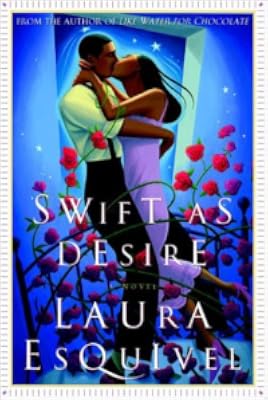
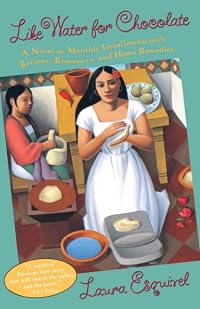
She is the award-winning author of Like Water For Chocolate. She lives in Mexico City. (Publisher Provided) Laura Esquivel was born in Mexico City, Mexico on September 30, 1950. Before becoming a full-time author, she worked as a kindergarten teacher and as a writer for children's television programs during the 1970s and 1980s. Her first novel, show more Como Agua para Chocolate (Like Water for Chocolate), was published in 1989 in Spanish and in 1992 in English. It was made into a movie, also written by Esquivel, in 1993. The movie won the Mexican Academy of Motion Pictures award. Her other novels include The Law of Love, Swift as Desire, Between the Fires, and Malinche. She has also published the children's story Estrellita Marinera, an essay entitled The Book of Emotions, and a philosophical treatise called Intimate Suculencias Kitchen. (Bowker Author Biography) show less
Some Editions
Awards and Honors
Awards
Series
Belongs to Publisher Series
Work Relationships
Common Knowledge
- Canonical title
- Malinche
- Original publication date
- 2006
- People/Characters
- Malinalli; Moctezuma II; Hernán Cortés; Malinche
- Important places
- Hispaniola; Tenochtitlan
- Dedication
- To the Wind
- First words
- First came the rain.
- Last words
- (Click to show. Warning: May contain spoilers.)Years later, they granted him the honor of carrying the banner during the feast of St. Hipolito--which commemorated the Spanish triumph over Tenochititlan but he declined, which the authorities took as an affront.
Classifications
- Genres
- Fiction and Literature, General Fiction, Historical Fiction
- DDC/MDS
- 863.64 — Literature & rhetoric Spanish Literature Spanish fiction 20th Century 1945-2000
- LCC
- PQ7298.15 .S638 .M35 — Language and Literature French, Italian, Spanish and Portuguese literatures Spanish literature Provincial, local, colonial, etc. Spanish America
- BISAC
Statistics
- Members
- 776
- Popularity
- 36,046
- Reviews
- 27
- Rating
- (2.99)
- Languages
- 7 — Dutch, English, German, Italian, Portuguese, Russian, Spanish
- Media
- Paper, Audiobook, Ebook
- ISBNs
- 44
- ASINs
- 4