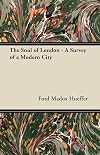
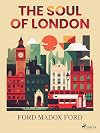
The Soul of London
by Ford Madox Ford
On This Page
Description
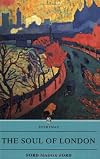
In The Soul of London (1905) Ford Madox Ford (1873-1939) gives a vivid impression of the excitement and challenge of the greatest city of modern times.In its evocation of the growth of London over the centuries and the bewildering variety of the city scene by day and night, the glamour and frivolity of its 'high' life and the hardship and endurance of its working people The Soul of London displays a stylishness and humanity which make it a work of imaginative literature and not a guide book. show more It is also a prophetic survey of the way modernsociety was developing, and foreshadows the social isolation, anonymity and alienation which were to transform the forms and substance of literature in the twentieth century. show lessTags
Recommendations























Member Recommendations


Member Reviews
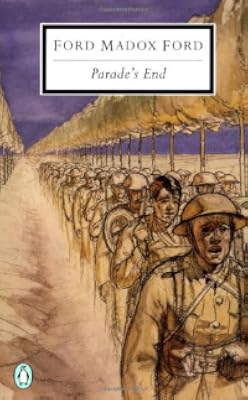
The author was born in 1873 and this book was the first success for Ford, after a period – it is said – of collaboration with Joseph Conrad. Published in 1905 the prose has surprisingly dated and it hardly a thrilling read, and I would have abandoned it if there were not detectable echoes of the ‘voice’ Ford eventually found for his cycle of Parades End (http://www.librarything.com/work/18089) which did and does thrill.
Ratings
Members
- Recently Added By
Author Information

109+ Works 10,393 Members
Born Ford Hermann Madox Hueffer in England in 1873, Ford Madox Ford came from a family of artists and writers that included his grandfather, the pre-Raphaelite painter Ford Madox Brown, and his uncles Gabriel Dante Rossetti and William Michael Rossetti. Ford's early works were published under the name Ford Madox Hueffer, but in 1919 he legally show more changed his name to Ford Madox Ford due to legal complications that arose when he left his wife, Elsie Martindale, and their two daughters. He also used the pen names Daniel Chaucer and Fenil Haig. Ford's early works include The Brown Owl, a fairy tale, children's stories, romances, and The Fifth Queen, a historical trilogy about Katherine Howard, the fifth wife of Henry VIII. He also collaborated with Joseph Conrad, whom he first met in 1898, on three novels: The Nature of Crime, The Inheritors, and Romance. Ford is best known for his novels The Good Soldier, which he considered both his first serious effort at a novel and his best work, and Parade's End, a tetralogy set during World War I. Both of these books explore a theme that appears often in Ford's writing, that of a good man whose old-fashioned, gentlemanly code is in conflict with modern industrial society. Ford also published several volumes of autobiography and reminiscences, including Return to Yesterday and It Was the Nightengale, as well as numerous works of biography, history, poetry, essays, travel writing, and criticism of literature and art. Although Ford and Martindale never divorced, Ford had significant, long-term relationships with three other women, all of whom took his name; he had another daughter by one of them. He died in Deauville, France, in 1939. (Bowker Author Biography) show less
Common Knowledge
- Canonical title
- The Soul of London
Classifications
Statistics
- Members
- 53
- Popularity
- 575,452
- Reviews
- 1
- Rating
- (3.33)
- Languages
- English
- Media
- Paper, Ebook
- ISBNs
- 8
- ASINs
- 3