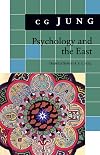
Psychology and the East: (From Vols. 10, 11, 13, 18 Collected Works) (Jung Extracts)
by C. G. Jung
Jung Extracts (Extracts from Collected Works Vols. 10, 11, 13 and 28)
On This Page
Description
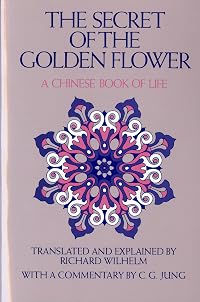
Extracted from Volumes 10, 11, 13, and 18. Includes Commentary on The Secret of the Golden Flower, Psychological Commentary on The Tibetan Book of the Dead and The Tibetan Book of the Great Liberation, Foreword to Suzuki's Introduction to Zen Buddhism, and Foreword to the I Ching.Tags
Recommendations












Member Reviews
Utterly amazing book, and very unique perspective from a psychological point of view. Jung attempts to explain the abstract concepts of Eastern religions in an unbiased manner.
I'd recommend this to ANYONE, period.
I'd recommend this to ANYONE, period.
Ratings
Members
- Recently Added By
Author Information

901+ Works 42,838 Members
Carl Gustav Jung was born in Switzerland on July 26, 1875. He originally set out to study archaeology, but switched to medicine and began practicing psychiatry in Basel after receiving his degree from the University of Basel in 1902. He became one of the most famous of modern psychologists and psychiatrists. Jung first met Sigmund Freud in 1907 show more when he became his foremost associate and disciple. The break came with the publication of Jung's Psychology of the Unconscious (1912), which did not follow Freud's theories of the libido and the unconscious. Jung eventually rejected Freud's system of psychoanalysis for his own "analytic psychology." This emphasizes present conflicts rather than those from childhood; it also takes into account the conflict arising from what Jung called the "collective unconscious"---evolutionary and cultural factors determining individual development. Jung invented the association word test and contributed the word complex to psychology, and first described the "introvert" and "extrovert" types. His interest in the human psyche, past and present, led him to study mythology, alchemy, oriental religions and philosophies, and traditional peoples. Later he became interested in parapsychology and the occult. He thought that unidentified flying objects (UFOs) might be a psychological projection of modern people's anxieties. He wrote several books including Studies in Word Association, Flying Saucers: A Modern Myth of Things Seen in the Skies, and Psychology and Alchemy. He died on June 6, 1961 after a short illness. (Bowker Author Biography) show less
Series

Belongs to Publisher Series
Bollingen Series ((20))
Classifications
- Genres
- Nonfiction, Religion & Spirituality, General Nonfiction, Philosophy
- DDC/MDS
- 150.1954 — Philosophy & psychology Psychology Emotions, Relationships, & Family Theory And Instruction Systems, schools, viewpoints Psychoanalytic systems Jungian system
- LCC
- BF173 .J6623 — Philosophy, Psychology and Religion Psychology Psychology Psychoanalysis
- BISAC
Statistics
- Members
- 137
- Popularity
- 239,315
- Reviews
- 1
- Rating
- (4.25)
- Languages
- English, French
- Media
- Paper, Ebook
- ISBNs
- 11
- ASINs
- 2