On This Page
Description
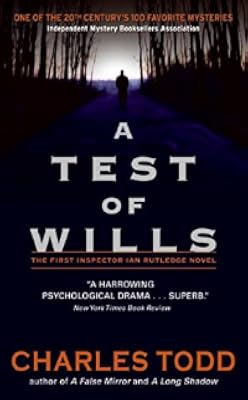
Fiction. Mystery. Ian Rutledge returns to his career at Scotland Yard after years fighting in the First World War. Unknown to his colleagues he is still suffering from shell shock, and is burdened with the guilt of having had executed a young soldier on the battlefield for refusing to fight. A jealous colleague has learned of his secret and has managed to have Rutledge assigned to a difficult case which could spell disaster for Rutledge whatever the outcome. A retired officer has been show more murdered, and Rutledge fighting the torment of his illness goes to investigate. As he digs into the lives of the villagers, the witness who disturbs him most is a war-ravaged ex-soldier who chills Rutledge with the realisation that he could become like this man. show lessTags
Recommendations

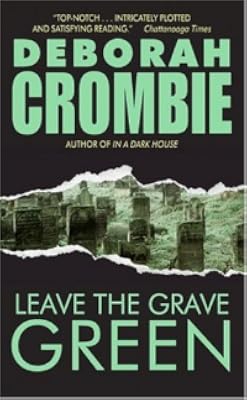
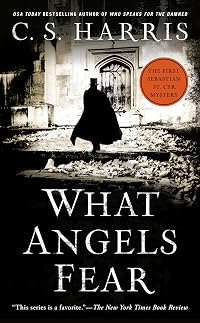
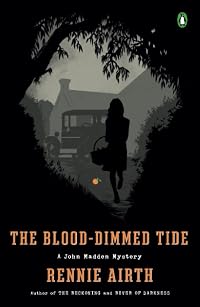
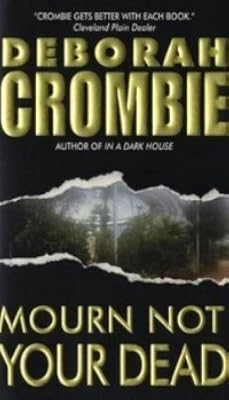

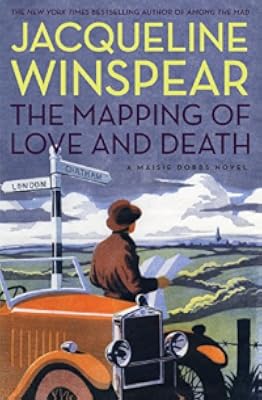
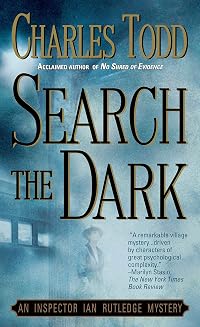
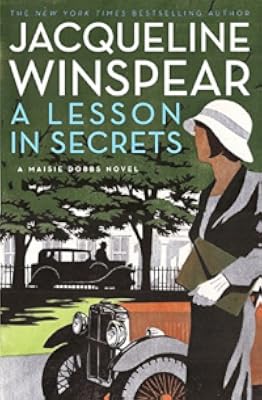
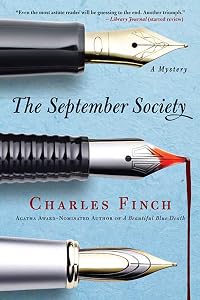
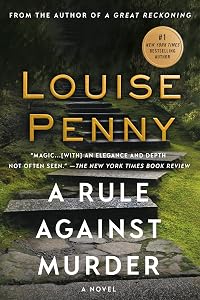
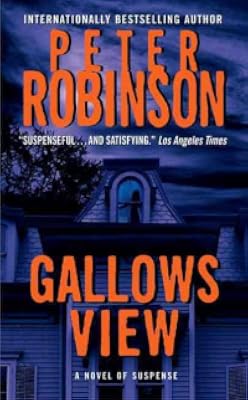
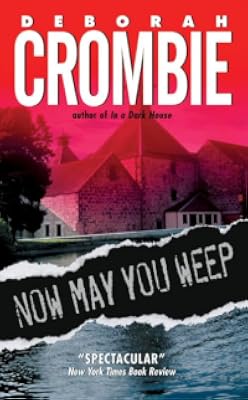
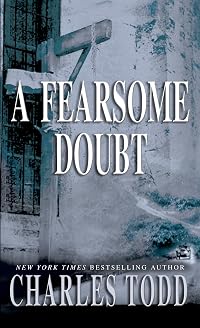

Member Recommendations
majkia similar focus on shellshock.
Member Reviews
Having re-read Dorothy Sayers' [b:Whose Body?|192893|Whose Body? (Lord Peter Wimsey, #1)|Dorothy L. Sayers|https://i.gr-assets.com/images/S/compressed.photo.goodreads.com/books/1387573241l/192893._SY75_.jpg|1090544] just a week or so before this book, I couldn't help but be struck by the ways in which both books address the lingering effects of the horrors of World War I trench warfare on surviving veterans. Sayers' books are a hallmark of the British Golden Age of crime fiction; the Rutledge series is set in that time, but has been written over the past 25 years.
In Whose Body?, Peter Wimsey succumbs to nightmares triggered by recollections of the war only periodically, while Ian Rutledge struggles with PTSD on a day to day basis. Not show more only do his memories of combat and death haunt Rutledge as he tries to re-establish his role at Scotland Yard after the war, the secret awareness by others of his condition drives part of the plot. A colleague jealous of Rutledge's investigative talents arranges for him to be assigned a case that has every appearance of becoming a political nightmare. When it all blows up, Rutledge should go down in flames.
The plot is very much a typical English village mystery, but with a thick overlay of issues tied to the war in different ways. Lots of the red herrings I love, and a very clever resolution. Rutledge pulls it out at the 11th hour, salvaging his reputation and setting up the rest of the series, which is now 23 books long! It's easy to see why it has been so popular and has won so many awards. I will definitely be returning to learn not only what crimes Rutledge is set to resolve, but how he moves forward with his life. show less
In Whose Body?, Peter Wimsey succumbs to nightmares triggered by recollections of the war only periodically, while Ian Rutledge struggles with PTSD on a day to day basis. Not show more only do his memories of combat and death haunt Rutledge as he tries to re-establish his role at Scotland Yard after the war, the secret awareness by others of his condition drives part of the plot. A colleague jealous of Rutledge's investigative talents arranges for him to be assigned a case that has every appearance of becoming a political nightmare. When it all blows up, Rutledge should go down in flames.
The plot is very much a typical English village mystery, but with a thick overlay of issues tied to the war in different ways. Lots of the red herrings I love, and a very clever resolution. Rutledge pulls it out at the 11th hour, salvaging his reputation and setting up the rest of the series, which is now 23 books long! It's easy to see why it has been so popular and has won so many awards. I will definitely be returning to learn not only what crimes Rutledge is set to resolve, but how he moves forward with his life. show less
Inspector Ian Rutledge returns from the Great War shell-shocked and unsure. A superior at Scotland Yard would love to see him fail. The voice of a dead comrade has latched onto his subconscious. He secretly wonders if, chained as he is to memories of the War, perhaps his innate detective skills have left him. The first case thrown at him doesn't assuage any of these difficulties: victim and suspect are both military heroes.
I've read the first four Rutledge mysteries, and they only improve from here. (Someday, I'll get around to reading them all.) This first novel demonstrates well the strengths of the series. This is true historical fiction; readers won't stumble over any 21st-century phrases, perspectives, or reactions. Descriptions of show more the setting offer evocative detail without bogging down the story. The detective procedures unfold realistically, never sensationalized, and the rather large cast behave like actual people, not plot pawns. I'll agree with other reviews that the "twist" of this first book's resolution is a bit too convoluted, less "ah-ha!" and more "huh?" However, the mystery part of this mystery series seems to improve with each novel. Also, the villain's identity in this first one is perfectly constructed to resonate with Rutledge's own psychology and causes some heart-rending (for this reader, at least) questioning of himself in the novel's last pages.
And there it is, the ultimate reason to read this series: Rutledge himself. He's conflicted, crushed, ready to end his own life if the PTSD-induced voice of his dead friend ever takes over too much of himself. He's honorable, loyal, and utterly determined to do his job as an inspector. He's easy to cheer for and easy to ache for. When I pick up a novel, I want nothing more or less from its protagonist. A TEST OF WILLS establishes this series as one with substance, style, tension, and attention to history; and it establishes Rutledge as a character more than able to carry this series. show less
I've read the first four Rutledge mysteries, and they only improve from here. (Someday, I'll get around to reading them all.) This first novel demonstrates well the strengths of the series. This is true historical fiction; readers won't stumble over any 21st-century phrases, perspectives, or reactions. Descriptions of show more the setting offer evocative detail without bogging down the story. The detective procedures unfold realistically, never sensationalized, and the rather large cast behave like actual people, not plot pawns. I'll agree with other reviews that the "twist" of this first book's resolution is a bit too convoluted, less "ah-ha!" and more "huh?" However, the mystery part of this mystery series seems to improve with each novel. Also, the villain's identity in this first one is perfectly constructed to resonate with Rutledge's own psychology and causes some heart-rending (for this reader, at least) questioning of himself in the novel's last pages.
And there it is, the ultimate reason to read this series: Rutledge himself. He's conflicted, crushed, ready to end his own life if the PTSD-induced voice of his dead friend ever takes over too much of himself. He's honorable, loyal, and utterly determined to do his job as an inspector. He's easy to cheer for and easy to ache for. When I pick up a novel, I want nothing more or less from its protagonist. A TEST OF WILLS establishes this series as one with substance, style, tension, and attention to history; and it establishes Rutledge as a character more than able to carry this series. show less
In 1914, Insp. Ian Rutledge left Scotland Yard to serve his country. Now it's 1919 and he's back - still suffering from shell-shock and constantly hearing the voice of Hamish (a Scots corporal he had shot for refusing to fight)in his head all the time. Superintendent Bowles, his boss, has been asked to send someone to Upper Streatham in Warwickshire to investigate the cold-blooded murder of Col. Charles Harris, a much respected and decorated soldier. The suspect is the fiance of Col. Harris' ward, Lettica Wood, Capt. Mark Wilton, also a highly decorated soldier and a friend of the Prince of Wales, who witnesses say, had a very loud argument with Harris the night before he was killed. Supt. Bowles seems to have it in for Rutledge show more (apparent in the first few paragraphs) and it seems that by sending him on this case, Bowles is hoping that Rutledge will be the scapegoat in a very tricky case....
Throughout the case, Rutledge hits every roadblock he can possibly find - according to everyone, Charles Harris is loved and respected (this is constantly questioned by the voice in his head). Except Rutledge catches undertones that he can't quite put his finger on - there seem to be a few people with secrets he can't quite get to...and there is a witness (a shell-shocked drunk) who is positive he saw the Capt. and Col. arguing again just before the killing. Throw in a town rabble rouser who everyone thinks is the killer and that constant voice in his head offering his two bits and you have a complex, maddening case that has Rutledge's job on the line. Great plot, lots of twists and turns and an unexpected ending....I'll definitely be reading more Insp. Rutledge mysteries.
Insp. Rutledge is a new favourite character - I felt his pain, guilt and indecision through the whole story. WW1 ruined and destroyed so many men and women - but this was a generation who never spoke of the horrors of that war nor did they have any kind of support once they returned. A very sad reflection on our society and still, it continues to happen. show less
Throughout the case, Rutledge hits every roadblock he can possibly find - according to everyone, Charles Harris is loved and respected (this is constantly questioned by the voice in his head). Except Rutledge catches undertones that he can't quite put his finger on - there seem to be a few people with secrets he can't quite get to...and there is a witness (a shell-shocked drunk) who is positive he saw the Capt. and Col. arguing again just before the killing. Throw in a town rabble rouser who everyone thinks is the killer and that constant voice in his head offering his two bits and you have a complex, maddening case that has Rutledge's job on the line. Great plot, lots of twists and turns and an unexpected ending....I'll definitely be reading more Insp. Rutledge mysteries.
Insp. Rutledge is a new favourite character - I felt his pain, guilt and indecision through the whole story. WW1 ruined and destroyed so many men and women - but this was a generation who never spoke of the horrors of that war nor did they have any kind of support once they returned. A very sad reflection on our society and still, it continues to happen. show less
A very compelling mystery novel. Charles Todd's 'A Test of Wills' is a good, old fashioned mystery. Todd's story features a dogged detective, a brutal killing, numerous suspects, and suspect witnesses. So many characters made it difficult for me to follow without looking them all up, to keep them straight. An added plus (?) is the detective's own battle with shell shock following World War I, including an ongoing dialogue with his personal demon, Hamish, a deserting soldier he was forced to execute on the battlefield. Todd writes extremely well; his prose is clear, descriptive, fresh, wholly lacking cliche. His characters (especially Rutledge, the detective) are well-drawn, believable. The story itself is well plotted, leaving the show more reader in doubt until the denouement in the final pages. Wills is Todd's first novel; I look forward to his next.
I was completely surprised by who the killer was at the end of the novel, and did not see that twisty-turn coming. Highly recommended. show less
I was completely surprised by who the killer was at the end of the novel, and did not see that twisty-turn coming. Highly recommended. show less
Not quite a four-star read because the solution to the mystery wasn't exactly fair.
Still and all, the character of Ian Rutledge, shell-shocked veteran of The Great War, is wonderfully realized. He's drawn with care and kindness, yet flawed in his core by the presence of Hamish MacLeod, a dead soldier whose afterlife is inside Rutledge's stressed-out brain. Hamish comes to life when Rutledge thinks he least needs him, but in the end it's Hamish whose voice resonates in the reader's skull long after the book is closed. I thought that was gutsy of Todd...making the crazy guy the sleuth and the manifestation of crazy the strong character that he is. Not many writers could pull it off, but Todd can.
As to the mystery itself, well...I had 95% show more figured out but the big reveal was marred only by its lack of interweaving with the plot. It was a good solution and it was nicely thought out, but it wasn't part of the rest of the book, and I think that's not fair.
Still, I am gaffed in the gills. This is just plain ol' good writing! Recommended because I *love* seeing others suffer the pangs of falling for yet another mystery series. Heh heh. show less
Still and all, the character of Ian Rutledge, shell-shocked veteran of The Great War, is wonderfully realized. He's drawn with care and kindness, yet flawed in his core by the presence of Hamish MacLeod, a dead soldier whose afterlife is inside Rutledge's stressed-out brain. Hamish comes to life when Rutledge thinks he least needs him, but in the end it's Hamish whose voice resonates in the reader's skull long after the book is closed. I thought that was gutsy of Todd...making the crazy guy the sleuth and the manifestation of crazy the strong character that he is. Not many writers could pull it off, but Todd can.
As to the mystery itself, well...I had 95% show more figured out but the big reveal was marred only by its lack of interweaving with the plot. It was a good solution and it was nicely thought out, but it wasn't part of the rest of the book, and I think that's not fair.
Still, I am gaffed in the gills. This is just plain ol' good writing! Recommended because I *love* seeing others suffer the pangs of falling for yet another mystery series. Heh heh. show less
I've been doing a lot of reading about WW I. Reading about war can become an overwhelming downer, and these mysteries are giving me the chance to immerse myself into the times, use my brain to try to figure out "who dunnit" with the protagonists, and enjoy a relaxing reading experience at the same time.
Home from service in "The Great War", suffering shell-shock (what we now recognize as PTSD) and bringing with him an alter-ego (or is it the ghost?) of Hamish McLeod, a Scottish soldier whose death allowed Rutledge to survive, he finds his fiancèe has backed out of their relationship, he has lost confidence in his ability to continue what had obviously been a promising career with Scotland Yard (and they also seem to want to find a way show more to put him permanently out to pasture) and he now finds himself sent to investigate what appears to be a local murder in a small village that normally the Yard would not have been involved in. So why has he been sent?
This is a marvelous British murder mystery, with engaging characters, a large group of suspects, a murder with an apparent motive that Rutledge (goaded by Hamish) does not want to believe. The obvious suspects are all men who have served in the war, and to varying degrees are now paying the physical and/or psychological price for their service. Rutledge has difficulties believing what appear to be blatant clues. The portraits of a village trying to come to grips with these veterans and their problems, gives us a clear idea of the range of emotions survivors endured--from adopting the stiff upper lip, to consigning those less fortunate to the "out of sight, out of mind" dustbin. And for those of you who like good plot twists, I'll say simply that the ending was quite different. I thought I had it figured out (and I did) but then I didn't. No more...no spoilers, but you'll love it!
Charles Todd, actually a pseudonym for a mother-son writing team, gives us a nicely developed protagonist with just enough background and motivation to make up eager for more. They do a bang-up job of painting a picture of the time, and leave us rushing out the door in pursuit of the next episode. There are currently 14 in this series, which is obviously going to delve into the effects of shell-shock, and the societal changes in British society as a result of changing roles during and after the War. show less
Home from service in "The Great War", suffering shell-shock (what we now recognize as PTSD) and bringing with him an alter-ego (or is it the ghost?) of Hamish McLeod, a Scottish soldier whose death allowed Rutledge to survive, he finds his fiancèe has backed out of their relationship, he has lost confidence in his ability to continue what had obviously been a promising career with Scotland Yard (and they also seem to want to find a way show more to put him permanently out to pasture) and he now finds himself sent to investigate what appears to be a local murder in a small village that normally the Yard would not have been involved in. So why has he been sent?
This is a marvelous British murder mystery, with engaging characters, a large group of suspects, a murder with an apparent motive that Rutledge (goaded by Hamish) does not want to believe. The obvious suspects are all men who have served in the war, and to varying degrees are now paying the physical and/or psychological price for their service. Rutledge has difficulties believing what appear to be blatant clues. The portraits of a village trying to come to grips with these veterans and their problems, gives us a clear idea of the range of emotions survivors endured--from adopting the stiff upper lip, to consigning those less fortunate to the "out of sight, out of mind" dustbin. And for those of you who like good plot twists, I'll say simply that the ending was quite different. I thought I had it figured out (and I did) but then I didn't. No more...no spoilers, but you'll love it!
Charles Todd, actually a pseudonym for a mother-son writing team, gives us a nicely developed protagonist with just enough background and motivation to make up eager for more. They do a bang-up job of painting a picture of the time, and leave us rushing out the door in pursuit of the next episode. There are currently 14 in this series, which is obviously going to delve into the effects of shell-shock, and the societal changes in British society as a result of changing roles during and after the War. show less
Ian Rutledge is a British World War 1 veteran, suffering from shell shock, returning to his former job as a Scotland Yard inspector. Rutledge is sent to investigate the murder of a retired Colonel. Rutledge uncovers evidence pointing to a local war hero and a conspiracy to hide the truth. Todd delves deeply into the psychology of war survivors and the effects of WW1 on Englishmen and English society.
Members
- Recently Added By
Lists

Historical Fiction
889 works; 91 members

Jean's 12in12 Mystery List TBR
10 works; 1 member

Lit Lattes Ep 003
22 works; 1 member

Ghost Stories That Thrill Us
256 works; 115 members
Author Information

70+ Works 22,947 Members
Charles Todd is a pen name for Charles and Caroline Todd, a mother and son writing team. Caroline received a BA in English literature and history and a Masters in international relations. Charles received a BA in communication studies with an emphasis on business management, and a culinary arts degree. They have written numerous novels including show more Bess Crawford Mystery series and the Inspector Ian Rutledge Mystery series. (Bowker Author Biography) Charles Todd is the author of three previous mysteries: "A Test of Wills," "Wings of Fire," & "Search the Dark"; with the publication of "Legacy of the Dead," Todd will be published hard/soft by Bantam Books. (Publisher Provided) show less
Some Editions
Awards and Honors
Awards
Notable Lists
Series

Work Relationships
Common Knowledge
- Canonical title
- A Test of Wills
- Original publication date
- 1996
- People/Characters
- Ian Rutledge; Sergeant Davies; Mark Wilton; Daniel Hickam; Lettice Wood; Charles Harris (show all 15); Laurence Royston; Bert Mavers; Catherine Tarrant; Hamish MacLeod; Helena Sommers; Maggie Sommers; Lizzie Pinter; Meg Pinter; Ted Pinter
- Important places
- England, UK; Warwickshire, England, UK
- Important events
- World War I
- First words
- In this quiet part of Warwickshire death came as frequently as it did anywhere else in England, no stranger to the inhabitants of towns, villages, or countryside.
- Last words
- (Click to show. Warning: May contain spoilers.)And next time, no convenient scapegoat would spoil the game....
- Publisher's editor
- Cavin, Ruth
- Blurbers
- Hill, Reginald; Lovesey, Peter; Dold, Gaylord
Classifications
Statistics
- Members
- 1,775
- Popularity
- 12,429
- Reviews
- 73
- Rating
- (3.76)
- Languages
- Danish, English, German, Italian
- Media
- Paper, Audiobook, Ebook
- ISBNs
- 27
- ASINs
- 12