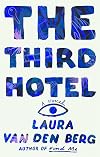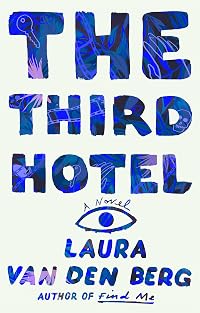
The Third Hotel: A Novel
by Laura Van den Berg
On This Page
Description
Shortly after Clare arrives in Havana, Cuba, to attend the annual Festival of New Latin American Cinema, she finds her husband, Richard, standing outside a museum. He's wearing a white linen suit she's never seen before, and he's supposed to be dead. Grief-stricken and baffled, Clare tails Richard, a horror film scholar, through the newly tourist-filled streets of Havana, clocking his every move. As the distinction between reality and fantasy blurs, Clare finds grounding in memories of her show more childhood in Florida and of her marriage to Richard, revealing her role in his death and reappearance along the way. The Third Hotel is a propulsive, brilliantly shape-shifting novel from an inventive author at the height of her narrative powers. show lessTags
Recommendations





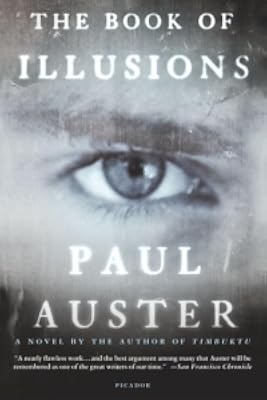
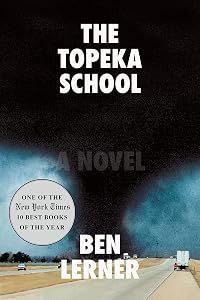
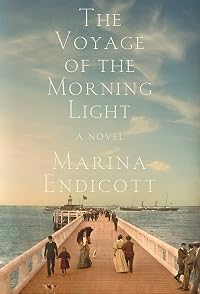
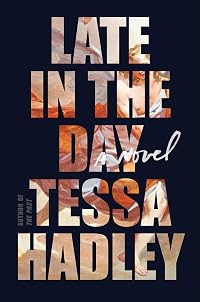








Member Recommendations

Member Reviews
this book requires a slow, slow read to absorb and reflect on what is going on. it's confusing and disorienting and unsettling and reading it makes you feel unmoored and like you have no idea what's going on and what is reality. which, of course, is just putting us directly in clare's shoes. clare, who is in a sea of grief and who doesn't have a foundation of good communication and a support system to lean on, who doesn't know how to navigate it. clare whose compass is taken away when she most needs it.
when richard, clare's husband dies, there are unfinished conversations, secrets untold, and so much for clare to process. but because of her childhood, she's not so great at facing hard thing head on, she leaves when sometimes she should show more stay, she turns her back when sometimes she should look. and so she is thrown, and finds herself both leaving and staying, turning around and around, coming and going. she's all over the place and she is haunted by conversations she never finished with richard, by not knowing those secrets and so wondering how much they knew each other in the end. she's haunted by him as she deals with the grief of his death, and what she knows is the upcoming death of her father.
she really is driven nearly crazy by this grief time, but it's what finally enables her to be there for her father as he is dying, what brings her back to herself in the end.
the writing is really, really good. it can be hard but it's so worth it. the way she uses the ideas of the horror movie and the tropes you find in it as a through line in the book is pretty brilliant. and then, also how that relates to the theme of seeing people in general; we are seeing what they're projecting, and there is this constant push/pull of the public persona versus the private person and who they when they're alone. how she grew up without being seen as herself and how she is so often pretending with the people she meets.
there is so much to think about here, and i love that. this is fantastic.
"Some forms of watching were designed to obliterate the subject."
"Behind every death lay a set of questions. To move on was to agree to not disturb these questions, to let them settle with the body under the earth. Yet some questions so thoroughly dismantled the terms of your own life, turning away was gravitationally impossible. So she would not be moving on. She would keep disturbing and disturbing."
"She had started to notice people almost exclusively in fragments. An arm under a desk, reaching for a fallen pencil. A back bent over a water fountain. A hand frozen under the amber beam of a lamp."
"What was it about men and humiliation? Clare had wondered...and would keep wondering as she watched killer after killer respond to humiliation with masks and knives. Was humiliation supposed to be any easier for women to take? She didn't think so, even though the world kept insisting they were built for it."
"She could go on into infinity, and yet she understood that knowing another person was not a stable condition. Knowing was kinetic, ineffable, and it had limits, but the precise location of those limits, the moment at which the knowing stopped and the not-knowing began, was invisible. You would know you had reached the border only after you had surpassed it."
"She did not know how to grieve in the context of her life." show less
when richard, clare's husband dies, there are unfinished conversations, secrets untold, and so much for clare to process. but because of her childhood, she's not so great at facing hard thing head on, she leaves when sometimes she should show more stay, she turns her back when sometimes she should look. and so she is thrown, and finds herself both leaving and staying, turning around and around, coming and going. she's all over the place and she is haunted by conversations she never finished with richard, by not knowing those secrets and so wondering how much they knew each other in the end. she's haunted by him as she deals with the grief of his death, and what she knows is the upcoming death of her father.
she really is driven nearly crazy by this grief time, but it's what finally enables her to be there for her father as he is dying, what brings her back to herself in the end.
the writing is really, really good. it can be hard but it's so worth it. the way she uses the ideas of the horror movie and the tropes you find in it as a through line in the book is pretty brilliant. and then, also how that relates to the theme of seeing people in general; we are seeing what they're projecting, and there is this constant push/pull of the public persona versus the private person and who they when they're alone. how she grew up without being seen as herself and how she is so often pretending with the people she meets.
there is so much to think about here, and i love that. this is fantastic.
"Some forms of watching were designed to obliterate the subject."
"Behind every death lay a set of questions. To move on was to agree to not disturb these questions, to let them settle with the body under the earth. Yet some questions so thoroughly dismantled the terms of your own life, turning away was gravitationally impossible. So she would not be moving on. She would keep disturbing and disturbing."
"She had started to notice people almost exclusively in fragments. An arm under a desk, reaching for a fallen pencil. A back bent over a water fountain. A hand frozen under the amber beam of a lamp."
"What was it about men and humiliation? Clare had wondered...and would keep wondering as she watched killer after killer respond to humiliation with masks and knives. Was humiliation supposed to be any easier for women to take? She didn't think so, even though the world kept insisting they were built for it."
"She could go on into infinity, and yet she understood that knowing another person was not a stable condition. Knowing was kinetic, ineffable, and it had limits, but the precise location of those limits, the moment at which the knowing stopped and the not-knowing began, was invisible. You would know you had reached the border only after you had surpassed it."
"She did not know how to grieve in the context of her life." show less
There’s an episode of the podcast "Hidden Brain" about counterfactuals. Counterfactuals are basically a reimagining of past events, an answer to “what if?” and all of the events that cascade from a different choice or circumstance.
The episode is specifically about counterfactual thinking in the wake of tragedy. The woman whose story they share talks about how just before she and her husband ascended the mountain on which he would be killed in an avalanche, he told her that he had a bad feeling about the day. Together they’d decided to continue with their plans. If nothing had happened, she might not even have remembered that conversation. But because something did happen, something very bad, she reviews that instant and imagines show more what would have happened if she had suggested that they just skip the trip.
The Third Hotel is essentially an account of Clare’s counterfactual. What if Richard hadn’t died? What if she’d acted on the signs she’d been noticing in him for months? What if they’d both been more open with each other from the beginning of their relationship? She takes the trip to Cuba they’d planned to take together, and she replays their relationship, digging into details she and he had never addressed during their life together, trying to put the pieces together into a narrative that makes sense, and trying to come to grips with the unknowable.
The woman in the podcast was seeking some locus of control, something she could have done to change the outcome, and she focused in on that moment before their trip that seemed like a crossroads. This led, to one degree or another, to a sense that she was responsible for her husband’s death. Clare feels a similar sense of responsibility and blame but without a single moment to look at, she sees her husband’s death as an accumulation of poor choices and in some ways even a result of a flaw in her own character. She imagines not just that she could have stopped his death, but that she was the one who killed him, and neither she nor the reader can be certain that this isn’t the case.
In her blurb on the back cover, Lauren Groff writes that “you read [Laura van den Berg’s] work always a bit perturbed.” This was definitely my experience. The novel is dizzying, the line between reality and Clare’s imagination blurred. I oscillated between “I love this book!” and “Do I love this book?”
In addition to this main story, the novel addresses the three-way relationship between the author/artist/filmmaker, the story itself, and the audience. One character talks about the tacit agreement between the filmmaker and the audience of a horror film, a genre of which Clare’s husband was a scholar. “The screaming was only pleasurable because the audience knew the terror had an end,” he asserts.
Throughout the book, Clare is trying to place her life with Richard and his death into a narrative, a story with boundaries to comfort her with the knowledge that “the terror has an end.” As she traces her marriage back to its beginnings, Clare sees that the decision to marry someone in the first place carries with it the knowledge that, either through death or divorce, that relationship will end. A beginning implies an ending.
I’ve been reading everything lately with an eye for how I can use it to develop character in myself. In applying this filter to The Third Hotel, I’ve identified a primary idea with character-building potential: We can’t run from ourselves.
Like in a horror film where the victim is running frantically from a killer who walks steadily, methodically behind, no matter how fast we move whatever truth or pain or past we’re trying to evade will eventually catch up with us. It’s difficult to escape our patterns of behavior, difficult to stop running, but it happens whether we do it by choice or let it happen on its own. Sometimes (most times?) it boils down to being there in our relationships, with those we love and who love us, holding their hand, looking them in the eye, making physical contact while they cry, and allowing them to do these things for us. Our culture doesn’t encourage this simple but profound connection. It promotes independence and transactional relationships and solving problems by buying things rather than through the cultivation of family and community relationships. When it appears that our corporatocracy is encouraging us in these directions, take a closer look and you’ll generally find it’s actually an ad for a car or a credit card, an eyeliner or an app. It might look an awful lot like personal connection but peel back the veneer and it’s a ploy to get us to give away some aspect of ourselves---our thoughts, our preferences, our photos---that can be sold for someone else’s profit. And along the way we become convinced that we’re the mere sum of our parts, a collection of likes, dislikes and moments curated for public consumption.
So my takeaway is to maintain constant vigilance, to be aware always of who’s offering a solution to my particular problem and of who’s defining the problem in the first place. What are they selling and who stands to profit if I buy it? Does it bring me closer to people I love, closer to people in my community, closer to myself, or does it just offer the illusion of closeness? If all it costs me is money, it’s guaranteed to be the latter. show less
The episode is specifically about counterfactual thinking in the wake of tragedy. The woman whose story they share talks about how just before she and her husband ascended the mountain on which he would be killed in an avalanche, he told her that he had a bad feeling about the day. Together they’d decided to continue with their plans. If nothing had happened, she might not even have remembered that conversation. But because something did happen, something very bad, she reviews that instant and imagines show more what would have happened if she had suggested that they just skip the trip.
The Third Hotel is essentially an account of Clare’s counterfactual. What if Richard hadn’t died? What if she’d acted on the signs she’d been noticing in him for months? What if they’d both been more open with each other from the beginning of their relationship? She takes the trip to Cuba they’d planned to take together, and she replays their relationship, digging into details she and he had never addressed during their life together, trying to put the pieces together into a narrative that makes sense, and trying to come to grips with the unknowable.
The woman in the podcast was seeking some locus of control, something she could have done to change the outcome, and she focused in on that moment before their trip that seemed like a crossroads. This led, to one degree or another, to a sense that she was responsible for her husband’s death. Clare feels a similar sense of responsibility and blame but without a single moment to look at, she sees her husband’s death as an accumulation of poor choices and in some ways even a result of a flaw in her own character. She imagines not just that she could have stopped his death, but that she was the one who killed him, and neither she nor the reader can be certain that this isn’t the case.
In her blurb on the back cover, Lauren Groff writes that “you read [Laura van den Berg’s] work always a bit perturbed.” This was definitely my experience. The novel is dizzying, the line between reality and Clare’s imagination blurred. I oscillated between “I love this book!” and “Do I love this book?”
In addition to this main story, the novel addresses the three-way relationship between the author/artist/filmmaker, the story itself, and the audience. One character talks about the tacit agreement between the filmmaker and the audience of a horror film, a genre of which Clare’s husband was a scholar. “The screaming was only pleasurable because the audience knew the terror had an end,” he asserts.
Throughout the book, Clare is trying to place her life with Richard and his death into a narrative, a story with boundaries to comfort her with the knowledge that “the terror has an end.” As she traces her marriage back to its beginnings, Clare sees that the decision to marry someone in the first place carries with it the knowledge that, either through death or divorce, that relationship will end. A beginning implies an ending.
I’ve been reading everything lately with an eye for how I can use it to develop character in myself. In applying this filter to The Third Hotel, I’ve identified a primary idea with character-building potential: We can’t run from ourselves.
Like in a horror film where the victim is running frantically from a killer who walks steadily, methodically behind, no matter how fast we move whatever truth or pain or past we’re trying to evade will eventually catch up with us. It’s difficult to escape our patterns of behavior, difficult to stop running, but it happens whether we do it by choice or let it happen on its own. Sometimes (most times?) it boils down to being there in our relationships, with those we love and who love us, holding their hand, looking them in the eye, making physical contact while they cry, and allowing them to do these things for us. Our culture doesn’t encourage this simple but profound connection. It promotes independence and transactional relationships and solving problems by buying things rather than through the cultivation of family and community relationships. When it appears that our corporatocracy is encouraging us in these directions, take a closer look and you’ll generally find it’s actually an ad for a car or a credit card, an eyeliner or an app. It might look an awful lot like personal connection but peel back the veneer and it’s a ploy to get us to give away some aspect of ourselves---our thoughts, our preferences, our photos---that can be sold for someone else’s profit. And along the way we become convinced that we’re the mere sum of our parts, a collection of likes, dislikes and moments curated for public consumption.
So my takeaway is to maintain constant vigilance, to be aware always of who’s offering a solution to my particular problem and of who’s defining the problem in the first place. What are they selling and who stands to profit if I buy it? Does it bring me closer to people I love, closer to people in my community, closer to myself, or does it just offer the illusion of closeness? If all it costs me is money, it’s guaranteed to be the latter. show less
Wonderfully proportioned, wonderfully meta. Dark, feminist, oddly quiet given its sensationalist premise. The ending felt very real and sad and emerged from a fever-dream of a story. So you arrive at a suddenly real, clear, difficult, human place—such a great inversion of what story usual does with its big endings.
Clara travels to Havana, Cuba, to attend a film festival. She is there on professional terms she tells the people, but actually, she works as a sales representative for ThyssenKrupp. She watches a horror movie, Revolución Zombi, due to its renowned director and she is looking for Richard - her lately deceased husband who was actually working on film. During her endless search, memories come up, the last days together with Richard before he was killed in an accident, their wedding day, her childhood when her parents owned a hotel in Florida that she roamed like a ghost.
Just as Clare wanders the streets of Havana, so do her thoughts and the reader accompanies her in her search which will lead to nothing – quite the contrary, the longer show more she roams, the more she herself seems to get lost. At times, she is self-conscious, understands exactly what is going on, that her mind is in exceptional circumstances due to the loss she has just experienced, but then again, she is talking to Richard as if he stood right next to her.
“The Third Hotel” – the name Clara gives her accommodation in Havana since twice before the taxi driver had taken her to the wrong one – is a psychological study in what can happen to a person whose life is turned upside down. Even the simplest things become obstacles hard to overcome:
“What was she doing in Havana? A simple question and yet she could not find a simple answer.”
Clare experiences as she calls it a “dislocation from reality”. There are phone calls when the phone never rings, there are people at the other end of the line that could be herself – she is lost in a parallel world that collides with other peoples’ reality but then again, there are walls that clearly separate those two spaces. Towards the end, a short dialogue perfectly sums up how Clare feels:
“What doesn’t kill you makes you stronger, Clare said, with bitterness.
What doesn’t kill you leaves you alive, Richard countered. (...)
What doesn’t kill you only leaves you feeling broken and insane.”
She is not herself anymore, just like her father who also suffered metal degeneration, she at times cannot differentiate between what’s real and what’s imagined anymore.
The strongest parts of the novel are the descriptions, Laura van den Berg has an eye for the detail and particularly for the sensory aspects. Her protagonist might be gone mad, but her feelings are real. Apart from this, I liked the travel metaphors a lot. The characters are constantly moving in the novel, everybody is travelling, alone in a group, going here and there, on trains, buses, airplanes – yet, does anybody every arrive? Figuratively, aren’t we all relentlessly roaming and searching for our self, not knowing if we ever arrive? show less
Just as Clare wanders the streets of Havana, so do her thoughts and the reader accompanies her in her search which will lead to nothing – quite the contrary, the longer show more she roams, the more she herself seems to get lost. At times, she is self-conscious, understands exactly what is going on, that her mind is in exceptional circumstances due to the loss she has just experienced, but then again, she is talking to Richard as if he stood right next to her.
“The Third Hotel” – the name Clara gives her accommodation in Havana since twice before the taxi driver had taken her to the wrong one – is a psychological study in what can happen to a person whose life is turned upside down. Even the simplest things become obstacles hard to overcome:
“What was she doing in Havana? A simple question and yet she could not find a simple answer.”
Clare experiences as she calls it a “dislocation from reality”. There are phone calls when the phone never rings, there are people at the other end of the line that could be herself – she is lost in a parallel world that collides with other peoples’ reality but then again, there are walls that clearly separate those two spaces. Towards the end, a short dialogue perfectly sums up how Clare feels:
“What doesn’t kill you makes you stronger, Clare said, with bitterness.
What doesn’t kill you leaves you alive, Richard countered. (...)
What doesn’t kill you only leaves you feeling broken and insane.”
She is not herself anymore, just like her father who also suffered metal degeneration, she at times cannot differentiate between what’s real and what’s imagined anymore.
The strongest parts of the novel are the descriptions, Laura van den Berg has an eye for the detail and particularly for the sensory aspects. Her protagonist might be gone mad, but her feelings are real. Apart from this, I liked the travel metaphors a lot. The characters are constantly moving in the novel, everybody is travelling, alone in a group, going here and there, on trains, buses, airplanes – yet, does anybody every arrive? Figuratively, aren’t we all relentlessly roaming and searching for our self, not knowing if we ever arrive? show less
I enjoyed the writing in this slim book about grief, losing yourself in travel, and daring to take a look at your ‘secret’ self. Parts of the plot are vague, which would normally bother me, but in this case the vagueness added a subtly creepy element to the story. We go deep into the protagonist’s psyche here, and there is some musing about what we choose to see or not see about ourselves. And, if we do see, how do we cope with it?
I have spent 3 days reading The Third Hotel, and I have no idea what I have just finished. One reviewer called it “strange, unsettling, and profound from start to finish.” Ok. I believe that.
Don’t quite know where to start. Here is the summary:
“In Havana, Cuba, a widow tries to come to terms with her husband’s death―and the truth about their marriage―in Laura van den Berg’s surreal, mystifying story of psychological reflection and metaphysical mystery.
Shortly after Clare arrives in Havana, Cuba, to attend the annual Festival of New Latin American Cinema, she finds her husband, Richard, standing outside a museum. He’s wearing a white linen suit she’s never seen before, and he’s supposed to be dead. Grief-stricken show more and baffled, Clare tails Richard, a horror film scholar, through the newly tourist-filled streets of Havana, clocking his every move. As the distinction between reality and fantasy blurs, Clare finds grounding in memories of her childhood in Florida and of her marriage to Richard, revealing her role in his death and reappearance along the way.”
Yeah! I told you. The Third Hotel is strange and unsettling. I looked up the definition of magical realism in my search to put a name on the genre in which the book might fit. Wikipedia defines it this way: “a genre of narrative fiction that, while encompassing a range of subtly different concepts, expresses a primarily realistic view of the real world while also adding or revealing magical elements.” I believe this fits the bill, although in many ways, van den Berg’s writing defies categorization.
At its heart The Third Hotel is a meditation on grief and loss. Clare has just lost her husband Richard. Her level of grief is profound, and when she sees him from a distance in Havana, she follows him as she seeks answers to all the unanswered questions of her life and marriage. When she finally meets up with him and they take a journey into the mountains of Cuba, the mystery that is her husband is amplified and her grief is compounded rather than appeased. The reader never comes to a conclusion about who or what Clare is seeing when she discovers Richard; is he a ghost, a doppelganger? “She ordered herself to stop recognizing him, since what she was recognizing was plainly impossible, but then she crept closer and saw just how possible it was.”
What is absolutely certain is that Laura van den Berg is an incredible writer. The setting, the imagery, and the language is absolutely breathtaking. I loved the descriptions of Cuba, and I felt like I was on the scene every moment, even if I didn’t quite see Richard like Clare did (or did she actually see Richard?). We are so very clearly exposed to the inner workings of Clare’s mind; “the gap between her inner reality and the world around felt so enormous she feared she was going to be swallowed up.” All the way through the novel, we are privvy to Clare’s inner reality. We are never sure what to believe—what she is seeing. One of my favorite lines relating to Clare is: “the ice cube she had pressed against her heart in childhood was proving slow to thaw.”
The New York Times reviewer cautions the reader looking for noir, a mystery, or a thriller. He says, “Don’t take the bait when “The Third Hotel” starts voguing like a thriller. Instead, read it as the inscrutable future cult classic it probably is, and let yourself be carried along by its twisting, unsettling currents.”
In his praise for the novel and its author, the Washington Post reviewer says, “The most transforming kind of fiction is capable of causing a dislocation of reality: a bit of the bizarre, a lot kept beneath the surface and worlds opening within worlds.”
I recommend The Third Hotel with caution. Look out so that you don’t become crazed trying to figure out the plot; rejoice in the vivid descriptions of Cuba and the incredible writing; and breathe a sigh of relief when it is finished—if indeed it is finished.
Additionally, I am done reading about grief-stricken widows for a while. I feel like my summer has been filled with their stories. On to other stuff. show less
Don’t quite know where to start. Here is the summary:
“In Havana, Cuba, a widow tries to come to terms with her husband’s death―and the truth about their marriage―in Laura van den Berg’s surreal, mystifying story of psychological reflection and metaphysical mystery.
Shortly after Clare arrives in Havana, Cuba, to attend the annual Festival of New Latin American Cinema, she finds her husband, Richard, standing outside a museum. He’s wearing a white linen suit she’s never seen before, and he’s supposed to be dead. Grief-stricken show more and baffled, Clare tails Richard, a horror film scholar, through the newly tourist-filled streets of Havana, clocking his every move. As the distinction between reality and fantasy blurs, Clare finds grounding in memories of her childhood in Florida and of her marriage to Richard, revealing her role in his death and reappearance along the way.”
Yeah! I told you. The Third Hotel is strange and unsettling. I looked up the definition of magical realism in my search to put a name on the genre in which the book might fit. Wikipedia defines it this way: “a genre of narrative fiction that, while encompassing a range of subtly different concepts, expresses a primarily realistic view of the real world while also adding or revealing magical elements.” I believe this fits the bill, although in many ways, van den Berg’s writing defies categorization.
At its heart The Third Hotel is a meditation on grief and loss. Clare has just lost her husband Richard. Her level of grief is profound, and when she sees him from a distance in Havana, she follows him as she seeks answers to all the unanswered questions of her life and marriage. When she finally meets up with him and they take a journey into the mountains of Cuba, the mystery that is her husband is amplified and her grief is compounded rather than appeased. The reader never comes to a conclusion about who or what Clare is seeing when she discovers Richard; is he a ghost, a doppelganger? “She ordered herself to stop recognizing him, since what she was recognizing was plainly impossible, but then she crept closer and saw just how possible it was.”
What is absolutely certain is that Laura van den Berg is an incredible writer. The setting, the imagery, and the language is absolutely breathtaking. I loved the descriptions of Cuba, and I felt like I was on the scene every moment, even if I didn’t quite see Richard like Clare did (or did she actually see Richard?). We are so very clearly exposed to the inner workings of Clare’s mind; “the gap between her inner reality and the world around felt so enormous she feared she was going to be swallowed up.” All the way through the novel, we are privvy to Clare’s inner reality. We are never sure what to believe—what she is seeing. One of my favorite lines relating to Clare is: “the ice cube she had pressed against her heart in childhood was proving slow to thaw.”
The New York Times reviewer cautions the reader looking for noir, a mystery, or a thriller. He says, “Don’t take the bait when “The Third Hotel” starts voguing like a thriller. Instead, read it as the inscrutable future cult classic it probably is, and let yourself be carried along by its twisting, unsettling currents.”
In his praise for the novel and its author, the Washington Post reviewer says, “The most transforming kind of fiction is capable of causing a dislocation of reality: a bit of the bizarre, a lot kept beneath the surface and worlds opening within worlds.”
I recommend The Third Hotel with caution. Look out so that you don’t become crazed trying to figure out the plot; rejoice in the vivid descriptions of Cuba and the incredible writing; and breathe a sigh of relief when it is finished—if indeed it is finished.
Additionally, I am done reading about grief-stricken widows for a while. I feel like my summer has been filled with their stories. On to other stuff. show less
The relationships of the protagonist, Clare, are at the heart of this rather mystifying novel about love and loss. The trouble I had with it was that I had to assume and imagine for myself that Clare loved her husband or loved her father, since it certainly wasn’t demonstrated in the text itself, at least not in language that I recognized. Clare in the present behaves inexplicably and erratically, but she also behaved inexplicably and erratically in her memories of the past, when she presumably wasn’t transformed by grief. Because I had trouble understanding Clare, I had difficulty empathizing with her, so this noel was pretty much lost on me.
Members
- Recently Added By
Lists

Powell's Indiespensable
79 works; 6 members

Facebook list
55 works; 3 members

Amazon best fictional genre picks monthly for 2018
418 works; 9 members

Books You Couldn't Finish
202 works; 32 members

At the Library
217 works; 1 member
Author Information

10+ Works 1,629 Members
Some Editions
Awards and Honors
Awards
Distinctions
Common Knowledge
- Original publication date
- 2018
- Important places
- Cuba
Classifications
Statistics
- Members
- 414
- Popularity
- 75,201
- Reviews
- 20
- Rating
- (3.25)
- Languages
- English
- Media
- Paper, Audiobook, Ebook
- ISBNs
- 4
- ASINs
- 3