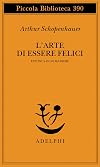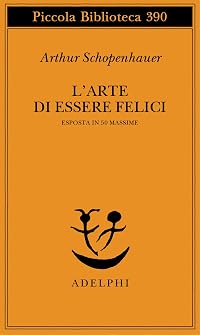
L'arte di essere felici esposta in 50 massime
by Arthur Schopenhauer
On This Page
Description
Esta obra es una pequen a joya literaria que reu ne cincuenta reglas para la vida que cualquier persona puede aplicar. Gracias a la intensa dedicacio n a los cla sicos griegos y latinos, a los grandes filo sofos de todos los tiempos y al estudio de la sabiduri a india, Schopenhauer llego a apreciar la filosofi a no solo como saber teore tico, sino tambie n como forma de vida. Pero, ? que tipo de consejos sobre la felicidad puede brindarnos el filo sofo que ha pasado a la historia como show more maestro del pesimismo? Se trata de encontrar reglas de conducta que nos ayuden a evitar los golpes del destino, con la esperanza de alcanzar esa felicidad relativa que consiste en la ausencia del dolor. show lessTags
Recommendations































Member Recommendations

Member Reviews
A theory of ‘happiness’, a eudaimonology as he calls it. Such a theory should lay down rules about: Our attitude to our-self, what others think of us and what we posses. The bulk of his writing is concentrated with how we perceive our self and the world, since the subjective experience is what influences happiness the most.
Schopenhauers little book of practical philosophy can be read as an idea sketch of [b:Aphorismen zur Lebensweisheit|43513618|Aphorismen zur Lebensweisheit|Arthur Schopenhauer|https://images.gr-assets.com/books/1546985737s/43513618.jpg|56702776]. Composed of notes from several notebooks you can see [b:De kunst om gelukkig te zijn|16031538|De kunst om gelukkig te zijn|Arthur show more Schopenhauer|https://images.gr-assets.com/books/1347897662s/16031538.jpg|66924545] is not a finished whole. Some rules are repetitive and there are gaps in his statements on the nature and the self and change.
Still, the 50 rules are highly readable and entertaining. Topics as character, the true purpose of life (avoiding pain) and setting life goals are passing the revue and transfer sparks of intellectual stimulation.
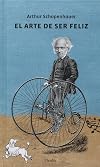
The publisher choose for a frivolous cover with pink letters. Maybe not the kind of image people have on Schopenhauer. But, well chosen. I think that many in reading and meditation on these notes find humor behind the thunderclouds of Schopenhauers Metafysical-pessimism. show less
Schopenhauers little book of practical philosophy can be read as an idea sketch of [b:Aphorismen zur Lebensweisheit|43513618|Aphorismen zur Lebensweisheit|Arthur Schopenhauer|https://images.gr-assets.com/books/1546985737s/43513618.jpg|56702776]. Composed of notes from several notebooks you can see [b:De kunst om gelukkig te zijn|16031538|De kunst om gelukkig te zijn|Arthur show more Schopenhauer|https://images.gr-assets.com/books/1347897662s/16031538.jpg|66924545] is not a finished whole. Some rules are repetitive and there are gaps in his statements on the nature and the self and change.
Still, the 50 rules are highly readable and entertaining. Topics as character, the true purpose of life (avoiding pain) and setting life goals are passing the revue and transfer sparks of intellectual stimulation.
The publisher choose for a frivolous cover with pink letters. Maybe not the kind of image people have on Schopenhauer. But, well chosen. I think that many in reading and meditation on these notes find humor behind the thunderclouds of Schopenhauers Metafysical-pessimism. show less
na livraria de um simpático senhor para o qual o melhor livro já escrito é tuareg, de alberto vázquez-figeuiroa, no centro de belo horizonte, descubro que há uma compilação pós-morte de máximas de schopenhauer intítulada a arte de ser feliz. resolvo comprar, na certeza de encontrar logo no começo do mesmo a afirmação da impossibilidade real da felicidade. satisfeito, considero a máxima 36 representativa:
O meio mais seguro de não se tornar muito infeliz consiste em não desejar ser muito feliz, portanto em reduzir as próprias pretensões a um nível bastante moderado no que diz respeito a prazeres, posses, categorias, honra etc., pois a aspiração à felicidade e a luta para conquistá-la por si só já atraem grandes show more desventuras. A moderação, por sua vez, é sábia e aconselhável, porque é facílimo ser muito infeliz, enquanto ser muito feliz não apenas é difícil, como também é totalmente impossível.
de forma que a melhor opção de todas é estar sereno (que é uma qualidade que depende em 90% da sua disposição interna e não do mundo exterior), e estando sereno, apenas estar sereno: sem motivos. assim, descobrir o verdadeiro egoísmo, o egoísmo da dissolução sem esforço do eu. auto-ajuda.
após pagar, o livreiro me confidenciaria: “você sabe que a humanidade nos trouxe apenas dois filósofos. um deles foi platão. o outro…” e então olharia pro manualzinho em minhas mãos. show less
O meio mais seguro de não se tornar muito infeliz consiste em não desejar ser muito feliz, portanto em reduzir as próprias pretensões a um nível bastante moderado no que diz respeito a prazeres, posses, categorias, honra etc., pois a aspiração à felicidade e a luta para conquistá-la por si só já atraem grandes show more desventuras. A moderação, por sua vez, é sábia e aconselhável, porque é facílimo ser muito infeliz, enquanto ser muito feliz não apenas é difícil, como também é totalmente impossível.
de forma que a melhor opção de todas é estar sereno (que é uma qualidade que depende em 90% da sua disposição interna e não do mundo exterior), e estando sereno, apenas estar sereno: sem motivos. assim, descobrir o verdadeiro egoísmo, o egoísmo da dissolução sem esforço do eu. auto-ajuda.
após pagar, o livreiro me confidenciaria: “você sabe que a humanidade nos trouxe apenas dois filósofos. um deles foi platão. o outro…” e então olharia pro manualzinho em minhas mãos. show less
Desde 1822, Schopenhauer comenzó a recopilar sentencias, máximas, apotegmas y reglas para vida de pensadores y escritores en un cuaderno especialmente previsto para ello. El resultado final es El arte de ser feliz, una verdadera joya excluida de su legado filosófico al no ser grato buscar consejos sobre la felicidad entre las advertencias de un maestro del pesimismo.
Pero es precisamente a partir de la concepción pesimista de la vida que Schopenhauer nos invita a servirnos del ingenio humano y la prudencia práctica para conseguir la felicidad. En este libro se recogen las cincuenta reglas para la vida que muestran la compatibilidad del pesimismo metafísico con los esfuerzos para llevar una vida feliz. En un entorno laboral donde la show more apatía, la desilusión, la falta de horizontes o, incluso, la depresión están a la orden del día, una lectura sosegada de estas “reglas” bien merece la pena. show less
Pero es precisamente a partir de la concepción pesimista de la vida que Schopenhauer nos invita a servirnos del ingenio humano y la prudencia práctica para conseguir la felicidad. En este libro se recogen las cincuenta reglas para la vida que muestran la compatibilidad del pesimismo metafísico con los esfuerzos para llevar una vida feliz. En un entorno laboral donde la show more apatía, la desilusión, la falta de horizontes o, incluso, la depresión están a la orden del día, una lectura sosegada de estas “reglas” bien merece la pena. show less
Oct 4, 2021Spanish
Ik heb nooit de kans gehad de filosofie van Schopenhauer grondig te bestuderen, dus het weinige dat ik van hem weet is uiteraard niet voldoende om dit boekje volledig in context te plaatsen. Maar wat ik van hem weet, is dan weer voldoende om wat verbaasd te zijn bij het vinden van deze titel in de boekhandel. Schopenhauer was toch diegene die het leven zag als iets wat men te lijden had, niet om gelukkig in of zelfs over te zijn.
Toch bevat dit kleine boekje 50 leefregels die ons bestaan 'beter', 'gelukkiger' moeten maken. Het is trouwens pas na zijn dood gepubliceerd. Het is al snel duidelijk dat er van echt geluk, volgens Schopenhauer nooit sprake kan zijn; het enige wat men kan doen is proberen pijn en leed te vermijden. Alhoewel ik show more de pessimistische kijk van de filosoof op het leven niet deel, zijn er toch verschillende van die regels die me aanspreken, die ik zelf ook al min of meer probeer toe te passen, of die de moeite van het overdenken waard zijn.
Twee voorbeelden:
Leefregel 2: Vermijd afgunst
Leefregel 30: Voor het geluk van de mens is het noodzakelijk dat hij iets doet, iets onderneemt, of alleen maar iets leert.
Andere opinies/ideeën:
JeroenLouis: http://jeroenlouis.nl/?p=558
Zijn voornaamste thesis is: 'Het grootste geluk is de persoonlijkheid", iets wat Goethe ook al had beweerd. show less
Toch bevat dit kleine boekje 50 leefregels die ons bestaan 'beter', 'gelukkiger' moeten maken. Het is trouwens pas na zijn dood gepubliceerd. Het is al snel duidelijk dat er van echt geluk, volgens Schopenhauer nooit sprake kan zijn; het enige wat men kan doen is proberen pijn en leed te vermijden. Alhoewel ik show more de pessimistische kijk van de filosoof op het leven niet deel, zijn er toch verschillende van die regels die me aanspreken, die ik zelf ook al min of meer probeer toe te passen, of die de moeite van het overdenken waard zijn.
Twee voorbeelden:
Leefregel 2: Vermijd afgunst
Leefregel 30: Voor het geluk van de mens is het noodzakelijk dat hij iets doet, iets onderneemt, of alleen maar iets leert.
Andere opinies/ideeën:
JeroenLouis: http://jeroenlouis.nl/?p=558
Zijn voornaamste thesis is: 'Het grootste geluk is de persoonlijkheid", iets wat Goethe ook al had beweerd. show less
Desde Leader Summaries recomendamos la lectura del libro El arte de ser feliz, de Arthur Schopenhauer.
Las personas interesadas en las siguientes temáticas lo encontrarán práctico y útil: habilidades directivas, crecimiento personal y psicología positiva.
En el siguiente enlace tienes el resumen del libro El arte de ser feliz, 28 reglas para disfrutar de una vida tranquila: El arte de ser feliz
Las personas interesadas en las siguientes temáticas lo encontrarán práctico y útil: habilidades directivas, crecimiento personal y psicología positiva.
En el siguiente enlace tienes el resumen del libro El arte de ser feliz, 28 reglas para disfrutar de una vida tranquila: El arte de ser feliz
Dec 14, 2014Spanish
H1.31.6
Jan 21, 2021Catalan
Members
- Recently Added By
Author Information

731+ Works 14,930 Members
Arthur Schopenhauer traveled in childhood throughout Europe and lived for a time in Goethe's Weimar, where his mother had established a salon that attracted many of Europe's leading intellectuals. As a young man, Schopenhauer studied at the University of Gottingen and in Berlin, where he attended the lectures of Fichte and Schleiermacher. show more Schopenhauer's first work was The Fourfold Root of the Principle of Sufficient Reason (1813), followed by a treatise on the physiology of perception, On Vision and Colors (1816). When Schopenhauer wrote his principal work, The World as Will and Idea (1819), he was confident that it was a work of great importance that would soon win him fame, but in this he was badly disappointed. In 1819 he arranged to hold a series of philosophical lectures at the same time as those of the newly arrived professor Hegel, whom Schopenhauer despised (calling him, among other creative epithets, an "intellectual Caliban"). This move resulted only in further humiliation for Schopenhauer, since no one showed up to hear him. Schopenhauer continued to be frustrated in repeated attempts to achieve recognition. In 1839 and 1840 he submitted essays on freedom of the will and the foundation of morality to competitions sponsored by the Royal Danish Academy but he won no prize, even when his essay was the only entry in the competition. In 1844 he published a second volume of The World as Will and Idea, containing developments and commentaries on the first. Around 1850, toward the end of his life, Schopenhauer's philosophy began to receive belated recognition, and he died in the confidence that his long-awaited and deserved fame had finally come. Schopenhauer's philosophy exercised considerable influence in the late nineteenth and early twentieth centuries, not only among academic philosophers but even more among artists and literati. This may be in part because, unlike his German idealist contemporaries, Schopenhauer is a lucid and even witty writer, whose style consciously owes more to Hume than to Kant. Schopenhauer's philosophy is founded on the idea that reality is Will--a single, insatiable, objectless striving that manifests itself in the world of appearance as a vast multiplicity of phenomena, engaged in an endless and painful struggle with one another. He saw the same vision in the texts of Indian religions---Vedanta and Buddhism---which he regarded as vastly superior to Western monotheism. Schopenhauer's theory of the empirical world is an idealism, in which the doctrines of Kant are identified with those of Berkeley. In aesthetic enjoyment Schopenhauer saw a form of knowledge that is higher than ordinary empirical knowledge because it is a disinterested contemplation of the forms or essences of things, rather than a cognition of causal connections between particulars driven by the will's interest in control and domination. True salvation, however, lies in an intuitive insight into the evil of willing, which in its highest manifestations is capable of completely extinguishing the will in a state of nirvana. In his perceptive development of the psychological consequences of his theory, Schopenhauer gives particular emphasis to the way in which our knowledge and behavior are insidiously manipulated by our unconscious volition; this stress, plus the central role he gives to sexuality in his theory of the will, contains much that is found later in Freud (who acknowledged that Schopenhauer had anticipated his theory of repression). Schopenhauer's main influence on twentieth-century philosophy, however, was mediated by Nietzsche, whose theory of the will to power added a poignant twist by committing itself to the affirmation of the will while still conceiving it in essentially the same way---insatiable, painful, predatory, deceptive, and subversive of rational thought---which it had been in Schopenhauer's metaphysical pessimism. (Bowker Author Biography) show less
Some Editions
Common Knowledge
- Original title
- Die Kunst, glücklich zu sein: Dargestellt in fünfzig Lebensregeln
- Original publication date
- 1997
- First words*
- La saggezza di vita intesa come dottrina è all'incirca un sinonimo di eudemonica. Essa dovrebbe insegnare a vivere il più felicemente possibile, e questo a due condizioni: non pretendere né un atteggiamento ... (show all)stoico né un agire machiavellico.
- Original language*
- tedesco
*Some information comes from Common Knowledge in other languages. Click "Edit" for more information.
Classifications
Statistics
- Members
- 318
- Popularity
- 100,291
- Reviews
- 7
- Rating
- (3.87)
- Languages
- 9 — Dutch, English, French, German, Italian, Farsi/Persian, Portuguese, Spanish, Turkish
- Media
- Paper, Audiobook, Ebook
- ISBNs
- 34
- ASINs
- 4