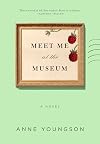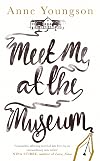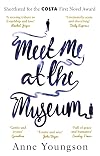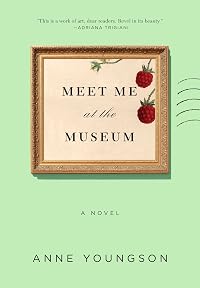
Meet Me at the Museum
by Anne Youngson
On This Page
Description
"In Denmark, Professor Anders Larsen has lost his wife and his hopes for the future. On an isolated English farm, Tina Hopgood is trapped in a life she doesn't remember choosing. Brought together by a shared fascination with the Tollund Man, subject of Seamus Heaney's famous poem, they begin writing letters to one another. From their vastly different worlds, they find they have more in common than they could have imagined, and an unexpected friendship blooms. When Tina's letters stop coming, show more Anders is thrown into despair. How far are they willing to go to write a new story for themselves?" -- Adapted from jacket. show lessTags
Recommendations

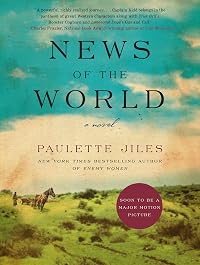
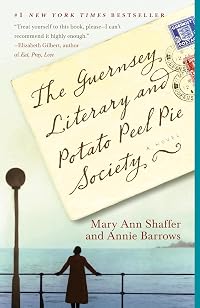
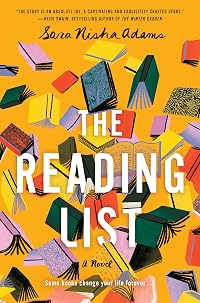
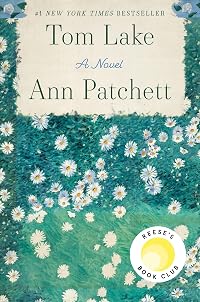
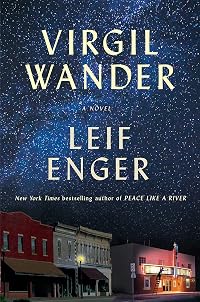
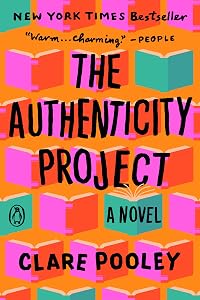
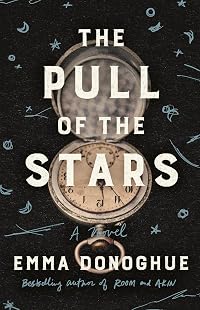
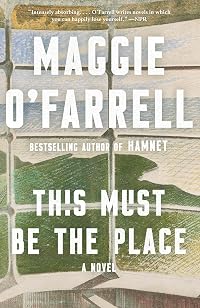
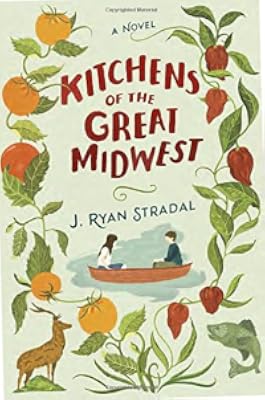
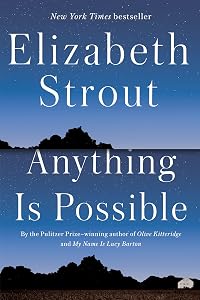
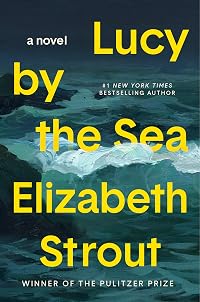
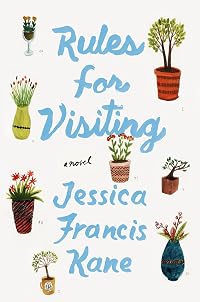
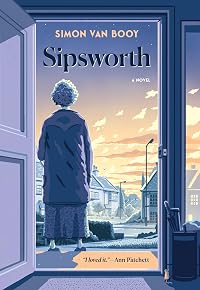
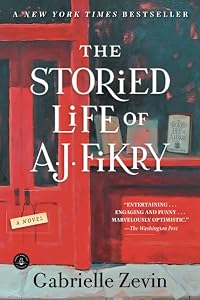
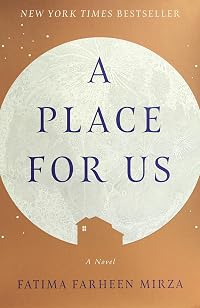
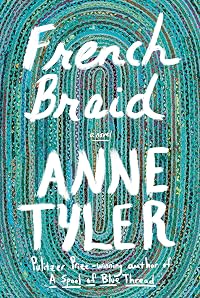

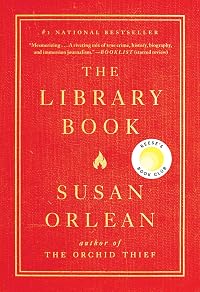
Member Recommendations
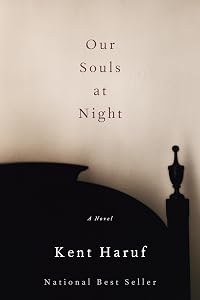
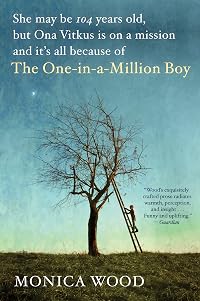
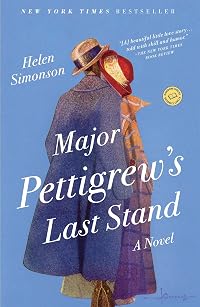
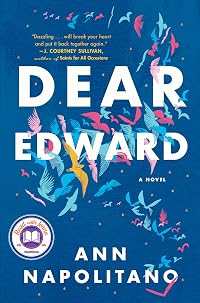
tangledthread Same author so style of writing is similar. Different storyline.
Member Reviews
As someone who writes letters by hand, I am attracted to epistolary novels. Meet Me At the Museum met my expectations and more. I fell in love with Anders and Tina and their homey, intimate letters, much like my own to family and friends, full of everyday happenings, thoughts, and feelings. On the surface, I enjoyed learning about the similarities and differences between Denmark and England, and the characters' different lives. More deeply, I related to Anders as a quiet person who liked listening to others' stories, and sharing his own, but was not good at small talk and socializing in large groups. I also found Anders' fey wife endearing in the way she always put something in her husband's briefcase, a small memento of her, to find show more when he arrived at work. If David had a briefcase, I would do the same! I was fascinated by the Tollund Man, his gentle expression despite having died by sacrificial hanging. He seemed to have accepted his death for his community. This is a quiet, gentle read with relatable wisdoms, beautiful writing, and heartfelt honesty. show less
Epistolary novel about a woman who contacts the Silkeborg museum in Denmark about Tollund Man, a (real) mummified man from the Iron Age. Her plans to visit the museum have gone awry due to the death of her traveling companion. The curator writes back, and they begin regular correspondence. Tollund Man is a common theme throughout their communications, but they expand their letters to include their personal lives, fears, and hopes. The end up forming a virtual friendship.
This book is beautifully written. It is a thoughtful and meditative book. The two share their daily lives and work through their questions and problems in written form. Each seems to find solace and a happiness from reading the other’s heartfelt missives. It was so show more nice to read a book that is positive in tone. It is also a reminder that letter writing has become a lost art but was so much richer and more personal than e-mail. Themes include the ramifications of decisions, loss, grief, regrets, loneliness, nostalgia, and second chances. Recommended to fans of character-driven or epistolary novels. Book clubs will find plenty of topics for discussion.
“Our letters have meant so much to us because we have both arrived at the same point in our lives. More behind us than ahead of us. Paths chosen that define us. Enough time left to change. So I will say at once—these letters have made a connection between us that puts us in a position of being the closest of friends. Even though we have never met.” show less
This book is beautifully written. It is a thoughtful and meditative book. The two share their daily lives and work through their questions and problems in written form. Each seems to find solace and a happiness from reading the other’s heartfelt missives. It was so show more nice to read a book that is positive in tone. It is also a reminder that letter writing has become a lost art but was so much richer and more personal than e-mail. Themes include the ramifications of decisions, loss, grief, regrets, loneliness, nostalgia, and second chances. Recommended to fans of character-driven or epistolary novels. Book clubs will find plenty of topics for discussion.
“Our letters have meant so much to us because we have both arrived at the same point in our lives. More behind us than ahead of us. Paths chosen that define us. Enough time left to change. So I will say at once—these letters have made a connection between us that puts us in a position of being the closest of friends. Even though we have never met.” show less
Lovely epistolary book (my personal catnip) about an accidental, unlikely correspondence between two lonely individuals who have reached their 60s and are wondering how to define the meaning of what they have and haven't accomplished in their lives. Youngson is one of those writers who seems to be able to describe the human condition in simple yet new ways (Elizabeth Berg is another). There's not a lot of action in the story; it's a quiet yet powerful read that found me re-reading certain passages just to savor them. I'm not sure how I feel about the ending but I'll choose to interpret it the way I want and imagine my own version of what comes next. It's a credit to Anne Youngson's skill - she's created two characters who are so real show more and vivid that I can't imagine they're not out there somewhere continuing their story. I can't believe this is her debut, but she gives hope to all aspiring authors that it's never too late. show less
Tina lives in Norfolk on the family farm and life is routine for her. However when her friend dies of cancer she is reminded of a time when their school class were featured in an article with a famous professor about the Tollund Man. She decides to write to the Professor. He is long-dead but her letter is answered by Anders, a curator at the museum, and they begin a correspondence. Anders is a widower and he worries about his daughter Karin, pregnant after a fling with a man who lives halfway round the world. Tina's daughter has married and moves away. both bare their souls to the other but when Tina's letters cease for a while a shift occurs in their relationship.
This is a very quiet book. It doesn't shout loudly and nothing really show more seems to happen but it is all the better for that. Two lonely people find each other through random coincidence and the reader sees the layers peeled back as they tell each other everything. Whilst there is not conclusion the reader is desperate to see Anders and Tina meet. The writing is gentle and the profound events are handled so delicately that they almost seem to slip into the narrative. A moving tale. show less
This is a very quiet book. It doesn't shout loudly and nothing really show more seems to happen but it is all the better for that. Two lonely people find each other through random coincidence and the reader sees the layers peeled back as they tell each other everything. Whilst there is not conclusion the reader is desperate to see Anders and Tina meet. The writing is gentle and the profound events are handled so delicately that they almost seem to slip into the narrative. A moving tale. show less
This novel came to my attention because it was on the shortlist for the Costa First Novel Award, the same award that last year brought us Eleanor Oliphant is Completely Fine. Then I became more intrigued when I learned that the author wrote this debut novel at the age of 70.
This is an epistolary novel featuring the 18-month correspondence between Tina Hopgood, a farmer’s wife in East Anglia, and Anders Larsen, a curator at the Silkeborge Museum in Denmark. This museum houses the Tollund Man, an Iron Age man found in a Danish bog in 1950. An interest in this Tollund Man, who has a very serene expression on his face, prompts Tina to write to the museum. Slowly a friendship develops between her and the curator.
Initially, the letters are show more very formal. The salutations are “Dear Mr. Larsen” and “Dear Mrs. Hopgood” and the closings are “Regards, Anders Larsen, Curator” and “Sincerely, Tina Hopgood”. Gradually there is a shift in tone to “Dear Tina” and “Dear Anders” and “With all my good wishes, Anders” and “Love, Tina”. At first the letters, especially Anders’, are dry and factual but they slowly become warm and confiding. They express their thoughts and feelings and discuss regrets, losses, and disappointments, as well as spouses and children, music and poetry.
Tina mentions that she writes to help clarify her thoughts: “I am writing to you to make sense of myself.” Later, she comments, “when I sit down to write to you it seems as if all the strings holding my conscious mind together come loose and let my subconscious leak out.” But the letters work in other ways as well. Tina says, “writing to you has begun to feel like talking to [Bella, her best friend who recently died]” while Anders writes about “the comfort it has given me to be able to share”. Anders admits that he begins to pay more attention to the natural world, as Tina does, and that he listens more carefully because he wants to accurately relate what happened.
The two correspondents are very different in many ways. Hers is an outdoor life full of physical labour and she lives in a cluttered English farmhouse; his is an indoor, cerebral life and he lives in a Scandinavian house that could be described as minimalist. But what they share is more important. They are thoughtful and reflective and both are lonely.
It is obvious from the beginning that Tina is not happy with her life. She married young, “before it was quite the right time” and “became bogged down, almost literally, in the life of a farmer’s wife. . . . My life has been a buried one.” She complains that the farmhouse “and all its contents are like the mud collecting on my boots as I walk the dog round the fields in a rainy season. Holding me back, weighting me down, limiting how far I can travel.” She speaks of feeling that she has “sacrificed my life . . . for nothing” so her life has no meaning because she has “done so little, achieved so little,” always having a sense of being “in the wrong room all my life, the room where nothing was happening.”
Tina also wonders about the road she did not travel: “what is it that I have missed by having closed off so many choices so early in my life?” Anders has similar thoughts: “I wake in the night and wonder if, after all, I have wasted my chances and should have done something different with the time and the talents I have been given.” He thinks about his archaeological work and wonders “whether it was a worthwhile way to spend a life” and asks Tina, “At least what you do produces food. How does what I do benefit anyone?”
The theme is that regardless of age, change is possible. Both Tina and Anders are of an age when “there is more behind us than ahead of us,” but they conclude that “Nothing is so fixed it cannot be altered.” A somewhat homely image of picking raspberries is used to emphasize that a second chance is possible so one does not overlook “many of the fruits in this life.” Tina describes picking berries: “Whenever I pick raspberries, I go as carefully as possible down the row, looking for every ripe fruit. But however careful I am, when I turn round to go back the other way, I find fruit I had not seen when approaching the plants from the opposite direction. Another life, I thought, might be like a second pass down the row of raspberry canes; there would be good things I had not come across in my first life.” The two begin to speak of trying new things as picking raspberries and “the need to pick as many as possible” in the time given.
On the surface, this is a simple novel, but its reflections on life and the passage of time are perceptive. It is a delightful read with an ending some may not like but I think is perfect. Its style reminded me of Helene Hanff’s 84, Charing Cross Road, but it has a more thoughtful tone. Tina speaks of the Tollund Man and “his serenity, his dignity, his look of wisdom” and that description fits the book: it is serene, dignified and wise.
Note: Please check out my reader's blog (https://schatjesshelves.blogspot.com/) and follow me on Twitter (@DCYakabuski). show less
This is an epistolary novel featuring the 18-month correspondence between Tina Hopgood, a farmer’s wife in East Anglia, and Anders Larsen, a curator at the Silkeborge Museum in Denmark. This museum houses the Tollund Man, an Iron Age man found in a Danish bog in 1950. An interest in this Tollund Man, who has a very serene expression on his face, prompts Tina to write to the museum. Slowly a friendship develops between her and the curator.
Initially, the letters are show more very formal. The salutations are “Dear Mr. Larsen” and “Dear Mrs. Hopgood” and the closings are “Regards, Anders Larsen, Curator” and “Sincerely, Tina Hopgood”. Gradually there is a shift in tone to “Dear Tina” and “Dear Anders” and “With all my good wishes, Anders” and “Love, Tina”. At first the letters, especially Anders’, are dry and factual but they slowly become warm and confiding. They express their thoughts and feelings and discuss regrets, losses, and disappointments, as well as spouses and children, music and poetry.
Tina mentions that she writes to help clarify her thoughts: “I am writing to you to make sense of myself.” Later, she comments, “when I sit down to write to you it seems as if all the strings holding my conscious mind together come loose and let my subconscious leak out.” But the letters work in other ways as well. Tina says, “writing to you has begun to feel like talking to [Bella, her best friend who recently died]” while Anders writes about “the comfort it has given me to be able to share”. Anders admits that he begins to pay more attention to the natural world, as Tina does, and that he listens more carefully because he wants to accurately relate what happened.
The two correspondents are very different in many ways. Hers is an outdoor life full of physical labour and she lives in a cluttered English farmhouse; his is an indoor, cerebral life and he lives in a Scandinavian house that could be described as minimalist. But what they share is more important. They are thoughtful and reflective and both are lonely.
It is obvious from the beginning that Tina is not happy with her life. She married young, “before it was quite the right time” and “became bogged down, almost literally, in the life of a farmer’s wife. . . . My life has been a buried one.” She complains that the farmhouse “and all its contents are like the mud collecting on my boots as I walk the dog round the fields in a rainy season. Holding me back, weighting me down, limiting how far I can travel.” She speaks of feeling that she has “sacrificed my life . . . for nothing” so her life has no meaning because she has “done so little, achieved so little,” always having a sense of being “in the wrong room all my life, the room where nothing was happening.”
Tina also wonders about the road she did not travel: “what is it that I have missed by having closed off so many choices so early in my life?” Anders has similar thoughts: “I wake in the night and wonder if, after all, I have wasted my chances and should have done something different with the time and the talents I have been given.” He thinks about his archaeological work and wonders “whether it was a worthwhile way to spend a life” and asks Tina, “At least what you do produces food. How does what I do benefit anyone?”
The theme is that regardless of age, change is possible. Both Tina and Anders are of an age when “there is more behind us than ahead of us,” but they conclude that “Nothing is so fixed it cannot be altered.” A somewhat homely image of picking raspberries is used to emphasize that a second chance is possible so one does not overlook “many of the fruits in this life.” Tina describes picking berries: “Whenever I pick raspberries, I go as carefully as possible down the row, looking for every ripe fruit. But however careful I am, when I turn round to go back the other way, I find fruit I had not seen when approaching the plants from the opposite direction. Another life, I thought, might be like a second pass down the row of raspberry canes; there would be good things I had not come across in my first life.” The two begin to speak of trying new things as picking raspberries and “the need to pick as many as possible” in the time given.
On the surface, this is a simple novel, but its reflections on life and the passage of time are perceptive. It is a delightful read with an ending some may not like but I think is perfect. Its style reminded me of Helene Hanff’s 84, Charing Cross Road, but it has a more thoughtful tone. Tina speaks of the Tollund Man and “his serenity, his dignity, his look of wisdom” and that description fits the book: it is serene, dignified and wise.
Note: Please check out my reader's blog (https://schatjesshelves.blogspot.com/) and follow me on Twitter (@DCYakabuski). show less
Anne Youngson manages to pose some interesting questions, and to develop at least one lovely metaphor, in this epistolary novel. In it, a British farm wife and a Danish museum curator strike up an odd relationship via letter, beginning with her inquiry about an artifact at the museum, and ending with the two intimately involved in each others' lives, yet never having met face to face.
The epistolary format is a difficult one to pull off well, and this one is no exception. There is little sense of urgency, since virtually everything that is going to happen has already happened by the time one of the correspondents relates it to the other. At times, it seems little more than a pair of mirrored soliloquies.
Youngson does pose the question of show more whether a correspondence made up of physical letters -- pieces of paper sent back and forth via a service dedicated to transporting such parcels -- is somehow more satisfying than the instantaneous email variety. Poses, but doesn't really answer, and the participants in this one set some rather odd and artificial constraints on one another as they try to have the best of both forms.
She also develops -- and sustains -- a very lovely recurring metaphor about seeing old realities from new perspectives.
Beyond that, the story never really engages the reader. Most of the big reveals are telegraphed far in advance, if attention is being paid. And she finishes the book with a conclusion most readers will find less than satisfying. (On the other hand, she's going to send a lot of readers googling "Tollund Man", which is not an altogether bad thing.) show less
The epistolary format is a difficult one to pull off well, and this one is no exception. There is little sense of urgency, since virtually everything that is going to happen has already happened by the time one of the correspondents relates it to the other. At times, it seems little more than a pair of mirrored soliloquies.
Youngson does pose the question of show more whether a correspondence made up of physical letters -- pieces of paper sent back and forth via a service dedicated to transporting such parcels -- is somehow more satisfying than the instantaneous email variety. Poses, but doesn't really answer, and the participants in this one set some rather odd and artificial constraints on one another as they try to have the best of both forms.
She also develops -- and sustains -- a very lovely recurring metaphor about seeing old realities from new perspectives.
Beyond that, the story never really engages the reader. Most of the big reveals are telegraphed far in advance, if attention is being paid. And she finishes the book with a conclusion most readers will find less than satisfying. (On the other hand, she's going to send a lot of readers googling "Tollund Man", which is not an altogether bad thing.) show less
I’m a sucker for epistolary novels and this is a sweet one. An English farmer’s wife, Tina, and a museum employee in Denmark, Anders, become pen pals in a roundabout fashion. Tina has always wanted to visit the museum to see the Tollund Man. It’s a quiet story, filled with simple moments they share from their lives. I really enjoyed it.
"We should look inside ourselves for fulfillment. It is not fair to burden children or grandchildren with the obligation to make us whole."
"We should look inside ourselves for fulfillment. It is not fair to burden children or grandchildren with the obligation to make us whole."
Members
- Recently Added By
Lists

Recommend the 20 best books you've read in the last five years
2,168 works; 606 members

ALA The Reading List
490 works; 28 members

Top Five Books of 2019
387 works; 107 members

Amazon best fictional genre picks monthly for 2018
418 works; 9 members

Favorite Epistolary Fiction
143 works; 144 members
Author Information

5 Works 979 Members
Awards and Honors
Awards
Distinctions
Common Knowledge
- Canonical title
- Meet Me at the Museum
- Original publication date
- 2018
- People/Characters
- Tina Hopgood; Anders Larsen
- Important places
- Bury St Edmunds, Suffolk, England, UK; Silkeborg, Denmark
- Epigraph
- Some day I will go to Aarhus
To see his peat-brown head,
The mild pods of his eye-lids,
His pointed skin cap.
-Seamus Heaney, "The Tollund Man" - Dedication
- For Frank, Cormac, and Holly, my dear young people.
- First words
- Dear young girls, Home again from the deserts and oases of the Sheikdoms I find your enthusiastic letters on my desk.
- Quotations
- “I do not usually talk much. I find I do not often have anything to say that would interest other people to hear. Though other people talk about things I am inter interested in and I am happy to listen, so maybe it is not o... (show all)thers' lack of the will to listen but my lack of interest in speaking that is at fault.” (Anders, p. 69-70)
This time - only two nights, one day - was like one long, thick, sweet, hot drink, comforting and satisfying. (p. 211) - Last words
- (Click to show. Warning: May contain spoilers.)Please come. My love, always, Anders
Classifications
Statistics
- Members
- 700
- Popularity
- 40,759
- Reviews
- 51
- Rating
- (3.96)
- Languages
- 5 — English, German, Italian, Spanish, Swedish
- Media
- Paper, Audiobook, Ebook
- ISBNs
- 23
- ASINs
- 4