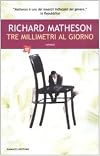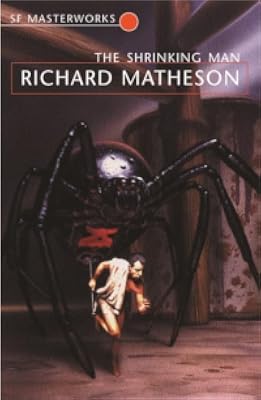
The Shrinking Man
by Richard Matheson, Mark Torres (Illustrator)
On This Page
Description
In Matheson's legendary tale, family man Scott Carey finds himself shrinking, slowly, day-by-day, inch-by-inch. While on vacation, he gets exposed to a radioactive cloud, the cause of this bizarre event. Scott once had an everyday existence as a husband and father, but now his shrinking shows no end in sight. He becomes a national spectacle, something worthy of newspaper headlines. As Carey shrinks smaller and smaller, his family become more and more unreachable giants, and the family cat show more becomes a predatory menace. In this world of disproportion, which grows more and more perilous with each passing day, Scott struggles to survive. He is pushed to the very limits of fear and existence.s the story continues, Carey meets up with some circus performers and attempts to rebuild some semblance of a life. But since his shrinking never stops, all ideas of normal fade, and the threats never stop growing.In 1958, The Shrinking Man won the Hugo award for that year's best science fiction or fantasy dramatic presentation. It was also adapted into the film The Incredible Shrinking Man. show lessTags
Recommendations


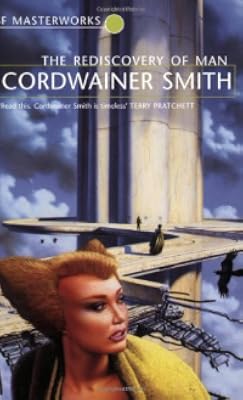
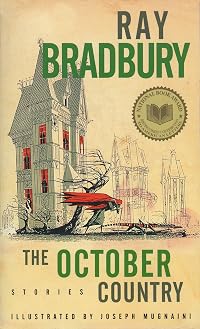
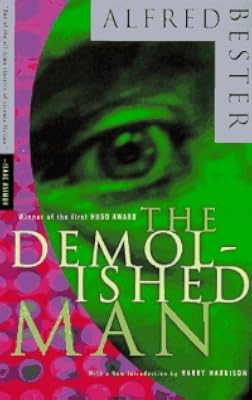
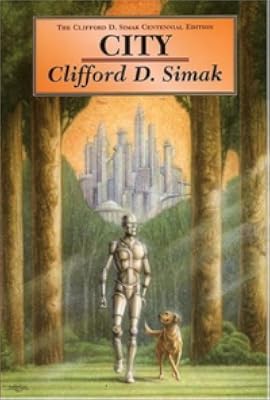












Member Recommendations
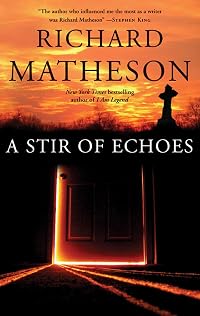
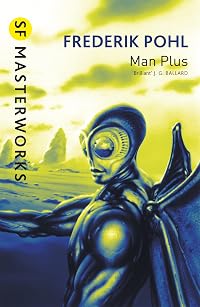
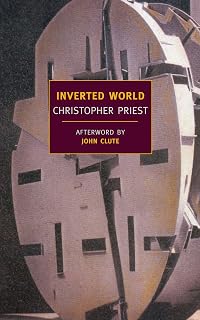
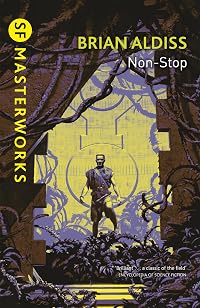
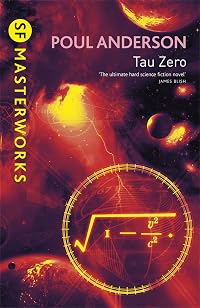
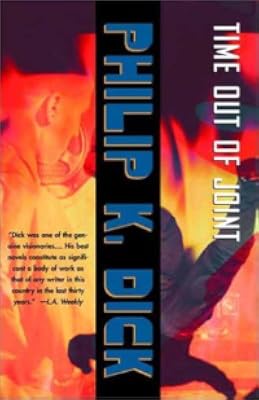
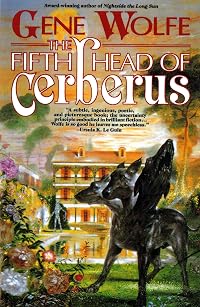
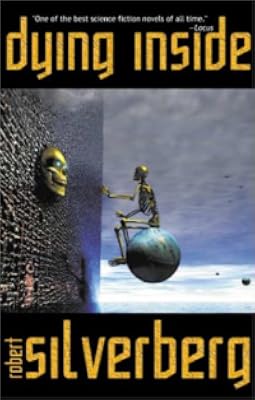
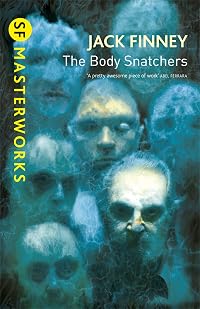
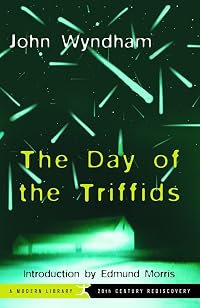
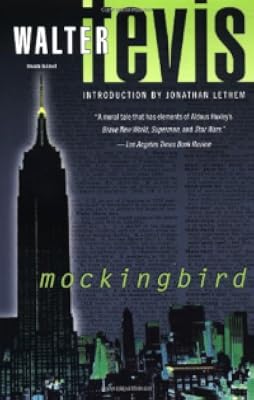
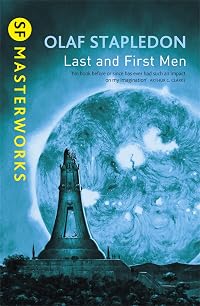
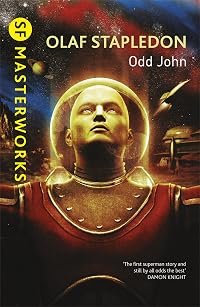
sturlington Similar in many ways. Each stays in the head of a solitary hero, isolated by unnatural events beyond his control, struggling to hold onto his sanity and his sense of self.

sturlington Similar themes and protagonist.
sturlington classic '50s sci-fi
Member Reviews
I just happened to finish rereading this as I got the news of Richard Matheson's death. Sad news, indeed. His body of work hasn't been consistent, but it has been entertaining, and I suspect I have not read enough of it.
*There are spoilers in the last paragraph of this review.*
The Shrinking Man offers a somewhat contrived what-if scenario: what if a man started shrinking 1/7 of an inch every day? This could have been a gimmicky conceit, but Matheson turns it into a meditation on what it means to be a man. The hero's masculinity is chipped away each day by fractions of an inch, and the story chronicles his growing helplessness and frustration as he loses all of the authority he had been so accustomed to -- at first, over his wife; then, show more his daughter and other children; then, over household pets; and finally, over all animals such as birds and spiders. He is banished from work and his marital bed, then made to live in a dollhouse, and finally condemned to the cellar. The only way he can reassert his masculinity is to devise ways to survive, even though he feels like he has a clear end date.
In a lot of ways, The Shrinking Man reminds me of the much better Matheson novella, I Am Legend. Each stays in the head of a solitary hero, isolated by unnatural events beyond his control, struggling to hold onto his sanity and his sense of self.
The Shrinking Man is clearly a product of its time, an anguished and often cynical view of the emasculation of men in a changing era. Matheson does hold out hope in the end, that the Shrinking Man may not be completely extinguished by the forces around him, but may instead discover new worlds where he can reinvent and reassert himself. Depending on how the reader feels about masculinity, this may or may not be a happy ending. For me, it was an unexpected ending, and one that elevated this short novel well above a mere gimmick. show less
*There are spoilers in the last paragraph of this review.*
The Shrinking Man offers a somewhat contrived what-if scenario: what if a man started shrinking 1/7 of an inch every day? This could have been a gimmicky conceit, but Matheson turns it into a meditation on what it means to be a man. The hero's masculinity is chipped away each day by fractions of an inch, and the story chronicles his growing helplessness and frustration as he loses all of the authority he had been so accustomed to -- at first, over his wife; then, show more his daughter and other children; then, over household pets; and finally, over all animals such as birds and spiders. He is banished from work and his marital bed, then made to live in a dollhouse, and finally condemned to the cellar. The only way he can reassert his masculinity is to devise ways to survive, even though he feels like he has a clear end date.
In a lot of ways, The Shrinking Man reminds me of the much better Matheson novella, I Am Legend. Each stays in the head of a solitary hero, isolated by unnatural events beyond his control, struggling to hold onto his sanity and his sense of self.
The Shrinking Man is clearly a product of its time, an anguished and often cynical view of the emasculation of men in a changing era. Matheson does hold out hope in the end, that the Shrinking Man may not be completely extinguished by the forces around him, but may instead discover new worlds where he can reinvent and reassert himself. Depending on how the reader feels about masculinity, this may or may not be a happy ending. For me, it was an unexpected ending, and one that elevated this short novel well above a mere gimmick. show less
ORIGINALLY POSTED AT Fantasy Literature.
Every day Scott Carey is getting shorter by 1/7 of an inch. The doctors have figured out why -- he was exposed to a combination of insecticide and radioactivity -- but so far they have not been able to make him stop shrinking. Now Scott is only one inch tall and he is trapped in the cellar of his family's rented home with a stale piece of bread, an out-of-reach box of crackers, a sponge, a garden hose, a water heater, and a black widow spider. And in seven more days, he'll be gone.
Well, that's enough to make many readers want to hear Scott's story. How did he get in the cellar? Why didn't he prepare for this since he had plenty of time? Where is his wife and daughter? Will the therapies reverse show more the shrinkage? Will the spider get him?
Readers who are expecting a horror-adventure story will be pleased with Richard Matheson's The Incredible Shrinking Man because there's plenty of scary excitement. Spiders, cats, and sparrows are monsters (and so are toddlers); the oil burner is a giant tower with an unpredictable roaring flame; the garden hose is a viper; the sand pile is a desert; the repairman is a giant; pins are spears and a spool of thread is a rope. That story by itself is fun and fascinating.
But it's the rest of the story -- the flashbacks, marked with Scott's height as he continues to shrink -- that make The Incredible Shrinking Man such an excellent book. For this story is less about the horror of being physically small than it is about the horror of being physically different and, specifically, about losing manhood. Scott was originally 6'2" and he had a good job and a loving wife and daughter. But as he gradually loses height, he also gradually loses his place as an employee, a husband, a father, and a man. It is this change that is horrifying to watch and made me consider what it means to be a man -- the importance of height, strength, respect, the ability to provide, and even the pitch of the voice. And then a heartbreaking scene at a carnival reminds us that "reality is relative" -- much of how we are perceived (and therefore how we perceive ourselves) depends on our position relative to others.
The Incredible Shrinking Man is so much more than an exciting and well-written horror story -- it's a beautiful psychological study of masculinity and loneliness. I listened to Blackstone Audio's version. It's eight hours long and excellently read by Yuri Rasovsky. I highly recommend this version.
ORIGINALLY POSTED AT Fantasy Literature. show less
Every day Scott Carey is getting shorter by 1/7 of an inch. The doctors have figured out why -- he was exposed to a combination of insecticide and radioactivity -- but so far they have not been able to make him stop shrinking. Now Scott is only one inch tall and he is trapped in the cellar of his family's rented home with a stale piece of bread, an out-of-reach box of crackers, a sponge, a garden hose, a water heater, and a black widow spider. And in seven more days, he'll be gone.
Well, that's enough to make many readers want to hear Scott's story. How did he get in the cellar? Why didn't he prepare for this since he had plenty of time? Where is his wife and daughter? Will the therapies reverse show more the shrinkage? Will the spider get him?
Readers who are expecting a horror-adventure story will be pleased with Richard Matheson's The Incredible Shrinking Man because there's plenty of scary excitement. Spiders, cats, and sparrows are monsters (and so are toddlers); the oil burner is a giant tower with an unpredictable roaring flame; the garden hose is a viper; the sand pile is a desert; the repairman is a giant; pins are spears and a spool of thread is a rope. That story by itself is fun and fascinating.
But it's the rest of the story -- the flashbacks, marked with Scott's height as he continues to shrink -- that make The Incredible Shrinking Man such an excellent book. For this story is less about the horror of being physically small than it is about the horror of being physically different and, specifically, about losing manhood. Scott was originally 6'2" and he had a good job and a loving wife and daughter. But as he gradually loses height, he also gradually loses his place as an employee, a husband, a father, and a man. It is this change that is horrifying to watch and made me consider what it means to be a man -- the importance of height, strength, respect, the ability to provide, and even the pitch of the voice. And then a heartbreaking scene at a carnival reminds us that "reality is relative" -- much of how we are perceived (and therefore how we perceive ourselves) depends on our position relative to others.
The Incredible Shrinking Man is so much more than an exciting and well-written horror story -- it's a beautiful psychological study of masculinity and loneliness. I listened to Blackstone Audio's version. It's eight hours long and excellently read by Yuri Rasovsky. I highly recommend this version.
ORIGINALLY POSTED AT Fantasy Literature. show less
Sex and science fiction were uncomfortable bed fellows in the 1950's, and I was surprised to find sexual issues addressed with some sympathy in Matheson's story of Scott Carey; The Shrinking Man. Shrinking an inch a week even after 6 months is likely to cause problems in many marital situations and after a year with no sign of a halt to the shrinking then relationships sexual and otherwise would have to be rethought. Scott Carey is a proud individualist and fights for survival until the very end; this does not usually sit with a more sensitive soul and after all this is a science fiction novel written in the 1950's when male chauvinistic men of mettle were the norm. Now I do not read science fiction from over 60 years ago for its show more exploration of sexual mores, but I do "sit up" when personal sexual difficulties are not only discussed, but are integral to the story line. Scott Carey in the prime of life does not lose his sexual appetite with his shrinking, but of course finds it difficult to talk about it to his wife.
In I Am Legend: Matheson first successful novel there was an overwhelming feeling of claustrophobia along with an increasingly desperate battle against impossible odds. This formula is largely repeated here: when we meet Scott Carey he is an inch high and is running across a desert, being pursued by a spider. As the book unfolds we learn through flashbacks that Scott has been trapped in the cellar for the last two and a half months and that his world has shrunk with his size. He is an inch tall and is resigned to shrinking one seventh of an inch per 24 hours and so by the end of the week he will cease to exist. We learn that a toxic mixture of radiation and insecticide has caused his condition and despite many weeks of treatment no cure has been found. He has remained at home being supported by his wife and his young daughter to the best of their abilities, but after he loses his job then the family face an increasingly difficult financial situation. The flash backs are interspersed with Scotts battle to stay alive in an increasingly hostile environment for the last seven days of his life. Finding water and food sets him off on climbing expeditions that test his physical abilities to their limit as well as extreme problem solving. These sections of the story are an adventure wonderland, but the interspersions of the back story are no less intriguing. They are mostly skilfully done and reveal aspects of Scotts character as well as an increasing alienation from a world that has grown too big for him.
One of the most poignant episodes is before eventually being trapped in the cellar, he is banished there by his wife who has to employ a child minder while she goes out to work. Scott has dealt badly with the publicity caused by his condition and does not wish to expose himself any further hence he must hide in the cellar. He fantasises about a beautiful 17 year old female child minder and when he finally catches sight of her he sees a dumpy teenager, but he still cannot control his desire and risks his life for glimpses of her from the high cellar window. This exploration of an inner life, conscious and unconscious puts this book firmly in the category of a novel, albeit a fantasy novel. Matheson has created a fantasy world that is full of realism and although the science is pure gobbledygook, his world is one of wonder. The Shrinking Man was published in 1956 and is now part of the science fiction masterwork series. The book has of course been made into a successful film "The Incredible Shrinking Man" scripted partly by Matheson.
This is a fantasy novel, although a dark and brooding one with gothic elements that might appeal to a crossover readership, Matheson has also made a name for himself in the horror genre and as a genre novel I rate it as a five star read. show less
In I Am Legend: Matheson first successful novel there was an overwhelming feeling of claustrophobia along with an increasingly desperate battle against impossible odds. This formula is largely repeated here: when we meet Scott Carey he is an inch high and is running across a desert, being pursued by a spider. As the book unfolds we learn through flashbacks that Scott has been trapped in the cellar for the last two and a half months and that his world has shrunk with his size. He is an inch tall and is resigned to shrinking one seventh of an inch per 24 hours and so by the end of the week he will cease to exist. We learn that a toxic mixture of radiation and insecticide has caused his condition and despite many weeks of treatment no cure has been found. He has remained at home being supported by his wife and his young daughter to the best of their abilities, but after he loses his job then the family face an increasingly difficult financial situation. The flash backs are interspersed with Scotts battle to stay alive in an increasingly hostile environment for the last seven days of his life. Finding water and food sets him off on climbing expeditions that test his physical abilities to their limit as well as extreme problem solving. These sections of the story are an adventure wonderland, but the interspersions of the back story are no less intriguing. They are mostly skilfully done and reveal aspects of Scotts character as well as an increasing alienation from a world that has grown too big for him.
One of the most poignant episodes is before eventually being trapped in the cellar, he is banished there by his wife who has to employ a child minder while she goes out to work. Scott has dealt badly with the publicity caused by his condition and does not wish to expose himself any further hence he must hide in the cellar. He fantasises about a beautiful 17 year old female child minder and when he finally catches sight of her he sees a dumpy teenager, but he still cannot control his desire and risks his life for glimpses of her from the high cellar window. This exploration of an inner life, conscious and unconscious puts this book firmly in the category of a novel, albeit a fantasy novel. Matheson has created a fantasy world that is full of realism and although the science is pure gobbledygook, his world is one of wonder. The Shrinking Man was published in 1956 and is now part of the science fiction masterwork series. The book has of course been made into a successful film "The Incredible Shrinking Man" scripted partly by Matheson.
This is a fantasy novel, although a dark and brooding one with gothic elements that might appeal to a crossover readership, Matheson has also made a name for himself in the horror genre and as a genre novel I rate it as a five star read. show less
Lo que hace Richard Matheson con ‘El increíble hombre menguante’ no es nada fácil. El mérito de Matheson radica en hacer creíble una historia a todas luces fantástica, la de un hombre que va menguando día a día; y lo hace tan bien que sufres con el protagonista y con todos los obstáculos y padecimientos por los que pasa, en una gran labor por parte de Matheson en la construcción psicológica del personaje.
La historia comienza con una especie de nube radiactiva (un recurso muy de moda en los años 50 del siglo pasado; pero no se trata de una novela de ciencia ficción, sino más bien de una obra enmarcada en el fantástico) que baña a Scott Carey. A partir de este momento, nota que va perdiendo altura y peso, unos show more milímetros cada día. Mediante flashbacks iremos asistiendo a los sufrimientos por los que va pasando Carey en el sótano en el que está encerrado cuando mide unos centímetros, y a los problemas por los que fue pasando con su familia hasta llegar al sótano.
Ambas partes están muy logradas, en una estructura perfecta. Vamos viendo cómo se deteriora la relación con su mujer, que parece pasar de amante a figura materna, y cómo Carey sigue teniendo impulsos sexuales, que no puede satisfacer; así como también se muestra lo difícil que es relacionarse con su pequeña hija, sobre todo cuando esta lo sobrepasa en altura. Son igualmente destacables los enfrentamientos a los que ha de enfrentarse con personas que lo atacan por su condición de monstruo, incluso cuando intenta pasar por un niño más.
En cuanto a lo que va aconteciendo en el sótano, es el corazón de la novela, donde se aprecia realmente el terror y la soledad del protagonista, su imposibilidad de huída y comunicación con el exterior. Y tendrá que hacer frente a peligros y dificultades sin límite: el gran enfrentamiento con una viuda negra, la búsqueda de comida y agua, el frío… Y todo ello en completa soledad, y no nos olvidemos, menguando día a día. El final, absolutamente memorable.
El libro se completa con cuatro relatos cortos:
La prueba. Gran relato, donde Matheson especula sobre un futuro distópico, en el que la sociedad ha decidido terminar con los viejos, teniendo que pasar por una prueba para saber la condición en la que se encuentran. Se trata de un cuento que no deja indiferente.
Mantage. Extraño cuento en el que asistimos a la vida de un escritor como si del montaje de una película se tratase. Y es que 85 minutos pueden dar para mucho.
El repartidor. Leyendo este cuento es inevitable pensar en la gran influencia que Matheson ha sido para Stephen King. Esta historia parace el germen de ‘La tienda’ de King.
El diablo sobre ruedas (Duel). Breve relato que dio pie a la película de Steven Spielberg, que cuenta el duelo entre un conductor que se dirige tranquilamente a San Francisco por negocios y un misterioso camionero.
Resumiendo, se trata de un libro donde se puede degustar ese sabor a historias clásicas, bien contadas, de uno de los maestros de la literatura fantástica. show less
La historia comienza con una especie de nube radiactiva (un recurso muy de moda en los años 50 del siglo pasado; pero no se trata de una novela de ciencia ficción, sino más bien de una obra enmarcada en el fantástico) que baña a Scott Carey. A partir de este momento, nota que va perdiendo altura y peso, unos show more milímetros cada día. Mediante flashbacks iremos asistiendo a los sufrimientos por los que va pasando Carey en el sótano en el que está encerrado cuando mide unos centímetros, y a los problemas por los que fue pasando con su familia hasta llegar al sótano.
Ambas partes están muy logradas, en una estructura perfecta. Vamos viendo cómo se deteriora la relación con su mujer, que parece pasar de amante a figura materna, y cómo Carey sigue teniendo impulsos sexuales, que no puede satisfacer; así como también se muestra lo difícil que es relacionarse con su pequeña hija, sobre todo cuando esta lo sobrepasa en altura. Son igualmente destacables los enfrentamientos a los que ha de enfrentarse con personas que lo atacan por su condición de monstruo, incluso cuando intenta pasar por un niño más.
En cuanto a lo que va aconteciendo en el sótano, es el corazón de la novela, donde se aprecia realmente el terror y la soledad del protagonista, su imposibilidad de huída y comunicación con el exterior. Y tendrá que hacer frente a peligros y dificultades sin límite: el gran enfrentamiento con una viuda negra, la búsqueda de comida y agua, el frío… Y todo ello en completa soledad, y no nos olvidemos, menguando día a día. El final, absolutamente memorable.
El libro se completa con cuatro relatos cortos:
La prueba. Gran relato, donde Matheson especula sobre un futuro distópico, en el que la sociedad ha decidido terminar con los viejos, teniendo que pasar por una prueba para saber la condición en la que se encuentran. Se trata de un cuento que no deja indiferente.
Mantage. Extraño cuento en el que asistimos a la vida de un escritor como si del montaje de una película se tratase. Y es que 85 minutos pueden dar para mucho.
El repartidor. Leyendo este cuento es inevitable pensar en la gran influencia que Matheson ha sido para Stephen King. Esta historia parace el germen de ‘La tienda’ de King.
El diablo sobre ruedas (Duel). Breve relato que dio pie a la película de Steven Spielberg, que cuenta el duelo entre un conductor que se dirige tranquilamente a San Francisco por negocios y un misterioso camionero.
Resumiendo, se trata de un libro donde se puede degustar ese sabor a historias clásicas, bien contadas, de uno de los maestros de la literatura fantástica. show less
A phenomenally good SF novel, that takes a very simple concept and extracts huge amounts of intellectual and visceral excitement from it. The tiny man fighting spiders narrate that I expected is only half the story, the other half is a thought provoking and moving examination of modern masculinity. Well worth a read.
Much more so than the excellent movie, the book gets inside the guy's head, and conveys the horrors of his situation in almost unbearable, naked detail. It's like a nightmare you can't wake up from. This is Matheson hitting on all cylinders with the impact of a primal scream. The ending that seemed abrupt and far-fetched in the movie seems inevitable here. They don't make horror stories any better than this.
One of my favorite movies of all time is The Incredible Shrinking Man, and one of my favorite writers-- when I was a tween and a teen-- was Richard Matheson. Matheson wrote Rod Serling's introduction to The Twilight Zone (as well as a few episodes) and many other short stories and books that were turned into film. I grew up liking what the man could do with my imagination.
The novel The Shrinking Man is the basis for the movie I mentioned above, and I wanted to see how they compared. If you're talking to a book lover, you will normally hear that the book is always better than the movie. But that's not true. In this case, the film is superior to the book, and it's got everything to do with the main character, Scott Carey.
While out on a show more boat, Carey is covered in a mysterious, glittering mist that he later finds out is part radiation, part insecticide. He begins to shrink. Steadily. Until he lives in fear of the family cat. But he continues to shrink, until-- trapped in the cellar of their house-- he finds himself continually fighting off a very determined spider.
This book can be very interesting to read. How can a man who's literally shrinking away to nothing be able to provide for his wife and his daughter? How are his wife and daughter going to be able to cope with this situation? There's a lot of good food for thought within the book's pages. Unfortunately, one thing almost completely ruined The Shrinking Man for me-- Scott Carey.
Now, don't get me wrong. I tried to cut Carey as much slack as I possibly could. After all, how on earth would I know how I'd react if the same thing happened to me? But it was a very difficult thing to do. Scott Carey is one of the most juvenile, thoughtless, self-centered, violent-tempered, unlikable, whiny characters I've come across in years. It got to the point where I was rooting for the spider to win but feeling guilty about it because the spider probably would've suffered from horrible heartburn.
So just remember. The book isn't always better than the movie. The Shrinking Man is a case in point. show less
The novel The Shrinking Man is the basis for the movie I mentioned above, and I wanted to see how they compared. If you're talking to a book lover, you will normally hear that the book is always better than the movie. But that's not true. In this case, the film is superior to the book, and it's got everything to do with the main character, Scott Carey.
While out on a show more boat, Carey is covered in a mysterious, glittering mist that he later finds out is part radiation, part insecticide. He begins to shrink. Steadily. Until he lives in fear of the family cat. But he continues to shrink, until-- trapped in the cellar of their house-- he finds himself continually fighting off a very determined spider.
This book can be very interesting to read. How can a man who's literally shrinking away to nothing be able to provide for his wife and his daughter? How are his wife and daughter going to be able to cope with this situation? There's a lot of good food for thought within the book's pages. Unfortunately, one thing almost completely ruined The Shrinking Man for me-- Scott Carey.
Now, don't get me wrong. I tried to cut Carey as much slack as I possibly could. After all, how on earth would I know how I'd react if the same thing happened to me? But it was a very difficult thing to do. Scott Carey is one of the most juvenile, thoughtless, self-centered, violent-tempered, unlikable, whiny characters I've come across in years. It got to the point where I was rooting for the spider to win but feeling guilty about it because the spider probably would've suffered from horrible heartburn.
So just remember. The book isn't always better than the movie. The Shrinking Man is a case in point. show less
Members
- Recently Added By
Lists

Best Horror Books
281 works; 85 members

Read the book and saw the movie
1,170 works; 192 members

S.F. Masterworks (Complete)
229 works; 15 members

Stephen King's Biggest Influences
46 works; 3 members

Stephen King's 'Danse Macabre' reading list
111 works; 25 members

Stephen King's Danse Macabre Full Appendix List
110 works; 2 members
Stephen King Danse Macabre Appendix Starred List
53 works; 1 member

Books Read in 2025
4,128 works; 98 members

Les 100 principaux titres de la science-fiction (1981)
126 works; 3 members

Jones & Newman: Best Horror Books Further Recommended Reading
577 works; 4 members

SF Masterworks
193 works; 8 members

David Pringle's Modern Fantasy: The 100 Best Novels
100 works; 5 members

Books Read in 2013
1,630 works; 51 members

Macho Fiction
7 works; 4 members

1950s
340 works; 22 members
BlackDog's Complete Paperbacks From Hell List
639 works; 3 members

Survey of Classic Science Fiction
171 works; 48 members
Author Information

291+ Works 30,210 Members
Richard Matheson was born on February 20, 1926 in Allendale, New Jersey. He was eight when his stories appeared in a local newspaper, the Brooklyn Eagle. He served during World War II. He received a degree in journalism from the University of Missouri in 1949. In 1950 he first was noticed as an upcoming writer-to-watch, starting with the short show more story Born of Man and Woman. He wrote numerous novels and short stories during his lifetime including I am Legend, The Shrinking Man, What Dreams May Come, and Hell House. He won the World Fantasy Convention's Life Achievement Award, the Bram Stoker Award for Life Achievement, the Hugo Award, the Golden Spur Award, and the Writer's Guild Award. He also was inducted into the Science Fiction Hall of Fame in 2010. When Hollywood approached him for the rights to his novel The Shrinking Man, he negotiated the chance to write the screenplay. This began a long career in screenwriting and adapting. He wrote the screenplay for Steven Spielberg's Duel and 16 episodes of the television series The Twilight Zone. He won an Edgar Allan Poe Award in 1973 for The Night Stalker. He died on June 23, 2013 at the age of 87. (Bowker Author Biography) show less
Some Editions
Awards and Honors
Notable Lists
Series
Belongs to Publisher Series
Work Relationships
Is contained in
Is an adaptation of
Common Knowledge
- Canonical title
- The Shrinking Man
- Original title
- The Shrinking Man
- Alternate titles
- The Incredible Shrinking Man
- Original publication date
- 1956-05
- People/Characters
- Scott Carey; Louise Carey; Beth Carey; Marty Carey; Catherine; Clarice
- Related movies
- The Incredible Shrinking Man (1957 | IMDb); The Incredible Shrinking Woman (1981 | IMDb)
- First words
- First he thought it was a tidal wave.
- Quotations
- Memory was such a worthless thing, really. Nothing it dealt with was attainable. It was concerned with phantom acts and feelings, with all that was uncapturable except in thought.
Responsibility in the jungle world was pared to the bone of basic survival. There were no political connivings necessary, no financial arenas to struggle in, no nerve-knotting races for superior rungs on the social ladder. Th... (show all)ere was only to be or not to be.
To love someone when there was nothing to be got from that person; that was love.
But to nature there was no zero. Existence went on in endless cycles. It seemed so simple now. He would never disappear, because there was no point of non-existence in the universe. - Last words
- (Click to show. Warning: May contain spoilers.)Scott Carey ran into his new world, searching.
- Publisher's editor*
- Senftbauer, E.; Jeschke, Wolfgang
- Original language
- English
- Canonical DDC/MDS
- 813.08762
- Disambiguation notice
- This is the stand-alone novel. Please do not combine with story collections.
*Some information comes from Common Knowledge in other languages. Click "Edit" for more information.
Classifications
- Genres
- Science Fiction, Fiction and Literature, Horror
- DDC/MDS
- 813.08762 — Literature & rhetoric American literature in English American fiction in English By type Genre fiction Adventure fiction Speculative fiction Science fiction
- LCC
- PS3563 .A8355 — Language and Literature American literature American literature Individual authors 1961-
- BISAC
Statistics
- Members
- 972
- Popularity
- 27,169
- Reviews
- 43
- Rating
- (3.77)
- Languages
- 11 — Danish, Dutch, English, French, German, Italian, Norwegian (Bokmål), Norwegian, Portuguese, Spanish, Swedish
- Media
- Paper, Audiobook, Ebook
- ISBNs
- 46
- ASINs
- 28