On This Page
Description
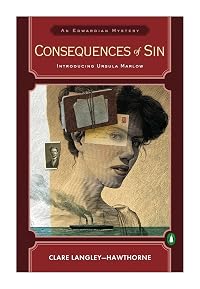
For fans of Maisie Dobbs, a riveting new Edwardian mystery series featuring detective heiress Ursula Marlow Ursula Marlow, the star of this richly detailed, beautifully paced, deeply romantic mystery, is a strong female heroine with whom fans of Dorothy Sayers, Sarah Waters, Anne Perry, and Jacqueline Winspear's Maisie Dobbs series will instantly fall in love. An Oxford graduate active in the battle for women's suffrage, Ursula is not your typical Edwardian heiress. Her once-charmed life show more takes a frightening turn when a fellow suffragette and friend is accused of murder. As Ursula digs deeper to discover the truth and clear her friend's tarnished name, she is drawn into a mystery that raises troubling questions about her own father's connection to the murder victim. show lessTags
Recommendations

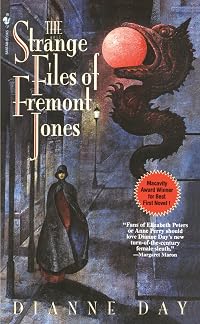
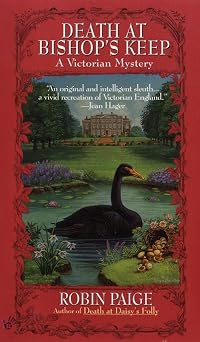
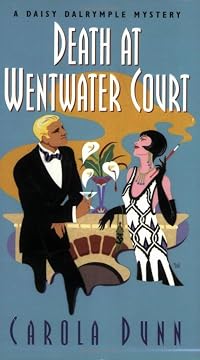
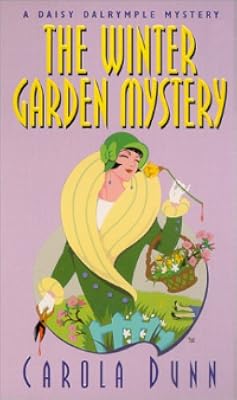




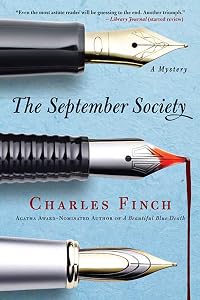
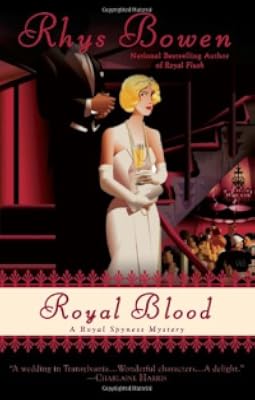

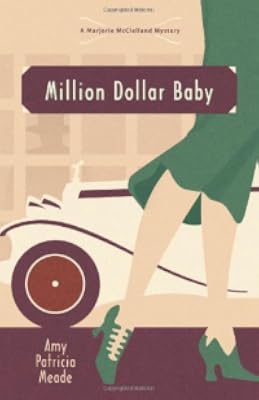
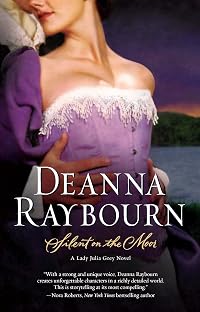
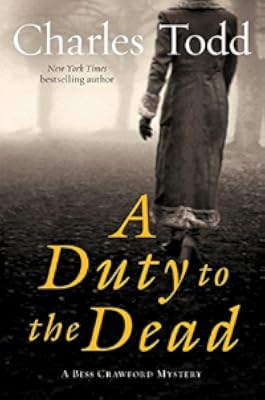
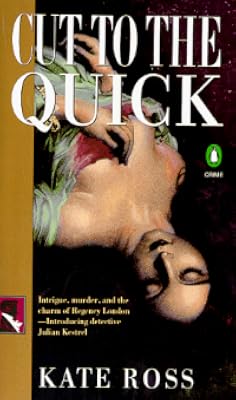
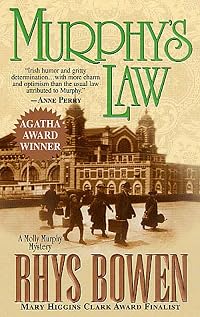
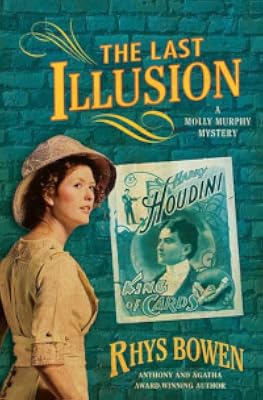
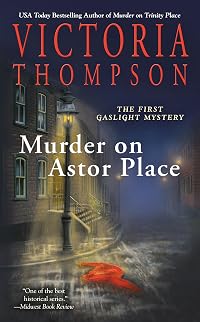
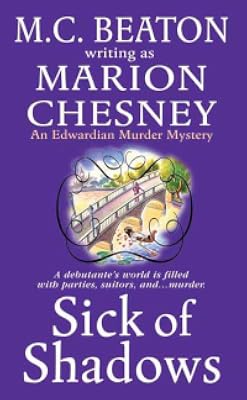
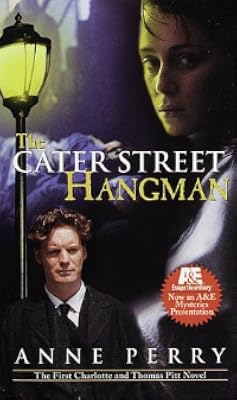
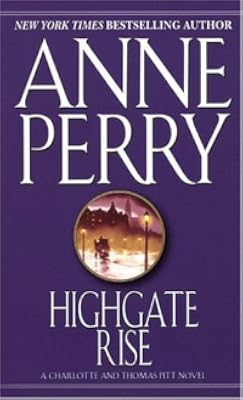
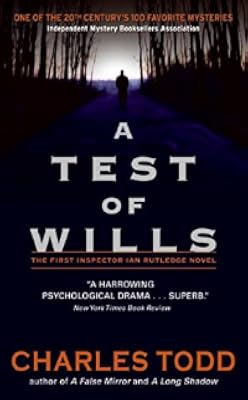

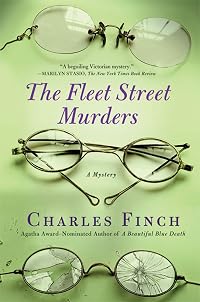
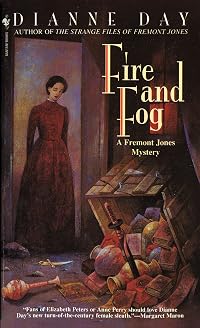
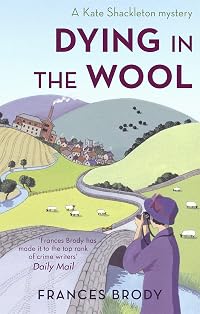
Member Recommendations
nancyK18 In her debut book the author propvides readers with a Victorian mystery featuring a likeable character.
Member Reviews
In Edwardian England Ursula Marlow is the only daughter of a widowed self-made man. She is woken one morning by a frantic phone call from one of her suffragette friends, Winifred “Freddie” Stanford-Jones, who has discovered her lover dead covered in blood in the bed beside her. Although she doesn’t want to be beholden to him, Ursula calls upon her father’s legal adviser Lord Wrotham to smooth the waters with the Police. Despite this Freddie is soon arrested and as Ursula tries to clear her friend’s name she discovers that the murder of Freddie’s lover may relate to a troubled expedition to Venezuela’s famed Orinoco Delta that her father financed 20 years previously.
I love it when a book surprises me. I was expecting a show more frothy historical romp and although this book does have its frothy moments there’s also a more melancholic, even sombre, thread that I, perhaps perversely, enjoyed. Also, Ursula is also more complex and credible heroine than I anticipated. She’s not the over-the-top force of nature that Elizabeth Peters’ Amelia Peabody is but nor is she an Austen-esque woman constantly being overcome by the vapours. At times she’s a take-charge gal forging ahead regardless of danger but at other points she’s indecisive and clearly scared by unfolding events. This dichotomy is far more realistic than the extremes you often find in fiction and it made Ursula more interesting and the book less predictable than others in this crowded space.
I’m no expert on the period but the historical setting seems to have been captured rather beautifully. There were many details of Edwardian life depicted that demonstrated that the past is indeed a foreign country: one fun to visit but nice to return home from. While exploring in South America a hundred years ago or sailing first-class on the Lusitania (5 years before it sank) might have been great experiences I wouldn’t trade them for being able to vote and look after my own finances.
While I revelled in the details of the explorers of the past and Edwardian life in general there was a solid mystery playing out at decent pace although there weren’t many red herrings or alternative suspects whose guilt I could ponder. The remaining characters other than the two leads played fairly minor roles and but perhaps other characters will participate more fully in future books. The only one here that I struggled with was the policeman (in fact I’m still not sure if he was supposed to be incredibly dumb or vaguely corrupt). However the book was crammed with enough other delights to keep me occupied and I’ll even admit (as long as you promise not to tell anyone else) that I was quite engaged by the romantic element to the story (which was almost entirely lacking in soppiness thank heavens). show less
I love it when a book surprises me. I was expecting a show more frothy historical romp and although this book does have its frothy moments there’s also a more melancholic, even sombre, thread that I, perhaps perversely, enjoyed. Also, Ursula is also more complex and credible heroine than I anticipated. She’s not the over-the-top force of nature that Elizabeth Peters’ Amelia Peabody is but nor is she an Austen-esque woman constantly being overcome by the vapours. At times she’s a take-charge gal forging ahead regardless of danger but at other points she’s indecisive and clearly scared by unfolding events. This dichotomy is far more realistic than the extremes you often find in fiction and it made Ursula more interesting and the book less predictable than others in this crowded space.
I’m no expert on the period but the historical setting seems to have been captured rather beautifully. There were many details of Edwardian life depicted that demonstrated that the past is indeed a foreign country: one fun to visit but nice to return home from. While exploring in South America a hundred years ago or sailing first-class on the Lusitania (5 years before it sank) might have been great experiences I wouldn’t trade them for being able to vote and look after my own finances.
While I revelled in the details of the explorers of the past and Edwardian life in general there was a solid mystery playing out at decent pace although there weren’t many red herrings or alternative suspects whose guilt I could ponder. The remaining characters other than the two leads played fairly minor roles and but perhaps other characters will participate more fully in future books. The only one here that I struggled with was the policeman (in fact I’m still not sure if he was supposed to be incredibly dumb or vaguely corrupt). However the book was crammed with enough other delights to keep me occupied and I’ll even admit (as long as you promise not to tell anyone else) that I was quite engaged by the romantic element to the story (which was almost entirely lacking in soppiness thank heavens). show less
Opening Sentence: '…When the telephone rang downstairs so early that Saturday morning, Ursula Marlow knew it could only be bad news…’
Ursula Marlow is the daughter of a wealthy businessman. She is a university graduate and a suffragette. The phone call is from a friend, Winifred, who has woken next to the body of her murdered lesbian lover and calls Ursula for help. Winifred is soon charged with murder and Ursula is determined to prove her friend innocent.
A few day's later the victim's father commits suicide and Ursula uncovers a link to an expedition that occurred 20-years' ago to Venezuela. Her father and some of his friends were involved - and now it looks like someone may be killing the children of all those who were on this show more expedition.
In the beginning Ursula comes over as spoilt and indulged, dare I say a bit of a whinger? She soon grew into a brave, determined and strongly independent woman. She is a woman caught in an interesting time of social revolution; women moving from the Victorian era to a modern era of independence and the right to vote.
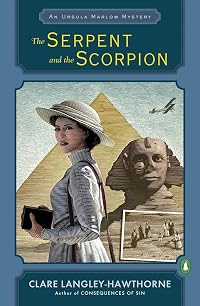
Clare Langley-Hawthorne did a wonderful job of conveying sense of time and place. The plot has good suspense, and excellent twist, a climatic ending. Is a light and intelligent read - and will chase up her other book in this series 'The Serpent and the Scorpion' show less
Ursula Marlow is the daughter of a wealthy businessman. She is a university graduate and a suffragette. The phone call is from a friend, Winifred, who has woken next to the body of her murdered lesbian lover and calls Ursula for help. Winifred is soon charged with murder and Ursula is determined to prove her friend innocent.
A few day's later the victim's father commits suicide and Ursula uncovers a link to an expedition that occurred 20-years' ago to Venezuela. Her father and some of his friends were involved - and now it looks like someone may be killing the children of all those who were on this show more expedition.
In the beginning Ursula comes over as spoilt and indulged, dare I say a bit of a whinger? She soon grew into a brave, determined and strongly independent woman. She is a woman caught in an interesting time of social revolution; women moving from the Victorian era to a modern era of independence and the right to vote.
Clare Langley-Hawthorne did a wonderful job of conveying sense of time and place. The plot has good suspense, and excellent twist, a climatic ending. Is a light and intelligent read - and will chase up her other book in this series 'The Serpent and the Scorpion' show less
Ursula Marlowe is the only daughter of one of the richest industrialists in England. Her father is a self-made man and has seen to it that his daughter has had a excellent education, including a degree at Oxford. Disconcertingly this has made her very politically aware, taking part in the suffragette movement, and socialist protests that seem to cut at the very heart of her father's operations. Robert Marlowe does not approve of some of the friends Ursula has made, and so when she gets an urgent phone call from one of them early in the morning she leaves the house quickly and quietly.
Her friend, Winifred Stanford-Jones, a fellow suffragette, has woken in bed to find her lover lying next to her, murdered. Freddie has absolutely no memory show more of how she got to bed, and certainly none of the murder. Ursula calls a close family friend, a Kings Counsel, Lord Wrotham, who quickly takes charge of the situation. He sends Ursula away saying that her involvement in a scandal of this sort will do great harm to her father's business.
Time passes and Ursula becomes convinced that the police regard Winifred as the murderer, and are determined to charge her. When the father of the dead girl commits suicide, Ursula comes across evidence that links her father to the dead girl's family.
The plot of CONSEQUENCES OF SIN is mainly played out against the background of London in 1910-1911, but also takes Ursula and Lord Wrotham to the Orinoco River in Venezuela. There were times when I struggled to hold on to this branch of the plot, despite what I'm sure were great efforts by the author to make it tight. Suffragette London felt very authentic, with evidence of considerable research. Social customs and mores of the period are well explained, and there is an understated romantic element that adds interest.
CONSEQUENCES OF SIN may remind some readers of the early Jacqueline Winspear (Maisie Dobbs) books although these are set a little later. It reminded me of a semi-gothic (that's probably the wrong descriptor) style of novel that I read a lot in the 1970s by authors like Dorothy Eden and Victoria Holt. More recently Kerry Greenwood's Phryne Fisher books come to mind. show less
Her friend, Winifred Stanford-Jones, a fellow suffragette, has woken in bed to find her lover lying next to her, murdered. Freddie has absolutely no memory show more of how she got to bed, and certainly none of the murder. Ursula calls a close family friend, a Kings Counsel, Lord Wrotham, who quickly takes charge of the situation. He sends Ursula away saying that her involvement in a scandal of this sort will do great harm to her father's business.
Time passes and Ursula becomes convinced that the police regard Winifred as the murderer, and are determined to charge her. When the father of the dead girl commits suicide, Ursula comes across evidence that links her father to the dead girl's family.
The plot of CONSEQUENCES OF SIN is mainly played out against the background of London in 1910-1911, but also takes Ursula and Lord Wrotham to the Orinoco River in Venezuela. There were times when I struggled to hold on to this branch of the plot, despite what I'm sure were great efforts by the author to make it tight. Suffragette London felt very authentic, with evidence of considerable research. Social customs and mores of the period are well explained, and there is an understated romantic element that adds interest.
CONSEQUENCES OF SIN may remind some readers of the early Jacqueline Winspear (Maisie Dobbs) books although these are set a little later. It reminded me of a semi-gothic (that's probably the wrong descriptor) style of novel that I read a lot in the 1970s by authors like Dorothy Eden and Victoria Holt. More recently Kerry Greenwood's Phryne Fisher books come to mind. show less
I like mysteries and have enjoyed other early 20th century England stories, especially the Maisie Dobb’s books and I believe one of the reviews even compared them favorably. I found the story predictable, but it was still interesting. As with the Maisie Dobb’s books, this attempts to show the early suffragette struggle and how alternative lifestyles were not completely unheard of, even if not accepted. The writing is good. I was a little tired of all the swooning and fuzzy memories, but that is my fault. I remember the time I was rear-ended, not even a serious accident, and I was a bit fuzzy on details. So I imagine being hit on the head, shot at, or in a physical fight with a killer would lead to some shock-induced fuzz.
I also show more imagine the confict of having well-meaning society expectations, parental hopes, and individual dreams and hopes was a very trying thing when women didn’t do anything but marry well (measured by money more than anything else). All of that is captured in this book. show less
I also show more imagine the confict of having well-meaning society expectations, parental hopes, and individual dreams and hopes was a very trying thing when women didn’t do anything but marry well (measured by money more than anything else). All of that is captured in this book. show less
Our heroine is likeable, but while described as very intelligent would walk down a dark alley in a bad part of town to meet a bad guy without telling anyone where she, went wearing jewelry and carrying money. That said, she manages to evade total disaster and will no doubt seek further adventure. Plucky is what we might call her if we read about her again. I might because the plot was interesting as was the time period.
Set during Edwardian times, loved the setting and description of the times. The last 100 pages were fast but not as good, however, there is a final twist in the end that was worth the process.
A decent mystery with well developed characters. I enjoyed the suffragist aspect but thought there could have been more to it.
Members
- Recently Added By
Author Information

4 Works 213 Members
Awards and Honors
Awards
Series

Common Knowledge
- Canonical title
- Consequences of Sin
- Original publication date
- 2007-02-15
- People/Characters
- Ursula Marlow; Lord Wrotham; Biggs (butler)
- Important places
- London, England, UK; Orinoco River; Orinoco Delta, Venezuela
Classifications
Statistics
- Members
- 139
- Popularity
- 235,938
- Reviews
- 10
- Rating
- (3.17)
- Languages
- English
- Media
- Paper, Ebook
- ISBNs
- 7
- ASINs
- 4