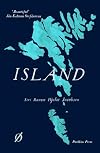
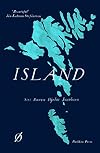
Island
by Siri Ranva Hjelm Jacobsen
On This Page
Description
"Death brings the young woman back to the Faroes, the windswept rocky islands of the north where she has never lived but which she has always called home. There she finds her stories entwining with those of her ancestors as she searches for a way to connect with Faroese culture. But is home just a place name, or something more? Island is a literary tale of exile and homecoming, split across three generations of a Faroe islands family, strongly inspired by the author's own family history. It show more is a beautiful story of emigration and immigration, and of what it means to belong."--Provided by publisher. show lessTags
Recommendations



















Member Reviews
A Danish author with Faroese roots takes her narrator (who shares her ancestry - it again becomes hard to separate an author from a narrator) to the island of her grandparents. The novel has two timelines that get weaved around each other - the grandparents leaving the islands for Denmark and the granddaughter coming back home after their deaths. The two stories meet in the narrator's memories so it really becomes a 3-timelines narrative, split between the two places and shifting between them and across the years. It is a tale of emigration and longing to belong, of assimilation and getting yourself lost and then finding yourself again. The Faroe Islands are where the family is; Denmark is where the future seems to be. There is show more something sad about that, something almost anyone who moved away from home will recognize. The novel is a meditation on the process of migration - stating occasionally facts that rarely get spoken about (like the three generation principle: the first generation moves, the second needs to succeed so they become doctors and lawyers and so on, the third is where people really have a choice to become artists and trombonists if they want to). There is a lot of history in this book, there are a lot of heartbreaks but there is also laughter (and a theory on why the Faroese football team (soccer for the Americans...) does not to very well when they are away from home).
If anything, the novel tends to be too busy in places - too many people, too many actions. But then... isn't this what happens when you go back home when you live abroad? The style can also be jarring in weird ways - it did not completely work for me but I appreciated the details of the islands. show less
If anything, the novel tends to be too busy in places - too many people, too many actions. But then... isn't this what happens when you go back home when you live abroad? The style can also be jarring in weird ways - it did not completely work for me but I appreciated the details of the islands. show less
Island by Siri Ranva Hjelm Jacobsen is understated and poetic and a little melancholic, too, as it follows two timelines in the same family: a Danish woman who is returning to the Faroes to visit family and that of her grandmother who immigrated to Denmark generations before.
Island is the literary equivalent of flipping through a family photo album filled with distant relatives that you've either never met or of whom you only have vague memories. Each small chapter in this novel is a snapshot in that photo album, a marker of a person or event or place in time that the protagonist is tenuously connected to by blood and collective memory, and also by her longing to connect to her origins while feeling outside of it all. In glimpsing show more through the generations of this family, we experience the fleetingness of memory, and the reality that some memories will disappear when those who remember are gone. All of these impressions build to a larger picture of the dynamics of this family, and also examines what "home" actually means, why we leave it, and why we return. show less
Island is the literary equivalent of flipping through a family photo album filled with distant relatives that you've either never met or of whom you only have vague memories. Each small chapter in this novel is a snapshot in that photo album, a marker of a person or event or place in time that the protagonist is tenuously connected to by blood and collective memory, and also by her longing to connect to her origins while feeling outside of it all. In glimpsing show more through the generations of this family, we experience the fleetingness of memory, and the reality that some memories will disappear when those who remember are gone. All of these impressions build to a larger picture of the dynamics of this family, and also examines what "home" actually means, why we leave it, and why we return. show less
‘’She stands with her back to the low copse of planted trees, looking down the mountain to the village, blue in the August night, and the sheep that are like stones among unbroken glass. Further off, the sea is sleeping. Vags Fjord is still, blue on blue against the sky above the ruler-straight horizon, string taut between the headlands, a line only ghosts and legends can walk.’’
A young woman travels to the Faroe Islands with her family. A sad occasion becomes the trigger for contemplation and questioning. Why is it that we feel the need to ‘’return’’ after we have ‘’departed’’? What makes a land a ‘’home’’? In what ways do our ancestors and relatives define our past, present and future? How is our show more identity constructed through the changes between the generations? Primarily seen through Marita’s eyes in the past and her brilliant granddaughter in the present, this is a family - and a nation’s - journey from Tórshavn and Copenhagen to every corner of the mystical, mythical Faroe Islands, beautifully written by Siri Ranva Hjelm Jacobsen.
‘’That weekend I told myself I’d been born in Vagar, in Gasadalur, one morning with the rain. I wanted some germ in me to have arisen here and to belong, part of the stone, the green air.
Around the little cluster of houses that make up the village are the mountains. The clouds. Further out the valley ends abruptly. It hovers, balancing above the sea on a thunderous waterfall. Sheer steps lead from the edge of the valley to the breakers far beneath. We saw no tourists. The valley was ours, the birds’. Deep and silent.’’
Raw and haunting right from the start, its non-linear narrative urges us to discern the links between the past and the present and the evolution of the relationships as eras and generations change. In exciting, lyrical and quietly profound prose, our narrator searches for the people that have influenced the course of her family, their motives behind their choices and actions, their loves and failures and achievements. Through wars and secret (and not so secret) rivals, through aspirations, convictions and rituals, the culture and identity of the Faroe Islands come to life, the harsh landscape merging and defining the lives of the people, depicted in beautiful paragraphs such as this:
‘’Fritz raises and drops the line. He doesn’t believe the tall tales he’s been told and tells the village children in his turn. The sea witch. The sea ghost with its overlong thighs, which creeps onto the beach and sits shrieking on the rocks. All he wants is to be the contraction and measured release of his muscles. His pumping blood. His frozen beard. Those stories are for scaring children; they belong indoors. Not here, in the wide open unknown.’’
Stories of witches and phantom whalers, of the hulder folk and the myths about the islands, tales of the stories and the moss, of the mists and the fjords, of floating islands and secretive places like Mykines, of the festivities of Midsummer’s Eve, in the scorching wind and the midnight sun, a woman is trying to explore questions of identity and belonging in a contemporary, lyrical Norse Odyssey.
Beautifully translated by Caroline Waight.
‘’Outside, beyond the black curtain, the roads are dead; they die every night. Marita can’t get used to the black-out - that’s the one thing. The dogs are growling, an obtrusive sound, a rumbling now, and hoofs trampling; the barking of the dogs rises to the roar of engines above the roof. She curls up underneath the bedclothes. The sound of the low-flying huntsmen drifts onwards over the city.
The houses are like submerged rocks appearing out of the blackness, not recognizing each other. The Dog King’s horse is white as a searchlight. A solitary stare. She knows it.
At night, when the war puts out the light, every house in the city is like hers, a submerged ghosts, a drifting island.’’
Many thanks to Pushkin Press and NetGalley for the ARC in exchange for an honest review.
My reviews can also be found on https://theopinionatedreaderblog.wordpress.com/ show less
A young woman travels to the Faroe Islands with her family. A sad occasion becomes the trigger for contemplation and questioning. Why is it that we feel the need to ‘’return’’ after we have ‘’departed’’? What makes a land a ‘’home’’? In what ways do our ancestors and relatives define our past, present and future? How is our show more identity constructed through the changes between the generations? Primarily seen through Marita’s eyes in the past and her brilliant granddaughter in the present, this is a family - and a nation’s - journey from Tórshavn and Copenhagen to every corner of the mystical, mythical Faroe Islands, beautifully written by Siri Ranva Hjelm Jacobsen.
‘’That weekend I told myself I’d been born in Vagar, in Gasadalur, one morning with the rain. I wanted some germ in me to have arisen here and to belong, part of the stone, the green air.
Around the little cluster of houses that make up the village are the mountains. The clouds. Further out the valley ends abruptly. It hovers, balancing above the sea on a thunderous waterfall. Sheer steps lead from the edge of the valley to the breakers far beneath. We saw no tourists. The valley was ours, the birds’. Deep and silent.’’
Raw and haunting right from the start, its non-linear narrative urges us to discern the links between the past and the present and the evolution of the relationships as eras and generations change. In exciting, lyrical and quietly profound prose, our narrator searches for the people that have influenced the course of her family, their motives behind their choices and actions, their loves and failures and achievements. Through wars and secret (and not so secret) rivals, through aspirations, convictions and rituals, the culture and identity of the Faroe Islands come to life, the harsh landscape merging and defining the lives of the people, depicted in beautiful paragraphs such as this:
‘’Fritz raises and drops the line. He doesn’t believe the tall tales he’s been told and tells the village children in his turn. The sea witch. The sea ghost with its overlong thighs, which creeps onto the beach and sits shrieking on the rocks. All he wants is to be the contraction and measured release of his muscles. His pumping blood. His frozen beard. Those stories are for scaring children; they belong indoors. Not here, in the wide open unknown.’’
Stories of witches and phantom whalers, of the hulder folk and the myths about the islands, tales of the stories and the moss, of the mists and the fjords, of floating islands and secretive places like Mykines, of the festivities of Midsummer’s Eve, in the scorching wind and the midnight sun, a woman is trying to explore questions of identity and belonging in a contemporary, lyrical Norse Odyssey.
Beautifully translated by Caroline Waight.
‘’Outside, beyond the black curtain, the roads are dead; they die every night. Marita can’t get used to the black-out - that’s the one thing. The dogs are growling, an obtrusive sound, a rumbling now, and hoofs trampling; the barking of the dogs rises to the roar of engines above the roof. She curls up underneath the bedclothes. The sound of the low-flying huntsmen drifts onwards over the city.
The houses are like submerged rocks appearing out of the blackness, not recognizing each other. The Dog King’s horse is white as a searchlight. A solitary stare. She knows it.
At night, when the war puts out the light, every house in the city is like hers, a submerged ghosts, a drifting island.’’
Many thanks to Pushkin Press and NetGalley for the ARC in exchange for an honest review.
My reviews can also be found on https://theopinionatedreaderblog.wordpress.com/ show less
My mother was from the Faroe Islands so this one really resonated with me. The writing is beautiful and very evocative. The plot is minimal but as Jacobsen explores the meaning of home and belonging she captures the warmth, melancholy and wildness I associate with the Faroes.
Una giovane ragazza danese ha nostalgia di un’isola verde e impervia battuta dai venti del Nord, un’isola delle Faroe dove non ha mai vissuto ma che ha sempre sentito chiamare «casa», perché da lì emigrò la sua famiglia negli anni Trenta. Comincia così, dall’urgenza di riappropriarsi delle sue origini e di una cultura che ha ereditato ma non le appartiene, il suo viaggio di ritorno a Suðuroy, da cui nonno Fritz, pescatore dell’Artico, partì alla ricerca di un destino migliore, e nonna Marita, sognatrice irrequieta, fuggì verso il mondo e la modernità.
Un viaggio nella storia di una famiglia e di questo piccolo arcipelago sperduto nell’Atlantico, che è stato coinvolto nel secondo conflitto mondiale e nella guerra show more fredda e che ha lottato fieramente per una sua autonomia dalla Danimarca. Un viaggio nella memoria e nel mito che perdura in queste terre sospese nel tempo, tra le asprezze di una natura primigenia, dove ogni racconto di vita si colora di leggenda, dall’amore segreto tra Marita e Ragnar il Rosso, falegname filosofo e ribelle che chiama i gabbiani «i proletari del mare», alla roccia incantata nel giardino di zia Beate, che attira sciagure su chi prova a rimuoverla.
Romanzo d’ispirazione autobiografica, scritto in una prosa poetica audace e distillata in immagini di rara forza evocativa, Isola è un canto d’amore alle Faroe e un racconto sulle ripercussioni intime dell’emigrazione, sul ruolo degli affetti e dei legami di sangue nell’identità di una persona, sul bisogno di radici o almeno di un’Itaca dell’anima, un posto che si possa chiamare casa. show less
Un viaggio nella storia di una famiglia e di questo piccolo arcipelago sperduto nell’Atlantico, che è stato coinvolto nel secondo conflitto mondiale e nella guerra show more fredda e che ha lottato fieramente per una sua autonomia dalla Danimarca. Un viaggio nella memoria e nel mito che perdura in queste terre sospese nel tempo, tra le asprezze di una natura primigenia, dove ogni racconto di vita si colora di leggenda, dall’amore segreto tra Marita e Ragnar il Rosso, falegname filosofo e ribelle che chiama i gabbiani «i proletari del mare», alla roccia incantata nel giardino di zia Beate, che attira sciagure su chi prova a rimuoverla.
Romanzo d’ispirazione autobiografica, scritto in una prosa poetica audace e distillata in immagini di rara forza evocativa, Isola è un canto d’amore alle Faroe e un racconto sulle ripercussioni intime dell’emigrazione, sul ruolo degli affetti e dei legami di sangue nell’identità di una persona, sul bisogno di radici o almeno di un’Itaca dell’anima, un posto che si possa chiamare casa. show less
Jan 30, 2020Italian
Non so bene cosa dire di questo romanzo perché la verità è che non l’ho capito. La CE Iperborea si prodiga nello spiegarmi che è un romanzo sull’emigrazione e sulle sue conseguenze nelle generazioni successive degli emigrati, ma leggendo Isola non ho sentito questo tema come così centrale da far girare intorno a esso tutta la presentazione dell’opera.
Sì, si parla di emigrazione, ma sembra anche una saga familiare, un racconto autobiografico, una guida ai luoghi delle Fær Øer, un romanzo storico, una storia di amori travagliati, una storia di ritorno alle origini: insomma, un monte di roba che, però, alla fine, stringi, stringi, non mi ha lasciato niente.
Forse l’autrice, essendo al suo primo romanzo, non ha saputo show more gestire al meglio tutti i temi e i generi che avrebbero dovuto comporre il mosaico della storia di emigrati faroesi. La citazione, riportata anche in quarta di copertina e secondo la quale Laggiù, sotto il mare, tutte le terre emerse s’incontrano, è molto bella e ci racconta di differenze che si parlano, ma l’ho trovata fine a se stessa, appesa lì senza che il romanzo riuscisse a darle il giusto carico di significato.
Non so se consigliarne o meno la lettura, dipende dai vostri gusti: se come me non amate le storie piene di suggestioni, meglio se passate ad altro; se, invece, siete di quellə che leggono questi romanzi con sguardo sognante, allora Isola aspetta proprio voi. show less
Sì, si parla di emigrazione, ma sembra anche una saga familiare, un racconto autobiografico, una guida ai luoghi delle Fær Øer, un romanzo storico, una storia di amori travagliati, una storia di ritorno alle origini: insomma, un monte di roba che, però, alla fine, stringi, stringi, non mi ha lasciato niente.
Forse l’autrice, essendo al suo primo romanzo, non ha saputo show more gestire al meglio tutti i temi e i generi che avrebbero dovuto comporre il mosaico della storia di emigrati faroesi. La citazione, riportata anche in quarta di copertina e secondo la quale Laggiù, sotto il mare, tutte le terre emerse s’incontrano, è molto bella e ci racconta di differenze che si parlano, ma l’ho trovata fine a se stessa, appesa lì senza che il romanzo riuscisse a darle il giusto carico di significato.
Non so se consigliarne o meno la lettura, dipende dai vostri gusti: se come me non amate le storie piene di suggestioni, meglio se passate ad altro; se, invece, siete di quellə che leggono questi romanzi con sguardo sognante, allora Isola aspetta proprio voi. show less
Jan 11, 2024Italian
Non c'è niente da fare, questi scrittori nordici proprio non mi piacciono. Dostoevskij al confronto è una farfalla.
Mar 20, 2018Italian
Members
- Recently Added By
Lists

Books Set on Islands
190 works; 24 members
Author Information
3+ Works 94 Members
Series
Belongs to Publisher Series
Common Knowledge
- Canonical title
- Island
- Original title
- Ø
- Original publication date
- 2016
- People/Characters*
- Marita; Fritz
- Important places*
- Vágar, Fèroe; Suduroy, Fèroe; Copenhague, Dinamarca; Torshávn, Fèroe
- Important events*
- Segona Guerra Mundial [1939-1945]
- Epigraph*
- Come on girl
let's sneak out of this party
it's getting boring
BJÖRK - First words*
- Està d'esquena als arbrets del planter i mira per damunt de la muntanya, cap al poble, blau en la nit d'estiu, i les ovelles, que semblen pedres al prat d'herba que oneja.
- Last words*
- (Click to show. Warning: May contain spoilers.)S'atura amb l'aigua als turmells i riu fins que la rialla es torna ronca mentre Mykines llisca al seu lloc, exactament allà, a l'extrem del fiord de Sorvágur. Ara viu a l'ull.
- Publisher's editor*
- Nits blanques
- Original language
- Danish
*Some information comes from Common Knowledge in other languages. Click "Edit" for more information.
Classifications
- Genres
- General Fiction, Fiction and Literature
- DDC/MDS
- 839.8138 — Literature & rhetoric German & related literatures Other Germanic literatures Danish and Norwegian literatures Danish Danish fiction 2000–
- LCC
- PT8177.18 .J456 — Language and Literature German, Dutch and Scandinavian literatures Danish literature Individual authors or works 2001-
- BISAC
Statistics
- Members
- 83
- Popularity
- 382,057
- Reviews
- 7
- Rating
- (3.43)
- Languages
- 6 — Catalan, Danish, Dutch, English, French, Italian
- Media
- Paper, Ebook
- ISBNs
- 9
- ASINs
- 2