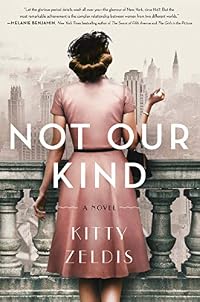
Not Our Kind
by Kitty Zeldis
On This Page
Description
One rainy morning in June, two years after the end of World War II, a minor traffic accident brings together Eleanor Moskowitz and Patricia Bellamy. Their encounter seems fated: Eleanor, a teacher and recent Vassar graduate, needs a job. Patricia's difficult thirteen-year-old daughter Margaux, recovering from polio, needs a private tutor. Though she feels out of place in the Bellamys' rarefied and elegant Park Avenue milieu, Eleanor forms an instant bond with Margaux. Soon the idealistic show more young woman is filling the bright young girl's mind with Shakespeare and Latin. Though her mother, a hat maker with a little shop on Second Avenue, disapproves, Eleanor takes pride in her work, even if she must use the name "Moss" to enter the Bellamys' restricted doorman building each morning, and feels that Patricia's husband, Wynn, may have a problem with her being Jewish. Invited to keep Margaux company at the Bellamys' country home in a small town in Connecticut, Eleanor meets Patricia's unreliable, bohemian brother, Tom, recently returned from Europe. The spark between Eleanor and Tom is instant and intense. Flushed with new romance and increasingly attached to her young pupil, Eleanor begins to feel more comfortable with Patricia and much of the world she inhabits. As the summer wears on, the two women's friendship grows--until one hot summer evening, a line is crossed, and both Eleanor and Patricia will have to make important decisions--choices that will reverberate through their lives.-- show lessTags
Recommendations
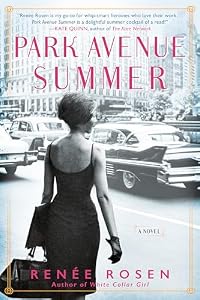
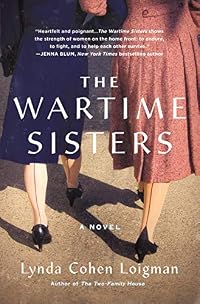
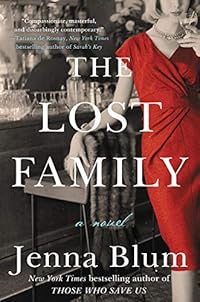


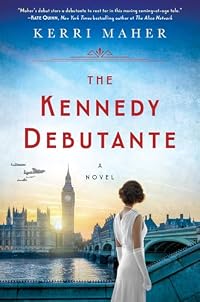























Member Recommendations

Member Reviews
One morning in 1947, Eleanor Moskowitz is on her way to a job interview when two taxicabs collide on a Manhattan street. Eleanor, riding in one, suffers a mild injury, though she’s more upset at missing her interview. But the passenger in the other taxi, Patricia Bellamy, insists on bringing Eleanor to her Park Avenue home and tending to her.
As it happens, Patricia’s thirteen-year-old daughter, Margaux, needs a tutor, and Eleanor has teaching experience and a Vassar degree. More importantly, Margaux takes to her instantly, as she has to no other person besides her parents and her mother’s brother, her Uncle Tom. As an angry, whiny child suffering a disability — she had polio and walks with a cane — she normally dislikes show more everyone on sight, so the connection to Eleanor means something to Patricia.
Trouble is, Eleanor’s Jewish, and Patricia’s an anti-Semite — the genteel sort, to be sure, but her husband, Wynn, is louder and more pointed about it. In fact, he’s louder and more pointed about everything, a drunken boor with roving eyes and hands. But the Bellamys hire Eleanor anyway, because Margaux likes her, and they’re desperate for someone to get through to their daughter.
But Eleanor has her doubts too. As her mother says, these prospective employers are “not our kind,” and the newly hired tutor feels intimidated by their wealth, apparent ease, and, well, perfection, observable even in the building where they live, only three blocks from her own.
Zeldis has New York down — the clothing styles, social mores, scenery, and, most germane, workplace anti-Semitism. The author has a gift for the unexpected, the essence of tension, so that even when the plot seems predictable, events don’t turn out quite the way you think. I also like Zeldis’s knack for getting tremendous mileage out of a simple situation that’s actually very complicated, especially once Patricia’s charming, individualist brother happens on the scene and hits it off with Eleanor right away.
The Bellamys’ prejudice lurks behind every interaction, as if the elephant in the room were trumpeting loudly, except they try not to hear it. It’s the problem that simply won’t go away, and Zeldis resists any temptation at easy fixes. For the most part, until the last quarter of the novel, the plot unfolds naturally, with no apparent guiding hand.
Where Not Our Kind falls short, I think, lies in the characters, especially the men. Wynn is a cartoon; Zeldis belatedly announces his merits, trying to mitigate his villainy, but you don’t see them. Likewise, though Tom’s charming, he’s elusive, and though I can see Eleanor admire his ease and wish she had it, and that she soaks up his kindness and sensitivity, that’s different from love. I like Patricia and her daughter, who seem real, and Eleanor’s mother, Irina, who can observe that she’s unhappy about decisions Eleanor has made, but that unhappiness isn’t fatal.
The heroine’s another story. I sympathize with Eleanor, but once I finished the book, I tried to remember her flaws and couldn’t. She’s unsure of herself and a little envious, but those hardly count, and she seems remarkably self-possessed, seldom at a loss for the words she needs to stick up for herself. She grows toward feminism without using the term, a worthy theme and apt for the time, but I find Patricia more rounded.
Further, Eleanor’s Jewishness is entirely cultural, and though many novelists draw such characters, I often suspect that they do so merely for the inconvenience that observance causes in the workaday world, or because they’re not confident they can do otherwise. Zeldis plainly can; late in the book, Eleanor recoils inwardly at pork on a plate. She could have, should have done that throughout the narrative—not necessarily as strongly, just to acknowledge her difference, her otherness, which she notes in many other ways.
Finally, Not Our Kind, despite its marvelous descriptions of clothing or architecture, doesn’t feel like 1947. There’s no sense of relief after a war, or even that there was a war, though we’re told that Wynn didn’t fight, and that Patricia lost a brother. There’s nothing about popular culture, politics (as in anti-Communist hysteria, whose roots lay in anti-Semitism), or other goings-on — surprising, given that Gentleman’s Agreement, a movie about covert anti-Semitism, came out that year. show less
As it happens, Patricia’s thirteen-year-old daughter, Margaux, needs a tutor, and Eleanor has teaching experience and a Vassar degree. More importantly, Margaux takes to her instantly, as she has to no other person besides her parents and her mother’s brother, her Uncle Tom. As an angry, whiny child suffering a disability — she had polio and walks with a cane — she normally dislikes show more everyone on sight, so the connection to Eleanor means something to Patricia.
Trouble is, Eleanor’s Jewish, and Patricia’s an anti-Semite — the genteel sort, to be sure, but her husband, Wynn, is louder and more pointed about it. In fact, he’s louder and more pointed about everything, a drunken boor with roving eyes and hands. But the Bellamys hire Eleanor anyway, because Margaux likes her, and they’re desperate for someone to get through to their daughter.
But Eleanor has her doubts too. As her mother says, these prospective employers are “not our kind,” and the newly hired tutor feels intimidated by their wealth, apparent ease, and, well, perfection, observable even in the building where they live, only three blocks from her own.
Zeldis has New York down — the clothing styles, social mores, scenery, and, most germane, workplace anti-Semitism. The author has a gift for the unexpected, the essence of tension, so that even when the plot seems predictable, events don’t turn out quite the way you think. I also like Zeldis’s knack for getting tremendous mileage out of a simple situation that’s actually very complicated, especially once Patricia’s charming, individualist brother happens on the scene and hits it off with Eleanor right away.
The Bellamys’ prejudice lurks behind every interaction, as if the elephant in the room were trumpeting loudly, except they try not to hear it. It’s the problem that simply won’t go away, and Zeldis resists any temptation at easy fixes. For the most part, until the last quarter of the novel, the plot unfolds naturally, with no apparent guiding hand.
Where Not Our Kind falls short, I think, lies in the characters, especially the men. Wynn is a cartoon; Zeldis belatedly announces his merits, trying to mitigate his villainy, but you don’t see them. Likewise, though Tom’s charming, he’s elusive, and though I can see Eleanor admire his ease and wish she had it, and that she soaks up his kindness and sensitivity, that’s different from love. I like Patricia and her daughter, who seem real, and Eleanor’s mother, Irina, who can observe that she’s unhappy about decisions Eleanor has made, but that unhappiness isn’t fatal.
The heroine’s another story. I sympathize with Eleanor, but once I finished the book, I tried to remember her flaws and couldn’t. She’s unsure of herself and a little envious, but those hardly count, and she seems remarkably self-possessed, seldom at a loss for the words she needs to stick up for herself. She grows toward feminism without using the term, a worthy theme and apt for the time, but I find Patricia more rounded.
Further, Eleanor’s Jewishness is entirely cultural, and though many novelists draw such characters, I often suspect that they do so merely for the inconvenience that observance causes in the workaday world, or because they’re not confident they can do otherwise. Zeldis plainly can; late in the book, Eleanor recoils inwardly at pork on a plate. She could have, should have done that throughout the narrative—not necessarily as strongly, just to acknowledge her difference, her otherness, which she notes in many other ways.
Finally, Not Our Kind, despite its marvelous descriptions of clothing or architecture, doesn’t feel like 1947. There’s no sense of relief after a war, or even that there was a war, though we’re told that Wynn didn’t fight, and that Patricia lost a brother. There’s nothing about popular culture, politics (as in anti-Communist hysteria, whose roots lay in anti-Semitism), or other goings-on — surprising, given that Gentleman’s Agreement, a movie about covert anti-Semitism, came out that year. show less
Kitty Zeldis has given us a well written and engaging novel about two women from two different worlds who are bound by their mutual love of one young girl. One rainy morning in 1947 in New York City, Eleanor Moskowitz is running late for a job interview, while Patricia Bellamy is on her way to Bergdorf Goodman to pick up something for her daughter Margaux. Their paths literally collide when Patricia’s taxi runs into the taxi Eleanor is in. As Eleanor stands in the rain, softly crying because she has missed her interview, Patricia compassionately invites her to her home to dry off and make a call.
Eleanor is Vassar educated, a teacher and Jewish while Patricia comes from an affluent life, lives on Park Avenue, and leads the life of a show more socialite. Normally they would never have connected, but fate has brought them together and an unlikely friendship begins. At Patricia’s home Eleanor meets 13-year-old Margaux who survived a bout of polio that left her with an atrophied leg. Margaux is too self-conscious to attend public school so has a home tutor – whom she dislikes greatly. But Eleanor and Margaux seem to have an immediate connection that Patricia cannot ignore. Hoping Eleanor can help Margaux, Patricia offers her a job. While both Patricia and Margaux are enchanted with Eleanor, that is not the case with Patricia’s husband Wynn. He makes it very clear that he does not like Eleanor because she is Jewish.
When Eleanor meets Patricia’s brother Tom there is again that moment of instant attraction. While Patricia really likes Eleanor she is not eager for her brother to be involved with a Jew. With a husband that despises Eleanor and a brother that is attracted to her, the bond between the two women is now tested. And then one night one of them cross the line and all their lives will be changed.
Written in alternating perspectives of Eleanor and Patricia, Zeldis writes of two women so different, yet so alike. Both women knew “their place” in society, a place subservient to men and clear class divisions. Under Zeldis’ masterful writing both women look inside themselves and discover who they are and what their priorities are. It was also a really insightful glimpse into the life of everyday American people shortly after the end of the war. I can hardly wait until my book club discusses it. I am sure there will be lively discussion.
Thank you to Harper Books for the complimentary copy of the book. All opinions are my own.
If you like my reviews, please check out my Facebook page “Reading is My Passion” at www.facebook.com/groups/ReadingisMy Passion show less
Eleanor is Vassar educated, a teacher and Jewish while Patricia comes from an affluent life, lives on Park Avenue, and leads the life of a show more socialite. Normally they would never have connected, but fate has brought them together and an unlikely friendship begins. At Patricia’s home Eleanor meets 13-year-old Margaux who survived a bout of polio that left her with an atrophied leg. Margaux is too self-conscious to attend public school so has a home tutor – whom she dislikes greatly. But Eleanor and Margaux seem to have an immediate connection that Patricia cannot ignore. Hoping Eleanor can help Margaux, Patricia offers her a job. While both Patricia and Margaux are enchanted with Eleanor, that is not the case with Patricia’s husband Wynn. He makes it very clear that he does not like Eleanor because she is Jewish.
When Eleanor meets Patricia’s brother Tom there is again that moment of instant attraction. While Patricia really likes Eleanor she is not eager for her brother to be involved with a Jew. With a husband that despises Eleanor and a brother that is attracted to her, the bond between the two women is now tested. And then one night one of them cross the line and all their lives will be changed.
Written in alternating perspectives of Eleanor and Patricia, Zeldis writes of two women so different, yet so alike. Both women knew “their place” in society, a place subservient to men and clear class divisions. Under Zeldis’ masterful writing both women look inside themselves and discover who they are and what their priorities are. It was also a really insightful glimpse into the life of everyday American people shortly after the end of the war. I can hardly wait until my book club discusses it. I am sure there will be lively discussion.
Thank you to Harper Books for the complimentary copy of the book. All opinions are my own.
If you like my reviews, please check out my Facebook page “Reading is My Passion” at www.facebook.com/groups/ReadingisMy Passion show less
Thanks to Suzy's Approved Books (FB), the author, and Harper for this ARC.
A fast moving book that I devoured in 3 days. I absolutely loved this book. The characters, the plot, and everything.
I'm a big fan of Jewish fiction and this one didn't disappoint. I always find it interesting that in the 1940's how anti-semetic people were and how they "Weren't Our Kind" and found means to change or shorten their name so they wouldn't be known as Jews. Thank G-d I grew up in the 1970s where I didn't face this problem but I know many people of my parents generation born in the 1920s did. My grandparents changed their names when they came over to Ellis Island from Russia and Poland due to long, unpronounceable names not for the reasons above.
Good show more job Kitty Zeldis and hope to read many more books from you and in this genre. show less
A fast moving book that I devoured in 3 days. I absolutely loved this book. The characters, the plot, and everything.
I'm a big fan of Jewish fiction and this one didn't disappoint. I always find it interesting that in the 1940's how anti-semetic people were and how they "Weren't Our Kind" and found means to change or shorten their name so they wouldn't be known as Jews. Thank G-d I grew up in the 1970s where I didn't face this problem but I know many people of my parents generation born in the 1920s did. My grandparents changed their names when they came over to Ellis Island from Russia and Poland due to long, unpronounceable names not for the reasons above.
Good show more job Kitty Zeldis and hope to read many more books from you and in this genre. show less
This book started out really slow (I even had to put it down for a while), but the story does pick up and it turned out to be a very different story than what I expected. Eleanor is a young Jewish woman who takes a position as a private tutor to a polio-disabled daughter of a wealthy family. She develops a strong and friendly relationship with the daughter and her mother Patricia and even Patricia's brother Tom, but the father is a character who could have made headlines in a #MeToo scandal. Despite its slow start, this book finishes on a strong note and I enjoyed the story, even if I wishes for a more just ending for some of the characters.
What a lovely writing style. I thought this was beautifully written.
Eleanor Moskowitz and Patricia meet one morning when their taxis collide.
Eleanor missed a job interview and got a bit beaten up in the accident. So Patricia invited her to her home to get cleaned up.
At the time she is aware of the fact that Eleanor is the only Jewish person that’s ever been invited into their home. They are just a few years post war and even though Patricia doesn’t judge Eleanor per se, she does feel disconnected from her.
Things get more complicated when Patricia’s daughter Margaux meets Eleanor. Margaux has been home schooled since she was inflicted with polio. She struggles socially but seems to instantly bond with Eleanor. Given that Eleanor show more used to be a teacher, Margaux suggests that they hire her as her tutor.
Patricia knows that her husband and her neighbors would judge Eleanor for being Jewish. So, she does hire her because she feels it’s the best thing for Margaux. But she asks Eleanor to give her name as Moss rather than Moskowitz.
This is just one more way Eleanor feels unlike her employer. Patricia is very wealthy too.
While on the surface, Patricia is essentially kind to Eleanor, she doesn’t quite see them as equals. And the gulf between them is emphasized when Eleanor developed feelings for Patrica’s brother Tom.
Things definitely take a turn for the worse in Eleanor and Patricia’s relationship around this time.
I thought the author did a very believable job of fleshing out the characters. No one was perfect. I found the changes within their relationships interesting. Friends? Employee/employer? Equals? Nothing was easy for anyone in this book but it’s an interesting journey for all of them. show less
Eleanor Moskowitz and Patricia meet one morning when their taxis collide.
Eleanor missed a job interview and got a bit beaten up in the accident. So Patricia invited her to her home to get cleaned up.
At the time she is aware of the fact that Eleanor is the only Jewish person that’s ever been invited into their home. They are just a few years post war and even though Patricia doesn’t judge Eleanor per se, she does feel disconnected from her.
Things get more complicated when Patricia’s daughter Margaux meets Eleanor. Margaux has been home schooled since she was inflicted with polio. She struggles socially but seems to instantly bond with Eleanor. Given that Eleanor show more used to be a teacher, Margaux suggests that they hire her as her tutor.
Patricia knows that her husband and her neighbors would judge Eleanor for being Jewish. So, she does hire her because she feels it’s the best thing for Margaux. But she asks Eleanor to give her name as Moss rather than Moskowitz.
This is just one more way Eleanor feels unlike her employer. Patricia is very wealthy too.
While on the surface, Patricia is essentially kind to Eleanor, she doesn’t quite see them as equals. And the gulf between them is emphasized when Eleanor developed feelings for Patrica’s brother Tom.
Things definitely take a turn for the worse in Eleanor and Patricia’s relationship around this time.
I thought the author did a very believable job of fleshing out the characters. No one was perfect. I found the changes within their relationships interesting. Friends? Employee/employer? Equals? Nothing was easy for anyone in this book but it’s an interesting journey for all of them. show less
My Review of “Not Our Kind” by Kitty Zeldis Harper Collins Publishers September 4, 2018
Kitty Zeldis, Author of “Not Our Kind” had me captivated and mesmerized by her vivid and thought-provoking images and descriptions of the characters and landscape. The Genres for this Novel are Fiction, Women’s Fiction and Historical Fiction. The time period of this novel is set two years after World War Two, in both New York City and Conneticut.
The author describes her colorful cast of characters as complex and complicated possibly due to the circumstances in this story. Eleanor Moskowitz,a young Jewish teacher is headed in a taxi in New York City for a job interview. Eleanor is a Vassar graduate, and has left her other teaching job for show more personal reasons. It is raining, and traffic is exceptionally slow. Suddenly another cab, hits the taxi that Eleanor is in. Eleanor’s lip is bleeding, and now it looks like Eleanor has missed her interview. It seems like fate when a kind stranger steps in. Little does Eleanor realize how this encounter will change her life forever. Patricia Bellamy invites Eleanor to her home which is close by.
Patricia Bellamy is a wealthy, attractive and stylish woman. She lives in a dignified, elegant, older deluxe apartment house on Park Avenue. Patricia is a WASP, and hasn’t had Jewish people come to her apartment. Margaux Bellamy, her young daughter has recently recovered from Polio, and is left with a disfigured leg and limp. Margaux’s last tutor has resigned, and now a new one is needed. Margaux likes Eleanor immediately and requests that her mother hire her as a tutor.
Eleanor feels uncomfortable in Patricia’s home. Eleanor’s mother is a gifted hat-maker, and they live in smaller crowded dwellings. Eleanor somehow feels an attachment to Margaux and takes the job. Eleanor now finds that she is using the last name Moss instead of Moskowitz, when she enters the building. Another problem is that Patricia’s husband is anti-semitic.
Kitty Zeldis has written a novel that makes one think. I appreciate that the author writes about significant problems of the historical period, the aftermath of the war, the epidemic of Polio , differences in class, and religion, and discrimination. Is it possible for people from different backgrounds to be friends? The author also discusses family, traditions, friendship, love and hope. I loved everything about this book and highly recommend this to readers who enjoy the historical time period after World War Two, and the set of challenges it presents. I received an Advanced Reading Edition from the Publisher for my honest review. show less
Kitty Zeldis, Author of “Not Our Kind” had me captivated and mesmerized by her vivid and thought-provoking images and descriptions of the characters and landscape. The Genres for this Novel are Fiction, Women’s Fiction and Historical Fiction. The time period of this novel is set two years after World War Two, in both New York City and Conneticut.
The author describes her colorful cast of characters as complex and complicated possibly due to the circumstances in this story. Eleanor Moskowitz,a young Jewish teacher is headed in a taxi in New York City for a job interview. Eleanor is a Vassar graduate, and has left her other teaching job for show more personal reasons. It is raining, and traffic is exceptionally slow. Suddenly another cab, hits the taxi that Eleanor is in. Eleanor’s lip is bleeding, and now it looks like Eleanor has missed her interview. It seems like fate when a kind stranger steps in. Little does Eleanor realize how this encounter will change her life forever. Patricia Bellamy invites Eleanor to her home which is close by.
Patricia Bellamy is a wealthy, attractive and stylish woman. She lives in a dignified, elegant, older deluxe apartment house on Park Avenue. Patricia is a WASP, and hasn’t had Jewish people come to her apartment. Margaux Bellamy, her young daughter has recently recovered from Polio, and is left with a disfigured leg and limp. Margaux’s last tutor has resigned, and now a new one is needed. Margaux likes Eleanor immediately and requests that her mother hire her as a tutor.
Eleanor feels uncomfortable in Patricia’s home. Eleanor’s mother is a gifted hat-maker, and they live in smaller crowded dwellings. Eleanor somehow feels an attachment to Margaux and takes the job. Eleanor now finds that she is using the last name Moss instead of Moskowitz, when she enters the building. Another problem is that Patricia’s husband is anti-semitic.
Kitty Zeldis has written a novel that makes one think. I appreciate that the author writes about significant problems of the historical period, the aftermath of the war, the epidemic of Polio , differences in class, and religion, and discrimination. Is it possible for people from different backgrounds to be friends? The author also discusses family, traditions, friendship, love and hope. I loved everything about this book and highly recommend this to readers who enjoy the historical time period after World War Two, and the set of challenges it presents. I received an Advanced Reading Edition from the Publisher for my honest review. show less
In the time after WW 2, Eleanor Moskowitz, young Vassar grad, is on her way to interview for a teaching position, when her cab collides with another one, this one bearing Patricia Bellamy. The jolt leaves Eleanor with blood on her face, and Patricia feels compelled to invite Eleanor to her home to freshen up. Having by now missed her appointment, Eleanor goes with Patricia. Patricia lives in an expensive, upper class apartment building. Patricia happens to need a tutor for her 13 year old daughter Margaux, recently recovering from polio, which has left Margaux with a limp and a large attitude. Match made in heaven? Well, it might be- except the Bellamys are WASP and Eleanor is Jewish. But Eleanor and Margaux have made an instant show more connection, so Patricia decides it’s worth the risk- if Eleanor shortens her name to ‘Moss’. It would never do for anyone in the building- especially Wynn Bellamy, Patricia’s husband- to know they had allowed a Jew in, even as an employee.
Eleanor finds herself walking a tight rope as tensions rise in the Bellamy summer house, with Eleanor as a live-in, Wynn there most of the time, and then Tom, Patricia’s brother, moves in. While Margaux is doing much better, both physically and emotionally, Eleanor isn’t sure she can stay any longer. And Eleanor’s mother, a successful milliner, doesn’t understand why Eleanor doesn’t want to join her in business. And Eleanor might soon find herself having to do that, when suspicions about her arise.
I enjoyed the book- it’s a bit of a tense read- but I wish the characters had been fleshed out more. The *do* thinks, but we don’t get a feeling of why they do them. Scenes change quickly without seeming to evolve or slide into each other. It does a great job of pointing out class differences and women’s roles. I’d give it four stars- good, but not great. And while it doesn’t affect the story- I really wished more time had been spent on Eleanor’s mother and her millinery. Total vintage clothing junkie here! show less
Eleanor finds herself walking a tight rope as tensions rise in the Bellamy summer house, with Eleanor as a live-in, Wynn there most of the time, and then Tom, Patricia’s brother, moves in. While Margaux is doing much better, both physically and emotionally, Eleanor isn’t sure she can stay any longer. And Eleanor’s mother, a successful milliner, doesn’t understand why Eleanor doesn’t want to join her in business. And Eleanor might soon find herself having to do that, when suspicions about her arise.
I enjoyed the book- it’s a bit of a tense read- but I wish the characters had been fleshed out more. The *do* thinks, but we don’t get a feeling of why they do them. Scenes change quickly without seeming to evolve or slide into each other. It does a great job of pointing out class differences and women’s roles. I’d give it four stars- good, but not great. And while it doesn’t affect the story- I really wished more time had been spent on Eleanor’s mother and her millinery. Total vintage clothing junkie here! show less
Members
- Recently Added By
Author Information

54+ Works 12,539 Members
Yona Zeldis McDonough is the author of The Barbie Chronicles: A Living Doll Turns Forty and The Four Temperaments, a novel
Some Editions
Work Relationships
Common Knowledge
- Canonical title
- Not Our Kind
- Original publication date
- 2018-09
- People/Characters
- Eleanor Moskowitz; Patricia Harrison Bellamy; Margaux Bellamy; Tom Harrison; Irina Moskowitz; Wynn Bellamy (show all 12); Henryka; Ruth Feingold; Dottie Talbot; Audrey; Harold; Adriana Giacchino
- Important places
- New York, New York, USA; Argyle, Connecticut, USA; Oakwood School
- Dedication
- For Paul---now and always
- First words
- The yellow and black Checker cab nosed its way down Second Avenue in the rain.
- Last words
- (Click to show. Warning: May contain spoilers.)"Yes." Eleanor placed her elbows on the table and inclined her body slightly forward. "Yes, I can. I'd like to tell you---everything."
- Blurbers
- Benjamin, Melanie; Rindell, Suzanne; Belfer, Lauren; Fields, Jennie; Cantor, Jillian; Sharp, Adrienne
Classifications
Statistics
- Members
- 210
- Popularity
- 153,530
- Reviews
- 13
- Rating
- (3.70)
- Languages
- English
- Media
- Paper, Audiobook, Ebook
- ISBNs
- 9
- ASINs
- 2