On This Page
Description
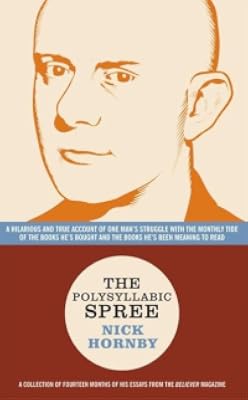
- Selections from the monthly Believer Magazine column by this best selling author - Hornby's "diary of an avid reader"In his monthly column "Stuff I've Been Reading," Hornby lists the books he's purchased that month, and briefly discusses the books he's actually read.NIck Hornby's Polysyllabic Spree Includes selected passages from the novels, biographies, collections of poetry, and comics discussed in the column.Tags
Recommendations

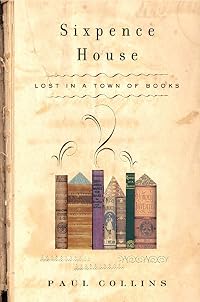
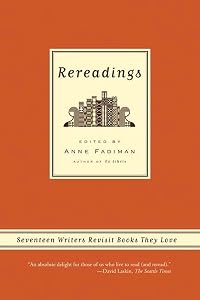
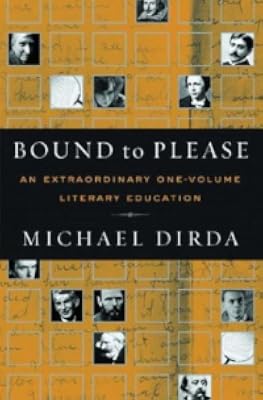
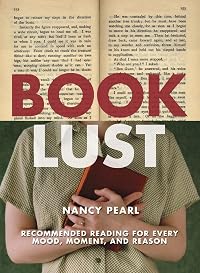
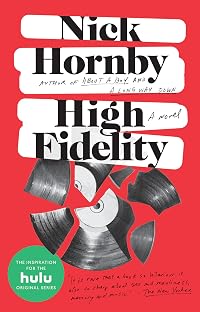
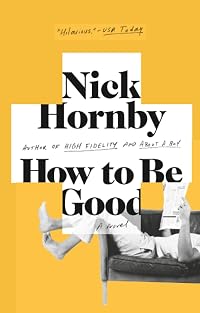
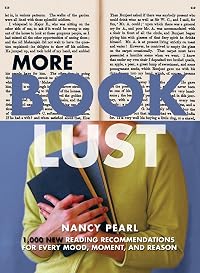
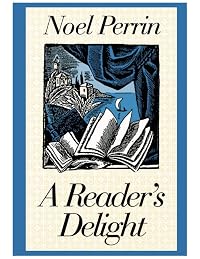
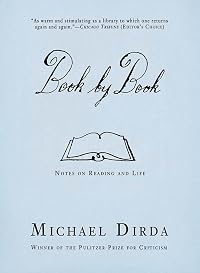
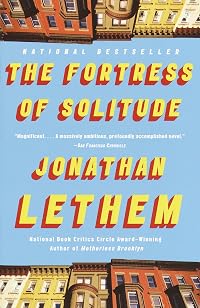
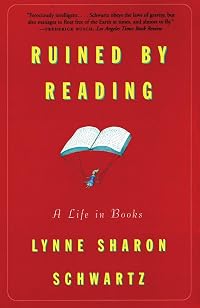
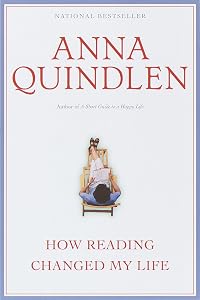
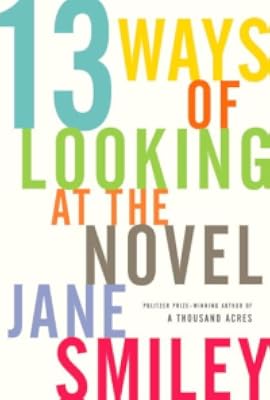
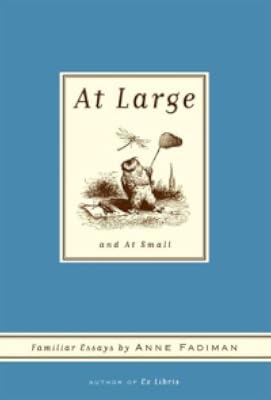

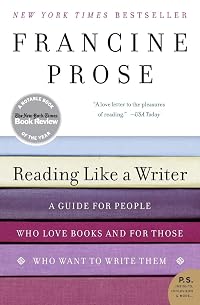
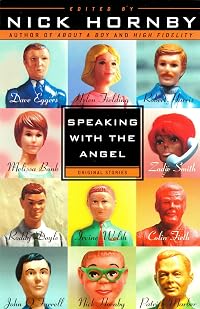

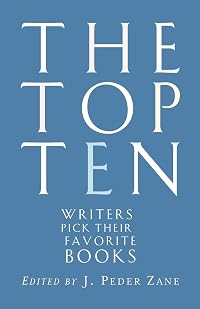
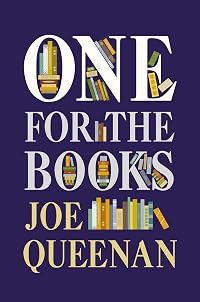
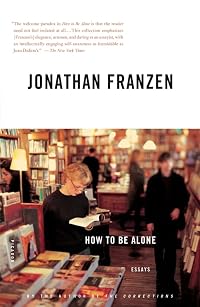
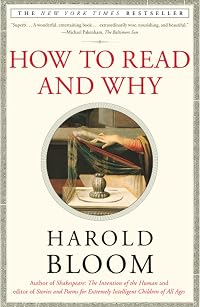
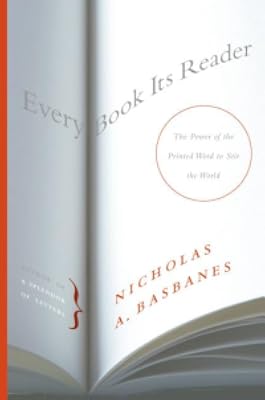
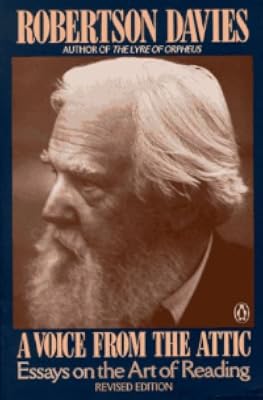
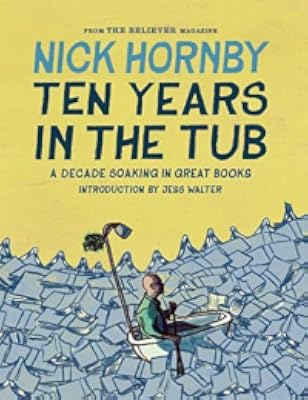
Member Recommendations
nessreader Both reader's diaries of what and why they read over about a year. Both readers are middleclass english boys; both are engaging commentators even about the books you'll never want to read yourself. Both reject some Canonical Novels, then say why.
sturlington Both are fun and inspiring books by people who love to read for people who love to read.
Member Reviews
This is a collection of essays on reading and other book-related topics, taken from Hornby's monthly column in the magazine "The Believer", from 2003/2004.
Each selection begins with two lists: Books bought and Books read. (Guess which list is longer.) Hornby is my kind of reader. He makes no apologies for buying books he admittedly will probably never read. ""Look at this month's list...What are the chances of getting through that lot? I've started the Chekhov, but the Amis and the Dylan Thomas have been put straight into their permanent home on the shelves, rather than onto any sort of temporary pending pile." He loves Tony Hoagland: "the sort of poet you dream of finding but almost never do. His work is relaxed, deceptively easy on show more the eye and ear, and it has jokes and unexpected little bursts of melancholic resonance. Plus, I pretty much understand all of it..." He thinks he's going to love hefty biographies, and then gets bogged down a third of the way in by the author's unrelenting thoroughness: "Please, biographers. Please, please, please. Have mercy: Select for us."
He enjoys poking fun at his bosses, in one chapter referring to them as "the twelve terrifyingly beatific young men and women who run the Believer, later as "the ninety-nine young and menacingly serene people who run the Believer, and still later as "the eighty-four chillingly ecstatic young men and women who..." At all times, apparently, they wear white robes and issue edicts difficult to obey, such as the one declaring that the Believer should contain only "acid-free literary criticism". This resulted in one month during which Hornby abandoned an Unnamed Literary Novel and an Unnamed Work of Non-Fiction, as he knew he would not be able to write honestly about either without bringing down the wrath of the Committee (comprised of "twelve rather eerie young men and women" in white robes). show less
Each selection begins with two lists: Books bought and Books read. (Guess which list is longer.) Hornby is my kind of reader. He makes no apologies for buying books he admittedly will probably never read. ""Look at this month's list...What are the chances of getting through that lot? I've started the Chekhov, but the Amis and the Dylan Thomas have been put straight into their permanent home on the shelves, rather than onto any sort of temporary pending pile." He loves Tony Hoagland: "the sort of poet you dream of finding but almost never do. His work is relaxed, deceptively easy on show more the eye and ear, and it has jokes and unexpected little bursts of melancholic resonance. Plus, I pretty much understand all of it..." He thinks he's going to love hefty biographies, and then gets bogged down a third of the way in by the author's unrelenting thoroughness: "Please, biographers. Please, please, please. Have mercy: Select for us."
He enjoys poking fun at his bosses, in one chapter referring to them as "the twelve terrifyingly beatific young men and women who run the Believer, later as "the ninety-nine young and menacingly serene people who run the Believer, and still later as "the eighty-four chillingly ecstatic young men and women who..." At all times, apparently, they wear white robes and issue edicts difficult to obey, such as the one declaring that the Believer should contain only "acid-free literary criticism". This resulted in one month during which Hornby abandoned an Unnamed Literary Novel and an Unnamed Work of Non-Fiction, as he knew he would not be able to write honestly about either without bringing down the wrath of the Committee (comprised of "twelve rather eerie young men and women" in white robes). show less
Hornby's book reviews are almost as engrossing as his novels, and this book encompasses a year's worth of book reviews, or more accurately, this book holds a year's worth of Hornby's Believer magazine columns.
He lists the books he buys each month vs the books he actually reads, a practice which makes me feel much, much better about the 50 or so titles piled on my nightstand table.
Hornby's reviews are sly and insightful and he says a lot in a few words, and as a bonus for the fanboy stalkers like myself, they contain a lot of autobiographical references.
I'm currently two books through the three-book set of reviews (the fourth is about to be released), and I'm sorta running through my list of friends who might be worthy of a show more recommendation.
These are relatively fast reads and I admit to having read only a few of the titles (damn you Hornby for adding to my unread book burden!), but even if you didn't read any of the titles in the book, Hornby's reviews are worth the price of admission.
Highly recommended stuff. show less
He lists the books he buys each month vs the books he actually reads, a practice which makes me feel much, much better about the 50 or so titles piled on my nightstand table.
Hornby's reviews are sly and insightful and he says a lot in a few words, and as a bonus for the fanboy stalkers like myself, they contain a lot of autobiographical references.
I'm currently two books through the three-book set of reviews (the fourth is about to be released), and I'm sorta running through my list of friends who might be worthy of a show more recommendation.
These are relatively fast reads and I admit to having read only a few of the titles (damn you Hornby for adding to my unread book burden!), but even if you didn't read any of the titles in the book, Hornby's reviews are worth the price of admission.
Highly recommended stuff. show less
This collection of Hornby’s essays from the magazine The Believer, was beyond delightful. He writes about what books he bought each month and which ones he read. In anyone else’s hands that concept could be as dull as dirt, but Hornby makes you feel like you’ve just asked your friend, “So what have you been reading lately?”
He read a wide range of subjects in fiction, nonfiction, classics, etc. so there’s something for everyone. The funny thing was, it really wasn’t about the books themselves, it’s more about his personal reading experience. You can love his columns without ever picking up one of the books he mentions (though I evitably will).
It’s his humor and cheek that made this book so great. The way he describes show more reading is spot on and I couldn’t help laughing as I recognized myself in so many of his observations. Here are a few great ones…
“I don't reread books often; I'm too conscious of both my ignorance and my mortality.”
“When reading is going well, one book leads to another and to another, a paper trail of theme and meaning; and how, when it's going badly, when books don't stick or take, when your mood and the mood of the book are fighting like cats, you'd rather do anything but attempt the next paragraph or to reread the last one for the tenth time.”
“What you must do is work unceasingly, day and night, read constantly, study, exercise willpower... Every hour is precious.” show less
He read a wide range of subjects in fiction, nonfiction, classics, etc. so there’s something for everyone. The funny thing was, it really wasn’t about the books themselves, it’s more about his personal reading experience. You can love his columns without ever picking up one of the books he mentions (though I evitably will).
It’s his humor and cheek that made this book so great. The way he describes show more reading is spot on and I couldn’t help laughing as I recognized myself in so many of his observations. Here are a few great ones…
“I don't reread books often; I'm too conscious of both my ignorance and my mortality.”
“When reading is going well, one book leads to another and to another, a paper trail of theme and meaning; and how, when it's going badly, when books don't stick or take, when your mood and the mood of the book are fighting like cats, you'd rather do anything but attempt the next paragraph or to reread the last one for the tenth time.”
“What you must do is work unceasingly, day and night, read constantly, study, exercise willpower... Every hour is precious.” show less
You wouldn’t think that a series of essays in which Nick Hornby describes which books he bought each month and which books he actually read would be so entertaining, but it was. Hornby peppers his essays with humor and brings his own life into the context to help explain what he’s reading, so there is an underlying narrative to them. I especially enjoyed his descriptions of the “Polysyllabic Spree,” the mysterious editorial board of the The Believer, the magazine where these essays were originally published. Reading this made me want to give up writing my own humble book reviews, which could never measure up (obviously, that feeling didn’t last).
It's rare that I buy a book, start reading it right away, barely put it down and finish it within 24 hours. But that's precisely what I did with Hornby's The Polysyllabic Spree. Given that the book is structured around Hornby's attempt to catalogue all the books he buys and reads, and to maintain a sense of balance between the two, I feel reassured by the fast turnaround time I made. While it might seem like a boring premise to read about what another person has read, Hornby pulls it off masterfully. This slim volume is packed with observations about what it means to read and to write, to love books of all sorts, and to write about writing and reading. I've come out not only with a desire to become a more diligent reader, but also an show more interest in particular authors and titles. I finally see what all the fuss is about with Dickens, and I'm committing to pick up David Copperfield in the near future. A must read for you unrepentant bibliophiles! show less
I thought a short, funny book about reading would be an excellent way to kick off the readathon, and it was pretty great -- even if it made me want to make an entirely different TBR pile. With more Dickens.
I love and identify with the way Hornby talks about the journey from one book to the next -- though I suspect he doesn't share my habit of keeping 4-5 books going at once.
Somehow I finished this book and only added two books to my to-read list, though I definitely moved a few Dickens books higher up the metaphorical pile. (I should wait, though, until I've finished my Civil War reading list though, right? That feels reasonable.)
A pleasurable read.
I love and identify with the way Hornby talks about the journey from one book to the next -- though I suspect he doesn't share my habit of keeping 4-5 books going at once.
Somehow I finished this book and only added two books to my to-read list, though I definitely moved a few Dickens books higher up the metaphorical pile. (I should wait, though, until I've finished my Civil War reading list though, right? That feels reasonable.)
A pleasurable read.
Being "a hilarious and true account of one man's struggle with the monthly tide of the books he's bought and the books he's been meaning to read" there is nothing about The Polysyllabic Spree that I could not love. It's a delight! Funny, intelligent, witty and honest.
Unbeknown to me, there exists a monthly literary publication called The Believer, in which Hornby writes a column called "Stuff I've Been Reading." This book is a collection of those essays. At the head of each Horby lists what books he bought that month (or some of them) and what he's read, then plunges into observations on said books. How good or poor they are, what they make him think of, tidbits about the authors, the competition they have with football-viewing and the show more arrival of a new child, because "reading is a domestic activity, and is therefore subsceptible to any changes in the domestic environment."
This was the most enjoyable thing I've read in a long time. As a result of reading The Polysyllabic Spree, my first impulse was to go online and search for other collections of his essays on literature, and I found Housekeeping vs. the Dirt which was published last year. I can't wait to get my hands on it.
Read the full review on Dog Ear Diary show less
Unbeknown to me, there exists a monthly literary publication called The Believer, in which Hornby writes a column called "Stuff I've Been Reading." This book is a collection of those essays. At the head of each Horby lists what books he bought that month (or some of them) and what he's read, then plunges into observations on said books. How good or poor they are, what they make him think of, tidbits about the authors, the competition they have with football-viewing and the show more arrival of a new child, because "reading is a domestic activity, and is therefore subsceptible to any changes in the domestic environment."
This was the most enjoyable thing I've read in a long time. As a result of reading The Polysyllabic Spree, my first impulse was to go online and search for other collections of his essays on literature, and I found Housekeeping vs. the Dirt which was published last year. I can't wait to get my hands on it.
Read the full review on Dog Ear Diary show less
Members
- Recently Added By
Published Reviews
ThingScore 75
Taken in their intended periodic doses, these essays would be simultaneously entertaining and enriching – no small feat, that. Collected, they're still breezy and thought-provoking, but read at once they show Hornby struggling with great seriousness between an Arsenal match, The Fortress of Solitude, and going down to the pub: a dilemma welcomed by, say, Kentucky coal miners or single show more mothers working retail. show less
added by stephmo
Hornby is just humble enough that you cannot hate or resent him, yet authoritative enough that you still retain some reason to respect and be interested in his opinion on books. That in itself is not a feat many writers could pull off so elegantly, if at all.
added by stephmo
This is not a collection of book reviews, but a reading diary of sharp and thoughtful musings on literature that ultimately asks: Why do we read, anyway?
added by stephmo
Lists

Best books about books
209 works; 106 members

Books about Books
149 works; 24 members

Favourite Books
1,819 works; 316 members

Books Featured on Gilmore Girls
307 works; 21 members

2000s decade
85 works; 7 members

to get
244 works; 2 members

Books Read in 2006
421 works; 8 members

The Complete Rory Gilmore Reading List
506 works; 5 members
Author Information

60+ Works 68,813 Members
Nick Hornby was born in Redhill, Surrey, England on April 17, 1957. He graduated from Cambridge University where he studied English. His books High Fidelity; Fever Pitch, which won the William Hill Sports Book of the Year Award in 1992; About a Boy and An Education were all made into movies. His other books include Slam; A Long Way Down; How to Be show more Good; Songbook; Shakespeare Wrote for Money; and The Polysyllabic Spree. He has received numerous awards including the American Academy of Arts and Letters' E. M. Forster Award in 1999 and the Orange Word International Writers' London Award in 2003. In addition to his books, his works have appeared in Esquire, Elle, GQ, Time, and Cosmopolitan. In 2015 his title, Funny Girl made The New York Times Bestseller List. (Publisher Provided) show less
Series

Work Relationships
Is contained in
Common Knowledge
- Canonical title*
- The Complete Polysyllabic Spree
- Original publication date
- 2004-11-30
- People/Characters
- Nick Hornby
- Dedication
- To Dave and Vendela
- First words
- So this is supposed to be about the how, and when, and why, and what of reading -- about the way that, when reading is going well, one book leads to another and to another, a paper trail of theme and meaning and how, when it'... (show all)s going badly, when books don't stick or take, when your mood and the mood of the book are fighting like cats, you'd rather do anything but attempt the next paragraph, or reread the last one for the tenth time.
- Last words
- (Click to show. Warning: May contain spoilers.)That's the beauty of this column, even if I do say so myself.
- Canonical DDC/MDS
- 820
- Disambiguation notice
- Do not combine this work with ‘The Complete Polysyllabic Spree’, which is a British edition that also contains ‘Housekeeping vs The Dirt’.
*Some information comes from Common Knowledge in other languages. Click "Edit" for more information.
Classifications
Statistics
- Members
- 2,197
- Popularity
- 9,227
- Reviews
- 76
- Rating
- (3.72)
- Languages
- 5 — English, German, Hungarian, Italian, Portuguese (Portugal)
- Media
- Paper, Audiobook, Ebook
- ISBNs
- 8
- ASINs
- 6