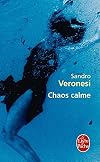
On This Page
Description
"On the shores of the Mediterranean, exhausted from an afternoon of surfing, Pietro Paladini is shaken out of his stupor by a distant noise. 'Over there!' he cries to his brother, Carlo, sunning beside him. 'Over there!' So begins the adventure that will tear a hole in Pietro's life. For while he and his brother struggle to save two drowning swimmers, a tragedy is unfolding down the road at his summer cottage. Instead of coming home to a hero's welcome, Pietro is greeted by the flashing show more lights of an ambulance, the wide-eyed stare of his young daughter, Claudia, and the terrible news that his fianc?, Lara, is dead. Life must go on. Or does it? Pietro, a true iconoclast, has to find his own way. When he drops Claudia off for the first day of school, he decides to wait for her all day, and then every day. To protect her. To protect himself. To wait for the heavy fist of grief to strike. But as the days and weeks go by, the small parking lot in front of the school becomes his refuge from the world as well as the place where family and colleagues come to relive their own suffering..."--P. [4] of cover. show lessTags
Recommendations




















Member Recommendations
bookmomo Both original and intriguing stories about loss and grieving.
Member Reviews
Quiet Chaos, translated from Italian and winner of Italy's prestigious Strega literary award, is a reflective novel on life, death, family, work and the social norms that both bind and tie us.
The novel opens with the protagonist Pietro saving a woman from drowning, unknowing that at the very same time his wife is dying of an aneurism not far away in their holiday home. Bringing his young daughter back to school in Milan for the first time since the funeral, he decides on the spur of the moment to commit to waiting outside the school all day until she is finished, and then not just to wait that day but for every day that follows in anticipation of the onslaught wave of grief that has yet to hit either he or his daughter.
A top executive show more in a television company, his employer allows him to work from his car and the park outside his daughter's school, but not indefinitely. Pietro, feeling no discernible sadness for his wife, believes that he is not grieving but simply appreciating a new perspective on what's important in life, and as he waits outside the school day after day, week after week, a host of characters come into his new 'office'. Sensing the freedom of Pietro's unconventional choices, his family and work colleagues inevitably end up unburdening themselves to him about their work and family troubles, while Pietro increasingly finds it easy to simply not worry about what tomorrow brings and to focus only on the here and now.
Quiet Chaos is a book that appears simple and straightforward yet also has many layers of depth. I enjoyed it, yet it's one of those books where I was also glad to reach the end, and a culling of 100 or so pages would have done it no harm.
4 stars - enjoyable, but I was often glad to put it down again after a reading stint. show less
The novel opens with the protagonist Pietro saving a woman from drowning, unknowing that at the very same time his wife is dying of an aneurism not far away in their holiday home. Bringing his young daughter back to school in Milan for the first time since the funeral, he decides on the spur of the moment to commit to waiting outside the school all day until she is finished, and then not just to wait that day but for every day that follows in anticipation of the onslaught wave of grief that has yet to hit either he or his daughter.
A top executive show more in a television company, his employer allows him to work from his car and the park outside his daughter's school, but not indefinitely. Pietro, feeling no discernible sadness for his wife, believes that he is not grieving but simply appreciating a new perspective on what's important in life, and as he waits outside the school day after day, week after week, a host of characters come into his new 'office'. Sensing the freedom of Pietro's unconventional choices, his family and work colleagues inevitably end up unburdening themselves to him about their work and family troubles, while Pietro increasingly finds it easy to simply not worry about what tomorrow brings and to focus only on the here and now.
Quiet Chaos is a book that appears simple and straightforward yet also has many layers of depth. I enjoyed it, yet it's one of those books where I was also glad to reach the end, and a culling of 100 or so pages would have done it no harm.
4 stars - enjoyable, but I was often glad to put it down again after a reading stint. show less
Quiet Chaos is a deeply structured though linear novel. A McEwanesque opening drama involving the simultaneous dramatic rescue of two drowning women even as, unbeknownst to one of the rescuers, Pietro, his own wife is dying of an aneurysm back at their cottage, gives way to the now bereaved father deciding to forego his important job in a large corporation in order to wait patiently in a park immediately across from his 10 year old daughter’s school. He waits throughout the day and then repeats his action the following day and again and again. In the process he becomes a centre of calm in the chaotic swirl of life and business that might otherwise overwhelm him and young Claudia. At first it is just something personal, or perhaps show more directly solely at Claudia. But later it becomes a form of refuge. From his work, which is fracturing under the stress of a global merger. From his personal relations. From his own thoughts and feeling, perhaps.
Pietro’s station in the park opposite the school, however, also becomes a stopping point for others, troubled or sorrowful. A succession of work colleagues, relations, even strangers, come to him to unburden themselves. He listens, mostly in silence, and for the most part does not judge. But like a saint of olden days his hermit-like existence is threatened by his increasing notoriety, both locally and within his company. Pietro does his best to discount the gossip and the speculation and concentrate instead on being there, literally being there, for his daughter. But eventually this daily cycle must reach an end. Whether that will happen before Pietro has completed his grieving process is part of the drama of the ending.
The writing here is thoughtful, full of rumination and exculpation. The characters are sometimes caricatures, thin types exploited for specific effect. And although Pietro, for the most part, stays in one place, this has the picaresque feel of a road story. You will either find it deeply affecting or mawkish — there is a thin line between them. For me, it worked sufficiently well. Enough at least to recommend it. show less
Pietro’s station in the park opposite the school, however, also becomes a stopping point for others, troubled or sorrowful. A succession of work colleagues, relations, even strangers, come to him to unburden themselves. He listens, mostly in silence, and for the most part does not judge. But like a saint of olden days his hermit-like existence is threatened by his increasing notoriety, both locally and within his company. Pietro does his best to discount the gossip and the speculation and concentrate instead on being there, literally being there, for his daughter. But eventually this daily cycle must reach an end. Whether that will happen before Pietro has completed his grieving process is part of the drama of the ending.
The writing here is thoughtful, full of rumination and exculpation. The characters are sometimes caricatures, thin types exploited for specific effect. And although Pietro, for the most part, stays in one place, this has the picaresque feel of a road story. You will either find it deeply affecting or mawkish — there is a thin line between them. For me, it worked sufficiently well. Enough at least to recommend it. show less
Doeschka Meijsing vatte het werk van Veronesi verrassend goed samen: 'Hij is geestig, luchtig over de meest bezwarende dingen, houdt zich maar met moeite staande.'
Misschien is dat de essentie van literatuur die ik mooi vind: geestig, luchtig, zich met moeite staande houdend.
De succesvolle zakenman Pietro Paladini heeft een onvergetelijke surfervaring: hij voelt zich weer even kind, spelend in de golven met zijn broer. Daarna wordt het nog onvergetelijker, als hij een vrouw van de verdrinkingsdood redt. En net als je denkt dat het niet beter kan...
De ironie van het leven, de onmogelijke mogelijkheden van de werkelijkheid, die grijpt Veronesi bij de kladden.
De onvergetelijkste passage is die waarin de schoonzus van Paladini zich show more beklaagt, nee, woedend wordt over 'jullie':
'Zijn jullie weer begonnen,' zei ze, en ging weer huilen.
'Waarmee?'
'Om niet meer te glimlachen.'
'Over wie heb je het?'
'Over jullie, de mensen. Iedereen.'
De mensen zijn opgehouden te glimlachen wanneer haar kinderen 4 werden. Daarvoor glimlachten ze naar moeder en kind, samen op pad: '..., ze glimlachen naar wat je samen bent (...) en je raakt eraan gewend dat je erover kunt beschikken, je begint te denken dat, hoe chaotisch je leven ook is, jou in de buitenwereld, wanneer je met hem bent, de brede glimlach wacht, de energie, dat stelt je gerust.'
Ah, die observatie. Het vermogen dat zó raak op papier te zetten. En zo is bijna het hele boek. Wat zeg ik, zo is bijna Veronesi's hele werk. show less
Misschien is dat de essentie van literatuur die ik mooi vind: geestig, luchtig, zich met moeite staande houdend.
De succesvolle zakenman Pietro Paladini heeft een onvergetelijke surfervaring: hij voelt zich weer even kind, spelend in de golven met zijn broer. Daarna wordt het nog onvergetelijker, als hij een vrouw van de verdrinkingsdood redt. En net als je denkt dat het niet beter kan...
De ironie van het leven, de onmogelijke mogelijkheden van de werkelijkheid, die grijpt Veronesi bij de kladden.
De onvergetelijkste passage is die waarin de schoonzus van Paladini zich show more beklaagt, nee, woedend wordt over 'jullie':
'Zijn jullie weer begonnen,' zei ze, en ging weer huilen.
'Waarmee?'
'Om niet meer te glimlachen.'
'Over wie heb je het?'
'Over jullie, de mensen. Iedereen.'
De mensen zijn opgehouden te glimlachen wanneer haar kinderen 4 werden. Daarvoor glimlachten ze naar moeder en kind, samen op pad: '..., ze glimlachen naar wat je samen bent (...) en je raakt eraan gewend dat je erover kunt beschikken, je begint te denken dat, hoe chaotisch je leven ook is, jou in de buitenwereld, wanneer je met hem bent, de brede glimlach wacht, de energie, dat stelt je gerust.'
Ah, die observatie. Het vermogen dat zó raak op papier te zetten. En zo is bijna het hele boek. Wat zeg ik, zo is bijna Veronesi's hele werk. show less
'Quiet Chaos'. I really loved the premise of this book. After the death of his wife, Pietro Paladini decides to spend his days next to the school of his daughter Claudia. It starts out as a joke, but turns into a very serious desire to stay there. Subsequently, Pietro's family and colleagues start showing up, and they show themselves to be very open-hearted.
A lot can be said about Pietro Paladini. Some readers can't stand his behaviour, apparently. This is where the book becomes a matter of opinion. Is Pietro really suffering, or is he just an inconsiderate Italian macho who just happens to find himself in a situation that requires some emotional capabilities? I would personally have preferred the latter, and I feel as if Veronesi did show more as well. You can say his decision to take a break from his own life and guard his daughter's school is a result of trauma, and I'm sure you'd find arguments to back that statement. (Freud, bla bla bla, detachment, the usual.) I don't want to believe it though! Not every protagonist has to be perfect.
Whichever version you prefer, it doesn't really matter much when you read the final pages. The end shows Veronesi's true intentions, but whether that's a good or a bad thing, I'm not sure. I felt as if this book had some fantastic passages, but didn't really succeed to come across as a whole. Apart from these small inconsistencies; some great writing here, and definitely worth your time. show less
A lot can be said about Pietro Paladini. Some readers can't stand his behaviour, apparently. This is where the book becomes a matter of opinion. Is Pietro really suffering, or is he just an inconsiderate Italian macho who just happens to find himself in a situation that requires some emotional capabilities? I would personally have preferred the latter, and I feel as if Veronesi did show more as well. You can say his decision to take a break from his own life and guard his daughter's school is a result of trauma, and I'm sure you'd find arguments to back that statement. (Freud, bla bla bla, detachment, the usual.) I don't want to believe it though! Not every protagonist has to be perfect.
Whichever version you prefer, it doesn't really matter much when you read the final pages. The end shows Veronesi's true intentions, but whether that's a good or a bad thing, I'm not sure. I felt as if this book had some fantastic passages, but didn't really succeed to come across as a whole. Apart from these small inconsistencies; some great writing here, and definitely worth your time. show less
I abandoned this one after about 100 pages. That's pretty unusual; normally if I get past page 30 or so, I like something about the work enough to read the entire thing. But here, the narrative was too annoying. The author was replicating the chaos and emotional turmoil through the craft on the page. After a time, it was simply wearing. It kept me too distanced from the characters, oddly enough, because it was meant to take me deeper into that world.
This was a good read. Well written, and as far as I can tell, well translated. I don't know, I don't know Italian. I do know I loved it though, and want others to read it. It is a good look into the psyche of a man who lost his wife, and what he feels as he is struggling with everyone else telling him how to feel.
Dramatische omslag in vele levens door het overlijden en tegelijkertijd een voorkomen van overlijden. Hoe de wereld tot stilstand gezet wordt. Het zich in het oog van de storm bevinden in een kalme chaos.
Prachtig geschreven, zelfs in vertaling is elke zin een genot.
Prachtig geschreven, zelfs in vertaling is elke zin een genot.
Members
- Recently Added By
Lists

Recommend the 20 best books you've read in the last five years
2,168 works; 606 members

Italian Literature
557 works; 42 members

Favourite Books
1,819 works; 309 members
EU Fiction: 1950-2022
223 works; 70 members
Author Information

38+ Works 2,450 Members
Awards and Honors
Awards
Distinctions
Notable Lists
Series

Belongs to Publisher Series
Common Knowledge
- Canonical title
- Quiet Chaos
- Original title
- Caos calmo
- Alternate titles*
- Quiet Chaos [dvd]; Chaos calme
- Original publication date
- 2005
- People/Characters
- Pietro Paladini; Claudia Paladini; Carlo Paladini
- Important places
- Milan, Lombardy, Italy
- Related movies
- Caos calmo (2008 | IMDb | Antonello Grimaldi)
- First words*
- 'Daar!', zeg ik.
- Quotations*
- meriterebbe 4* se non fosse per un paio di capitoli insopportabili
- Original language*
- Italiano
*Some information comes from Common Knowledge in other languages. Click "Edit" for more information.
Classifications
- Genres
- Fiction and Literature, General Fiction
- DDC/MDS
- 853.914 — Literature & rhetoric Italian, Romanian & related literatures Italian fiction 1900- 20th Century 1945-1999
- LCC
- PQ4882 .E7675 .C36 — Language and Literature French, Italian, Spanish and Portuguese literatures Italian literature Individual authors, 1961-2000
- BISAC
Statistics
- Members
- 791
- Popularity
- 35,166
- Reviews
- 28
- Rating
- (3.61)
- Languages
- 11 — Dutch, English, French, German, Italian, Polish, Portuguese, Romanian, Russian, Spanish, Swedish
- Media
- Paper, Audiobook, Ebook
- ISBNs
- 30
- ASINs
- 8