On This Page
Description
Fifteen-year-old Rilla, the daughter of Anne Shirley Blythe, grows from a carefree, irresponsible girl into a strong and capable young woman during the war years, 1914-1918.Tags
Recommendations
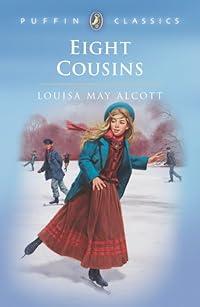
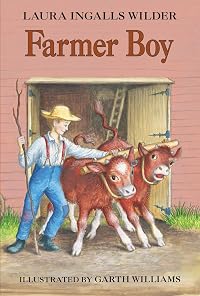
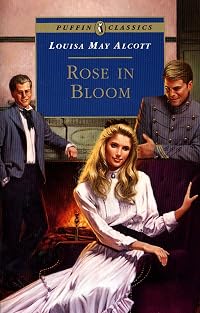
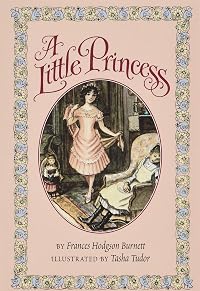
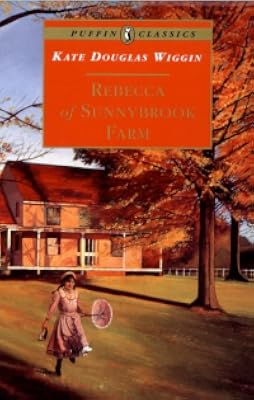
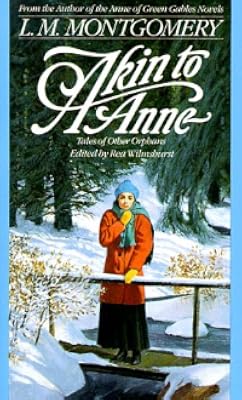
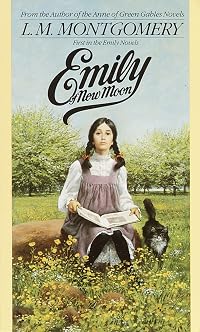
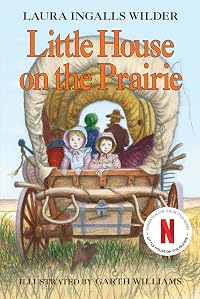
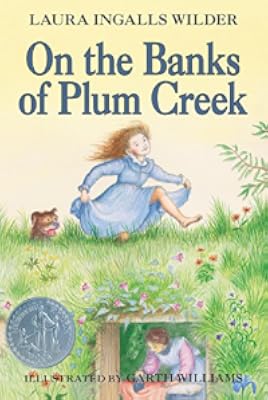
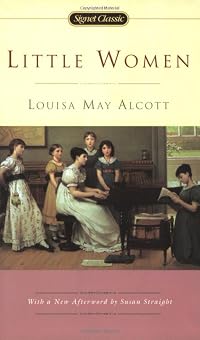
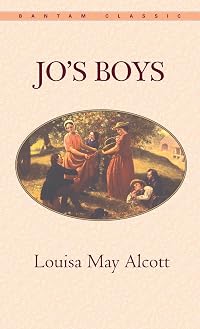
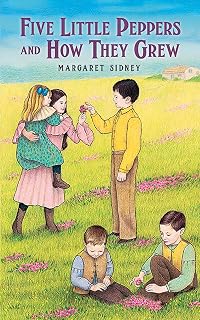
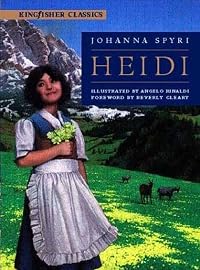
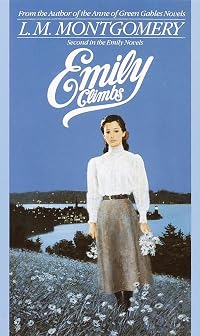
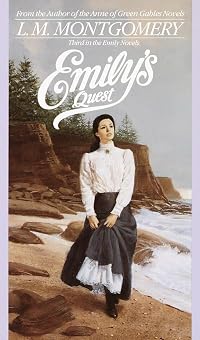
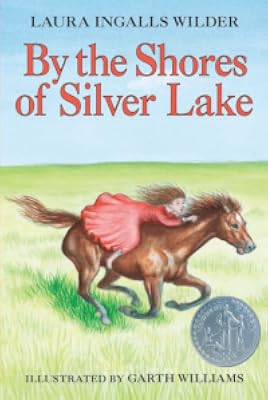
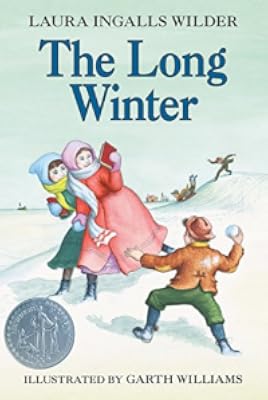
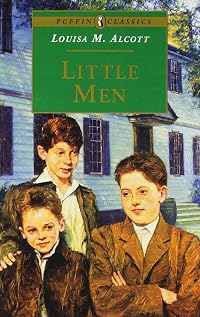
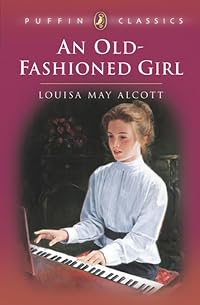
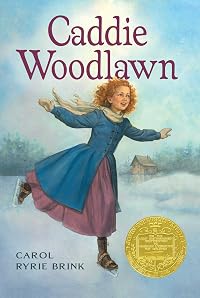




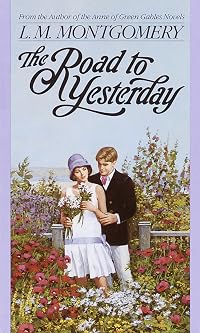
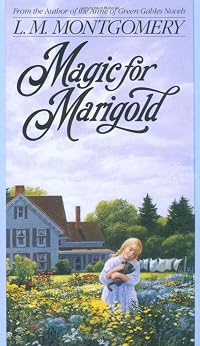
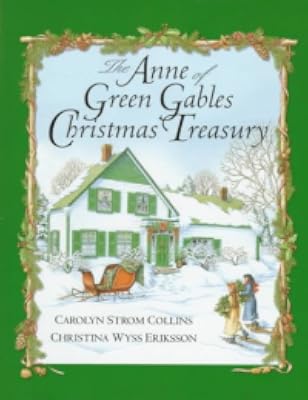

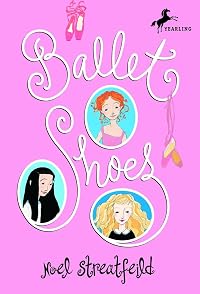
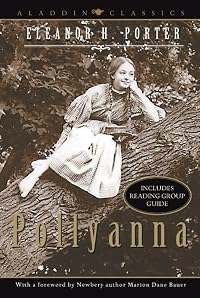
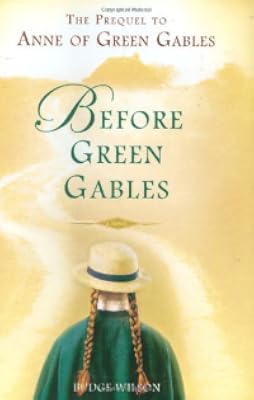
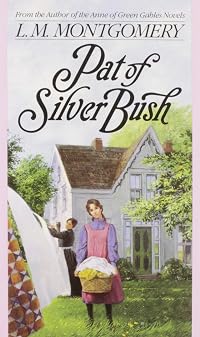
Member Recommendations
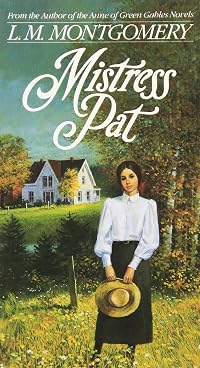
Bjace Both were set during WWI and show the effect that the War had on the everyday life.
30

atimco Both are sequels in a series unconcerned, to that point, with anything much beyond the borders of a small village and its ever-interesting society. There is an undeniable charm about a story of people carrying on with life and their little affairs against the bigger backdrop of world war.
Member Reviews
This is the eighth and final book in the Anne of Green Gables series. I’ve slowly been working my way through the series and in the last couple books I really missed having Anne as one of the main characters. In this installment Anne’s youngest daughter, Rilla takes center stage and the book got back to the heart of the first few books. It embraced all of my favorite elements from the early books.
It’s a bit more serious than the previous books. The characters are forced to deal with the realities of war and the loss of their quiet lives as their sons and sweethearts are sent off to fight in World War I. It deals with big issues, but offers perspective and hope along with the drama. The book was published shortly after WWI ended, show more so the trauma everyone had experienced must have been very fresh in Montgomery’s mind as she wrote this.
The characters see firsthand how painful war is as they watch the men in the community leave to fight in battles on another continent. Some of the men feel the need to leave immediately and join the fight; others struggle with a desire to serve their country while wanting peace. The women are left to take care of the homes alone. They all believe the war will be over soon and begin to loose hope as months stretch into years.
We see the hurried wedding of a war bride and the fate of an orphaned baby whose father is at the front and whose mother dies in childbirth. Rilla takes care of the war baby and she has to go from being an innocent teenager to a woman over the course of the war. We also see Rilla and her mother, our beloved Anne, stretched to the point of breaking as they fight their own fear and grief.
SPOILERS
When Walter died my heart broke. Rilla’s brother was the person she was closest to in the whole world. My own brother is one of my best friends and the thought of losing him in a war is terrifying. Walter’s last letter to Rilla will stay with me for years to come. His words about the power of sacrifice and being at peace with death are more beautiful than I can explain.
SPOILERS OVER
BOTTOM LINE: I love this series so much and this book is now among my favorites. It was a fitting ending to the saga and I look forward to re-reading the whole series in the future.
“It is a strange thing to read a letter after the writer is dead, a bittersweet thing in which pain and comfort are strangely mingled.”
“Ah yes, you’re young enough not to be scared of perfect things.” show less
It’s a bit more serious than the previous books. The characters are forced to deal with the realities of war and the loss of their quiet lives as their sons and sweethearts are sent off to fight in World War I. It deals with big issues, but offers perspective and hope along with the drama. The book was published shortly after WWI ended, show more so the trauma everyone had experienced must have been very fresh in Montgomery’s mind as she wrote this.
The characters see firsthand how painful war is as they watch the men in the community leave to fight in battles on another continent. Some of the men feel the need to leave immediately and join the fight; others struggle with a desire to serve their country while wanting peace. The women are left to take care of the homes alone. They all believe the war will be over soon and begin to loose hope as months stretch into years.
We see the hurried wedding of a war bride and the fate of an orphaned baby whose father is at the front and whose mother dies in childbirth. Rilla takes care of the war baby and she has to go from being an innocent teenager to a woman over the course of the war. We also see Rilla and her mother, our beloved Anne, stretched to the point of breaking as they fight their own fear and grief.
SPOILERS
When Walter died my heart broke. Rilla’s brother was the person she was closest to in the whole world. My own brother is one of my best friends and the thought of losing him in a war is terrifying. Walter’s last letter to Rilla will stay with me for years to come. His words about the power of sacrifice and being at peace with death are more beautiful than I can explain.
SPOILERS OVER
BOTTOM LINE: I love this series so much and this book is now among my favorites. It was a fitting ending to the saga and I look forward to re-reading the whole series in the future.
“It is a strange thing to read a letter after the writer is dead, a bittersweet thing in which pain and comfort are strangely mingled.”
“Ah yes, you’re young enough not to be scared of perfect things.” show less
This is, if not the best book in the series, the second best. The novel is unique because it tells the story of the home front in Canada during World War I - one of the few to do so, and written just a few years after the end of the war. There are scenes that had me crying so that I couldn't read the text - who could forget Dog Monday greeting Jem? And there are Ideas in this book - noble and true and inspirational ideas. War is an ugly thing - but there are things worth dying for and Ms. Montgomery makes a case for the value of the things we pay dearly for. As a side note, I discovered that my treasured paperback copy is actually a slightly abridged version - the original 1921 novel is a bit more wordy and there are a number of funny show more "Susan" speeches that have been cut. The original novel has a subtly different flavor to it and is worth reading. show less
[Re-read 2013]
I never really got excited about Rilla as a younger reader, but as an adult this is one of my favorites! It's so fascinating to see WWI through the eyes of Rilla and her family, at home in PEI, while the war rages on and one by one the young men go off to fight. Looking back from our current era, it is so odd and unnerving to read the propaganda, and yet Montgomery makes me understand where these characters are coming from. It is not an entirely comfortable book, for these reasons, but a lovely, heart-wrenching, eye-opening story.
I do especially appreciate Walter's perspective. And Rilla's growth and transformation are wonderfully depicted.
I never really got excited about Rilla as a younger reader, but as an adult this is one of my favorites! It's so fascinating to see WWI through the eyes of Rilla and her family, at home in PEI, while the war rages on and one by one the young men go off to fight. Looking back from our current era, it is so odd and unnerving to read the propaganda, and yet Montgomery makes me understand where these characters are coming from. It is not an entirely comfortable book, for these reasons, but a lovely, heart-wrenching, eye-opening story.
I do especially appreciate Walter's perspective. And Rilla's growth and transformation are wonderfully depicted.
So, I'm a mess. No really.
For a long while I wasn't planning on reading this book because I'll be honest Rilla was my least favourite of all the Ingleside children. Not because she was the youngest but because honestly, she was very annoying and whiny. But as I am working on a project about the Anne of Green Gables as a whole, I couldn't just put off this book forever.
It was heart-aching. Seriously. I teared up all through it! It was of course filled with war propaganda, but since it was being told from the perspective of Canadian families whose boys actually fought and died in World War I, it made sense.
What I was most impressed with, however, is Rilla's character development. I started out not liking her at all, but by the end of the show more books, I found myself not just liking her but actually adoring her. It was impressive and gradual and I applaud L. M. Montgomery for that.
So much so that this was shaping to be a 5-star read. Until the last couple chapters. Why?
Spoiler-free version: No one is safe in this book.
Spoiler-version:Why in the world does L. M. Montgomery hate cats?? Huh? We get two cat deaths at the very end of the book while the dog comes out as a loyal loveable hero. And one of the two deaths was especially brutal!
Overall, I would still recommend reading the book (but especially give the version narrated by Barbara Caruso a try because she's phenomenal) but make sure to check out trigger warnings first! show less
For a long while I wasn't planning on reading this book because I'll be honest Rilla was my least favourite of all the Ingleside children. Not because she was the youngest but because honestly, she was very annoying and whiny. But as I am working on a project about the Anne of Green Gables as a whole, I couldn't just put off this book forever.
It was heart-aching. Seriously. I teared up all through it! It was of course filled with war propaganda, but since it was being told from the perspective of Canadian families whose boys actually fought and died in World War I, it made sense.
What I was most impressed with, however, is Rilla's character development. I started out not liking her at all, but by the end of the show more books, I found myself not just liking her but actually adoring her. It was impressive and gradual and I applaud L. M. Montgomery for that.
So much so that this was shaping to be a 5-star read. Until the last couple chapters. Why?
Spoiler-free version: No one is safe in this book.
Spoiler-version:
Overall, I would still recommend reading the book (but especially give the version narrated by Barbara Caruso a try because she's phenomenal) but make sure to check out trigger warnings first! show less
Finishing this book was a bittersweet experience. I loved getting to know Anne and her family, and while this was a good wrap-up to the series, I wish there was one more book to give us a peek into the family in 5-10 years, once the grandchildren started coming.
The tone and setting of Rilla are strikingly different from some of the other books in the series. I loved the way this shared the history of World War I from a Canadian home front perspective; after reading many other novels set nearer the fighting, this was an intriguing look at that time in history. I was also delighted by the way Rilla organized her friends to use their combined skills to do what they could to support their families, communities, and broader causes during the show more war. Then there's sweet little Jims, and the slight thread of romance...and much in the way of a young girl maturing into a strong, emotionally healthy woman.
This book did have stronger feminist themes than some of the other books in the series, which I didn't appreciate quite so much.
If you're looking for a sweet, happy-go-lucky book like the early Anne stories, you might be disappointed in this book. There are a lot of hard, painful, sad things in here, but I personally loved watching the different characters working through their grief and fear, supporting each other as they faced impossible circumstances. A gripping story, and a great way to learn a bit more history while spending time with beloved characters. show less
The tone and setting of Rilla are strikingly different from some of the other books in the series. I loved the way this shared the history of World War I from a Canadian home front perspective; after reading many other novels set nearer the fighting, this was an intriguing look at that time in history. I was also delighted by the way Rilla organized her friends to use their combined skills to do what they could to support their families, communities, and broader causes during the show more war. Then there's sweet little Jims, and the slight thread of romance...and much in the way of a young girl maturing into a strong, emotionally healthy woman.
This book did have stronger feminist themes than some of the other books in the series, which I didn't appreciate quite so much.
If you're looking for a sweet, happy-go-lucky book like the early Anne stories, you might be disappointed in this book. There are a lot of hard, painful, sad things in here, but I personally loved watching the different characters working through their grief and fear, supporting each other as they faced impossible circumstances. A gripping story, and a great way to learn a bit more history while spending time with beloved characters. show less
In my review of Baroness Orczy's 1915 book A Bride of the Plains, I complimented her on acknowledging World War I in the novel, but said that I realized a glut of war books were coming down the pike and soon enough I would be nostalgic for the Edwardian pre-war stories. Reading Rilla of Ingleside, I remembered that and thought, yep, I am totally nostalgic for them. I thought Rilla of Ingleside was a well-written and touching book, but it's just innately depressing to read patriotic, jingoistic stuff about World War One. Montgomery depicts very vividly the grim cost of the war, but insists it was worth it and the war saved Canada and the future and babies and poetry itself. But we all know World War I was for nothing, and it's just show more heartbreaking. If you want a light-hearted pick-me-up with lots of hilarious mistakes in a happy Canadian town, you won't get much of that here.
The edition I read is the "standard" in the USA. Even though it says on the copyright page that it contains the complete text of the original and not one word has been omitted, it actually has about 14 pages cut out. Some accounts say it's for length and clarity, other accounts for excessive anti-German sentiment. (I don't think Harper Collins lied on purpose, I think they just weren't paying attention to this old book and by mistake included their boilerplate assertion about it being unabridged.) A blogger has helpfully tracked down what some of the excised material was (here: https://jocelynandjason.blogspot.com/2014/12/rilla-of-ingleside-abridged-vs.html... To me, it looks exactly the same in nature as the stuff that remains, aside from a mention of a "German Jew pedlar."
A lot of what was cut out is commentary on the war by faithful family retainer Susan, who provides homespun wisdom and comic relief throughout the book. Susan, main character Rilla, Ann Blythe and practically all the female characters show how women on the Homefront can be heroic, which I'm sure was a very progressive sentiment in its day. (We learn in the book how some women in Canada were granted the right to vote in 1917--only if they had a man away fighting in the war.) But I am totally fine with hearing less details about the war, not because it's offensive but because it's excessive. If I had to cut something out of the text I read, I'd cut out the part about how all Polish children under the age of eight died, because that's just not true.
I haven't read the immediately-preceding book Rainbow Valley since I was a child, and I never read this one before, so during the first chapter or two I was dismayed by how many characters I had to keep track of. Anne and Gilbert have six semi-grown children and there's another pack of their friends and love interests plus a whole town of colorful characters. But pretty quickly I either learned who everyone was or they retreated into the background and I didn't have to know about them. War breaks out, and all the men over eighteen began enlisting and the rest of the town gets right down to knitting socks and raising money for Belgian orphans.
The part about how children broke the windows of the local pacifist, old Whiskers-On-The-Moon, was disconcerting but probably realistic. (Whiskers-On-The-Moon is also a Hun-sympathizer and all-around villainous guy.) At one point, the rival churches have a joint prayer meeting, and Whiskers-On-The-Moon starts to give a pacifist prayer that the unholy war will end, that the armies will repent from slaughtering each other, and that the boys in khaki who have been hounded into militarism will be rescued. To me, that sounds pretty reasonable, but everyone is horrified, and one of the churchgoers shouts him down, calls him a pig-headed varmint, shakes him by the collar and throws him across the room.
The most harrowing part of the book was when gentle brother Walter felt like a coward because he was afraid of war and pain and disfigurement and killing others, and ultimately is killed in France. Or actually, no, it was when a little boy drowns his beloved kitten as a sacrifice so that God will spare Rilla's other brother Jem, who is wounded and missing. It was also tough reading about all these women being strong and brave and suppressing their feelings all the time. I wished they were allowed to be more tender and publicly show the full range of human emotions, not just (toxic) positivity. In a way it was more like reading Pollyanna than Anne of Green Gables. But then I started thinking about how people deal now with tough times and the tragedies of today, and I wish we could be a bit more strong and brave and thinking of others. I mean, I can't say that my country has overall dealt with COVID with strength or dignity. And people now are also suppressing their emotions, but in a different way. I guess I wish we could knit socks instead of Netflix and chill, but that's just a knee jerk "grass is always greener" reaction to try to escape the reality of the present moment. ("“Even in Kyoto-Hearing the cuckoo’s cry-I long for Kyoto.”-Basho) I really don't know what to think, but you can definitely say this novel was thought-provoking.
Some of my favorite parts were:
-Various people having prophetic dreams
-Jem's faithful dog who waited for him at the train station during the entire length of the war.
-Rilla brings home a motherless newborn in a soup tureen and must care for him singlehandedly.
-Rilla's fights with Irene. It's like Mapp & Lucia!
-The baby get dypheriatic croup and is saved when Mary Vance holds him over sulphur smoke and he coughs up a deadly membrane.
Overall, great book but when your nine-year-old is reading it, maybe discuss it with them because it's not just bad haircuts, red currant cordial, and breaking slates over boys' heads. show less
The edition I read is the "standard" in the USA. Even though it says on the copyright page that it contains the complete text of the original and not one word has been omitted, it actually has about 14 pages cut out. Some accounts say it's for length and clarity, other accounts for excessive anti-German sentiment. (I don't think Harper Collins lied on purpose, I think they just weren't paying attention to this old book and by mistake included their boilerplate assertion about it being unabridged.) A blogger has helpfully tracked down what some of the excised material was (here: https://jocelynandjason.blogspot.com/2014/12/rilla-of-ingleside-abridged-vs.html... To me, it looks exactly the same in nature as the stuff that remains, aside from a mention of a "German Jew pedlar."
A lot of what was cut out is commentary on the war by faithful family retainer Susan, who provides homespun wisdom and comic relief throughout the book. Susan, main character Rilla, Ann Blythe and practically all the female characters show how women on the Homefront can be heroic, which I'm sure was a very progressive sentiment in its day. (We learn in the book how some women in Canada were granted the right to vote in 1917--only if they had a man away fighting in the war.) But I am totally fine with hearing less details about the war, not because it's offensive but because it's excessive. If I had to cut something out of the text I read, I'd cut out the part about how all Polish children under the age of eight died, because that's just not true.
I haven't read the immediately-preceding book Rainbow Valley since I was a child, and I never read this one before, so during the first chapter or two I was dismayed by how many characters I had to keep track of. Anne and Gilbert have six semi-grown children and there's another pack of their friends and love interests plus a whole town of colorful characters. But pretty quickly I either learned who everyone was or they retreated into the background and I didn't have to know about them. War breaks out, and all the men over eighteen began enlisting and the rest of the town gets right down to knitting socks and raising money for Belgian orphans.
The part about how children broke the windows of the local pacifist, old Whiskers-On-The-Moon, was disconcerting but probably realistic. (Whiskers-On-The-Moon is also a Hun-sympathizer and all-around villainous guy.) At one point, the rival churches have a joint prayer meeting, and Whiskers-On-The-Moon starts to give a pacifist prayer that the unholy war will end, that the armies will repent from slaughtering each other, and that the boys in khaki who have been hounded into militarism will be rescued. To me, that sounds pretty reasonable, but everyone is horrified, and one of the churchgoers shouts him down, calls him a pig-headed varmint, shakes him by the collar and throws him across the room.
The most harrowing part of the book was
Some of my favorite parts were:
-Various people having prophetic dreams
-Rilla brings home a motherless newborn in a soup tureen and must care for him singlehandedly.
-Rilla's fights with Irene. It's like Mapp & Lucia!
-The baby get dypheriatic croup and is saved when Mary Vance holds him over sulphur smoke and he coughs up a deadly membrane.
Overall, great book but when your nine-year-old is reading it, maybe discuss it with them because it's not just bad haircuts, red currant cordial, and breaking slates over boys' heads. show less
Den sidste af Anne-romanerne, og den eneste, jeg ikke kom igennem som barn. Men jeg er så glad for endelig at have læst den.
Den engelske titel, Rilla of Ingleside, er så meget bedre end den danske, Anne - Børnene flyver fra reden. Hovedpersonen er Rilla, det yngste af Annes børn, og den eneste som ikke flyver fra reden men bliver hjemme hele gennem hele bogen og holder hjemmefronten. Det gør hun ved at opfostre sit krigsbarn, hvis mor er død og hvis far er i krig, og organisere ungdoms-Røde Kors. Og hun vokser virkelig med opgaverne.
I lang tid var det forstyrrende kun at se Anne som en bifigur udefra, observeret af Rilla som Mor og tiltalt, selv i teksten udenfor replikker, som "Mrs. Blythe."
Først på side 96 kommer navnet show more "Anne" og personen Anne i spil som sig selv - hvor hun forsvarer latteren, men har svært ved selv at le, og er bekymret over Rillas ungdom som er fyldt med krig og sorg.
Det bliver lidt bedre, Gilbert kalder hende Anne et par gange, men den her tale fra Anne, gav mig den bedste idé om hendes følelsesmæssige tilstand, og den ramte lige i hjertet:
""Åh, lad mig arbejde - lad mig arbejde, Gilbert," bad hun febrilsk. "Når jeg arbejder, tænker jeg ikke så meget. Når jeg er ubeskæftiget, forestiller jeg mig alt muligt - hvile er ren tortur for mig. Mine to drenge er på den frygtelige Somme-front - og Shirley hænger dag og nat over bøger om flyvning og siger ikke noget. Men jeg kan se målet vokse sig tort i hans blik." (s. 167)
Jeg kunne mærke Annes fantasi, noget af det bedste ved hende, arbejde imod hende.
Men hovedpersonen er som skrevet Rilla, og at følge hendes udvikling gennem bogen er fantastisk. Og jeg fik min horisont udvidet når det kommer til Canadas deltagelse i første verdenskrig. show less
Den engelske titel, Rilla of Ingleside, er så meget bedre end den danske, Anne - Børnene flyver fra reden. Hovedpersonen er Rilla, det yngste af Annes børn, og den eneste som ikke flyver fra reden men bliver hjemme hele gennem hele bogen og holder hjemmefronten. Det gør hun ved at opfostre sit krigsbarn, hvis mor er død og hvis far er i krig, og organisere ungdoms-Røde Kors. Og hun vokser virkelig med opgaverne.
I lang tid var det forstyrrende kun at se Anne som en bifigur udefra, observeret af Rilla som Mor og tiltalt, selv i teksten udenfor replikker, som "Mrs. Blythe."
Først på side 96 kommer navnet show more "Anne" og personen Anne i spil som sig selv - hvor hun forsvarer latteren, men har svært ved selv at le, og er bekymret over Rillas ungdom som er fyldt med krig og sorg.
Det bliver lidt bedre, Gilbert kalder hende Anne et par gange, men den her tale fra Anne, gav mig den bedste idé om hendes følelsesmæssige tilstand, og den ramte lige i hjertet:
""Åh, lad mig arbejde - lad mig arbejde, Gilbert," bad hun febrilsk. "Når jeg arbejder, tænker jeg ikke så meget. Når jeg er ubeskæftiget, forestiller jeg mig alt muligt - hvile er ren tortur for mig. Mine to drenge er på den frygtelige Somme-front - og Shirley hænger dag og nat over bøger om flyvning og siger ikke noget. Men jeg kan se målet vokse sig tort i hans blik." (s. 167)
Jeg kunne mærke Annes fantasi, noget af det bedste ved hende, arbejde imod hende.
Men hovedpersonen er som skrevet Rilla, og at følge hendes udvikling gennem bogen er fantastisk. Og jeg fik min horisont udvidet når det kommer til Canadas deltagelse i første verdenskrig. show less
Members
- Recently Added By
Published Reviews
ThingScore 100
Rilla of Ingleside is a war novel at times masquerading as a young adult historical romance. But it is far more than that; it is a detailed study of rural Canadian life during the First World War, written by a woman who lived through it and distilled it all with her trademark restrained emotion into a gem of a novel.
added by parlerodermime
Montgomery writes beautifully and brings tears of both sorrow and joy on the turning of every page. I would recommend this book for anyone and everyone as it is a wonderful story and has all the elements needed for a good book.
added by parlerodermime
Lists

Best L.M. Montgomery novels
20 works; 8 members

Favorite Childhood Books
1,651 works; 519 members
1001 Children's Books You Must Read Before You Grow Up
774 works; 101 members

Childhood Favorites
427 works; 24 members
NPRs Ultimate Backseat Bookshelf: 100 Must-Reads for kids 9-14
222 works; 30 members

Favorite Coming of Age Novels.
164 works; 51 members
Best Family Stories
241 works; 22 members

Children's Books about World War I (1914-1918)
91 works; 11 members

Comfort Reads
221 works; 41 members

NPRs your favorites: 100 Best Ever Teen Novels
237 works; 49 members

Fiction with Women's Names in the Title
378 works; 15 members

Books Set in Canada
80 works; 16 members
Ambleside Books
459 works; 18 members

Elevenses
316 works; 88 members

Books About Girls
219 works; 17 members

In and About the 1920s
181 works; 31 members

Female Protagonist
1,056 works; 57 members

Bibliography for How to be a Heroine
148 works; 12 members

Most Popular Books Tagged Canada
34 works; 1 member

Books We Love to Reread
695 works; 298 members

Books That Made Us Cry
278 works; 145 members

1970s
657 works; 23 members
Children's Literature 1900 - 1950 in order
413 works; 8 members

Favourite Virago Modern Classics
183 works; 38 members

Ambleside Year 5
55 works; 1 member
Books tagged favorites
390 works; 30 members
Favourite Books
1,820 works; 308 members

Favourite Books
50 works; 1 member

World War I Fiction
94 works; 15 members
Five star books
1,767 works; 110 members
Books I've Read More Than Once
602 works; 49 members

Books Set on Islands
190 works; 24 members

Books about World War I
80 works; 14 members
Female Author
1,234 works; 65 members

Women in War
148 works; 30 members

Top Five Books of 2024
795 works; 264 members
Talk Discussions
Past Discussions
Rilla of Ingleside in Kindred Spirits (October 2020)
Author Information

385+ Works 159,892 Members
One of the best-loved children's/young adult authors, Lucy Maud Montgomery was born on November 30, 1874 in Clifton, Prince Edward Island, Canada, the daughter of Hugh John and Clara Woolner. After attending Prince of Wales College and Dalhouse College in Halifax, she became a certified teacher, eventually teaching in Bideford, Prince Edward show more Island. She also served as an assistant at the post office and as a writer for the local newspaper, The Halifax Daily Echo. Best known for her Anne of Avonlea and Anne of Green Gables books, Montgomery received many high honors. She was named a Fellow of the Royal Society of Arts in 1923 and a Canadian stamp commemorates Montgomery and Anne of Green Gables. In addition, various museums dedicated to the book series and Montgomery's life dot Prince Edward Island. The books in the Anne series follow the growth and adventures of a red-haired, spritely, high-spirited and imaginative orphan named Anne who lives on Prince Edward Island. The success of these books rested in Montgomery's ability to vividly recollect childhood and her easy storytelling ability. They are tremendously popular to this day and have been translated into more than 35 languages and adapted as movies and PBS television productions. On July 5, 1911, L.M. Montgomery married Ewan Macdonald, a Presbyterian minister, and the marriage produced three children. She died on April 24, 1942. (Bowker Author Biography) show less
Some Editions
Awards and Honors
Notable Lists
Series

Belongs to Publisher Series
Work Relationships
Common Knowledge
- Canonical title
- Rilla of Ingleside
- Original title
- Rilla of Ingleside
- Original publication date
- 1921; 1996 (Nouvelle édition française, Presses de la Cité) (Nouvelle é | dition franç | aise, Presses de la Cité | )
- People/Characters
- Bertha Marilla "Rilla" Blythe; Anne Blythe (né | e Shirley); Gilbert Blythe; Kenneth "Ken" Ford; James Kitchener "Jims" Anderson; Susan Baker (show all 16); Walter Blythe; James "Jem" Blythe; Shirley Blythe; Gertrude Oliver; Mary Vance; John Meredith; Carl Meredith; Faith Meredith; Una Meredith; Bruce Meredith
- Important places
- Prince Edward Island, Canada; Four Winds Point, Four Winds, Prince Edward Island, Canada
- Important events
- World War I
- Dedication
- To the memory of FREDERICA CAMPBELL MACFARLANE who went away from me when the dawn broke on January 25th, 1919 - a true friend, a rare personality, a loyal and courageous soul
- First words
- It was a warm, golden-cloudy, lovable afternoon.
- Quotations
- We give more than them. They only give themselves. We give them.
This morning his mother saw him going out of the yard, with a very sorrowful and determined look, carrying his pet kitten. She didn't think much more about it until later on he came in, with the most tragic little face, and t... (show all)old her, his little body shaking with sobs, that he had drowned Stripey.
"'Why did you do that?' Mrs. Meredith exclaimed.
"'To bring Jem back,' sobbed Bruce. 'I thought if I sacrificed Stripey God would send Jem back. So I drownded him—and, oh mother, it was awful hard—but surely God will send Jem back now, 'cause Stripey was the dearest thing I had. I just told God I would give Him Stripey if He would send Jem back. And He will, won't He, mother?'
"Mrs. Meredith didn't know what to say to the poor child. She just could not tell him that perhaps his sacrifice wouldn't bring Jem back—that God didn't work that way. She told him that he mustn't expect it right away—that perhaps it would be quite a long time yet before Jem came back.
"But Bruce said, 'It oughtn't to take longer'n a week, mother. Oh, mother, Stripey was such a nice little cat. He purred so pretty. Don't you think God ought to like him enough to let us have Jem?"
"Mr. Meredith is worried about the effect on Bruce's faith in God, and Mrs. Meredith is worried about the effect on Bruce himself if his hope isn't fulfilled. And I feel as if I must cry every time I think of it. It was so splendid—and sad—and beautiful. The dear devoted little fellow! He worshipped that kitten. And if it all goes for nothing—as so many sacrifices seem to go for nothing—he will be brokenhearted, for he isn't old enough to understand that God doesn't answer our prayers just as we hope—and doesn't make bargains with us when we yield something we love up to Him."
Ken took the uncertain hand she held out, and looked at her. The slim Rilla of four years ago had rounded out into symmetry. He had left a school girl, and he found a woman—a woman with wonderful eyes and a dented lip, and ... (show all)rose-bloom cheek—a woman altogether beautiful and desirable—the woman of his dreams.
"Is it Rilla-my-Rilla?" he asked, meaningly.
Emotion shook Rilla from head to foot. Joy—happiness—sorrow—fear—every passion that had wrung her heart in those four long years seemed to surge up in her soul for a moment as the deeps of being were stirred. She had tried to speak; at first voice would not come. Then—"Yeth," said Rilla.
Una took the letter and when Rilla had gone she pressed it against her lonely lips. Una knew that love would never come into her life now—it was buried for ever under the blood-stained soil "Somewhere in France." No one but... (show all) herself—and perhaps Rilla—knew it—would ever know it. She had no right in the eyes of her world to grieve. She must hide and bear her long pain as best she could—alone. But she, too, would keep faith. - Last words
- (Click to show. Warning: May contain spoilers.)Then--"Yeth," said Rilla.
- Original language
- English
Classifications
- Genres
- Children's Books, Fiction and Literature, Young Adult
- DDC/MDS
- 813.52 — Literature & rhetoric American literature in English American fiction in English 1900-1999 1900-1945
- LCC
- PZ7 .M768 — Language and Literature Fiction and juvenile belles lettres Fiction and juvenile belles lettres Juvenile belles lettres
- BISAC
Statistics
- Members
- 7,646
- Popularity
- 1,502
- Reviews
- 79
- Rating
- (4.12)
- Languages
- 17 — Czech, Danish, English, Finnish, French, German, Italian, Japanese, Norwegian (Bokmål), Norwegian, Farsi/Persian, Polish, Slovak, Spanish, Swedish, Welsh, Portuguese (Portugal)
- Media
- Paper, Audiobook, Ebook
- ISBNs
- 224
- UPCs
- 1
- ASINs
- 80