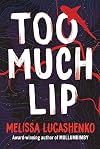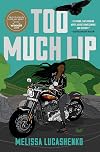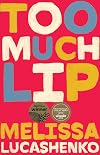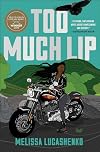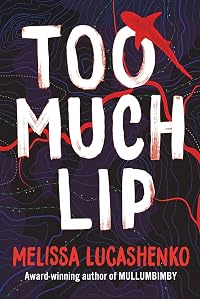
Too Much Lip
by Melissa Lucashenko
On This Page
Description
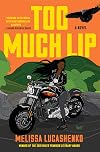
"Gritty and darkly hilarious novel quaking with life-winner of Australia's Miles Franklin Award-that follows a queer, First Nations Australian woman as she returns home to face her family and protect the land of their ancestors. Wise-cracking Kerry Salter has spent her adulthood avoiding two things: her hometown and prison. A tough, generous, reckless woman accused of having too much lip, Kerry uses anger to fight the avalanche of bullshit the world spews. But now her Pop is dying and she's show more an inch away from the lockup, so she heads south on a stolen Harley for one last visit. Kerry plans to spend twenty-four hours, tops, across the border. She quickly discovers, though, that Bundjalung country has a funny way of latching on to people-not to mention her chaotic family and the threat of a proposal to develop a prison on Granny Ava's Island, the family's spiritual home. On top of that, love may have found Kerry again when a good-looking white fella appears out of nowhere with eyes only for her. As the fight mounts to stop the development, old wounds open. Surrounded by the ghosts of their Elders and the memories of their ancestors, the Salters are driven by the deep need to make peace with their past while scrabbling to make sense of their present. Kerry just hopes they can come together in time to preserve Granny Ava's legacy and save their ancestral land."-- show lessTags
Recommendations














Member Reviews
Read for our f2f bookclub gathering this month, TOO MUCH LIP was a perfect book for a club like ours - triggering much discussion. For this reader, starting with that line in the blurb:
"The avalanche of bullshit in the world would drown her if she let it; the least she could do was raise her voice in anger."
... it was a really enjoyable reading experience, providing insight, connection, recognition and an opportunity to learn. Delivered with touches of dark and light humour that frequently had me roaring with laughter, and moments that left me breathless with awareness of past cruelties, of lack of understanding and too many things we have been so unwilling to acknowledge or accept for such a long time, and how much we have missed out show more on because of that.
TOO MUCH LIP is the story of wise-cracking, externally tough as nails, Kerry Salter and her return to the family fold as her Pop lies dying. It's about old family wounds, next generation struggles, and a sense of place that's enviable in the way it wraps identity and belief systems into absolute connection with place, the past and the future. It's about love in unexpected places, acceptance within fractious and complicated families and inter-generational trauma, the amount of damage that colonisation has left in its wake, and the little battles that everybody has on a day to day basis just trying to keep one foot in front of the other.
Told in perfect voices, Kerry and her family are people who are so real you look for them in the room as you're reading about them. It's about a place which is so beautifully depicted you not only see, but feel it. It's a story of survival and pride that made me admire these people so much, with their reality and spirituality, their connection to place, and the creatures that surround them, their ways of looking back for guidance on how to move forward, and their painful but unshrinking confrontation of past abuse.
Somebody told me years ago that you shouldn't finish a review with a declaration of recommendation, that the review itself should imply it, but in case there's any doubt whatsoever TOO MUCH LIP cannot be recommended highly, strongly, persistently enough. On my Australian's mandatory reading list, it's right up towards the very top.
https://www.austcrimefiction.org/review/too-much-lip-melissa-lucashenko show less
"The avalanche of bullshit in the world would drown her if she let it; the least she could do was raise her voice in anger."
... it was a really enjoyable reading experience, providing insight, connection, recognition and an opportunity to learn. Delivered with touches of dark and light humour that frequently had me roaring with laughter, and moments that left me breathless with awareness of past cruelties, of lack of understanding and too many things we have been so unwilling to acknowledge or accept for such a long time, and how much we have missed out show more on because of that.
TOO MUCH LIP is the story of wise-cracking, externally tough as nails, Kerry Salter and her return to the family fold as her Pop lies dying. It's about old family wounds, next generation struggles, and a sense of place that's enviable in the way it wraps identity and belief systems into absolute connection with place, the past and the future. It's about love in unexpected places, acceptance within fractious and complicated families and inter-generational trauma, the amount of damage that colonisation has left in its wake, and the little battles that everybody has on a day to day basis just trying to keep one foot in front of the other.
Told in perfect voices, Kerry and her family are people who are so real you look for them in the room as you're reading about them. It's about a place which is so beautifully depicted you not only see, but feel it. It's a story of survival and pride that made me admire these people so much, with their reality and spirituality, their connection to place, and the creatures that surround them, their ways of looking back for guidance on how to move forward, and their painful but unshrinking confrontation of past abuse.
Somebody told me years ago that you shouldn't finish a review with a declaration of recommendation, that the review itself should imply it, but in case there's any doubt whatsoever TOO MUCH LIP cannot be recommended highly, strongly, persistently enough. On my Australian's mandatory reading list, it's right up towards the very top.
https://www.austcrimefiction.org/review/too-much-lip-melissa-lucashenko show less
"Too much lip, her old problem from way back. And the older she got, the harder it seemed to get to swallow her opinions. The avalanche of bullshit in the world would drown her if she let it; the least she could do was raise her voice in anger."
Too Much Lip by Melissa Lucashenko was about Kerry, a black queer Aboriginal woman who comes home after many years because her grandfather is dying and she needs to help save their ancestral land. Kerry is not your typical protagonist. She lives life on her terms, rides a motorcycle and commits some crimes of survival along the way. She's considered the black sheep of the family because she has "too much lip". She's not afraid to take up space and use her voice.
This book was funny but also show more heartbreaking at the same time. The author tackled difficult topics in a lighthearted way. Each character was flawed, complex and redeemable. The pacing was perfect for when the secrets were finally revealed. I gained perspective about the Indigenous experience of the Goorie people and I can definitely see similarities in overarching themes relevant to the conversation of white supremacy and colonialism. There was also a cute romance that blossomed that did not take away from the core of the novel.
Themes that resonated with me were:
-Black and Indigenous people are not safe anywhere on the globe and police brutality continues to plague their communities at higher rates.
-Generational trauma from removal, genocide and forced assimilation continues to plague Indigenous communities. Alcoholism and mental health are a direct result.
-Sacred lands of Indigenous people continue to be a target of capitalism.
-Women continue to be oppressed by misogyny and patriarchy. When women do not confirm they face threat of violence or are given negative labels.
If you're a fan of wise cracking, swearing like a sailor, badass protagonist types, this one's for you. I'm sad I have to return it to the library because I loved this one. This was a great choice for book club because this one packs a punch and brings up lots of themes to explore for discussion. It will be hard for me to stop thinking about Kerry and her family.
Rating: 4.5 🔥 show less
Too Much Lip by Melissa Lucashenko was about Kerry, a black queer Aboriginal woman who comes home after many years because her grandfather is dying and she needs to help save their ancestral land. Kerry is not your typical protagonist. She lives life on her terms, rides a motorcycle and commits some crimes of survival along the way. She's considered the black sheep of the family because she has "too much lip". She's not afraid to take up space and use her voice.
This book was funny but also show more heartbreaking at the same time. The author tackled difficult topics in a lighthearted way. Each character was flawed, complex and redeemable. The pacing was perfect for when the secrets were finally revealed. I gained perspective about the Indigenous experience of the Goorie people and I can definitely see similarities in overarching themes relevant to the conversation of white supremacy and colonialism. There was also a cute romance that blossomed that did not take away from the core of the novel.
Themes that resonated with me were:
-Black and Indigenous people are not safe anywhere on the globe and police brutality continues to plague their communities at higher rates.
-Generational trauma from removal, genocide and forced assimilation continues to plague Indigenous communities. Alcoholism and mental health are a direct result.
-Sacred lands of Indigenous people continue to be a target of capitalism.
-Women continue to be oppressed by misogyny and patriarchy. When women do not confirm they face threat of violence or are given negative labels.
If you're a fan of wise cracking, swearing like a sailor, badass protagonist types, this one's for you. I'm sad I have to return it to the library because I loved this one. This was a great choice for book club because this one packs a punch and brings up lots of themes to explore for discussion. It will be hard for me to stop thinking about Kerry and her family.
Rating: 4.5 🔥 show less
As Bundjalung woman Melissa Lucashenko’s latest novel Too Much Lip draws towards its climax, Black Superman counsels his sister not to abandon her family. And he says these words that are a metaphor for unfinished business in Australian Indigenous affairs:
As I write this, events in Canberra are drawing to a climax too, and it’s possible that by the time I publish this review, Australia might have a prime minister who boycotted the formal apology to Australia’s Stolen Generations in 2007. The fact that there are adequate numbers of parliamentarians who consider such a show more man an acceptable candidate is a matter of shame. It is a matter of shame for the party hacks that he continued to be preselected afterwards, and it is a matter of shame that his constituents voted him back in too. I am noting this here because it’s so relevant to the themes of this novel: that Australia needs to face up to, acknowledge, and apologise for its past treatment of its First Nations so that Indigenous people don’t give up on healing and so that our ‘family’ will include all Australians, of all colours, cultures and histories.
Yet while Too Much Lip has a solemn message that needs to be heard, it is often a very funny book. Its central character Kerry is a wise-cracking hoot of a woman. As the story begins she rides into town on her stolen Harley, enjoying being the blackfella du jour for the astounded locals. On the run for her part in a stupid failed armed robbery, she has come home because her Pop is dying, but her homecoming leaves her seething with resentment at the favoured place of sons in her family.
Black Superman, making a success of his life in faraway Sydney, can do no wrong though he visits less often than she does, and her other brother Ken is a violent wastrel who abuses his teenage son. It never ceases to amaze her how men could flap their gums and have absolutely no doubt that women would hang on their every word. That everything coming out of their mouths was pure genius.
To read the rest of my review please visit https://anzlitlovers.com/2018/08/24/too-much-lip-by-melissa-lucashenko-bookrevie... show less
‘Thing is, you run now, after last night, and it’ll haunt you forever. You can go as far away as you like, but the past always comes along for the ride.’ (p.255)
As I write this, events in Canberra are drawing to a climax too, and it’s possible that by the time I publish this review, Australia might have a prime minister who boycotted the formal apology to Australia’s Stolen Generations in 2007. The fact that there are adequate numbers of parliamentarians who consider such a show more man an acceptable candidate is a matter of shame. It is a matter of shame for the party hacks that he continued to be preselected afterwards, and it is a matter of shame that his constituents voted him back in too. I am noting this here because it’s so relevant to the themes of this novel: that Australia needs to face up to, acknowledge, and apologise for its past treatment of its First Nations so that Indigenous people don’t give up on healing and so that our ‘family’ will include all Australians, of all colours, cultures and histories.
Yet while Too Much Lip has a solemn message that needs to be heard, it is often a very funny book. Its central character Kerry is a wise-cracking hoot of a woman. As the story begins she rides into town on her stolen Harley, enjoying being the blackfella du jour for the astounded locals. On the run for her part in a stupid failed armed robbery, she has come home because her Pop is dying, but her homecoming leaves her seething with resentment at the favoured place of sons in her family.
Black Superman, making a success of his life in faraway Sydney, can do no wrong though he visits less often than she does, and her other brother Ken is a violent wastrel who abuses his teenage son. It never ceases to amaze her how men could flap their gums and have absolutely no doubt that women would hang on their every word. That everything coming out of their mouths was pure genius.
To read the rest of my review please visit https://anzlitlovers.com/2018/08/24/too-much-lip-by-melissa-lucashenko-bookrevie... show less
"For the straight world, crime was a problem or an abstraction, but for people like her, crime was the solution. Not that she called it crime: she called it reparations."
Grimly funny and vividly captured, Too Much Lip is also violent, hostile, filthy, and generally unpleasant - and Melissa Lucashenko's ability to portray all of these is what makes the novel so good.
Kerry, a thirtysomething from the city, returns to her family's small town with a backpack of questionably-earned money, bittersweet memories of an ex-girlfriend now behind bars, and outstanding warrants for possession and assaulting police. She's here for the funeral of her grandfather, and finds herself dragged back into the lives of her extended family. And, boy, are they show more a mess. Her mum's a moderately-functioning alcoholic, her nephew's an anorexic socially-isolated gamer, one of her brothers is navigating the family welfare system as he raises two troubled foster kids while her other brother is, well, a dangerous wreck. Tensions simmer - tension with each other, with their collective history, with the town around them, with their place in the broader country - and there's a constant sense of loss, felt most palpably through Kerry's older sister, missing for almost twenty years. And, on top of all of this, developers in league with the town's possibly corrupt mayor are planning to build on the Aboriginal ancestral lands of Kerry's people.
I would say things have been better for them, but the reality is they probably haven't been.
This novel is quintessentially Australian, although it's an Australia with which I have no familiarity. Every page rang true even as I turned away in horror at the idea that anyone could live like this. Lucashenko makes generous use of Australian working-class vernacular ("You chuck the snooze button on then. But I'll be back dreckly to haul ya skinny black mooya over there") as well as Indigenous terms local to her people, creating a vibrant spirit-of-place to which the reader must adapt as they go. She captures the heady mix of emotions that inform Kerry's life: freedom from having rejected much of the (heteronormative, Anglo) culture around her yet daily fear from living on the run and being a black woman in a world that often resents that fact. In lesser hands, this kind of "vernacular novel" can be easily tiring -indeed, for the first 10 pages, I thought it might be the case. This is very much "not my kind of book". And then Lucashenko's prose just took me in its grasp and refused to let go.
In many ways, Too Much Lip is a novel about violence. The author notes in the afterword that every act of violence in the book has an historical source, most from her own family, and the role of violence in the everyday lives of people - particularly Indigenous people - looms large. It's a truly shocking feeling, only about 15 pages into the novel, when Kerry is reunited with her brother Ken. He's her brother, and he lives with her mum, but she finds herself wondering how much he's had to drink and how honest she can be with him before he would start hitting her. Despite some shocking acts against one another, this family treats them as everyday occurrences. Frustrating, true, but mundane. And Lucashenko lets no-one off lightly. The violence is partly the fault of the individual: characters in the novel squabble over why children who face the same traumas can turn out so different. The violence is partly cultural: their Indigenous heritage is heavily gendered, too keen to let men off the hook for "being men", and too willing to forgive horrific crimes while rejecting those who try to expose such. But, of course, much of the violence is intergenerational and related to colonialism. The oppressive experience that the Salters face of being intensely policed - both literally and figuratively - for acts that would earn white people a reprimand, if that. I can't completely understand this experience, of course, but I imagine it feels like running a race only to realise that everyone else is sprinting ahead while your lane contains potholes, dangerous animals, and the occasional brick wall.
The remarkable thing, though, is that the book never once feels didactic. Much of what I have mentioned above is only glanced at, or discussed during late-night drinking sessions. Lucashenko doesn't need to preach because the facts of life speak for themselves. And her control over the proceedings is supreme. A clever twist halfway through the novel upends Kerry's view of the world, and the revelations that follow - which should be melodramatic or even a bit ridiculous - feel earnest and natural every step of the way.
If I were to quibble, one might argue that the good white guy and the bad white guy in the story are both one-dimensional, but I suspect that's part of the point. Lucashenko is turning the tables on the one-dimensional "token" black characters who have populated Australian stories over the past century - and, anyhow, I know a few Buckleys and a few Steves, so perhaps it's not weird after all. Perhaps I would have appreciated a glossary of Indigenous terms. Fair enough, the author is asking us to inhabit her space, and she doesn't - nor should she - feel compelled to write a book on white people's terms. Still, though, while I think white people like myself need to enter a lot more of these spaces on their terms, it wouldn't hurt to open the door a little wider in some circumstances.
I think any Australian should give this one a go (non-Australians might actually find this impenetrable, being so vernacular-based) and be prepared to leave one's preconceptions at the door. This novel will make you feel angry, perhaps guilty, perhaps personally attacked. But it's worth it. show less
Grimly funny and vividly captured, Too Much Lip is also violent, hostile, filthy, and generally unpleasant - and Melissa Lucashenko's ability to portray all of these is what makes the novel so good.
Kerry, a thirtysomething from the city, returns to her family's small town with a backpack of questionably-earned money, bittersweet memories of an ex-girlfriend now behind bars, and outstanding warrants for possession and assaulting police. She's here for the funeral of her grandfather, and finds herself dragged back into the lives of her extended family. And, boy, are they show more a mess. Her mum's a moderately-functioning alcoholic, her nephew's an anorexic socially-isolated gamer, one of her brothers is navigating the family welfare system as he raises two troubled foster kids while her other brother is, well, a dangerous wreck. Tensions simmer - tension with each other, with their collective history, with the town around them, with their place in the broader country - and there's a constant sense of loss, felt most palpably through Kerry's older sister, missing for almost twenty years. And, on top of all of this, developers in league with the town's possibly corrupt mayor are planning to build on the Aboriginal ancestral lands of Kerry's people.
I would say things have been better for them, but the reality is they probably haven't been.
This novel is quintessentially Australian, although it's an Australia with which I have no familiarity. Every page rang true even as I turned away in horror at the idea that anyone could live like this. Lucashenko makes generous use of Australian working-class vernacular ("You chuck the snooze button on then. But I'll be back dreckly to haul ya skinny black mooya over there") as well as Indigenous terms local to her people, creating a vibrant spirit-of-place to which the reader must adapt as they go. She captures the heady mix of emotions that inform Kerry's life: freedom from having rejected much of the (heteronormative, Anglo) culture around her yet daily fear from living on the run and being a black woman in a world that often resents that fact. In lesser hands, this kind of "vernacular novel" can be easily tiring -indeed, for the first 10 pages, I thought it might be the case. This is very much "not my kind of book". And then Lucashenko's prose just took me in its grasp and refused to let go.
In many ways, Too Much Lip is a novel about violence. The author notes in the afterword that every act of violence in the book has an historical source, most from her own family, and the role of violence in the everyday lives of people - particularly Indigenous people - looms large. It's a truly shocking feeling, only about 15 pages into the novel, when Kerry is reunited with her brother Ken. He's her brother, and he lives with her mum, but she finds herself wondering how much he's had to drink and how honest she can be with him before he would start hitting her. Despite some shocking acts against one another, this family treats them as everyday occurrences. Frustrating, true, but mundane. And Lucashenko lets no-one off lightly. The violence is partly the fault of the individual: characters in the novel squabble over why children who face the same traumas can turn out so different. The violence is partly cultural: their Indigenous heritage is heavily gendered, too keen to let men off the hook for "being men", and too willing to forgive horrific crimes while rejecting those who try to expose such. But, of course, much of the violence is intergenerational and related to colonialism. The oppressive experience that the Salters face of being intensely policed - both literally and figuratively - for acts that would earn white people a reprimand, if that. I can't completely understand this experience, of course, but I imagine it feels like running a race only to realise that everyone else is sprinting ahead while your lane contains potholes, dangerous animals, and the occasional brick wall.
The remarkable thing, though, is that the book never once feels didactic. Much of what I have mentioned above is only glanced at, or discussed during late-night drinking sessions. Lucashenko doesn't need to preach because the facts of life speak for themselves. And her control over the proceedings is supreme. A clever twist halfway through the novel upends Kerry's view of the world, and the revelations that follow - which should be melodramatic or even a bit ridiculous - feel earnest and natural every step of the way.
If I were to quibble, one might argue that the good white guy and the bad white guy in the story are both one-dimensional, but I suspect that's part of the point. Lucashenko is turning the tables on the one-dimensional "token" black characters who have populated Australian stories over the past century - and, anyhow, I know a few Buckleys and a few Steves, so perhaps it's not weird after all. Perhaps I would have appreciated a glossary of Indigenous terms. Fair enough, the author is asking us to inhabit her space, and she doesn't - nor should she - feel compelled to write a book on white people's terms. Still, though, while I think white people like myself need to enter a lot more of these spaces on their terms, it wouldn't hurt to open the door a little wider in some circumstances.
I think any Australian should give this one a go (non-Australians might actually find this impenetrable, being so vernacular-based) and be prepared to leave one's preconceptions at the door. This novel will make you feel angry, perhaps guilty, perhaps personally attacked. But it's worth it. show less
I would not have chosen this book to read, but it was given to me and I am glad I read it. The language and events are raw and brutal, outside my comfort zone. The story centres around an Aboriginal family who's life is dominated by past events and which still impact on their daily lives. Kerry returns to the country town where she is from. Her grandfather is nearing death and her family are gathering to be together. Tension is high between the members, but they are united in one thing, and that is the hatred for the white man, particularly the corrupt Mayor of the town, who is negotiating to sell off the family's traditional land.
The issues dealt with in the story are many & gut wrenching, but Melissa Lucashenko has done a brilliant show more job of creating strong, not always likeable characters. The outcome of the story for me was satisfying, although some may not agree. I did feel personally saddened, left hoping that all Aborigines don't hold all white men in such contempt and hope they know that not all white men have a negative view of the Aborigine. show less
The issues dealt with in the story are many & gut wrenching, but Melissa Lucashenko has done a brilliant show more job of creating strong, not always likeable characters. The outcome of the story for me was satisfying, although some may not agree. I did feel personally saddened, left hoping that all Aborigines don't hold all white men in such contempt and hope they know that not all white men have a negative view of the Aborigine. show less
Kerry Salter is a petty crim who reluctantly returns to her family for the funeral of her grandfather Owen. She's barely welcome and her volatile brother Ken is particularly spiteful. She is also getting over her girlfriend dumping her after being jailed for a burglary that Kerry fled.
The family has a traditional burial ground on a small island in the river that they want to take Owen to. They are dismayed to find the river frontage blocked off and set aside for the building of a new jail. Ken goes ballistic and decides to go all-out on the local mayor, whom Kerry also has reasons to deeply resent.
This book has a lot of surface similarities with The Yield: young indigenous woman returning home, death of a grand-father, threats by show more developers to the traditional country and so on. However this book is far more gritty and raw than The Yield. The pain and hopelessness that the family feels is palpable and deep, magnified as it is by the disappearance of their sister years ago. It has an unusual narrative voice, with frequent code-switching between English and indigenous language in the dialogue lending authenticity. About the only thing I would question about it is how readily the supposedly gay Kerry gets turned on by a handsome local bloke, which would be more convincing if the author had her self-identifying as bisexual, but she doesn't. show less
The family has a traditional burial ground on a small island in the river that they want to take Owen to. They are dismayed to find the river frontage blocked off and set aside for the building of a new jail. Ken goes ballistic and decides to go all-out on the local mayor, whom Kerry also has reasons to deeply resent.
This book has a lot of surface similarities with The Yield: young indigenous woman returning home, death of a grand-father, threats by show more developers to the traditional country and so on. However this book is far more gritty and raw than The Yield. The pain and hopelessness that the family feels is palpable and deep, magnified as it is by the disappearance of their sister years ago. It has an unusual narrative voice, with frequent code-switching between English and indigenous language in the dialogue lending authenticity. About the only thing I would question about it is how readily the supposedly gay Kerry gets turned on by a handsome local bloke, which would be more convincing if the author had her self-identifying as bisexual, but she doesn't. show less
An episode in the life of a dysfunctional aboriginal family. Morals to learn, and some resolution by the end with involvement of elders.
Well written, easy reading, but I felt I was plodding through it like, ‘why am I reading this’, till I got 2/3 of the way through, then it came alive.
The author conveyed well the aboriginal connection with the land and fauna.
A brutal but believable story.
Well written, easy reading, but I felt I was plodding through it like, ‘why am I reading this’, till I got 2/3 of the way through, then it came alive.
The author conveyed well the aboriginal connection with the land and fauna.
A brutal but believable story.
Members
- Recently Added By
Published Reviews
ThingScore 75
Melissa Lucashenko’s new novel Too Much Lip is a dark comedy about ordinary people. Set in the fictional Australian town of Durrongo, stories of generations of an Aboriginal family living on Country are shared through a fast-paced plot.
added by bergs47
Lists

Best Australian Books of the 21st Century
88 works; 2 members

Indigenous Peoples: Nonfiction & Fiction
50 works; 1 member
Author Information

12+ Works 643 Members
Some Editions
Awards and Honors
Awards
Common Knowledge
- Original publication date
- 2018
- People/Characters
- Kerry Salter; Martina Rossi; Ken Salter; Pretty Mary Salter; Michael "Black Superman" Salter; Jim Buckley
- Important places
- Australia
- Epigraph
- She was charged with shooting the accused, who in giving evidence against her, made no secret of what his intentions were towards the woman. She, he said, was only a gin, and he could do what he liked with her.
"... (show all)District Court, Criminal Sittings"
Brisbane Telegraph, January 31, 1908 - Dedication
- For my brother David, who swam a river to save my life
- First words
- It was Owen's first time in the big country town that thought it was a city.
- Original language
- English AUS
- Disambiguation notice
- ISBN and review refer to Hard Cold Winter
by Glen Erik Hamilton
Classifications
Statistics
- Members
- 301
- Popularity
- 106,960
- Reviews
- 15
- Rating
- (3.95)
- Languages
- English
- Media
- Paper, Audiobook, Ebook
- ISBNs
- 16
- ASINs
- 3