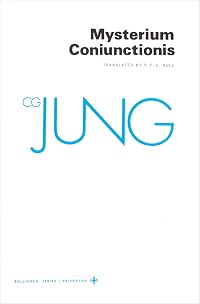
Mysterium Coniunctionis: An Inquiry into the Separation and Synthesis of Psychic Opposites in Alchemy
by C. G. Jung
On This Page
Description
Jung's last major work, completed in his 81st year, on the synthesis of the opposites in alchemy and psychology.Tags
Recommendations








Member Recommendations
Member Reviews
Of Jung's works that I have read, this is one of the hardest to read. It is mainly about the different aspects of the opposites that are found in the unconscious, the archetypes that they correspond to, and how the conjunction of these takes part in the self during the process that he calls individuation. This might sound a bit woolly and mystical, but this is mainly as a side effect of his adoption of terms for psychological phenomena that also correspond to related phenomena from the worlds of alchemy and religion. He explains how the characteristics of such mystic experiences and beliefs can be explained by processes that happen in the mind, and how their origins can be explained rationally. So, what can at times seem like a work show more obsessed with the occult and mystic, is really a triumph of rationalism and science. The ideas that he proposes are compelling, and do a lot to explain to strangeness of the thoughts of people that lived hundreds or thousands of years ago. The readers opinion of the history of religion, magic, alchemy etc. will then change from it being a catalogue of folly and madness, to a catalogue of symptoms of healthy and ill psychological process that can be at least be partly understood.
However, the work does not seek to do away with mystery where it still exists, and the last part of the book makes clear that we do not understand the world and the mind as well as future scholars will. Jung's work is huge in its scope, and the reader must have read some of his related works such as the Archetypes and the Collective Unconscious, to fully appreciate quite how significant his thoughts are. As this is one of his harder books, that develops his simpler ideas further, it is probably a good idea to read some of his easier works first. show less
However, the work does not seek to do away with mystery where it still exists, and the last part of the book makes clear that we do not understand the world and the mind as well as future scholars will. Jung's work is huge in its scope, and the reader must have read some of his related works such as the Archetypes and the Collective Unconscious, to fully appreciate quite how significant his thoughts are. As this is one of his harder books, that develops his simpler ideas further, it is probably a good idea to read some of his easier works first. show less
Source: Taylor & Francis December 2014 edition: Mysterium Coniunctionis was first published in the Collected Works of C.G. Jung in 1963. For this second edition of the work, numerous corrections and revisions have been made in cross-references to other volumes of the Collected Works now available and likewise in the Bibliography.
Mysterium Coniunctionis was Jung's last work of book length and gives a final account of his lengthy researches in alchemy. It was Jung's empirical discovery that certain key problems of modern man were prefigures in what the alchemists called their 'art' or 'process'. Jung maintained that 'the world of alchemical symbols does not belong to the rubbish heap of the past but stands in a very real and living show more relationship to our most recent discoveries concerning the psychology of the unconscious'. The volume includes ten plates, a Bibliography, an Index, and an Appendix of original Latin and Greek texts quoted in the work. show less
Mysterium Coniunctionis was Jung's last work of book length and gives a final account of his lengthy researches in alchemy. It was Jung's empirical discovery that certain key problems of modern man were prefigures in what the alchemists called their 'art' or 'process'. Jung maintained that 'the world of alchemical symbols does not belong to the rubbish heap of the past but stands in a very real and living show more relationship to our most recent discoveries concerning the psychology of the unconscious'. The volume includes ten plates, a Bibliography, an Index, and an Appendix of original Latin and Greek texts quoted in the work. show less
MYSTERIUM CONIUNCTIONIS
PRÓLOGO
Comencé a escribir el presente libro -mi último libro- hace más
de diez años, con ocasión de un artículo de Karl Kerényi sobre la
fiesta del Egeo en el Fausto de Goethe. Indudablemente, hay un
precedente de la fiesta del Egeo en La bodas quimicas de Christian
Rosencreutz, originado a su vez en el simbolismo alquímico tradicio
nal del hierosgamos. Estuve tentado de comentar entonces el artículo
de Kerényi desde el punto de vista de la alquimia y la psicología,
pero no tardé en descubrir que la envergadura del tema era dema
siado amplia como para exponerlo en un par de páginas. Me puse a
trabajar inmediatamente, pero pasó más de una década hasta que
pude reunir y dar alguna forma a todo lo relativo a show more este problema
central.
Como es sabido, en mi libro Psicología y alquimia, aparecido en
1944", he mostrado cómo ciertos motivos arquetípicos habituales
en la alquimia aparecen hoy también en sueños de personas sin
ningún conocimiento de alquimia. En esa ocasión me limité a indicar,
más que a exponer detalladamente -como hubiera merecido-
la riqueza de ideas y símbolos que yacen ocultos en los desatendidos
tratados de este «arte» tantas veces malinterpretado; mi interés
primordial era en primer lugar aportar pruebas de que el mundo simbólico
alquímico en absoluto pertenece exclusivamente a los escombros
del pasado, sino que se encuentra estrechamente relacionado
con las experiencias y conocimientos más recientes de la psicología
de lo inconsciente. Se ha comprobado no sólo que esta disciplina... show less
PRÓLOGO
Comencé a escribir el presente libro -mi último libro- hace más
de diez años, con ocasión de un artículo de Karl Kerényi sobre la
fiesta del Egeo en el Fausto de Goethe. Indudablemente, hay un
precedente de la fiesta del Egeo en La bodas quimicas de Christian
Rosencreutz, originado a su vez en el simbolismo alquímico tradicio
nal del hierosgamos. Estuve tentado de comentar entonces el artículo
de Kerényi desde el punto de vista de la alquimia y la psicología,
pero no tardé en descubrir que la envergadura del tema era dema
siado amplia como para exponerlo en un par de páginas. Me puse a
trabajar inmediatamente, pero pasó más de una década hasta que
pude reunir y dar alguna forma a todo lo relativo a show more este problema
central.
Como es sabido, en mi libro Psicología y alquimia, aparecido en
1944", he mostrado cómo ciertos motivos arquetípicos habituales
en la alquimia aparecen hoy también en sueños de personas sin
ningún conocimiento de alquimia. En esa ocasión me limité a indicar,
más que a exponer detalladamente -como hubiera merecido-
la riqueza de ideas y símbolos que yacen ocultos en los desatendidos
tratados de este «arte» tantas veces malinterpretado; mi interés
primordial era en primer lugar aportar pruebas de que el mundo simbólico
alquímico en absoluto pertenece exclusivamente a los escombros
del pasado, sino que se encuentra estrechamente relacionado
con las experiencias y conocimientos más recientes de la psicología
de lo inconsciente. Se ha comprobado no sólo que esta disciplina... show less
May 7, 2018Spanish
MYSTERIUM COIUNCTIONIS:OBRAS COMPLETAS
De las obras de Jung que he leído, esta es una de las más difíciles de leer. Se trata principalmente de los diferentes aspectos de los opuestos que se encuentran en el inconsciente, los arquetipos a los que corresponden, y cómo la conjunción de estos toma parte en el yo durante el proceso que él llama individuación. Esto puede sonar un poco lanoso y místico, pero esto es principalmente como un efecto secundario de su adopción de términos para los fenómenos psicológicos que también corresponden a fenómenos relacionados de los mundos de la alquimia y la religión. Explica cómo las características de tales experiencias y creencias místicas pueden explicarse por procesos que ocurren en show more la mente y cómo sus orígenes pueden explicarse de manera racional. Entonces, lo que a veces puede parecer una obra obsesionada con lo oculto y lo místico, es realmente un triunfo del racionalismo y la ciencia. Las ideas que él propone son convincentes y hacen mucho para explicar la extrañeza de los pensamientos de las personas que vivieron hace cientos o miles de años. La opinión de los lectores sobre la historia de la religión, la magia, la alquimia, etc. cambiará de ser un catálogo de locura y locura a un catálogo de síntomas de un proceso psicológico sano y enfermo que, al menos, se puede entender parcialmente.
Sin embargo, el trabajo no trata de eliminar el misterio donde todavía existe, y la última parte del libro deja en claro que no entendemos el mundo y la mente tan bien como lo harán los futuros eruditos. El trabajo de Jung es enorme en su alcance, y el lector debe haber leído algunas de sus obras relacionadas, tales como los Arquetipos y el Inconsciente Colectivo, para apreciar plenamente lo significativos que son sus pensamientos. Como este es uno de sus libros más difíciles, que desarrolla aún más sus ideas más simples, probablemente sea una buena idea leer primero algunas de sus obras más fáciles. show less
De las obras de Jung que he leído, esta es una de las más difíciles de leer. Se trata principalmente de los diferentes aspectos de los opuestos que se encuentran en el inconsciente, los arquetipos a los que corresponden, y cómo la conjunción de estos toma parte en el yo durante el proceso que él llama individuación. Esto puede sonar un poco lanoso y místico, pero esto es principalmente como un efecto secundario de su adopción de términos para los fenómenos psicológicos que también corresponden a fenómenos relacionados de los mundos de la alquimia y la religión. Explica cómo las características de tales experiencias y creencias místicas pueden explicarse por procesos que ocurren en show more la mente y cómo sus orígenes pueden explicarse de manera racional. Entonces, lo que a veces puede parecer una obra obsesionada con lo oculto y lo místico, es realmente un triunfo del racionalismo y la ciencia. Las ideas que él propone son convincentes y hacen mucho para explicar la extrañeza de los pensamientos de las personas que vivieron hace cientos o miles de años. La opinión de los lectores sobre la historia de la religión, la magia, la alquimia, etc. cambiará de ser un catálogo de locura y locura a un catálogo de síntomas de un proceso psicológico sano y enfermo que, al menos, se puede entender parcialmente.
Sin embargo, el trabajo no trata de eliminar el misterio donde todavía existe, y la última parte del libro deja en claro que no entendemos el mundo y la mente tan bien como lo harán los futuros eruditos. El trabajo de Jung es enorme en su alcance, y el lector debe haber leído algunas de sus obras relacionadas, tales como los Arquetipos y el Inconsciente Colectivo, para apreciar plenamente lo significativos que son sus pensamientos. Como este es uno de sus libros más difíciles, que desarrolla aún más sus ideas más simples, probablemente sea una buena idea leer primero algunas de sus obras más fáciles. show less
Feb 24, 2018Spanish
Ratings
Members
- Recently Added By
Published Reviews
Prvi put na srpskom jeziku, u izvanrednom prevodu jednog od nasih najistaknutijih germanista, Branimira Zivojinovica, pojavljuje se Jungovo remek-delo koje govori o tajni spajanja suprotnosti u alhemiji.
Remek-delo pozne stvaralačke faze K.G. Junga nastajalo je tokom punih deset godina (1944-1954) i govori o tajni spajanja suprotnosti u alhemiji. Autor u predgovoru ističe kako je nastojao da show more prikaže bogatstvo ideja i simbola koji leže skriveni u zanemarenim traktatima ove često pogrešno shvatane veštine. Reč je o saglasnosti između iskustava alehemije i saznanjima psihologije nesvesnog. Činioci koji se spajaju u konjunkciji zamišljeni su kao suprotnosti koje su ili neprijateljski protivstavljene ili se u ljubavi uzajamno privlače. Najpre je posredi dualizam, na primer, suprotnosti humidum (vlažan) - siccum (suv), frigidum (hladan) - calidum (topao), superiora (gornje) - inferiora (donje), spiritus (duh) - corpus (telo), coelum (nebo) - terra (zemlja), ignis (vatra) - aqua (voda)... show less
Remek-delo pozne stvaralačke faze K.G. Junga nastajalo je tokom punih deset godina (1944-1954) i govori o tajni spajanja suprotnosti u alhemiji. Autor u predgovoru ističe kako je nastojao da show more prikaže bogatstvo ideja i simbola koji leže skriveni u zanemarenim traktatima ove često pogrešno shvatane veštine. Reč je o saglasnosti između iskustava alehemije i saznanjima psihologije nesvesnog. Činioci koji se spajaju u konjunkciji zamišljeni su kao suprotnosti koje su ili neprijateljski protivstavljene ili se u ljubavi uzajamno privlače. Najpre je posredi dualizam, na primer, suprotnosti humidum (vlažan) - siccum (suv), frigidum (hladan) - calidum (topao), superiora (gornje) - inferiora (donje), spiritus (duh) - corpus (telo), coelum (nebo) - terra (zemlja), ignis (vatra) - aqua (voda)... show less
added by Sensei-CRS
Lists

Jordan B. Peterson's Recommended Books
104 works; 5 members
Author Information

902+ Works 42,878 Members
Carl Gustav Jung was born in Switzerland on July 26, 1875. He originally set out to study archaeology, but switched to medicine and began practicing psychiatry in Basel after receiving his degree from the University of Basel in 1902. He became one of the most famous of modern psychologists and psychiatrists. Jung first met Sigmund Freud in 1907 show more when he became his foremost associate and disciple. The break came with the publication of Jung's Psychology of the Unconscious (1912), which did not follow Freud's theories of the libido and the unconscious. Jung eventually rejected Freud's system of psychoanalysis for his own "analytic psychology." This emphasizes present conflicts rather than those from childhood; it also takes into account the conflict arising from what Jung called the "collective unconscious"---evolutionary and cultural factors determining individual development. Jung invented the association word test and contributed the word complex to psychology, and first described the "introvert" and "extrovert" types. His interest in the human psyche, past and present, led him to study mythology, alchemy, oriental religions and philosophies, and traditional peoples. Later he became interested in parapsychology and the occult. He thought that unidentified flying objects (UFOs) might be a psychological projection of modern people's anxieties. He wrote several books including Studies in Word Association, Flying Saucers: A Modern Myth of Things Seen in the Skies, and Psychology and Alchemy. He died on June 6, 1961 after a short illness. (Bowker Author Biography) show less
Some Editions
Series
Belongs to Publisher Series
Bollingen Series (20.14)
Common Knowledge
- Canonical title
- Mysterium Coniunctionis: An Inquiry into the Separation and Synthesis of Psychic Opposites in Alchemy
- Original title
- Mysterium coniunctionis : Untersuchungen über die Trennung und Zusammensetzung der seelischen Gegensätze in der Alchemie
- Original publication date
- 1956 (Part I), 1957 (Part II) (Part I | Part II)
- Original language
- German
Classifications
Statistics
- Members
- 503
- Popularity
- 60,106
- Reviews
- 4
- Rating
- (4.35)
- Languages
- 9 — Bulgarian, English, French, German, Italian, Polish, Portuguese, Serbian, Spanish
- Media
- Paper, Ebook
- ISBNs
- 21
- ASINs
- 9