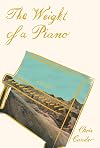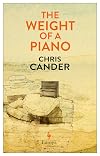
The Weight of a Piano: A novel
by Chris Cander
On This Page
Description
In 1962, in the Soviet Union, eight-year-old Katya is bequeathed what will become the love of her life: a Blüthner piano, built at the turn of the century in Germany, on which she discovers everything that she herself can do with music and what music, in turn, does for her. Yet after marrying, she emigrates with her young family from Russia to America, at her husband's frantic insistence, and her piano is lost in the shuffle. In 2012, in Bakersfield, California, twenty-six-year-old Clara show more Lundy loses another boyfriend and again has to find a new apartment, which is complicated by the gift her father had given her for her twelfth birthday, shortly before he and her mother died in a fire that burned their house down: a Blüthner upright she has never learned to play. Ophaned, she was raised by her aunt and uncle, who in his car-repair shop trained her to become a first-rate mechanic, much to the surprise of her subsequent customers. But this work, her true mainstay in a scattered life, is put on hold when her hand gets broken while the piano's being moved--and in sudden frustration she chooses to sell it. And what becomes crucial is who the most interested party turns out to be... show lessTags
Recommendations












































Member Reviews
: This book starts with how Julius Bluthner made the trip into the dense forests in the Romanian mountains after the leaves had fallen and snow blanketed the ground. He searched out the oldest trees whose branches he couldn’t reach. He would knock them with his walking stick, and press his ear against them listening for the music inside. When he found what he was listening for, he would mark them with a piece of red wool. This first chapter is lyrical in how the Bluthner pianos were made all those years ago.
Our story focuses on one piano in particular as it is bequeathed in 1962 to an 8 year old Russian girl, Katya who discovers what she can do with music on her beloved piano and what this music does for her. After marrying and show more emigrating at her husband’s insistence, her piano is lost in the shuffle.
We then jump to 2012 in Bakersfield, California where 26 year old Clara Lundy has to move out of her boyfriend’s apartment with her piano, a Bluthner upright she has never learned how to play. It had been given to her by her father shortly before he and her mother died in a house fire. Orphaned at age twelve, she’s raised by her aunt and uncle. Her uncle who owns a car repair shop trains Clara to become a first-rate mechanic. When she breaks her hand while moving her piano, she decides to finally sell it. When a buyer immediately accepts her offer, she has a change of heart but the buyer talks her into renting it to him for several weeks. This starts the reader on the journey of the mysterious and very tragic connections between Katya, Clara and the Bluthner piano. show less
Our story focuses on one piano in particular as it is bequeathed in 1962 to an 8 year old Russian girl, Katya who discovers what she can do with music on her beloved piano and what this music does for her. After marrying and show more emigrating at her husband’s insistence, her piano is lost in the shuffle.
We then jump to 2012 in Bakersfield, California where 26 year old Clara Lundy has to move out of her boyfriend’s apartment with her piano, a Bluthner upright she has never learned how to play. It had been given to her by her father shortly before he and her mother died in a house fire. Orphaned at age twelve, she’s raised by her aunt and uncle. Her uncle who owns a car repair shop trains Clara to become a first-rate mechanic. When she breaks her hand while moving her piano, she decides to finally sell it. When a buyer immediately accepts her offer, she has a change of heart but the buyer talks her into renting it to him for several weeks. This starts the reader on the journey of the mysterious and very tragic connections between Katya, Clara and the Bluthner piano. show less
This entire book revolves around a beloved Blüthner upright piano that links several people who never even knew of each other. Blüthner was founded in 1853, and along with Steinway & Sons, C. Bechstein, and Bösendorfer is often referred to as one of the "Big Four" piano manufacturers. Reading is so educational at times, even in the fictional world. Just wait until you learn how the perfect wood for a piano was chosen by the firm’s founder.
There are two strong women in this fascinating book who feel a great attachment to this instrument, and one of them can’t even play it. The book alternates between the stories of the two, before several human connections are revealed toward the very end. This is a cultured book which showcases show more the world of music, craftsmanship, and photography. The story travels through a century of time, as well as across several continents, before it ends up in the desert of the American southwest. As with any novel that has two distinct stories, the reader is constantly wondering about the when, the how, the with who, and maybe the if, they will come together. The Weight of a Piano takes a crafty route through time, families, and the heart of love to unite the stories.
One of the book’s alternating stories revolves around an eight-year-old girl (Katya) living with her family in the Soviet Union, where she is bequeathed “the love of her life,” a Blüthner piano. Years later, her husband insists that they move to the United States. It takes several years of living in Europe before they are finally approved to travel to America. In the end, Katya and her family settle in California, but along the way her beloved piano has disappeared from her life, thanks to the greed and resentment of her husband. He was never a fan of the instrument nor the music that his wife so loved to play. He is also very bitter at being reduced to driving a cab in what he thought was the land of opportunity. Their martial relationship becomes strained and broken as his resentments and drinking grow over time.
In the other story, the non-playing owner is Clara Lundy, a talented mid-twenties auto mechanic in Bakersfield, California, who has a constantly changing love life. The piano came to her as a birthday present from her father when she was only twelve. That was tragically right before both her parents died when the family home burned down. She was then brought up by an aunt and an uncle who had a car repair shop.
Years later, while moving into a new apartment, the nearly six-hundred-pound piano shifts on the stairs and crushes her hand. During her forced time off from work, and figuring it was time to get rid of this monster of a silent musical instrument, she places an ad for it at a greatly inflated price. She is amazed when someone almost immediately accepts the price. She tells the buyer (Greg) that she has changed her mind and that it’s no longer for sale at $3,000, or at any price. He insists that it’s a done deal, and then offers her thousands more to just rent the piano for a series of photo shoots near Vegas.
Being very suspicious, Clara follows the rather disagreeable photographer and his piano movers into the desert for their photographic project. Eventually she warms to Greg and discovers a rather mind-blowing connection that links them.
I found the book’s ending very clever and most touching. This is a special book that explores how strong the emotions of the human heart can be for art, and of course, for love. Some of the characters in the book appear to be broken and ground into the dirt, but there is a strong drive in humans for the connections in life that create the passion and love that makes life the joy it can be. This could make a fine film. I found the writing ranging from lusty, cripplingly depressing, and simply beautiful. It felt like there was a luscious musical score to this book, one that was always playing in the background. show less
There are two strong women in this fascinating book who feel a great attachment to this instrument, and one of them can’t even play it. The book alternates between the stories of the two, before several human connections are revealed toward the very end. This is a cultured book which showcases show more the world of music, craftsmanship, and photography. The story travels through a century of time, as well as across several continents, before it ends up in the desert of the American southwest. As with any novel that has two distinct stories, the reader is constantly wondering about the when, the how, the with who, and maybe the if, they will come together. The Weight of a Piano takes a crafty route through time, families, and the heart of love to unite the stories.
One of the book’s alternating stories revolves around an eight-year-old girl (Katya) living with her family in the Soviet Union, where she is bequeathed “the love of her life,” a Blüthner piano. Years later, her husband insists that they move to the United States. It takes several years of living in Europe before they are finally approved to travel to America. In the end, Katya and her family settle in California, but along the way her beloved piano has disappeared from her life, thanks to the greed and resentment of her husband. He was never a fan of the instrument nor the music that his wife so loved to play. He is also very bitter at being reduced to driving a cab in what he thought was the land of opportunity. Their martial relationship becomes strained and broken as his resentments and drinking grow over time.
In the other story, the non-playing owner is Clara Lundy, a talented mid-twenties auto mechanic in Bakersfield, California, who has a constantly changing love life. The piano came to her as a birthday present from her father when she was only twelve. That was tragically right before both her parents died when the family home burned down. She was then brought up by an aunt and an uncle who had a car repair shop.
Years later, while moving into a new apartment, the nearly six-hundred-pound piano shifts on the stairs and crushes her hand. During her forced time off from work, and figuring it was time to get rid of this monster of a silent musical instrument, she places an ad for it at a greatly inflated price. She is amazed when someone almost immediately accepts the price. She tells the buyer (Greg) that she has changed her mind and that it’s no longer for sale at $3,000, or at any price. He insists that it’s a done deal, and then offers her thousands more to just rent the piano for a series of photo shoots near Vegas.
Being very suspicious, Clara follows the rather disagreeable photographer and his piano movers into the desert for their photographic project. Eventually she warms to Greg and discovers a rather mind-blowing connection that links them.
I found the book’s ending very clever and most touching. This is a special book that explores how strong the emotions of the human heart can be for art, and of course, for love. Some of the characters in the book appear to be broken and ground into the dirt, but there is a strong drive in humans for the connections in life that create the passion and love that makes life the joy it can be. This could make a fine film. I found the writing ranging from lusty, cripplingly depressing, and simply beautiful. It felt like there was a luscious musical score to this book, one that was always playing in the background. show less
LITERARY FICTION
Chris Cander
The Weight of a Piano: A Novel
Alfred A. Knopf
Hardcover, 978-0-5256-5467-4 (also available as an e-book), 336 pgs., $26.95
January 22, 2019
Julius Blüthner, a German piano maker in the late nineteenth and early twentieth centuries, was a legend in his time. He would take the train from Leipzig to the mountains of Romania to personally choose the spruce trees which would become, after a process involving many steps and many years, a piano. One of the Blüthner factory’s rare instruments, which would “open up and gather into itself a unique history,” is a main character in Chris Cander’s latest novel, The Weight of a Piano.
The story begins with the birth of the piano and then leaps across time and space, show more first to Bakersfield, California, in 2012, where auto mechanic Clara Lundy is a twenty-six-year-old orphan, trying not to want anything because life has taught her that if she wants it too badly, she cannot keep it; then to Zagorsk, USSR, in 1962, where eight-year-old Ekaterina “Katya” Dmitrievna is kept awake at night by a piano-playing neighbor, an old German man who’d been blinded “by either shrapnel or guilt.”
Katya inherits an antique, shining ebony Blüthner upright piano from her neighbor; Clara’s father, he of the loud silences (“Hush, they said. I’m busy or Maybe later or I forgot.”), gifts her a Blüthner for her twelfth birthday. Katya’s piano is lost in the complicated immigration to America; Clara’s piano is a “paperweight, keeping what was left of her childhood memories from floating away.” Having never learned to play, and breaking her hand maneuvering the 564-pound paperweight up a flight of stairs during her latest move, Clara posts the Blüthner for sale. Needled by second and third thoughts, Clara tries to remove the sale notice but too late: a photographer in New York has bought it.
The Weight of a Piano is Chris Cander’s third novel. A work of literary fiction that spans decades and continents, Cander’s latest offering is an original, creative tackling of the essentially solitary human condition; the effort required of women to claim full personhood (I love you now change); and the frightening vulnerability necessary to connect with another, defiant in the face of the transitory nature of all things.
The story is told in three third-person accounts: that of Clara, Katya, and the piano. “I want to say that there’s a reason this piano exists in the world. This specific piano. That there’s something important about it, to the people who made it, to the people who played it and lost and found it and lost it again.”
Cander’s women are each quite different from one another. While I appreciated the younger Katya, bemused and curious to see what she’d do next, I grew impatient with Clara’s (altogether understandable) pre-emptive strikes (“self-sufficient and self-contained, reliable instead of reliant”) and skittishness, shying like a wild thing from perceived threats to her jealously guarded independence. The two women’s paths cross in myriad ways, diverging in apposition; as Katya ages, she seems to diminish; as Clara ages she becomes bolder, more decisive.
There are a handful of slips in The Weight of a Piano. “His eyes glazed with animal desire” is unworthy of Cander. Granted, sex is hard to write well and it’s where the clichés reliably appear—not surprising but a touch disappointing. And why print an entire letter in Cyrillic?
Imagery such as this makes up for the slips: “This amplified tension between [Clara’s] parents so dense and sticky, always came and went, and now it was there again, like a spider web that had been spun in the night.” The stark extremity of Death Valley serves as inspired metaphor, providing a backdrop supremely indifferent to the human dramas playing out — all sorts of things are dying out there.
The piano tries to please — it has abandonment issues, too. “Oh, how hard it had tried to produce the right sounds, grateful as it was to finally have been asked to once again.” The denouement unexpectedly features the Blüthner’s point of view — compelling and, oddly, more affecting than the people. “It felt as though it were twice its actual size, a burden to itself and others … 564 pounds plus the invisible emotional and musical heft.” The piano is burdened by the hopes, dreams, disappointments, and griefs of its humans. “That’s not music. Let me go.”
Cander’s The Weight of a Piano showcases her development as a powerful storyteller, reminding me of Accordion Crimes (Scribner, 1997) by the great Annie Proulx. Steadily, warily, the two halves of this story move toward each other, and what follows is a tale of the paradoxical power of art — the duality that transfigures, enslaving some and setting others free.
Originally published by Lone Star Literary Life. show less
Chris Cander
The Weight of a Piano: A Novel
Alfred A. Knopf
Hardcover, 978-0-5256-5467-4 (also available as an e-book), 336 pgs., $26.95
January 22, 2019
Julius Blüthner, a German piano maker in the late nineteenth and early twentieth centuries, was a legend in his time. He would take the train from Leipzig to the mountains of Romania to personally choose the spruce trees which would become, after a process involving many steps and many years, a piano. One of the Blüthner factory’s rare instruments, which would “open up and gather into itself a unique history,” is a main character in Chris Cander’s latest novel, The Weight of a Piano.
The story begins with the birth of the piano and then leaps across time and space, show more first to Bakersfield, California, in 2012, where auto mechanic Clara Lundy is a twenty-six-year-old orphan, trying not to want anything because life has taught her that if she wants it too badly, she cannot keep it; then to Zagorsk, USSR, in 1962, where eight-year-old Ekaterina “Katya” Dmitrievna is kept awake at night by a piano-playing neighbor, an old German man who’d been blinded “by either shrapnel or guilt.”
Katya inherits an antique, shining ebony Blüthner upright piano from her neighbor; Clara’s father, he of the loud silences (“Hush, they said. I’m busy or Maybe later or I forgot.”), gifts her a Blüthner for her twelfth birthday. Katya’s piano is lost in the complicated immigration to America; Clara’s piano is a “paperweight, keeping what was left of her childhood memories from floating away.” Having never learned to play, and breaking her hand maneuvering the 564-pound paperweight up a flight of stairs during her latest move, Clara posts the Blüthner for sale. Needled by second and third thoughts, Clara tries to remove the sale notice but too late: a photographer in New York has bought it.
The Weight of a Piano is Chris Cander’s third novel. A work of literary fiction that spans decades and continents, Cander’s latest offering is an original, creative tackling of the essentially solitary human condition; the effort required of women to claim full personhood (I love you now change); and the frightening vulnerability necessary to connect with another, defiant in the face of the transitory nature of all things.
The story is told in three third-person accounts: that of Clara, Katya, and the piano. “I want to say that there’s a reason this piano exists in the world. This specific piano. That there’s something important about it, to the people who made it, to the people who played it and lost and found it and lost it again.”
Cander’s women are each quite different from one another. While I appreciated the younger Katya, bemused and curious to see what she’d do next, I grew impatient with Clara’s (altogether understandable) pre-emptive strikes (“self-sufficient and self-contained, reliable instead of reliant”) and skittishness, shying like a wild thing from perceived threats to her jealously guarded independence. The two women’s paths cross in myriad ways, diverging in apposition; as Katya ages, she seems to diminish; as Clara ages she becomes bolder, more decisive.
There are a handful of slips in The Weight of a Piano. “His eyes glazed with animal desire” is unworthy of Cander. Granted, sex is hard to write well and it’s where the clichés reliably appear—not surprising but a touch disappointing. And why print an entire letter in Cyrillic?
Imagery such as this makes up for the slips: “This amplified tension between [Clara’s] parents so dense and sticky, always came and went, and now it was there again, like a spider web that had been spun in the night.” The stark extremity of Death Valley serves as inspired metaphor, providing a backdrop supremely indifferent to the human dramas playing out — all sorts of things are dying out there.
The piano tries to please — it has abandonment issues, too. “Oh, how hard it had tried to produce the right sounds, grateful as it was to finally have been asked to once again.” The denouement unexpectedly features the Blüthner’s point of view — compelling and, oddly, more affecting than the people. “It felt as though it were twice its actual size, a burden to itself and others … 564 pounds plus the invisible emotional and musical heft.” The piano is burdened by the hopes, dreams, disappointments, and griefs of its humans. “That’s not music. Let me go.”
Cander’s The Weight of a Piano showcases her development as a powerful storyteller, reminding me of Accordion Crimes (Scribner, 1997) by the great Annie Proulx. Steadily, warily, the two halves of this story move toward each other, and what follows is a tale of the paradoxical power of art — the duality that transfigures, enslaving some and setting others free.
Originally published by Lone Star Literary Life. show less
In 1962, 8-year-old Russian Katya receives a piano, which is bequeathed to her by her elderly neighbor, who recognizes the music in Katya. The piano is a German Bluthner. Katya becomes a gifted pianist and she brings the best out of the piano. But her piano is lost to her when her husband decides to leave Russia with high hopes of starting a new life in America with Katya and their son.
In 2012, Clara is torn about whether she should sell her Bluthner piano, which was given to her by her beloved father as an early 12th birthday present. She never learned to play it and has had to have it moved every time one of her relationships ends. But the piano is special to her since her father gave it to her shortly before he and her mother died show more in a fire. When she impulsively decides the piano must go, the buyer brings a connection with the piano that completely takes Clara off guard and brings her on a unique road trip through Death Valley.
I loved how this book begins with the building of this particular piano. The details in this chapter are fascinating, from the slow choosing of the right tree to the long drying out of the wood to the final building of the exquisite piano in a factory in Leipzig. It made the piano come alive in my mind and immediately built a connection with it. In alternating chapters, the author introduces the two women who have such a love for this piano – Katya and Clara – and carefully weaves their stories together. Their stories are beautifully told, with a slow and careful intent towards the brilliant ending.
Recommended.
This book was given to me by the publisher in return for an honest review. show less
In 2012, Clara is torn about whether she should sell her Bluthner piano, which was given to her by her beloved father as an early 12th birthday present. She never learned to play it and has had to have it moved every time one of her relationships ends. But the piano is special to her since her father gave it to her shortly before he and her mother died show more in a fire. When she impulsively decides the piano must go, the buyer brings a connection with the piano that completely takes Clara off guard and brings her on a unique road trip through Death Valley.
I loved how this book begins with the building of this particular piano. The details in this chapter are fascinating, from the slow choosing of the right tree to the long drying out of the wood to the final building of the exquisite piano in a factory in Leipzig. It made the piano come alive in my mind and immediately built a connection with it. In alternating chapters, the author introduces the two women who have such a love for this piano – Katya and Clara – and carefully weaves their stories together. Their stories are beautifully told, with a slow and careful intent towards the brilliant ending.
Recommended.
This book was given to me by the publisher in return for an honest review. show less
Es ist das Klavier des deutschen Nachbarn, das die kleine Katya in ihrer russischen Heimat jede Nacht fasziniert. Sie lauscht den Sonaten und Préludes und der unendlichen Traurigkeit, die von der Musik ausgeht. Der Besitzer spürt die Verbindung des Mädchens zu dem Instrument und so erbt sie es nach seinem Tod. Die Musik wird ihre Leidenschaft, eine, die sogar größer ist als die Liebe zu ihrem Mann Mihail, für den sie ihre Heimat verlässt, um in den USA ein besseres Leben zu finden. Doch dort erwartet sie nichts. Das Piano musste sie zurücklassen und ohne Musik ist ihr Leben leer und kalt. Auch ihr Sohn Grisha kann das nicht ändern. Claras Leben ist ebenfalls von Traurigkeit bestimmt, früh schon hat sie ihre Eltern verloren, show more das einzige, was ihr als Erinnerung geblieben ist, ist ein Piano, das offenbar nicht nur die Töne, sondern die auch die Gefühle vieler Jahrzehnte und unzähliger Pianisten in sich trägt.
Die amerikanische Autorin Christ Cander, deren vorherige Werke bereits mit zahlreichen Preisen ausgezeichnet wurden, hat viel Lob für ihren Roman erhalten, immer wieder wird die Intensität hervorgehoben, mit der sie die Rolle der Musik für ihre Figuren beschreibt. Dies war es auch, was mich am meisten begeistern konnte, obwohl mir jede Musikalität fehlt.
Die Geschichten von Katya und Clara laufen lange Zeit parallel. Es ist schnell klar, dass das Piano das verbindende Element zwischen den beiden ist, wie genau die Beziehung jedoch aussieht, löst sich erst spät auf. Unabhängig von der bildstarken Beschreibung des Klavierspiels und den Melodien vor allem der russischen Komponisten wie Alexander Skrjabin oder Peter Tschaikowksi, hat mich die Autorin mit ihren beiden Frauenfiguren gepackt. Einerseits das russische Mädchen, das ganz in der Musik aufgeht und später zur erwachsenen Frau heranreift, die nur wenig ihrem herrischen und brutalen Ehemann entgegenzusetzen hat. Metaphorisch lässt Cander ihren Sohn über sie sagen, dass Katya in Kalifornien zu Eis wurde, trotz der andauernden Hitze. Innerlich erstarrt ist die mächtige Naturgewalt im Death Valley und dem Coffin Peak die Nachaußenkehrung ihres Daseins. Auf der anderen Seite Clara, die nicht nur keine Familie mehr hat, sondern auch ansonsten allein und planlos im Leben umherirrt. Für sie ist die Begegnung mit Greg der Moment des Loslösens von den Erinnerungen an die Zeit vor dem Tod ihrer Eltern und das Loslassen, das ihr letztlich erlaubt, ihr Leben zu beginnen.
Sicherlich sind weite Teile der Handlung vorhersehbar und die Figuren recht reduziert auf wenige Charakterzüge. Aber dies wird durch die poetische Beschreibung, mit der Cander der Musik Leben einhaucht, locker aufgewogen. show less
Die amerikanische Autorin Christ Cander, deren vorherige Werke bereits mit zahlreichen Preisen ausgezeichnet wurden, hat viel Lob für ihren Roman erhalten, immer wieder wird die Intensität hervorgehoben, mit der sie die Rolle der Musik für ihre Figuren beschreibt. Dies war es auch, was mich am meisten begeistern konnte, obwohl mir jede Musikalität fehlt.
Die Geschichten von Katya und Clara laufen lange Zeit parallel. Es ist schnell klar, dass das Piano das verbindende Element zwischen den beiden ist, wie genau die Beziehung jedoch aussieht, löst sich erst spät auf. Unabhängig von der bildstarken Beschreibung des Klavierspiels und den Melodien vor allem der russischen Komponisten wie Alexander Skrjabin oder Peter Tschaikowksi, hat mich die Autorin mit ihren beiden Frauenfiguren gepackt. Einerseits das russische Mädchen, das ganz in der Musik aufgeht und später zur erwachsenen Frau heranreift, die nur wenig ihrem herrischen und brutalen Ehemann entgegenzusetzen hat. Metaphorisch lässt Cander ihren Sohn über sie sagen, dass Katya in Kalifornien zu Eis wurde, trotz der andauernden Hitze. Innerlich erstarrt ist die mächtige Naturgewalt im Death Valley und dem Coffin Peak die Nachaußenkehrung ihres Daseins. Auf der anderen Seite Clara, die nicht nur keine Familie mehr hat, sondern auch ansonsten allein und planlos im Leben umherirrt. Für sie ist die Begegnung mit Greg der Moment des Loslösens von den Erinnerungen an die Zeit vor dem Tod ihrer Eltern und das Loslassen, das ihr letztlich erlaubt, ihr Leben zu beginnen.
Sicherlich sind weite Teile der Handlung vorhersehbar und die Figuren recht reduziert auf wenige Charakterzüge. Aber dies wird durch die poetische Beschreibung, mit der Cander der Musik Leben einhaucht, locker aufgewogen. show less
Mostly a very intersting back & forth between Katya's life in the Soviet Union and as an emigrant to the US, and Clara's life with her aunt and uncle after her parents' death leading to her meeting Greg, Katya's son. The author had some detailed descriptions of mechanics, pianos, and photography which makes you think she knows her subjects.
We aren't given enough perspective on Greg to see him as anything other than an ass....and the ending leaves us without a clue as to how he will do in the future. But much of the story is good, and the personification of music is interesting.
We aren't given enough perspective on Greg to see him as anything other than an ass....and the ending leaves us without a clue as to how he will do in the future. But much of the story is good, and the personification of music is interesting.
Lovingly-made at the turn of the century, a German Blüthner upright piano stands in the center of two women’s lives.
At the age of eight, Ekaterina Dmitrievna receives the piano from a neighbor in her apartment building and discovers the joy of music. It’s treasured, but lost when she and her husband emigrate from Russia to the United States.
At the age of twelve, Clara Lundy receives the piano as a birthday present from her father shortly before both of her parents die in a tragic house fire.
While the loss of the piano dismayed Katya, Clara, who never learned to play, finds the piano becoming a burden and decides to sell it. This decision brings photographer Greg Zeldin into her world and sets the stage for the recounting of the show more piano’s surprising story.
After an exquisite opening, which details the building of the piano, the narrative alternates between Katya and Clara as the story unfolds. The sense of place is strong, especially in the Death Valley portions of the tale. Some unexpected reveals may surprise readers as the narrative reveals the grief etched into the lives of the two women and the photographer. Life is connections and relationships, both complex and fragile. And here, in the telling of the piano’s tale, readers will find dreams interspersed with reality and the inevitable pull of destiny.
Recommended. show less
At the age of eight, Ekaterina Dmitrievna receives the piano from a neighbor in her apartment building and discovers the joy of music. It’s treasured, but lost when she and her husband emigrate from Russia to the United States.
At the age of twelve, Clara Lundy receives the piano as a birthday present from her father shortly before both of her parents die in a tragic house fire.
While the loss of the piano dismayed Katya, Clara, who never learned to play, finds the piano becoming a burden and decides to sell it. This decision brings photographer Greg Zeldin into her world and sets the stage for the recounting of the show more piano’s surprising story.
After an exquisite opening, which details the building of the piano, the narrative alternates between Katya and Clara as the story unfolds. The sense of place is strong, especially in the Death Valley portions of the tale. Some unexpected reveals may surprise readers as the narrative reveals the grief etched into the lives of the two women and the photographer. Life is connections and relationships, both complex and fragile. And here, in the telling of the piano’s tale, readers will find dreams interspersed with reality and the inevitable pull of destiny.
Recommended. show less
Members
- Recently Added By
Lists

Kirkus Starred Fiction Reviews of Books Published in 2019
411 works; 12 members

Facebook list
55 works; 3 members

Library TBR
64 works; 1 member

Books Read in 2019
4,052 works; 110 members
Author Information

9 Works 423 Members
Some Editions
Awards and Honors
Common Knowledge
- Original publication date
- 2019-01-22
- People/Characters
- Ekaterina "Katya" Dmitrievna Zeldin; Clara Lundy; Grigoriy {Grisha} "Greg" Zeldin; Peter Kappas; Anna Kappas; Teddy Kappas (show all 15); Ila; Jack; Ryan; Boris Abramovich; Mikhail "Misha" Zeldin; Beto; Juan; Bruce Lundy; Alice Lundy
- Important places
- Leningrad, Soviet Union; Bakersfield, California, USA; Badwater Basin, Death Valley National Park, California, USA
- Dedication
- For my lovely Sasha
- First words
- Hidden in dense forests high in the Romanian mountains, where the winters were especially cold and long, were spruce trees that would be made into pianos: exquisite instruments famous for the warmth of their tone and beloved ... (show all)by the likes of Schumann and Liszt.
- Quotations
- I record what is there and what is not, so that you may see what it is that I hear.
The piano gave. The photographer took.
Maybe that was how it worked: the start of knowing what she did want was realizing what she didn't. - Last words
- (Click to show. Warning: May contain spoilers.)She thought of riding fast on a motorcycle with his arms wrapped around her, not knowing what was ahead of her, not caring about what was behind, and not being afraid of falling.
- Blurbers
- Baxter, Charles; Erens, Pamela; Geye, Peter; Kline, Christina Baker; Shepard, Jim
Classifications
Statistics
- Members
- 213
- Popularity
- 153,430
- Reviews
- 18
- Rating
- (3.73)
- Languages
- Dutch, English, German
- Media
- Paper, Audiobook, Ebook
- ISBNs
- 14
- ASINs
- 2