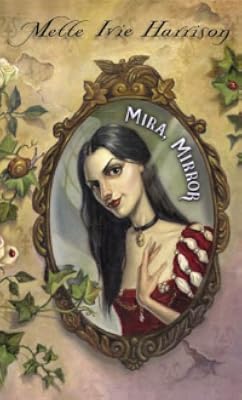
Mira, Mirror
by Mette Harrison
On This Page
Description
Long after the disappearance of Snow White's stepmother, the witch trapped in her mirror manipulates a desperate peasant and a merchant's daughter to seek the magic she needs to gain her freedom, but the girls show her a power far greater.Tags
Recommendations


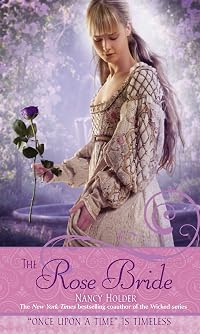
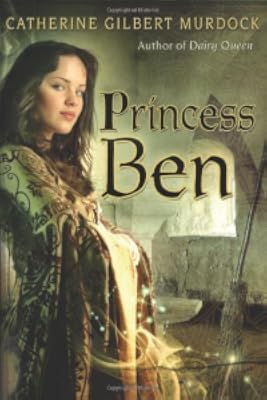
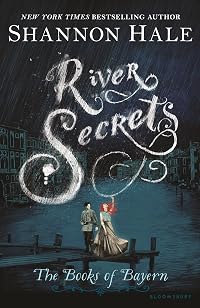
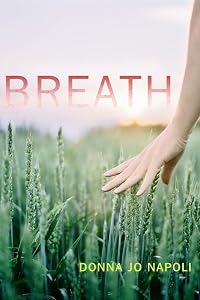
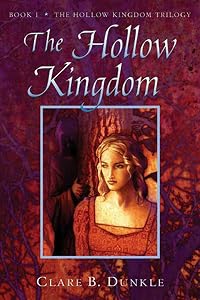
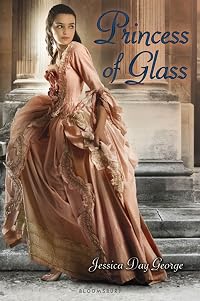
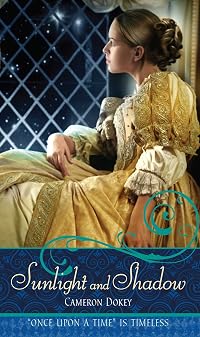
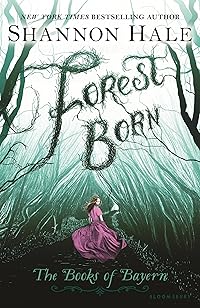
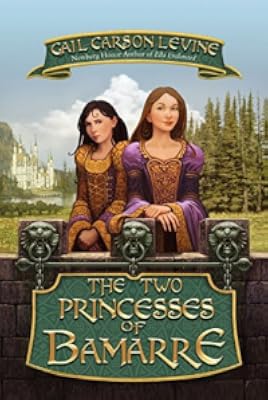
Member Recommendations
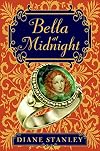
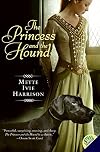
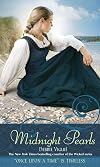
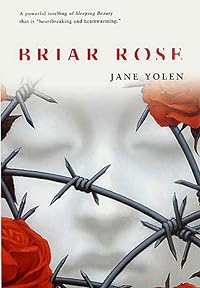
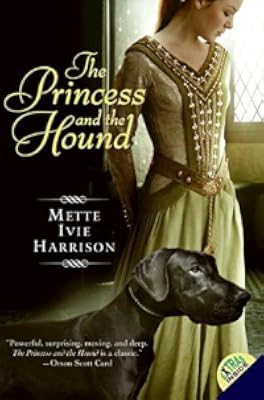
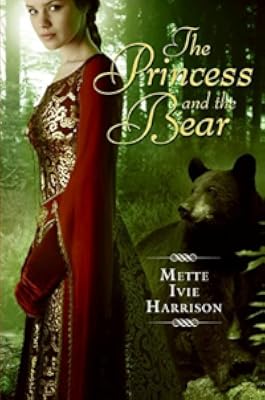
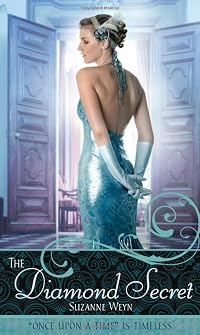
Shadow by Jenny Moss
by foggidawn
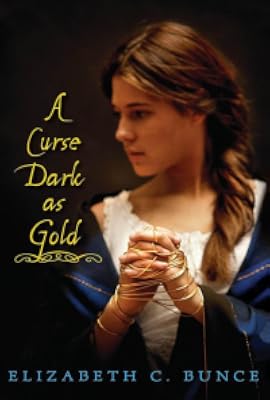
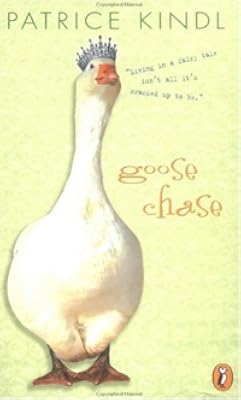
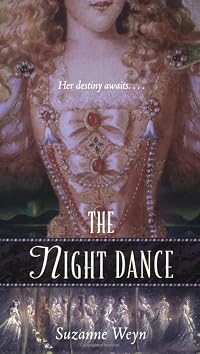
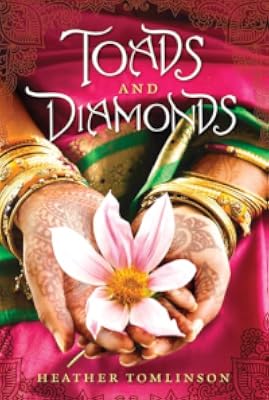
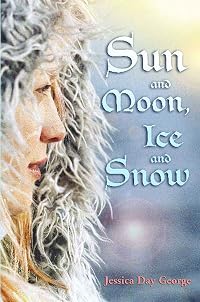
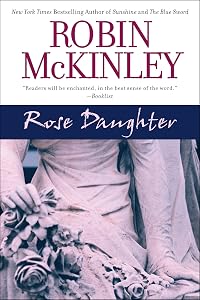
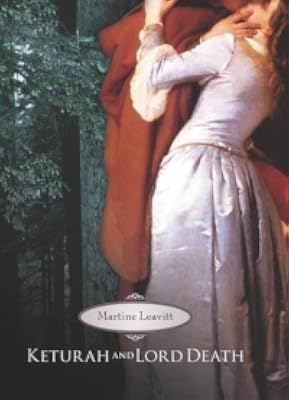
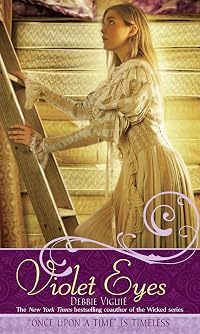
BookshelfMonstrosity In these richly imagined fantasies, a plain but musically talented servant (Fairest) and a witch transformed into a mirror (Mira, Mirror) offer unique perspectives on the fairy tale of Snow White. Both books feature strong characters faced with complicated choices.
Member Reviews
One has the distinct impression that one is reading a private missive from the author to her sisters rather than a young adult novel - and more specifically, from a sister with a possibly one-sidedly unhealthy relationship with the rest of the sisters.
See the numerous scenes in which narrator Mira claims not to understand "normal" sister conflict, waffles about whether she deserves or wants a chance to have a "normal" life, spouts an internal monologue in which she rationalizes all kinds of clearly psychotic behavior on the parts of sisters and fathers, then later implies that the clarity of the psychosis might not be clear because there were hitherto forgotten moments of kindness, but then belies the implication by describing how the show more kindnesses were reversed later, and so on.
The concept that magic draws on death and thus great magic is built upon great evil is cool, though not new. The idea of Snow White being told from a sympathetic point of view that isn't Snow White's is also cool, and also not new. The idea that sisterly love should be overthought, rationalized, full of incomplete forgivenesses painstakingly demonstrated over the top of luggage of kept grudges and nursed distrusts, all of this somehow growing into a bond in which the narrator constantly wants to but rationalizes not being able to participate... needs therapy, but not from the reader.
Also, the apparently pivotal but brief and lonely paragraphs in which the narrator's personal sense of hope supposedly changes: These being the only paragraphs that introduce a theology and a God didn't work. They needed to have been cut entirely, or God needed to be part of the story throughout.
Finally: the last line. No, self-sacrificingly choosing to be old and disabled unto death out of a false sense of just deserts, instead of young enough to do something constructive with one's life, while simultaneously selfishly choosing to use the magic for one's own benefit anyway (this has to do with the mechanics of the magic in the world of this book), while simultaneously begging the question of why the choice was not to heal a fatal wound of a person one professes to love, does not entitle one to deliver an overwrought Moral of the Story about Love being All and Magic being Evil as a final line for the book.
The reader gains nothing but an unsettling sense that in this magic world, solipsism, unsteady perspective, unreliable memory, unrepentant participation in evil justified by protestations of innocent need for affection, and moral ambiguity about current events are tools for self-defense against one's sisters. It is a strange load for a book supposedly about sisterly love to carry, and not a moral example for the young and sisterly among us. show less
See the numerous scenes in which narrator Mira claims not to understand "normal" sister conflict, waffles about whether she deserves or wants a chance to have a "normal" life, spouts an internal monologue in which she rationalizes all kinds of clearly psychotic behavior on the parts of sisters and fathers, then later implies that the clarity of the psychosis might not be clear because there were hitherto forgotten moments of kindness, but then belies the implication by describing how the show more kindnesses were reversed later, and so on.
The concept that magic draws on death and thus great magic is built upon great evil is cool, though not new. The idea of Snow White being told from a sympathetic point of view that isn't Snow White's is also cool, and also not new. The idea that sisterly love should be overthought, rationalized, full of incomplete forgivenesses painstakingly demonstrated over the top of luggage of kept grudges and nursed distrusts, all of this somehow growing into a bond in which the narrator constantly wants to but rationalizes not being able to participate... needs therapy, but not from the reader.
Also, the apparently pivotal but brief and lonely paragraphs in which the narrator's personal sense of hope supposedly changes: These being the only paragraphs that introduce a theology and a God didn't work. They needed to have been cut entirely, or God needed to be part of the story throughout.
Finally: the last line. No, self-sacrificingly choosing to be old and disabled unto death out of a false sense of just deserts, instead of young enough to do something constructive with one's life, while simultaneously selfishly choosing to use the magic for one's own benefit anyway (this has to do with the mechanics of the magic in the world of this book), while simultaneously begging the question of why the choice was not to heal a fatal wound of a person one professes to love, does not entitle one to deliver an overwrought Moral of the Story about Love being All and Magic being Evil as a final line for the book.
The reader gains nothing but an unsettling sense that in this magic world, solipsism, unsteady perspective, unreliable memory, unrepentant participation in evil justified by protestations of innocent need for affection, and moral ambiguity about current events are tools for self-defense against one's sisters. It is a strange load for a book supposedly about sisterly love to carry, and not a moral example for the young and sisterly among us. show less
Mira, Mirror is a novel that borrows from one of the most famous fairy tales, but gives us the story from the magic mirror's point of view. I would say to forget the Disney version, except something is borrowed from it. Had the author been faithful to the Grimm version, the ending would not have been possible.
This is a story of two pairs of sisters, neither of them sisters by blood, but sisters of the heart.
Mira was betrayed by her sister, whose name means 'worthy of love'. It's an ironic choice. Ivana and Talia have their own selfish reasons for using the mirror's magic.
Change is gradual for Mira, Ivana, and Talia. All three will find love, but only one of them will get romantic love as well.
I liked the ending. It took me a few show more chapters to get truly involved in the story, but I'm glad I read the book. show less
This is a story of two pairs of sisters, neither of them sisters by blood, but sisters of the heart.
Mira was betrayed by her sister, whose name means 'worthy of love'. It's an ironic choice. Ivana and Talia have their own selfish reasons for using the mirror's magic.
Change is gradual for Mira, Ivana, and Talia. All three will find love, but only one of them will get romantic love as well.
I liked the ending. It took me a few show more chapters to get truly involved in the story, but I'm glad I read the book. show less
You know the mirror from the Snow White fairy tale. Or do you? One hundred years later, she is still hanging on that wall. This is her quest to be human again.
In the world of Mira, Mirror a witch's magic was taken from death, and right from the start the reader has to question whether it's good or evil to even practice magic. However, I found the morality of this story hazy at best. And the relationships between sisters was...toxic in the worst of times and dysfunctional in the "good" situations. Definitely seemed to support the idea that at least one of the sisters in a family is competitive and constantly trying to show up the others while another sister is always self-sacrificing aka a doormat. Hmmm...
The story of Mira's show more transformation into the Mirror was told quickly - I mean like within 12 pages - blink and you'd miss it. So I felt like Harrison could've spent more time in the beginning of the book developing Zerba, the witch with two apprentices, the first apprentice (who later becomes the Evil Queen), and Mira, Zerba's second apprentice. Harrison does include several flashbacks throughout the story, but their emotional impact wasn't nearly as strong as they would've been early on, then carried with the reader the duration of the story. Though, this book was written for ages 10 and up, so maybe it was a matter of keeping the attention of younger readers? (I'm not sure I buy into that whole concept, seeing as I read some pretty long "adult" books when I was 11-12.) Or maybe Harrison decided it was easier to see the Mirror struggle with "living" among humans again and using them for its own gains by relating the Mirror's human experiences as Mira?
Once the Mirror meets Ivana and then Talia the story mixed in elements of The Prince and the Pauper and later with the Duke, Beauty and the Beast. The ending was typical "fairy tale", and the last lines of the book attempt to teach readers the moral of the story, but in all honesty, it felt kinda hokey.
I almost rated Mira, Mirror 4 stars because:
1) I loved that the story was all about the Mirror - how it came to be, what it felt like serving the queen, how that service changed it - and the entire story was from the Mirror's POV. There were times the Mirror even seemed like a villain - at the worst a co-conspirator, at the best an enabler - one who lost their humanity during transformation but retained a deep inner desire, almost a subconscious wish, of wanting to be a good witch yet couldn't let go of the hope that her sister would make good on her promise.
2) I loved that there was a brief flashback (pages 93-97) of how the tree with the apples that would later be poisoned and used against Snow White came to be. It's mentioned again later (page 264) as one of the Duke's favorite trees.
3) The Evil Queen's name was revealed; although, I didn't much like the actual name (it seemed too plain to me), I liked that Harrison chose to include a name. I also liked the (little bit of) details about what happened to the Evil Queen after she confronted Snow White.
Overall, Mira, Mirror would probably be most enjoyed and appreciated by younger readers, especially young fans of Disney's Snow White; however, more mature, experienced readers might enjoy it if they're able to turn off their inner critic and just read it with no analysis.
3 stars show less
In the world of Mira, Mirror a witch's magic was taken from death, and right from the start the reader has to question whether it's good or evil to even practice magic. However, I found the morality of this story hazy at best. And the relationships between sisters was...toxic in the worst of times and dysfunctional in the "good" situations. Definitely seemed to support the idea that at least one of the sisters in a family is competitive and constantly trying to show up the others while another sister is always self-sacrificing aka a doormat. Hmmm...
The story of Mira's show more transformation into the Mirror was told quickly - I mean like within 12 pages - blink and you'd miss it. So I felt like Harrison could've spent more time in the beginning of the book developing Zerba, the witch with two apprentices, the first apprentice (who later becomes the Evil Queen), and Mira, Zerba's second apprentice. Harrison does include several flashbacks throughout the story, but their emotional impact wasn't nearly as strong as they would've been early on, then carried with the reader the duration of the story. Though, this book was written for ages 10 and up, so maybe it was a matter of keeping the attention of younger readers? (I'm not sure I buy into that whole concept, seeing as I read some pretty long "adult" books when I was 11-12.) Or maybe Harrison decided it was easier to see the Mirror struggle with "living" among humans again and using them for its own gains by relating the Mirror's human experiences as Mira?
Once the Mirror meets Ivana and then Talia the story mixed in elements of The Prince and the Pauper and later with the Duke, Beauty and the Beast. The ending was typical "fairy tale", and the last lines of the book attempt to teach readers the moral of the story, but in all honesty, it felt kinda hokey.
I almost rated Mira, Mirror 4 stars because:
1) I loved that the story was all about the Mirror - how it came to be, what it felt like serving the queen, how that service changed it - and the entire story was from the Mirror's POV. There were times the Mirror even seemed like a villain - at the worst a co-conspirator, at the best an enabler - one who lost their humanity during transformation but retained a deep inner desire, almost a subconscious wish, of wanting to be a good witch yet couldn't let go of the hope that her sister would make good on her promise.
2) I loved that there was a brief flashback (pages 93-97) of how the tree with the apples that would later be poisoned and used against Snow White came to be. It's mentioned again later (page 264) as one of the Duke's favorite trees.
3) The Evil Queen's name was revealed; although, I didn't much like the actual name (it seemed too plain to me), I liked that Harrison chose to include a name. I also liked the (little bit of) details about what happened to the Evil Queen after she confronted Snow White.
Overall, Mira, Mirror would probably be most enjoyed and appreciated by younger readers, especially young fans of Disney's Snow White; however, more mature, experienced readers might enjoy it if they're able to turn off their inner critic and just read it with no analysis.
3 stars show less
This book was recommended to me by a 12 year old girl. She then gave me a copy of the book. High recommendation indeed! Mira, Mirror weaves themes of power, sisterhood, family, parental guidance, and identity together into a strong rope that is powerful but looks like a loose conglomeration of fairy tales.
Mira was sold by her parents to a local witch. The witch cares for her and teaches her many things but Mira is enamoured of the witch's other apprentice, a beautiful young woman who offers Mira friendship and family. Mira is betrayed by her new sister many times over the years; Mira is even tricked into giving up her body and becoming a speaking mirror. In the story of Snow White, Mira is the mirror and the evil stepmother is her show more beautiful sister. That beauty and the other power that her sister desires cost the lives of many, many people. The sister finally disappears and Mira is left hanging on the wall of a hovel for 100 years. When she is finally found by a peasant girl who is fleeing her abusive father and the marriage he has arranged for her, Mira takes the opportunity to look for a way to revenge and a return to humanity.
There follows pieces of The Prince and The Pauper and Beauty and the Beast. Mira is both an interprative voice for other characters and a surprised reciever of insights. Will power corrupt her as it did her sister? Is there any path back from corruption?
This book is generally well written although several things are mentioned as striking and then are never mentioned again. For instance, much is made of the cook's use of a magic apron and the expected fallout when Mira instigates the theft of the apron but the results are not directly addressed and the good food coming from the kitchen is left to the reader to decide if there is a new cook or if the old one has somehow discovered a talent for cooking. show less
Mira was sold by her parents to a local witch. The witch cares for her and teaches her many things but Mira is enamoured of the witch's other apprentice, a beautiful young woman who offers Mira friendship and family. Mira is betrayed by her new sister many times over the years; Mira is even tricked into giving up her body and becoming a speaking mirror. In the story of Snow White, Mira is the mirror and the evil stepmother is her show more beautiful sister. That beauty and the other power that her sister desires cost the lives of many, many people. The sister finally disappears and Mira is left hanging on the wall of a hovel for 100 years. When she is finally found by a peasant girl who is fleeing her abusive father and the marriage he has arranged for her, Mira takes the opportunity to look for a way to revenge and a return to humanity.
There follows pieces of The Prince and The Pauper and Beauty and the Beast. Mira is both an interprative voice for other characters and a surprised reciever of insights. Will power corrupt her as it did her sister? Is there any path back from corruption?
This book is generally well written although several things are mentioned as striking and then are never mentioned again. For instance, much is made of the cook's use of a magic apron and the expected fallout when Mira instigates the theft of the apron but the results are not directly addressed and the good food coming from the kitchen is left to the reader to decide if there is a new cook or if the old one has somehow discovered a talent for cooking. show less
This is the story of the Wicked Queen's magic mirror, from the story of Snow White—from the point of view of the mirror. A young girl, unattractive, unwanted by her father, stepmother, and half-siblings, she's apprenticed to the local witch, and becomes completely enchanted by the witch's other apprentice, and will do anything for her—anything at all.
The other, more talented and more ruthless, apprentice is, of course, the future Wicked Queen, and she enchants Mira into a mirror and gives her just enough magic to be useful in making and keeping her Queen, but not enough ever to escape the trap of the mirror. But Snow White is just one adventure in the long life of the mirror, who has a lot to learn not just about gaining enough show more magic to free herself from the mirror, but also about the moral lessons her "sister" the Wicked Queen taught her.
Enjoyable. show less
The other, more talented and more ruthless, apprentice is, of course, the future Wicked Queen, and she enchants Mira into a mirror and gives her just enough magic to be useful in making and keeping her Queen, but not enough ever to escape the trap of the mirror. But Snow White is just one adventure in the long life of the mirror, who has a lot to learn not just about gaining enough show more magic to free herself from the mirror, but also about the moral lessons her "sister" the Wicked Queen taught her.
Enjoyable. show less
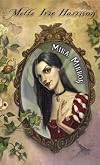
While fairy tale retellings are nothing new, it's always a pleasure to find one that truly takes a familiar story and makes it extraordinary. Harrison's tale is centered not on the evil queen or her beautiful victim, but on the queen's enslaved accomplice, her magic mirror. It doesn't hurt that the cover art is eye-catching, either, so I must look for more stuff by Lori Koefoed. Harrison has another book listed with Amazon that looks like a good realistic teen novel, but I hope she continues in the vein of Mira.
Mira, Mirror tells the story of what happened to the wicked queen's magic mirror after Snow White's fairy tale ended. Mira, the beautiful queen's sister, was trapped in the mirror in order to make the queen more beautiful. After Snow White defeated her stepmother, however, Mira was left alone on the wall in her hiding place, waiting for her opportunity for freedom. After a hundred years pass, a young peasant girl stumbles upon the mirror and Mira uses every trick she learned at the hands of her sister to manipulate the girl into helping her. The sweet nature of the girl has unexpected consequences, however, and Mira begins to look at her past and her sister in a new light. This book is straight fairy tale, and many of the characters are show more recognizable from the stories of childhood. The new perspective and time frame keep the story fresh, though, and the story is compelling enough. This book offers a pleasant way to spend an empty afternoon, and fans of fairy tales should find alot to like in Mira and her story. show less
Members
- Recently Added By
Author Information

32+ Works 2,329 Members
Mette Ivie Harrison received a Master's Degree in German literature from Brigham Young University in 1990 and a PhD in Germanic languages and literatures from Princeton University in 1995. She worked as an adjunct professor at Brigham Young University until 1997, when she left to spend more time with her children and work on her fiction writing show more career. Her first young adult novel, The Monster in Me, was published in 2003. Her young adult works include Mira, Mirror, The Princess and the Hound, The Rose Throne, and Tris and Izzie. Her first novel for adults, The Bishop's Wife, was published in 2014. She also wrote a memoir entitled Ironmom: Training and Racing with a Family of 7 under Mette Harrison. (Bowker Author Biography) show less
Awards and Honors
Notable Lists
Common Knowledge
- Canonical title
- Mira, Mirror
- Original publication date
- 2004-09-23
- Dedication
- For my sisters: Dynette, Ann, Rebecca, and Emily
- First words
- The bargain was quickly made between my mother and the witch.
- Blurbers
- Black, Holly
Classifications
Statistics
- Members
- 281
- Popularity
- 115,216
- Reviews
- 17
- Rating
- (3.35)
- Languages
- English
- Media
- Paper, Ebook
- ISBNs
- 3
- ASINs
- 2