On This Page
Description
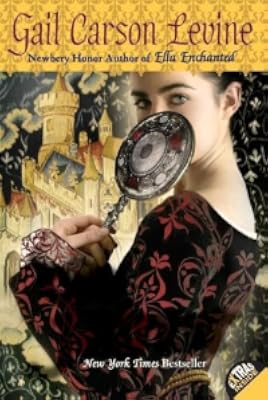
In a land where beauty and singing are valued above all else, Aza eventually comes to reconcile her unconventional appearance and her magical voice, and learns to accept herself for who she truly is.Tags
Recommendations
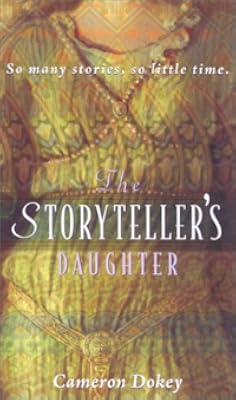
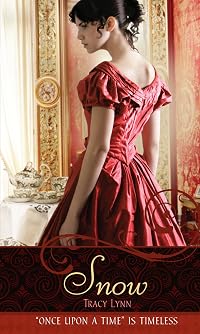
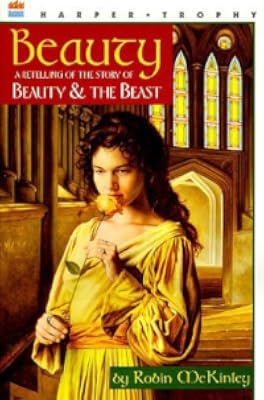
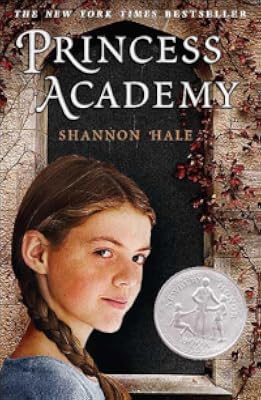

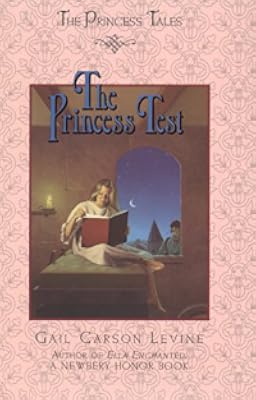
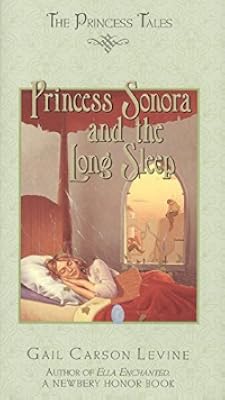
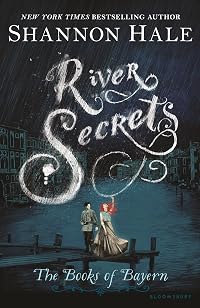
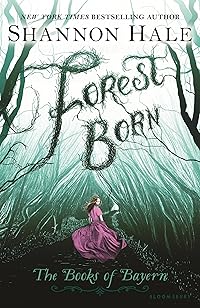
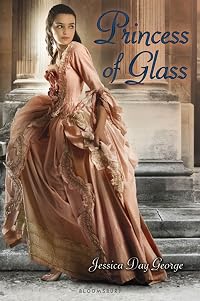
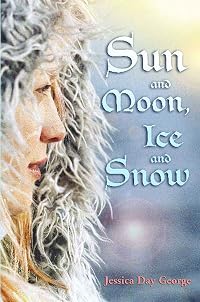
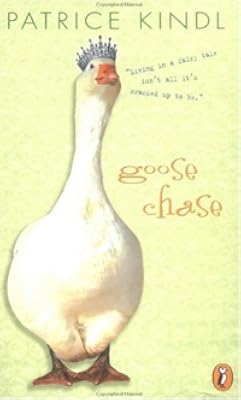
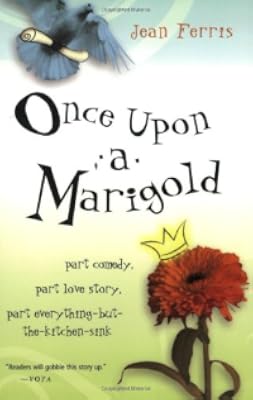
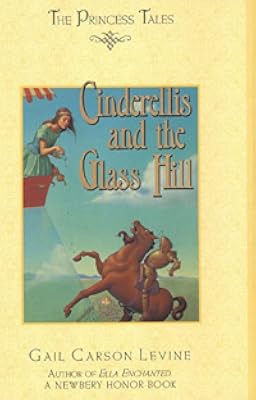
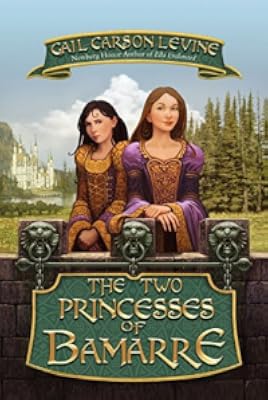
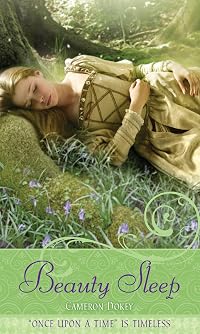
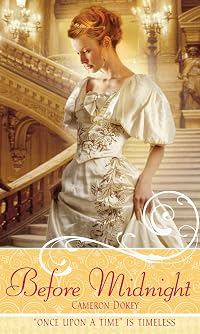
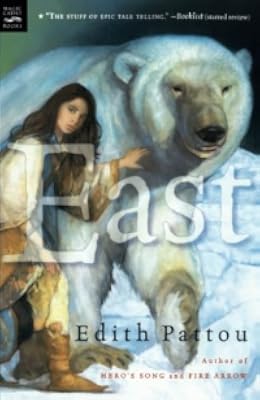
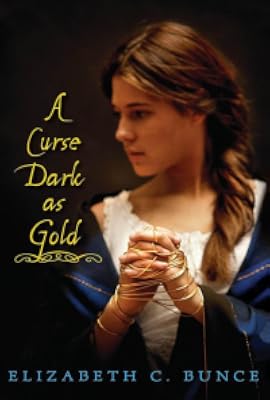
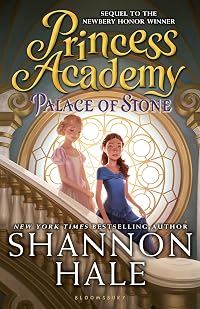
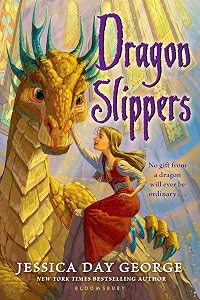
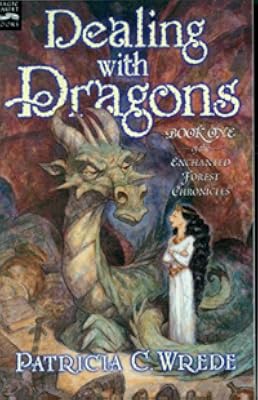
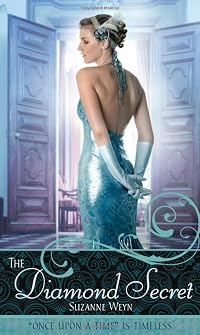
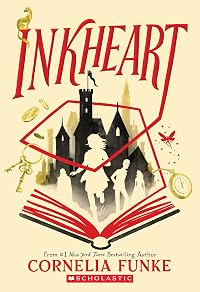
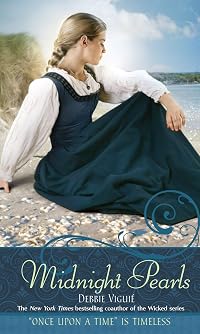
Member Recommendations
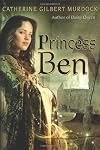
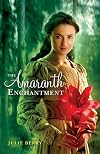
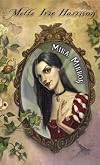
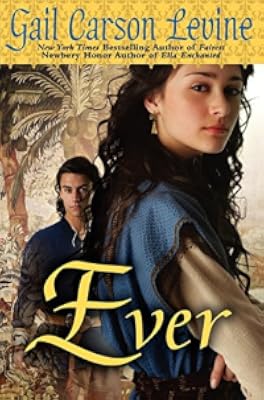
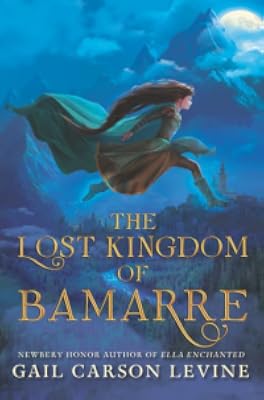
BookshelfMonstrosity In these richly imagined fantasies, a plain but musically talented servant (Fairest) and a witch transformed into a mirror (Mira, Mirror) offer unique perspectives on the fairy tale of Snow White. Both books feature strong characters faced with complicated choices.
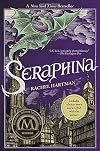
Heather39 In both books, a musically talented young woman begins work at the palace, where she befriends a prince and ends up in unexpected trouble.
Member Reviews
My daughter (who is 9 yrs old) read this book from her school library and absolutely loved it. At her prompting, I also read it. I found it completely enthralling.
I loved the writing and the storytelling (I read this in one day - could not put it down). I loved the suspense and action. I loved the characters and the twist on the fairytale genre. But most of all, I loved the message it's leaving the girls who read it.
For once, we have a kind, good, strong heroine who doesn't just imagine she's not pretty - she actually isn't - at least, according to the world's standards. But unlike other stories with a less attractive lead female, the answer isn't ultimately to "fix" her, nor to see she's "pretty on the inside". (Hate that concept - show more what is pretty on the inside, anyway??). Instead, it deals with this issue - knowing you don't measure up to society's standard of beauty - with an authentic voice and beautiful truths (without giving too much away, things like your looks don't have to define you, and that there are worse things to be than unpretty and that people love all sorts of looks).
I adore the way this story ended, and it's no wonder it is now one of my daughter's favourites. I'd highly recommend it to girls and women alike. An entirely delightful read. show less
I loved the writing and the storytelling (I read this in one day - could not put it down). I loved the suspense and action. I loved the characters and the twist on the fairytale genre. But most of all, I loved the message it's leaving the girls who read it.
For once, we have a kind, good, strong heroine who doesn't just imagine she's not pretty - she actually isn't - at least, according to the world's standards. But unlike other stories with a less attractive lead female, the answer isn't ultimately to "fix" her, nor to see she's "pretty on the inside". (Hate that concept - show more what is pretty on the inside, anyway??). Instead, it deals with this issue - knowing you don't measure up to society's standard of beauty - with an authentic voice and beautiful truths (without giving too much away, things like your looks don't have to define you, and that there are worse things to be than unpretty and that people love all sorts of looks).
I adore the way this story ended, and it's no wonder it is now one of my daughter's favourites. I'd highly recommend it to girls and women alike. An entirely delightful read. show less
So how much does beauty matter? How much does it matter to sing beautifully in a land in which singing is a major part of the culture and almost as important as talking? Can anyone really fit in when they're markedly different and what would they do to fit in? In this retelling of Snow White we have a girl who isn't especially beautiful and who doesn't like apples, but who catches the eye of a queen who wants to fit in as much as she does and is being mislead by a magic mirror.
The main weakness of this book is that despite covering that different species have different conceptions of beauty, and despite that the love interest (being a worthy romance hero) naturally thinks she's beautiful just the way she is, there's little questioning otherwise of the human conception of beauty and ugliness. And it's unclear whether she's large as in big, or "large" as in fat; a lot of her narration certainly comes across as internalised fatphobia and it doesn't feel like this is sufficiently neutralised by the end of the book.
It's otherwise an enjoyable story of someone getting what seems like a dreamjob which rapidly turns into a nightmare of blackmail and scapegoating while everything goes to wrack and ruin. The Snow White show more storyline becomes clearer further into the book and is never too closely adhered to: it's more a framework for a story that owes more to the unique world it's set in.
The singing is the best. Poetry and lyrics in books is often risky because novelists aren't always good poets. Some of the songs here are silly things, but that's when they're meant to be; some of them are deeply moving and would stand alone in their own right (though of course standing best in the context of the story). show less
It's otherwise an enjoyable story of someone getting what seems like a dreamjob which rapidly turns into a nightmare of blackmail and scapegoating while everything goes to wrack and ruin. The Snow White show more storyline becomes clearer further into the book and is never too closely adhered to: it's more a framework for a story that owes more to the unique world it's set in.
The singing is the best. Poetry and lyrics in books is often risky because novelists aren't always good poets. Some of the songs here are silly things, but that's when they're meant to be; some of them are deeply moving and would stand alone in their own right (though of course standing best in the context of the story). show less
In this, very loose, retelling of Snow White Gail Carson Levine spins a tale set in the world of Ella Enchanted about a young girl with an amazing voice, and unamazing looks. Ava was abandoned at an inn when she was just a baby. The innkeeper took her and raised her as his own and she grew into an amazing singer but had to put up with people’s stares, slurs and abuse concerning her appearance which was not inline with what the kingdom thought of as beauty. She is often described as being ugly but when a more frank description is given their main complaints are that she is large, both tall and broad, and that her coloring is odd, having pale skin, dark hair and red lips.
Her voice overpowers all of that though and she is ultimately show more considered one of the best singers in the kingdom, and that matters very much in Ayortha the kingdom of singers, where people sing all day, every day. Singing is an intrinsic part of their culture, they have Sings and singing contests, and songs for every occasion. When, by chance, she is taken by a duchess to the King's wedding and the Queen overhears her singing she covets the voice for herself. Queen Ivi discovers that Ava can not just sing but can also use mimicry to mimic other people's voices and can throw her voice without moving her lips, a talent Ava calls illusing. Ivi threatens Ava's family unless the commoner uses her voice to replace the Queen's during major singing events so that, combined with the Queen's otherworldy beauty, the Queen could capture the hearts of her people.
When the King is injured the Queen comes into power and uses her new influence to create a dictatorship with Ava as the unwilling tool to help it come about. Things turn dire for the kingdom and ultimately Ava has a lot to learn as she chooses between the beauty she craves and the kingdom she loves.
I loved this book as I thought it had a lot of powerful messages about looks in a thin obsessed and beauty obsessed society. I loved how this heroine was not above saving herself when need be and also accepted help from others when she needed it, not too far one way or the other. I also liked having a prince that looks beyond skin deep when he falls in love. Highly recommended young adult novel that takes a fairy tale and spins it into something even a modern day teen can relate to without ever leaving its magical kingdom. show less
Her voice overpowers all of that though and she is ultimately show more considered one of the best singers in the kingdom, and that matters very much in Ayortha the kingdom of singers, where people sing all day, every day. Singing is an intrinsic part of their culture, they have Sings and singing contests, and songs for every occasion. When, by chance, she is taken by a duchess to the King's wedding and the Queen overhears her singing she covets the voice for herself. Queen Ivi discovers that Ava can not just sing but can also use mimicry to mimic other people's voices and can throw her voice without moving her lips, a talent Ava calls illusing. Ivi threatens Ava's family unless the commoner uses her voice to replace the Queen's during major singing events so that, combined with the Queen's otherworldy beauty, the Queen could capture the hearts of her people.
When the King is injured the Queen comes into power and uses her new influence to create a dictatorship with Ava as the unwilling tool to help it come about. Things turn dire for the kingdom and ultimately Ava has a lot to learn as she chooses between the beauty she craves and the kingdom she loves.
I loved this book as I thought it had a lot of powerful messages about looks in a thin obsessed and beauty obsessed society. I loved how this heroine was not above saving herself when need be and also accepted help from others when she needed it, not too far one way or the other. I also liked having a prince that looks beyond skin deep when he falls in love. Highly recommended young adult novel that takes a fairy tale and spins it into something even a modern day teen can relate to without ever leaving its magical kingdom. show less
Summary: Aza, adopted daughter of an innkeeper, was never a pretty child. Too tall, too large, and too plain, but there was one thing about her that was beautiful: her voice. Not only can she sing beautifully - a boon in the country of Ayortha, where music is such an important part of a life - but she can also throw her voice with perfect mimicry. When she is taken to the capital to attend the King's wedding, she is taken up as a lady-in-waiting to the new Queen, on one condition: that she use her talents to help the Queen pretend to sing, for although she is young and beautiful, she has a weak voice. Aza has no choice but to accept, but when the King is injured, the Queen's true colors begin to show: vain and impetuous, headstrong and show more with a jealous temper. Aza must do something to help save her kingdom, but if she speaks up, her part in the deception will be revealed... putting herself and everyone she loves in danger.
Review: I love retellings of fairy tales, and as the rash of recent movies might suggest, Snow White offers a plethora of source material. I appreciated a lot of the things that Fairest did with the original - the contrast between physical and vocal beauty, especially - but in the final analysis, I like my retellings darker than this. Obviously, given the age level of this book (mid-grade to very early YA, I'd say), it was never going to be as dark as Tender Morsels, for example, and that's fine. But although it's well-written, and held my attention well enough, the whole thing was just a little juvenile for my tastes. The writing was a little too simplistic for me, the constant breaking in to song got on my nerves (a good thing I didn't listen to the audiobook version, I think!), the romance storyline felt perfunctory and didn't really grab me, and the end was very much "everyone lived happily ever after," but not in a satisfying way. The one thing I really, really did like was the one note that seemed more mature than its surroundings, and that was the treatment of Aza's appearance. For all that most of the ending was overly facile, Aza does not a) instantly become beautiful as a reward for a job well done, or b) have a moment of realization that she's beautiful on the inside and that's all that matters. Instead, Levine opts for a more subtle message of self-acceptance and self-confidence, and one that I think was very well done. I just wish the rest of the book had had some of that same level of maturity. 3 out of 5 stars.
Recommendation: This one would be good for pre-teen girls who like fairy tales, or older readers who want something light and easy, but for those who want their retellings with an edge to them, better to look elsewhere. show less
Review: I love retellings of fairy tales, and as the rash of recent movies might suggest, Snow White offers a plethora of source material. I appreciated a lot of the things that Fairest did with the original - the contrast between physical and vocal beauty, especially - but in the final analysis, I like my retellings darker than this. Obviously, given the age level of this book (mid-grade to very early YA, I'd say), it was never going to be as dark as Tender Morsels, for example, and that's fine. But although it's well-written, and held my attention well enough, the whole thing was just a little juvenile for my tastes. The writing was a little too simplistic for me, the constant breaking in to song got on my nerves (a good thing I didn't listen to the audiobook version, I think!), the romance storyline felt perfunctory and didn't really grab me, and the end was very much "everyone lived happily ever after," but not in a satisfying way. The one thing I really, really did like was the one note that seemed more mature than its surroundings, and that was the treatment of Aza's appearance. For all that most of the ending was overly facile, Aza does not a) instantly become beautiful as a reward for a job well done, or b) have a moment of realization that she's beautiful on the inside and that's all that matters. Instead, Levine opts for a more subtle message of self-acceptance and self-confidence, and one that I think was very well done. I just wish the rest of the book had had some of that same level of maturity. 3 out of 5 stars.
Recommendation: This one would be good for pre-teen girls who like fairy tales, or older readers who want something light and easy, but for those who want their retellings with an edge to them, better to look elsewhere. show less
Levine's books are always a treat for me to read. Ella Enchanted, her most famous work and The Two Princesses of Bamarre (my personal favorite) both proved that a heroine doesn't have to be perfect in ways that were easy to identify with. Fairest is no exception. Aza is very easy to identify with--not just because she is ugly, but also because the trials she goes through are trials everyone deals with.
I liked Aza, she was a honest open character who did her best to do what she says she will do. She cares about others more often then herself and has been able to rise above the pettiness of the inn's guests to feel that she was greatly gifted by her family. I didn't begrudge her the fact that she often brought up the subject of her looks, show more the other characters rarely let her forget how she looked after all.
Ivi, as is to be expected I guess, was a horror. Even before Aza realized, finally, what was going on with her I could have guessed it. I would accuse her of being bipolar, but honestly even when she was being 'generous' with Aza the fact was that you could hear what she wasn't saying out loud. 'I will give you this Aza, but mine is still better' or 'You look great in that Aza, but I still look better' seemed to be the theme of their relationship. Attention, of any kind, always had to be on her. Good, bad or even hateful it had to be directed at her. She was a vain birdbrain given to selfish tantrums (I honestly wonder what she was like before she married Oscaro. I can't imagine that as a peasant girl in Kyrria she could have gotten away with even a smidgen of what she pulled in the Ontio Castle).
Ijori...I really really liked him at first. He seemed like such a wonderful guy. But I don't believe he ever really got over his intial distrust of Aza--despite what he said. Too quickly did he decamp from her when it looked like things were stacking against her. Too harshly did he decry his feelings for her when favor turned against her. I wouldn't have faulted Aza for socking him.
In the end this book left me with more feelings of unease then Ella or Bamarre did. The moral of the story (any good fairy tale has one after all) seemed too forcibly hoisted on the reader. Forgive Others! Accept yourself! Be Confident in Yourself! I might have liked this better if Aza didn't accept herself after Ijori said he thought her looks were fine and he liked them better then ordinary beauty. show less
I liked Aza, she was a honest open character who did her best to do what she says she will do. She cares about others more often then herself and has been able to rise above the pettiness of the inn's guests to feel that she was greatly gifted by her family. I didn't begrudge her the fact that she often brought up the subject of her looks, show more the other characters rarely let her forget how she looked after all.
Ivi, as is to be expected I guess, was a horror. Even before Aza realized, finally, what was going on with her I could have guessed it. I would accuse her of being bipolar, but honestly even when she was being 'generous' with Aza the fact was that you could hear what she wasn't saying out loud. 'I will give you this Aza, but mine is still better' or 'You look great in that Aza, but I still look better' seemed to be the theme of their relationship. Attention, of any kind, always had to be on her. Good, bad or even hateful it had to be directed at her. She was a vain birdbrain given to selfish tantrums (I honestly wonder what she was like before she married Oscaro. I can't imagine that as a peasant girl in Kyrria she could have gotten away with even a smidgen of what she pulled in the Ontio Castle).
Ijori...I really really liked him at first. He seemed like such a wonderful guy. But I don't believe he ever really got over his intial distrust of Aza--despite what he said. Too quickly did he decamp from her when it looked like things were stacking against her. Too harshly did he decry his feelings for her when favor turned against her. I wouldn't have faulted Aza for socking him.
In the end this book left me with more feelings of unease then Ella or Bamarre did. The moral of the story (any good fairy tale has one after all) seemed too forcibly hoisted on the reader. Forgive Others! Accept yourself! Be Confident in Yourself! I might have liked this better if Aza didn't accept herself after Ijori said he thought her looks were fine and he liked them better then ordinary beauty. show less
A country girl moves to the city and is befriended by the prince and the queen, one of whom isn't what they seem. Fairy tale bits mixed in.
I wanted to like this more than I did. But between the constant emphasis on looks and the silly way that people would sing instead of speaking, I had trouble even finishing it. I like musicals, but it just doesn't have the same effect on paper.
I did like the original world Levine created (singing aside), and I was especially interested in some of the nonhuman characters. It might have been more interesting if it had been used with its own story instead of trying to twist it to fit the fairy tale retelling.
I wanted to like this more than I did. But between the constant emphasis on looks and the silly way that people would sing instead of speaking, I had trouble even finishing it. I like musicals, but it just doesn't have the same effect on paper.
I did like the original world Levine created (singing aside), and I was especially interested in some of the nonhuman characters. It might have been more interesting if it had been used with its own story instead of trying to twist it to fit the fairy tale retelling.
Members
- Recently Added By
Lists

Favorite Fairy Tale Retellings
210 works; 62 members

🍎 Snow White and the Seven Dwarves Based Retellings
34 works; 4 members

Excellent Young Adult
12 works; 1 member

KayStJ's to-read list
1,616 works; 11 members

Fairytale Retellings
11 works; 1 member

Books Read in 2024
4,623 works; 126 members

Books Read in 2025
4,091 works; 97 members
Author Information

Some Editions
Awards and Honors
Awards
Series

Work Relationships
Is contained in
Is a retelling of
Common Knowledge
- Canonical title
- Fairest
- Original publication date
- 2006-09-16
- People/Characters
- Aza; Prince Ijori; Queen Ivi; zhamM; Skulni; Areida (show all 13); Dame Ethele; King Oscaro; Duchess of Olixo; Sir Uellu; Oochoo; Lady Arona; Frying Pan
- Important places
- Ayortha; Amonta; Ontio Castle; Gnome Caverns; Bast
- Dedication
- To David, who has a chamber in my heart.
To Rosemary Brosnan, who sweetly wields the knife.
Many thanks to opera star Janet Hopkins for introducing me, with kindness and encouragement, to the mysteries of singing. - First words
- I was born singing. Most babies cry. I sang an aria.
- Last words
- (Click to show. Warning: May contain spoilers.)And so, with song and love, Ijori and I, our family, and our beloved kingdom lived happily ever after.
Classifications
- Genres
- Fiction and Literature, Kids, Fantasy, Tween
- DDC/MDS
- 813.54 — Literature & rhetoric American literature in English American fiction in English 1900-1999 1945-1999
- LCC
- PZ8 .L4793 .F — Language and Literature Fiction and juvenile belles lettres Fiction and juvenile belles lettres Juvenile belles lettres
- BISAC
Statistics
- Members
- 4,865
- Popularity
- 2,899
- Reviews
- 132
- Rating
- (3.75)
- Languages
- Danish, English, French
- Media
- Paper, Audiobook, Ebook
- ISBNs
- 34
- ASINs
- 11