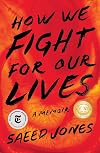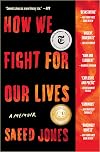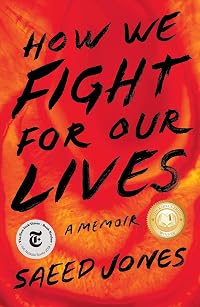
How We Fight for Our Lives: A Memoir
by Saeed Jones
On This Page
Description
"Written from the crossroads of sex, race, and power in America, How We Fight for Our Lives is a stunning coming-of-age memoir and a haunting reflection of the nation as a whole"--Tags
Recommendations
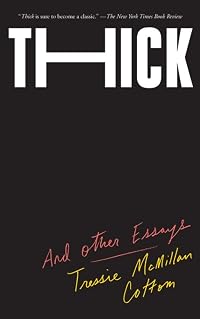
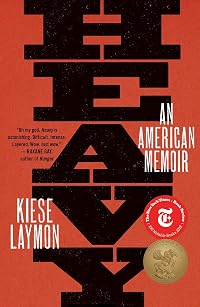
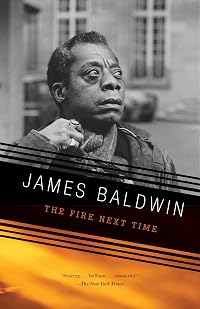
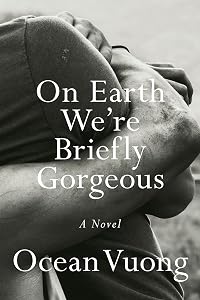
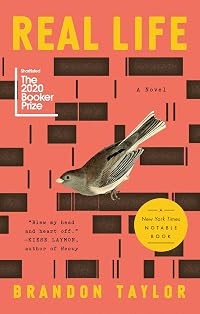
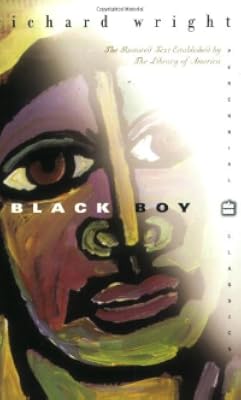
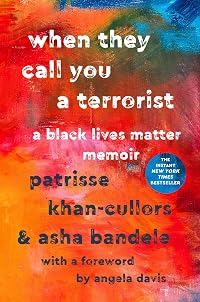
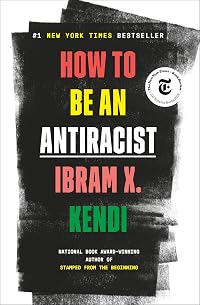
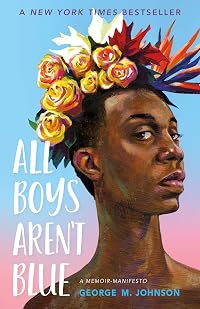
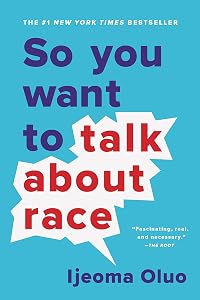
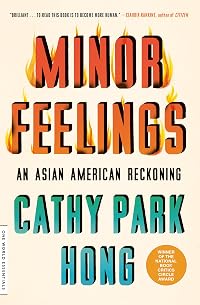
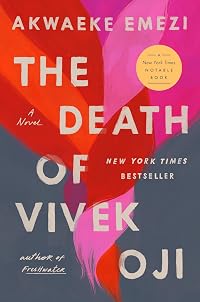
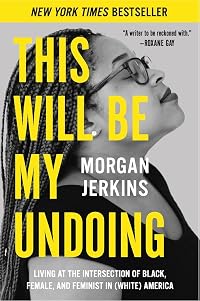
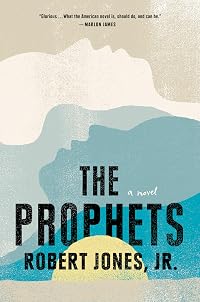
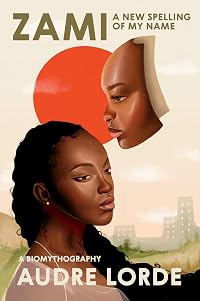
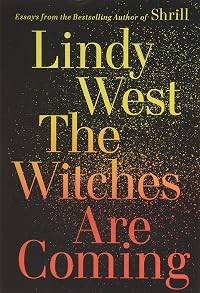

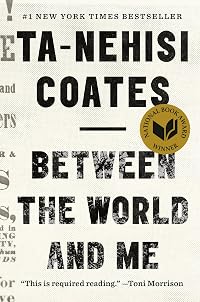
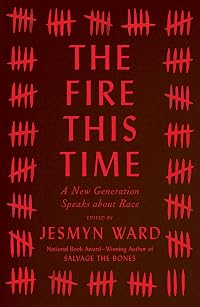
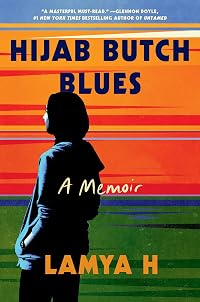
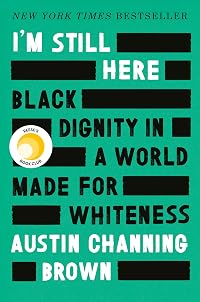
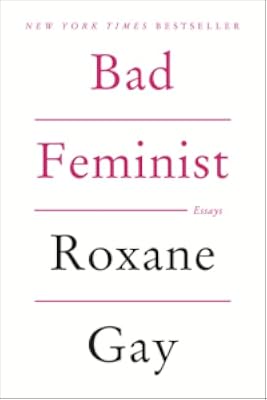
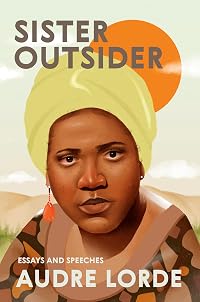
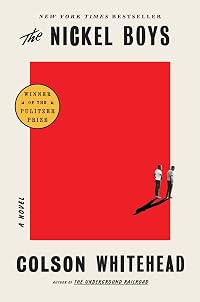
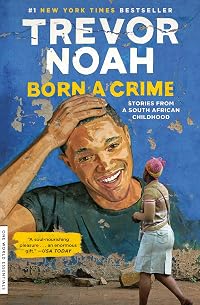
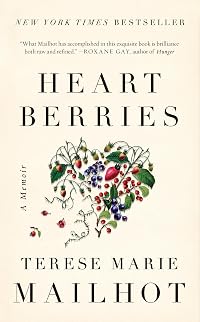
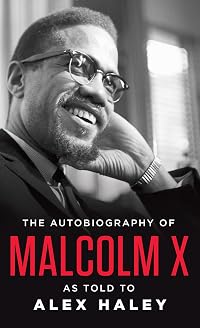
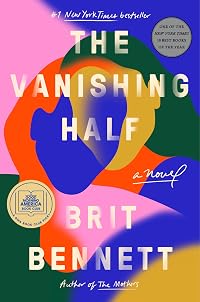
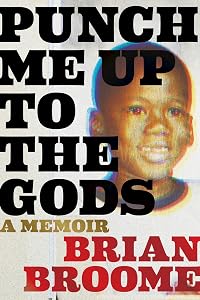
Member Recommendations
Member Reviews
"Being black can get you killed
Being gay can get you killed
Being a black gay boy is a death wish"
So Saeed Jones understands the challenges he faces as a young man. This memoir follows his evolution into adulthood coming to terms with his sexuality, race, and especially the troubled relationship with his mother. The memoir captures the extreme risks he takes to explore his sexuality. One wonders why he didn't find more satisfying partners as a young man and only hopes that this will eventually happen for him. His relationship with his mother is especially poignant as it evokes the all too common black mother struggling to raise and protect her children alone in a world that views them with hostility. Only after her death does he come to show more appreciate her importance to his development. Meeting the old woman in Barcelona is a powerful metaphor for his relationship with his mother. Memoirs written by young people can be unsatisfying reads because of the lack of a wider life experience. Certainly, this seems to be a problem here, but Saeed copes remarkably well. show less
Being gay can get you killed
Being a black gay boy is a death wish"
So Saeed Jones understands the challenges he faces as a young man. This memoir follows his evolution into adulthood coming to terms with his sexuality, race, and especially the troubled relationship with his mother. The memoir captures the extreme risks he takes to explore his sexuality. One wonders why he didn't find more satisfying partners as a young man and only hopes that this will eventually happen for him. His relationship with his mother is especially poignant as it evokes the all too common black mother struggling to raise and protect her children alone in a world that views them with hostility. Only after her death does he come to show more appreciate her importance to his development. Meeting the old woman in Barcelona is a powerful metaphor for his relationship with his mother. Memoirs written by young people can be unsatisfying reads because of the lack of a wider life experience. Certainly, this seems to be a problem here, but Saeed copes remarkably well. show less
For a memoir to rate so highly from me is unusual. Maybe the fact that it's short helped. [Most people's lives aren't so interesting to others that they merit more than 200–300 pages.]
Pro: relationships with his mother and grandmother; candid portrayal of his feelings of self-worth, how he treated himself, and how he allowed others to treat him and change him/how he interacted with them; moments of humor; commentary on systemic racism's role in his family's lives; an experience shared with an unrelated woman he met while traveling.
Content warning: There were scenes including explicit sex, violence, and sexual violence. [This made me pause in deciding whether to continue/how to rate. Ultimately, I didn't factor it into my rating. That show more is, the book would not have been a five-star book if those scenes were omitted.] show less
Pro: relationships with his mother and grandmother; candid portrayal of his feelings of self-worth, how he treated himself, and how he allowed others to treat him and change him/how he interacted with them; moments of humor; commentary on systemic racism's role in his family's lives; an experience shared with an unrelated woman he met while traveling.
Content warning: There were scenes including explicit sex, violence, and sexual violence. [This made me pause in deciding whether to continue/how to rate. Ultimately, I didn't factor it into my rating. That show more is, the book would not have been a five-star book if those scenes were omitted.] show less
What to say? It is perfect. It is both raw and polished, the language beautiful but not al all precious. A memoir of coming of age as a Gay Black boy, of becoming a man, of loving the complicated and beautiful mother who cared for him, but not herself. In the end, this is a love letter to his mother, because of her faults rather than despite them, which is not where I thought it was going.
"You never forget your first "faggot." Because the memory, in its way, makes you. It becomes the spine for the body of anxieties and insecurities that will follow, something to hang all that meat on. Before you were just scrawny; now you're scrawny because you're a faggot. Before you were just bookish; now you're bookish because you're a faggot."
"If show more standing over the unconscious body of a man who, just moments before, had tried to bash my head in is the closest I will ever come to feeling like a god, I can understand how a god might look down at mortal man and love him all the more, precisely because of his vulnerability."
"She started to pull away before I could even register whether to laugh or to chase her down with the thousand questions still on my mind. We did this to one another, shocking each other to distract both of us from an impending ache. It worked, in a sense, I just stood in the empty parking space, noticing the air was thick with the chatter of cicadas. It hadn't occurred to me how much I would miss her until she was already gone." show less
"You never forget your first "faggot." Because the memory, in its way, makes you. It becomes the spine for the body of anxieties and insecurities that will follow, something to hang all that meat on. Before you were just scrawny; now you're scrawny because you're a faggot. Before you were just bookish; now you're bookish because you're a faggot."
"If show more standing over the unconscious body of a man who, just moments before, had tried to bash my head in is the closest I will ever come to feeling like a god, I can understand how a god might look down at mortal man and love him all the more, precisely because of his vulnerability."
"She started to pull away before I could even register whether to laugh or to chase her down with the thousand questions still on my mind. We did this to one another, shocking each other to distract both of us from an impending ache. It worked, in a sense, I just stood in the empty parking space, noticing the air was thick with the chatter of cicadas. It hadn't occurred to me how much I would miss her until she was already gone." show less
A beautiful memoir, written in prose but clearly by a poet which shines through in the language, narrative voice, and how the story weaves through time and experience. It's the story of growing up and becoming oneself while gay, Black, and poor, but a "coming of age" experience that feels deeply familiar even outside these identities, in a way I don't find in most coming of age stories. A very quick read but I forced myself to slow down so I could sit with the book for more days. This book is a beautiful gift to the world!
Wow ... I didn’t know what I was expecting from this memoir but this was so much more. It’s the story of the author’s life told by navigating through important moments of his life and the ultimate thread overall is his relationship with his beloved single mother.
You can clearly see Jones is a poet because even his prose is stunningly beautiful and evocative - literally brimming with feelings like desperation, confusion, longing, fear and grief - and listening to the audiobook in his own voice brings even more life to it. I thought his particular fear about the ramifications of being both Black and gay was very palpable in his words and I could feel it myself. It really broke my heart. I was so lost in his words that I didn’t show more realize it was already over, and I just wanted to know more.
This memoir truly deserves all the accolades it’s getting across the community and I hope everyone picks this up. I’m not much of a poetry reader but I definitely wanna go back and checkout his previous award winning poetry books. show less
You can clearly see Jones is a poet because even his prose is stunningly beautiful and evocative - literally brimming with feelings like desperation, confusion, longing, fear and grief - and listening to the audiobook in his own voice brings even more life to it. I thought his particular fear about the ramifications of being both Black and gay was very palpable in his words and I could feel it myself. It really broke my heart. I was so lost in his words that I didn’t show more realize it was already over, and I just wanted to know more.
This memoir truly deserves all the accolades it’s getting across the community and I hope everyone picks this up. I’m not much of a poetry reader but I definitely wanna go back and checkout his previous award winning poetry books. show less
There's something soulless about the author until the last quarter of this small memoir. Jones' rage, anger and anxiety seem to have no source, at least not according to the history he presents. I found his self-destructive nihilism disturbing. His gift for writing is not as incandescent as I'd hoped, but in places he is quite eloquent.
How We Fight For Our Lives is a marvelous memoir written in chapters that function as individual essays. Saeed Jones tells us about growing up a gay Black boy in Texas, his relationships with his mother and grandmother, and his age of exploration as a young man in college. A coming-of-age memoir, it is also the story of his love for his mother and how she shaped him.
One of the most shocking moments in the memoir is when his grandmother takes him to church. It’s clear she has talked to the pastor, expressing her concern that her young grandson is too worldly (too gay) and asking him to pray for him. The pastor calls down illness upon his mother because her Buddhist faith is blamed for his problems. Since his mother had heart problems, show more this seemed impossibly wrong. It is not bad enough the world is against him for being Black and being gay, his family is failing him, too.
He describes this so delicately, “People don’t just happen. We sacrifice former versions of ourselves. We sacrifice the people who dared to raise us. The “I” it seems doesn’t exist until we are able to say, “I am no longer yours.” My grandmother and I, without knowing it, were faithfully following a script that had already been written for us. A woman raises a boy into a man, loving him so intensely that her commitment finally repulses him.”
Of course, your family is family and forgiveness can be found…even when people don’t ask for it.
How We Fight For Our Lives is beautifully written. Jones has a poet’s felicity with language. His writing is beautiful. At times it is brutal as when he talks about his risk-taking sexual adventures. Other times it is delicate, as in the description of what passed with his grandmother. It is always honest and blunt.
I am not a straight white woman and Jones is a gay Black man. We are biographical antipodes, but he writes so well, it does not matter. I loved his stories. I admire his compassion and his drive to succeed. He dreamed of going to New York City, but when he could not afford the tuition for NYU, he adjusted, seeking a school that gave him a full scholarship and deferring the New York dream to his postgraduate career. This is a mature man, a wise man, and he wrote a loving memoir of his family and of fighting for his life.
I received an e-galley of How We Fight For Our Lives from the publisher through NetGalley
https://tonstantweaderreviews.wordpress.com/2019/10/31/9781501132735/ show less
One of the most shocking moments in the memoir is when his grandmother takes him to church. It’s clear she has talked to the pastor, expressing her concern that her young grandson is too worldly (too gay) and asking him to pray for him. The pastor calls down illness upon his mother because her Buddhist faith is blamed for his problems. Since his mother had heart problems, show more this seemed impossibly wrong. It is not bad enough the world is against him for being Black and being gay, his family is failing him, too.
He describes this so delicately, “People don’t just happen. We sacrifice former versions of ourselves. We sacrifice the people who dared to raise us. The “I” it seems doesn’t exist until we are able to say, “I am no longer yours.” My grandmother and I, without knowing it, were faithfully following a script that had already been written for us. A woman raises a boy into a man, loving him so intensely that her commitment finally repulses him.”
Of course, your family is family and forgiveness can be found…even when people don’t ask for it.
How We Fight For Our Lives is beautifully written. Jones has a poet’s felicity with language. His writing is beautiful. At times it is brutal as when he talks about his risk-taking sexual adventures. Other times it is delicate, as in the description of what passed with his grandmother. It is always honest and blunt.
I am not a straight white woman and Jones is a gay Black man. We are biographical antipodes, but he writes so well, it does not matter. I loved his stories. I admire his compassion and his drive to succeed. He dreamed of going to New York City, but when he could not afford the tuition for NYU, he adjusted, seeking a school that gave him a full scholarship and deferring the New York dream to his postgraduate career. This is a mature man, a wise man, and he wrote a loving memoir of his family and of fighting for his life.
I received an e-galley of How We Fight For Our Lives from the publisher through NetGalley
https://tonstantweaderreviews.wordpress.com/2019/10/31/9781501132735/ show less
Members
- Recently Added By
Lists

LGBTQ Memoir/Biography
52 works; 4 members

Black Authors
382 works; 32 members

Youth: BLM
265 works; 1 member
The Best LGBTQ Nonfiction
139 works; 58 members
Author Information

5+ Works 1,119 Members
Some Editions
Awards and Honors
Awards
Distinctions
Notable Lists
Common Knowledge
- Original publication date
- 2019
- Dedication
- For Carol Jean Sweet-Jones
- Publisher's editor
- Cox, Jonathan
- Blurbers
- Gay, Roxane; James, Marlon; Woodson, Jacqueline; Laymon, Kiese
- Original language
- English
Classifications
Statistics
- Members
- 708
- Popularity
- 40,062
- Reviews
- 19
- Rating
- (4.20)
- Languages
- English, Spanish
- Media
- Paper, Audiobook, Ebook
- ISBNs
- 10
- ASINs
- 4