On This Page
Description
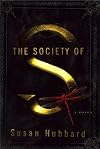
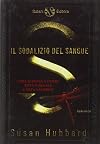
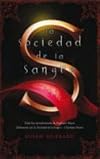
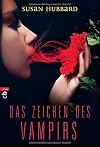
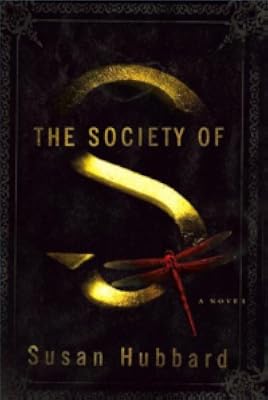
What if everything you knew about your family was a lie: What if, when the lies began to crack, beneath them lay a truth so dark and deep, yet so compelling, that it pulled you inside?Ariella Montero is seeking the true identities of her mother and father-and of herself. She's been taught literature, philosophy, science, and history, but she knows almost nothing about the real world and its complexities. Her world is one wherein ghosts and vampires commune with humans; where Edgar Allan Poe show more and Jack Kerouac are role models; where every time a puzzle seems solved, its last piece changes the entire picture.When the last piece is murder, Ari goes on the road in search of her mother, who disappeared at the time of her birth. The hunt nearly costs Ari her life, and, in finding her mother, she loses her father. But gradually she uncovers the secrets that have kept the family apart, and she begins to come to terms with her own unique nature and her chances for survival.Set in upstate New York, England, and the American South, The Society of S explodes stereotypes-of the homeschooled, vampires, monkeys, FBI agents, and academics. In this strange new world, vegetarianism, environmentalism, biomedical research, and the ability to disappear are options for those who drink blood and face the prospect of eternal life.A taut, character-driven literary mystery, The Society of S is the future of vampirism, told in a voice that will haunt you-and make you think. show lessTags
Recommendations
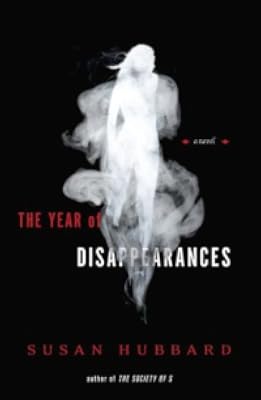
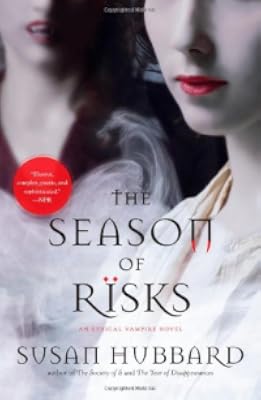
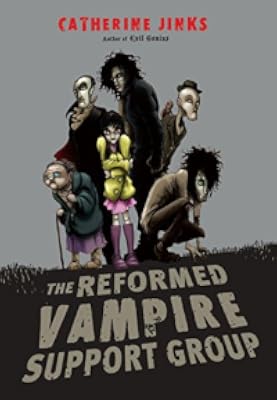
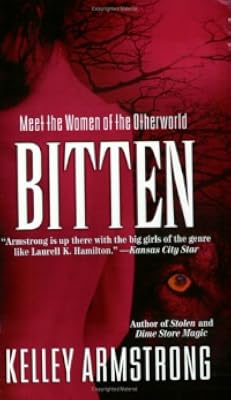
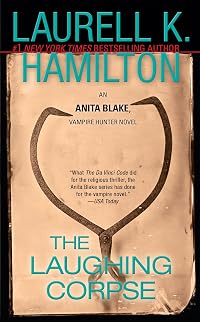
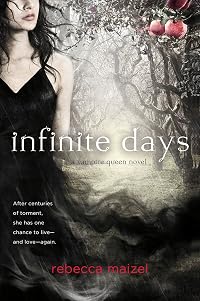
Member Recommendations
GirlMisanthrope A well-written, erudite novel about vampire society amongst humans; a novel about family all told from 13 year old Ariella, who will look 13 forever.
03
Member Reviews
I gulped down The Society of S last night in one sitting. It is very compelling and being a monstrous (heh heh) vampire fan I could not resist it. There is very little of the usual vampire business in it. Instead it is a gradual unfolding of a secret kept by a father from his daughter. Said daughter, the narrator, is an incredibly precocious thirteen and adapts to all the changes that happen in a brief period of time with implausible sangfroid. Perhaps that is the vampire nature. You will not encounter any Bram Stoker or Anne Rice vampires in this book but there are vicious acts and thoughtfulness on a par with those writers.
In the final analysis this vampire story is, I think, a metaphor for the world today. The end is a plea for all show more creatures to get along in harmony somehow. It is much more thought provoking than most vampire literature. It is also Susan Hubbard's first novel. I hope she plans more. show less
In the final analysis this vampire story is, I think, a metaphor for the world today. The end is a plea for all show more creatures to get along in harmony somehow. It is much more thought provoking than most vampire literature. It is also Susan Hubbard's first novel. I hope she plans more. show less
I'm just going to jump in here and say that I have had severe issues with most vampire books I've read (granted I haven't read that many...). I absolutely loathed Twilight (and its craptastic sequel, New Moon. Haven't ventured further than that and don't ever plan to), I hated Companions of the Night, and thought I Am Legend was just "okay". I have read an anthology of classic Victorian vampire short stories and that was pretty good, but overall, my experience has been very "meh"-like. Hence why The Society of S has been falling further and further on Mount TBR. So, I finally said "Screw it!" and decided to read it. And surprisingly enough, I kind of sorta loved it.
This is the first vampire novel that I've read that's actually show more intelligent. Most of the ones I read are just pure fluff (like the Sookie Stackhouse series which I like a bit, but don't love). Now there's absolutely nothing wrong with fluff (it's good for the soul, after all), but once in a while I like to read a smart book about monsters. I don't really care what kind. The Society of S deals heavily with science (in regards to how vampires are made and how they co-exist with us mere mortals) and also deals with the ethical dilemnas in being an "other". It wasn't all "I'm a vampire, so now what?", which I liked. Plus, the book compares Poe and in one instance Freud to the likes of the modern-day vampire, which was all types of awesome.
The Society of S is narrated by a thirteen year old girl. Most of the time I have an issue with teenagers narrating books about vampires because usually they do it in such an annoying way that I spent the whole novel rolling my eyes at these girls who give teenagers and women in general a bad name. But I actually really liked Ariella. First off, she was smart (seriously, take notes Stephenie Meyer. Not all us women are incredibly shallow, naive, and just so anti-feminist), but most importantly, her emotions seemed so real that I found myself caring about her. I also absolutely loved the parents, especially her father. I'm a complete and total sucker for a man with a dry sense of humor. There's just nothing I can do about (not that I would want to, of course).
The supporting characters were all more than adequate, except I really wanted to know more about the mysterious Root. Maybe in the next book in this series (which I'm so picking up really soon). One thing, though, was that the Big Bad wasn't really all that big. I mean, they were bad, but I didn't get the sense that Ariella was in too much danger at the beginning (or middle). Everything else was interesting enough, but I really missed the viciousness of the vampire a bit. So, I guess I want more Big Bad or a bigger Bad.
So, anyway, I highly recommend The Society of S for those who want a unique twist on vampires, but don't want them to veer so off script that you want to cry because vampires so aren't supposed to sparkle... Also, if you want something deeper than the current batch of vampire novels, then this is definitely the one you need to pick up. My faith in vampires has been restored once more (or at least until I read another crappy one that makes me want to yell and not in the "this is totally creepy and I'm fearing for my life right this minute" kind of way). show less
This is the first vampire novel that I've read that's actually show more intelligent. Most of the ones I read are just pure fluff (like the Sookie Stackhouse series which I like a bit, but don't love). Now there's absolutely nothing wrong with fluff (it's good for the soul, after all), but once in a while I like to read a smart book about monsters. I don't really care what kind. The Society of S deals heavily with science (in regards to how vampires are made and how they co-exist with us mere mortals) and also deals with the ethical dilemnas in being an "other". It wasn't all "I'm a vampire, so now what?", which I liked. Plus, the book compares Poe and in one instance Freud to the likes of the modern-day vampire, which was all types of awesome.
The Society of S is narrated by a thirteen year old girl. Most of the time I have an issue with teenagers narrating books about vampires because usually they do it in such an annoying way that I spent the whole novel rolling my eyes at these girls who give teenagers and women in general a bad name. But I actually really liked Ariella. First off, she was smart (seriously, take notes Stephenie Meyer. Not all us women are incredibly shallow, naive, and just so anti-feminist), but most importantly, her emotions seemed so real that I found myself caring about her. I also absolutely loved the parents, especially her father. I'm a complete and total sucker for a man with a dry sense of humor. There's just nothing I can do about (not that I would want to, of course).
The supporting characters were all more than adequate, except I really wanted to know more about the mysterious Root. Maybe in the next book in this series (which I'm so picking up really soon). One thing, though, was that the Big Bad wasn't really all that big. I mean, they were bad, but I didn't get the sense that Ariella was in too much danger at the beginning (or middle). Everything else was interesting enough, but I really missed the viciousness of the vampire a bit. So, I guess I want more Big Bad or a bigger Bad.
So, anyway, I highly recommend The Society of S for those who want a unique twist on vampires, but don't want them to veer so off script that you want to cry because vampires so aren't supposed to sparkle... Also, if you want something deeper than the current batch of vampire novels, then this is definitely the one you need to pick up. My faith in vampires has been restored once more (or at least until I read another crappy one that makes me want to yell and not in the "this is totally creepy and I'm fearing for my life right this minute" kind of way). show less
In a surprising deviation from conventional vampire lore, Susan Hubbard has created a coming of age novel that is elegantly written and lingers long after the last page has turned. But if readers are expecting the typical tale of lusty vampires mired in melancholia, then the unraveling journey of young Ariella Montero might prove a bit tame.
The Society of S evolves meticulously to chronicle the quest of 13-year-old Ariella who endeavors to solve the mystery surrounding the disappearance of her mother. But every clue brings her closer to discovering her own true nature-an identity that her father has strangely suppressed.
Issues begin to plague her beyond normal teenage angst-why is her mirror image always skewed? Why can't her father show more be photographed? Why is she always anemic? Who is watching her in the shadows? What is going on in the basement with her father's research with Seradrone? Something is churning in the depths of her that she doesn't recognize-something not entirely human. And it wants out.
As these permutations unveil in their gloomy Saratoga Springs manse, her research scientist father observes the ultimate experiment in his daughter, with a curious detached fascination-determined that nature take its course without interference. Has he begat a predator, a distinctive "other", or an ordinary mortal?
Hubbard cautiously skirts around the issue, as if not ready to let go of the secret of Ariella and her father. There is no exclamatory "a ha!" once the secret is revealed. Strangely devoid of the passion that makes vampire mythology so enticing, Hubbard engages in subtlety. There are no vampires morphing into bats, or lashing out in dramatic fights with antique Valenciennes lace at their necks.
While it may not be a "Hollywood" or "Bram Stoker" vision, or even resemble anything closely to Anne Rice, the Society of S begs to challenge the reader by analyzing what it means to be immortal through the eyes of literature. Clearly the pursuit of knowledge is the theme throughout the book and a worthy occupation for the undead.
Readers will be strangely riveted by Hubbard's take on the modern vampire, despite the apparent mundane suburban feel within the fabric of the plot. But the novel captures an indefinable something that makes it appealing as well. Worth the read to discover that the journey is just as important as the destination.Copyright(c)Nicola Mattos show less
The Society of S evolves meticulously to chronicle the quest of 13-year-old Ariella who endeavors to solve the mystery surrounding the disappearance of her mother. But every clue brings her closer to discovering her own true nature-an identity that her father has strangely suppressed.
Issues begin to plague her beyond normal teenage angst-why is her mirror image always skewed? Why can't her father show more be photographed? Why is she always anemic? Who is watching her in the shadows? What is going on in the basement with her father's research with Seradrone? Something is churning in the depths of her that she doesn't recognize-something not entirely human. And it wants out.
As these permutations unveil in their gloomy Saratoga Springs manse, her research scientist father observes the ultimate experiment in his daughter, with a curious detached fascination-determined that nature take its course without interference. Has he begat a predator, a distinctive "other", or an ordinary mortal?
Hubbard cautiously skirts around the issue, as if not ready to let go of the secret of Ariella and her father. There is no exclamatory "a ha!" once the secret is revealed. Strangely devoid of the passion that makes vampire mythology so enticing, Hubbard engages in subtlety. There are no vampires morphing into bats, or lashing out in dramatic fights with antique Valenciennes lace at their necks.
While it may not be a "Hollywood" or "Bram Stoker" vision, or even resemble anything closely to Anne Rice, the Society of S begs to challenge the reader by analyzing what it means to be immortal through the eyes of literature. Clearly the pursuit of knowledge is the theme throughout the book and a worthy occupation for the undead.
Readers will be strangely riveted by Hubbard's take on the modern vampire, despite the apparent mundane suburban feel within the fabric of the plot. But the novel captures an indefinable something that makes it appealing as well. Worth the read to discover that the journey is just as important as the destination.Copyright(c)Nicola Mattos show less
It isn’t until homeschooled twelve-year-old Ari makes her first real-friend that she realizes that there’s something strange about her father. Being raised as an only child in a single-parent home, and living a very sheltered life, has led to Ari being educated in Edgar Allen Poe, not in pop culture. So when she sees her first vampire movie, things start to click. Soon she discovers the truth – her father is a vampire, her mother is a human, and she may or may not be a vampire.
In a search for the truth about her mother, and what happened between her parents, Ari leaves home one day and starts on a road trip that will take her to her mother’s doorstep, with a few stops along the way, including the emergence of Ari’s own show more vampirism.
The Review
This book was on my TBR list since it first came out, and yet I was a little bit afraid to read it because of how much vampires got unvampirized in the past few years. For The Society of S, on one hand, there is still the thick gothic atmosphere that I love about Dracula but the vampires aren’t scary monsters in it – they’re sympathetic creatures and aren’t much different than humans.
I loved everything about this book while I was reading it, but the more I think about it the more I can pick out a few things that I didn’t particularly enjoy. I think that is the beauty of Hubbard’s writing in this book (can’t say about all her books, as this is the only one I’ve read so far) – it is so gorgeous and lyrical that I’m more interested in the actual act of reading than I am with what’s going on in the book. Her writing is amazing and I would gladly read anything else that she’s written if her writing style is even a fraction as enjoyable as it was in this book.
The Society of S was part gothic novel and part coming of age story – both of which I typically love, so I was thrilled that this book had a little bit of both going on. Ari’s self-discovery, and her realization of who she is and what her family is, is thoroughly enjoyable to witness. She grows so much through the book that it’s hard, thinking back now, to realize that she’s the same character at the beginning that she is at the end… even though she changed very gradually through the book.
And yay gothic feeling of the book! But it was strange – the gothic feeling in this book seemed to disappear pretty much as soon as Ari reached Florida. Looking back, this is disappointing, but while reading it I didn’t notice too much at all.
The one thing that really bothered me while actually reading it, though, was the epilogue. Oh, how I do not enjoy epilogues, and this one is no exception. Would’ve worked better just leaving the book at the end of the last chapter – there was closure, so I don’t know what the point of it was. Bother.
The Bottom Line
But as mentioned, I thoroughly enjoyed the book while actually reading it (except for the epilogue). I loved the little bit of mystery that was thrown in, I loved the feeling of Ari’s family house, I loved Ari’s self-discovery. It was quite good, and I would definitely highly recommend this to non-romantic-vampire fans. And I’m definitely going to be on the look-out for other books by Hubbard. show less
In a search for the truth about her mother, and what happened between her parents, Ari leaves home one day and starts on a road trip that will take her to her mother’s doorstep, with a few stops along the way, including the emergence of Ari’s own show more vampirism.
The Review
This book was on my TBR list since it first came out, and yet I was a little bit afraid to read it because of how much vampires got unvampirized in the past few years. For The Society of S, on one hand, there is still the thick gothic atmosphere that I love about Dracula but the vampires aren’t scary monsters in it – they’re sympathetic creatures and aren’t much different than humans.
I loved everything about this book while I was reading it, but the more I think about it the more I can pick out a few things that I didn’t particularly enjoy. I think that is the beauty of Hubbard’s writing in this book (can’t say about all her books, as this is the only one I’ve read so far) – it is so gorgeous and lyrical that I’m more interested in the actual act of reading than I am with what’s going on in the book. Her writing is amazing and I would gladly read anything else that she’s written if her writing style is even a fraction as enjoyable as it was in this book.
The Society of S was part gothic novel and part coming of age story – both of which I typically love, so I was thrilled that this book had a little bit of both going on. Ari’s self-discovery, and her realization of who she is and what her family is, is thoroughly enjoyable to witness. She grows so much through the book that it’s hard, thinking back now, to realize that she’s the same character at the beginning that she is at the end… even though she changed very gradually through the book.
And yay gothic feeling of the book! But it was strange – the gothic feeling in this book seemed to disappear pretty much as soon as Ari reached Florida. Looking back, this is disappointing, but while reading it I didn’t notice too much at all.
The one thing that really bothered me while actually reading it, though, was the epilogue. Oh, how I do not enjoy epilogues, and this one is no exception. Would’ve worked better just leaving the book at the end of the last chapter – there was closure, so I don’t know what the point of it was. Bother.
The Bottom Line
But as mentioned, I thoroughly enjoyed the book while actually reading it (except for the epilogue). I loved the little bit of mystery that was thrown in, I loved the feeling of Ari’s family house, I loved Ari’s self-discovery. It was quite good, and I would definitely highly recommend this to non-romantic-vampire fans. And I’m definitely going to be on the look-out for other books by Hubbard. show less
Intellectually provocative and absolutely addictive, Susan Hubbard's The Society of S is an intelligent work of fiction that entertains and stimulates the senses! A modern thriller that brilliantly combines an ingenious and intricately layered plot with a haunting portrait of a young girl faced with the realization that everything she knows about her family is a well fabricated lie.
A beautiful, Victorian mansion, in the heart of Saratoga Spings, New York is home to Ariella Montero and her over-protective, eccentric father. Ariella had been content living in semi-seclusion until she was exposed to life outside the mansion by the housekeeper. As Arie's friendship with the housekeeper's daughter grows, so also do the questions about her show more life and her place in it. The deeper she delves into her family history she discovers everything she held as truth to be lies. Her father was a vampire, her mother, a mortal...what did this mean? Disappearing after Arie was born, her mother had taken the answers she so desperately needed with her and now Arie had to find her. We follow the young Arie as she journeys throughout the south trying to put this new information about the Society of S into perspective within the confines of her own life. These are not typical vampires, they are seamlessly integrated into mainstream life, day walkers, that are as comfortable with vitamin tonics as the historic counterparts were with sinking fangs into flesh.
While twisting the plot into great knots of emotional complexity, Hubbard has crafted a perfect mix of fascinating detail and provocative dilemma. The lyrical voice utilized throughout adds an exceptional quality to this beautifully written, coming of age story that goes inside the questions that have plagued humanity since the dawn of the world. Hubbard explores these with a refreshing eye for detail and patiently allows the character to fulfill her destiny without rushing the story, nor dragging it out with unnecessary wording. Gorgeous settings immerse the reader in a three dimensional environment, populated by believable, well rounded characters that are filled with the emotion and passion that makes mythology so enticing. The indefinable quality within Hubbard's writing that gives it that extra special zing is simply the fluidity with which the characters interact and how easily the reader becomes a part of their world. Ariella's pursuit of knowledge captures the imagination on a basic human level and takes us on a riveting journey that remains in the heart and mind of the reader long after the book has been closed.
This is a wonderful book, don't miss it! The characters and the story have been shaped with just enough mystery in the clues to allow for a sequel! I hope for at least one more installment from Hubbard revolving around these characters.
Happy Reading!
- RJ show less
A beautiful, Victorian mansion, in the heart of Saratoga Spings, New York is home to Ariella Montero and her over-protective, eccentric father. Ariella had been content living in semi-seclusion until she was exposed to life outside the mansion by the housekeeper. As Arie's friendship with the housekeeper's daughter grows, so also do the questions about her show more life and her place in it. The deeper she delves into her family history she discovers everything she held as truth to be lies. Her father was a vampire, her mother, a mortal...what did this mean? Disappearing after Arie was born, her mother had taken the answers she so desperately needed with her and now Arie had to find her. We follow the young Arie as she journeys throughout the south trying to put this new information about the Society of S into perspective within the confines of her own life. These are not typical vampires, they are seamlessly integrated into mainstream life, day walkers, that are as comfortable with vitamin tonics as the historic counterparts were with sinking fangs into flesh.
While twisting the plot into great knots of emotional complexity, Hubbard has crafted a perfect mix of fascinating detail and provocative dilemma. The lyrical voice utilized throughout adds an exceptional quality to this beautifully written, coming of age story that goes inside the questions that have plagued humanity since the dawn of the world. Hubbard explores these with a refreshing eye for detail and patiently allows the character to fulfill her destiny without rushing the story, nor dragging it out with unnecessary wording. Gorgeous settings immerse the reader in a three dimensional environment, populated by believable, well rounded characters that are filled with the emotion and passion that makes mythology so enticing. The indefinable quality within Hubbard's writing that gives it that extra special zing is simply the fluidity with which the characters interact and how easily the reader becomes a part of their world. Ariella's pursuit of knowledge captures the imagination on a basic human level and takes us on a riveting journey that remains in the heart and mind of the reader long after the book has been closed.
This is a wonderful book, don't miss it! The characters and the story have been shaped with just enough mystery in the clues to allow for a sequel! I hope for at least one more installment from Hubbard revolving around these characters.
Happy Reading!
- RJ show less
This is an unusual book. On one hand its very well written with interesting characters and an interesting premise about vampires. On the other hand, its pretentious, with the main character(a 13 year old girl) able to critique Edgar Allan Poe and understand multiple languages.
I liked the book. But, it almost felt like this was a book written to discuss destiny vs free will. Right from wrong, with big ideas that left the characters acting as caricatures, rather than actual people.
One thing, read this if you like your vampires as humans with a problem rather than blood thirsty monsters.
I liked the book. But, it almost felt like this was a book written to discuss destiny vs free will. Right from wrong, with big ideas that left the characters acting as caricatures, rather than actual people.
One thing, read this if you like your vampires as humans with a problem rather than blood thirsty monsters.
I admit it. I have a soft spot for vampire lore. Sadly, the Twilight books are not my cup of tea (the wolf boy sub-plot did not intrigue me), so I was extra pleased to find another coming of age vampire series: Susan Hubbard's Society of S.
In Hubbard's world vampires live among us. They're sensitive to sun, but not necessarily flammable; they can't fly; crosses and holy water don't harm them, and a stake through the heart does not turn them to dust. Some have even divided into a sect of ecologically minded, morally obligated creatures -- synthesetes who see in color and communicate with animals.
There are even warm, kind, and loving vamps. Who knew?
Ari, the fourteen year old narrator, lives a secluded life with her father. She's a home show more schooled vegetarian with a missing mother and the suspicion her dad might be a creature of the night (how boring the book would be if her instincts were wrong!). It's creepy, sexy, fun (and fast)! The abrupt ending would have frustrated me to no end if the second book in the series wasn't already available. Now I just need to find a libray who carries it. Recommended to anyone who crushed on Lestat, Spike or Angel, and is still in touch with their inner reader.**
**Your inner reader is the part of you who falls in love with books the way you did when you were a kid: largely oblivious to the pressures of a job, family, reality, or the books you're supposed to be reading as opposed to the ones you feel like reading. Your inner reader is also willing to read books you would have loved when you were younger, and embrace them for the love that could have been and kinda is. show less
In Hubbard's world vampires live among us. They're sensitive to sun, but not necessarily flammable; they can't fly; crosses and holy water don't harm them, and a stake through the heart does not turn them to dust. Some have even divided into a sect of ecologically minded, morally obligated creatures -- synthesetes who see in color and communicate with animals.
There are even warm, kind, and loving vamps. Who knew?
Ari, the fourteen year old narrator, lives a secluded life with her father. She's a home show more schooled vegetarian with a missing mother and the suspicion her dad might be a creature of the night (how boring the book would be if her instincts were wrong!). It's creepy, sexy, fun (and fast)! The abrupt ending would have frustrated me to no end if the second book in the series wasn't already available. Now I just need to find a libray who carries it. Recommended to anyone who crushed on Lestat, Spike or Angel, and is still in touch with their inner reader.**
**Your inner reader is the part of you who falls in love with books the way you did when you were a kid: largely oblivious to the pressures of a job, family, reality, or the books you're supposed to be reading as opposed to the ones you feel like reading. Your inner reader is also willing to read books you would have loved when you were younger, and embrace them for the love that could have been and kinda is. show less
Members
- Recently Added By
Lists

Vampires: A Biteography
85 works; 5 members
Author Information

14 Works 1,132 Members
Series

Common Knowledge
- Original title
- The Society of S
- Alternate titles
- The Sanguinist's Daughter: The Ethical Vampire (1) (1)
- Original publication date
- 2007
- People/Characters
- Ariella Montero
- Epigraph
- "Just as God is the supremely good creator of good natures, so he is the most just ruler of evil wills, so that even though evil wills make an evil use of good natures, God makes a good use of evil wills." -St. Augustine, The... (show all) City of God, XI, 17
"For that which was not--for that which had no form--for that which had no thought--for that which had no sentience--for that which was soulless, yet of which matter formed no portion--for all this nothingness, yet for all th... (show all)is immortality, the grave was still a home, and the corrosive hours, co-mates." -Edgar Allan Poe, The Colloquy of Monos and Una
"Yet a little while is the ligth with you. Walk while ye have the light, lest darkness come upon you: for he that walketh in darkness knows not whither he goeth. While ye have light, believe in the light, that ye may be the c... (show all)hildren of light." -John 12:35 - Dedication
- To R
- First words
- On a cool spring night in Savannah, my mother is walking.
- Last words
- (Click to show. Warning: May contain spoilers.)Will there someday be a sanctuary for us?
- Blurbers
- Baxter, Charles; Barthelme, Frederick; O'Nan, Stewart
Classifications
Statistics
- Members
- 716
- Popularity
- 39,560
- Reviews
- 45
- Rating
- (3.46)
- Languages
- 7 — Chinese, English, French, German, Italian, Portuguese, Spanish
- Media
- Paper, Audiobook, Ebook
- ISBNs
- 26
- UPCs
- 1
- ASINs
- 7