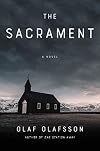
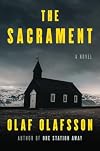
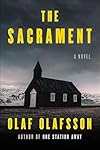
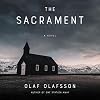
The Sacrament
by Olaf Olafsson
On This Page
Description
The haunting, vivid story of a nun whose past returns to her in unexpected ways, all while investigating a mysterious death and a series of harrowing abuse claims A young nun is sent by the Vatican to investigate allegations of misconduct at a Catholic school in Iceland. During her time there, on a gray winter's day, a young student at the school watches the school's headmaster, Father August Franz, fall to his death from the church tower. Two decades later, the child--now a grown man, show more haunted by the past--calls the nun back to the scene of the crime. Seeking peace and calm in her twilight years at a convent in France, she has no choice to make a trip to Iceland again, a trip that brings her former visit, as well as her years as a young woman in Paris, powerfully and sometimes painfully to life. In Paris, she met an Icelandic girl who she has not seen since, but whose acquaintance changed her life, a relationship she relives all while reckoning with the mystery of August Franz's death and the abuses of power that may have brought it on. In The Sacrament, critically acclaimed novelist Olaf Olafsson looks deeply at the complexity of our past lives and selves; the faulty nature of memory; and the indelible mark left by the joys and traumas of youth. Affecting and beautifully observed, The Sacrament is both propulsively told and poignantly written--tinged with the tragedy of life's regrets but also moved by the possibilities of redemption, a new work from a novelist who consistently surprises and challenges. show lessTags
Recommendations
























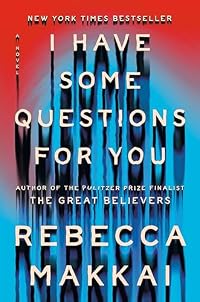

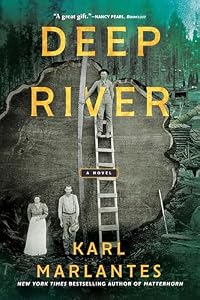

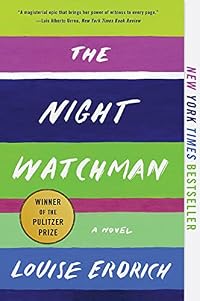

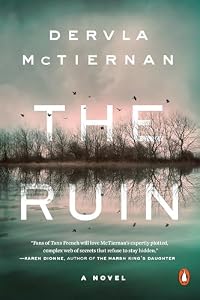





Member Recommendations
Member Reviews
Getting older, learning to live with the past, standing on the rocks of the walls you've crashed through and those you've tried to build, is a bear. You can't tell anyone younger what it means and anyone you know your own age not only knows but is busily trying to tidy the dust off their scratched, bloody feet.
When what you've seen, felt, done no longer matters to anyone but you...polite avowals of interest are never to be presumed upon...then Life can't take anything else from you and your fears just melt. Sad, isn't it, that the murder hornets whose wings only flap when they have a head of rage built up, never just...leave it. Their stings don't land; their rage grows. The worst has already happened, and a surprising number of people show more have learned from their own lives that the loud, angry buzz of Being Right heralds nothing but unpleasant tasting and smelling poison.
There is an amazing sweetness in indifference. Court it.
Favorite quotes:
When what you've seen, felt, done no longer matters to anyone but you...polite avowals of interest are never to be presumed upon...then Life can't take anything else from you and your fears just melt. Sad, isn't it, that the murder hornets whose wings only flap when they have a head of rage built up, never just...leave it. Their stings don't land; their rage grows. The worst has already happened, and a surprising number of people show more have learned from their own lives that the loud, angry buzz of Being Right heralds nothing but unpleasant tasting and smelling poison.
There is an amazing sweetness in indifference. Court it.
Favorite quotes:
The path to truth lies amid the long winding passageways of the soul, where fear and hope do battle with each other.show less
–and–
It is not difficult to show kindness to those we love, or even to strangers who might be in distress; it is easy to show relative consideration. The real test comes when we must forgive those who have done us harm, show love to our enemy. It is a test of our faith, our strength of mind.
–and–
I regret nothing. Was I talking to her or to myself—or to you, who watch over us without mercy, waiting for us to sin? Was I comforting myself or declaring war on you? Who knows? And nor should you, I said, and walked out.
Icelandic author Olaf Olafsson makes reading his novels a challenge, as in “Touch,” a book that wowed me a couple of years ago. In “The Sacrament” (2019), an earlier novel, there is more of the same. Time jumps around, so the reader is never sure what is happening now and what happened way back when. Quotation marks are used sparingly. Much of the narrative is obscure.
Yet Olafsson proves worth the trouble.
Sister Johanna Marie, a French nun, is sent back to Iceland for a second time, two decades after her first visit, to conduct another investigation. Her main qualification as an investigator seems to be that she learned the Icelandic languages from her Icelandic roommate, Halla, when she was in college.
Because Catholic priests show more and nuns are not allowed to marry, the priesthood sometimes draws homosexual men, partly the reason for the problem the church has had with priests and choir boys. And this is why Johanna is sent as an investigator to Iceland. But does a nun's life also attract lesbians? This is true in Johanna's case, and each time she visits Iceland she has Halla on her mind.
Will she and Halla reunite? That is but one of the novel's mysteries. Also, will misbehaving priests ever face justice? Why did a priest fall to his death from a bell tower during Johanna's first trip to Iceland? And what happened to the boy she rescued from a locked closet?
Olafsson's novels may be puzzles, but they are a joy to solve. show less
Yet Olafsson proves worth the trouble.
Sister Johanna Marie, a French nun, is sent back to Iceland for a second time, two decades after her first visit, to conduct another investigation. Her main qualification as an investigator seems to be that she learned the Icelandic languages from her Icelandic roommate, Halla, when she was in college.
Because Catholic priests show more and nuns are not allowed to marry, the priesthood sometimes draws homosexual men, partly the reason for the problem the church has had with priests and choir boys. And this is why Johanna is sent as an investigator to Iceland. But does a nun's life also attract lesbians? This is true in Johanna's case, and each time she visits Iceland she has Halla on her mind.
Will she and Halla reunite? That is but one of the novel's mysteries. Also, will misbehaving priests ever face justice? Why did a priest fall to his death from a bell tower during Johanna's first trip to Iceland? And what happened to the boy she rescued from a locked closet?
Olafsson's novels may be puzzles, but they are a joy to solve. show less
Intense Nordic drama!
A boy locked in a school's broom closet views something strange out of the window.
A Catholic nun whose locked away her own secrets, including the reasons for her not quite belonging despite her best efforts. Her sense of humor, her attachment to her dog George Harrison and her rose garden don't quite still her heart. The persuasive church hierarchy who don't want to know. Cardinal Raffin, a sly holder of Sister Joanna Marie's life from before. He thinks that sending a nun with secrets can be controlled to investigate a school where abuse charges have been made. That this will suffice.
Sister Joanna is sent not once but twice, in her forties and then twenty years later to investigate complaints about the church show more school.
The major part of the novel, is set in Reykjavík, Iceland. How Sister Joanna comes to speak Icelandic is another story that we glimpse as Joanna recalls her time at the Sorbonne as she waits in Paris for her evening flight. Later we come to know more details.
I felt like I was constantly in an ice storm reading this, not quite knowing which way was up, but aware of danger. The clues are just beyond reach, almost. I often felt overwhelmed by Joanna's powerlessness in the face of the church hierarchy. I felt the weight of her secrets. I lived the consequences of both her indecisions and her decisions.
The ending was a surprise and yet not really. The story looks at the interweaving of the past and present, of how small vacillations, even non action can effect the future. That I am forced to reflect on all that goes on long after I finished reading further commends this story by Olafsson to me. At its heart it is dark and yet the light enters, just in rather different ways.
A HarperCollins ARC via NetGalley show less
A boy locked in a school's broom closet views something strange out of the window.
A Catholic nun whose locked away her own secrets, including the reasons for her not quite belonging despite her best efforts. Her sense of humor, her attachment to her dog George Harrison and her rose garden don't quite still her heart. The persuasive church hierarchy who don't want to know. Cardinal Raffin, a sly holder of Sister Joanna Marie's life from before. He thinks that sending a nun with secrets can be controlled to investigate a school where abuse charges have been made. That this will suffice.
Sister Joanna is sent not once but twice, in her forties and then twenty years later to investigate complaints about the church show more school.
The major part of the novel, is set in Reykjavík, Iceland. How Sister Joanna comes to speak Icelandic is another story that we glimpse as Joanna recalls her time at the Sorbonne as she waits in Paris for her evening flight. Later we come to know more details.
I felt like I was constantly in an ice storm reading this, not quite knowing which way was up, but aware of danger. The clues are just beyond reach, almost. I often felt overwhelmed by Joanna's powerlessness in the face of the church hierarchy. I felt the weight of her secrets. I lived the consequences of both her indecisions and her decisions.
The ending was a surprise and yet not really. The story looks at the interweaving of the past and present, of how small vacillations, even non action can effect the future. That I am forced to reflect on all that goes on long after I finished reading further commends this story by Olafsson to me. At its heart it is dark and yet the light enters, just in rather different ways.
A HarperCollins ARC via NetGalley show less
Now retired and tending roses at a rural convent in France, Sister Joanna Marie receives a request from her superiors that she go to Iceland and speak to a young man there who has specifically requested to speak to her. More than twenty years before, the church had received an anonymous letter from someone in the same parish which alleged abuse in the parish school, and Sister Joanna Marie, who speaks Icelandic, was sent there to quietly investigate the charges and report back. During that time she was there, a parish priest, the overseer of the school, fell to his death from a bell tower. The young man now in the present requesting to speak to her was a child she met during that delicate investigation.
In the present storyline the show more Sister is making her way to the airport and while in Paris she takes a walk around the Sorbonne indulging herself in mixed memories of her college years there in the late 1960s. It was her beloved roommate, who was Icelandic, who had taught her the language. A second storyline in the 1980s chronicles her trip to Iceland to investigate the allegations.
Iceland interests me and I was there in 2010 to satisfy my curiosity (reading about it turned out not to be enough). Tthe inner life of a nun is not something I would expect to be particularly interested in, but the idea of the Catholics in Iceland (and why not?) and the hint of mystery fascinated me. Narrated in the first person by Sister Joanna, the book is her story, her viewpoint, not only of a sensitive and difficult investigation, but of her life generally; the regrets, the choices made, the idea of redemption. The story, a strangely affecting mix of this personal reflection and mystery pulled me in from the first pages and very unexpectedly kept me in its grip until that last page was turned.
Note: The dog is named George Harrison, the car was named Jesus. show less
In the present storyline the show more Sister is making her way to the airport and while in Paris she takes a walk around the Sorbonne indulging herself in mixed memories of her college years there in the late 1960s. It was her beloved roommate, who was Icelandic, who had taught her the language. A second storyline in the 1980s chronicles her trip to Iceland to investigate the allegations.
Iceland interests me and I was there in 2010 to satisfy my curiosity (reading about it turned out not to be enough). Tthe inner life of a nun is not something I would expect to be particularly interested in, but the idea of the Catholics in Iceland (and why not?) and the hint of mystery fascinated me. Narrated in the first person by Sister Joanna, the book is her story, her viewpoint, not only of a sensitive and difficult investigation, but of her life generally; the regrets, the choices made, the idea of redemption. The story, a strangely affecting mix of this personal reflection and mystery pulled me in from the first pages and very unexpectedly kept me in its grip until that last page was turned.
Note: The dog is named George Harrison, the car was named Jesus. show less
While I tend to avoid overtly religious novels, I specifically chose this one because I do enjoy the torture that is Scandanavian novels and I was curious about what the mystery of the nun’s past could be. I was not disappointed, and the story only confirmed my antipathy towards the Catholic Church. As dark as this one is, I would highly recommend it to others and can see it spurring some fascinating discussions.
What do brilliant, prepossessing people and (their) literature have in common? Both are able to change the minds and hearts of people. The Sacrament by Olaf Olafsson did no less than that for me.
This is even more surprising as I generally have a hard time identifying myself with a protagonist whose orientation and character is virtually diametrically opposite to my own. Although Olaf Olafsson’s Sister Joanna is such a character, I find myself thoroughly intrigued, again. When in the sparse, unadorned prose of the author - Olafsson manages here the so sought-after but not often acquired casual effectiveness of a great literary writer - Sister Joanna opens to us her emotional life, her joys and preoccupations, I am hooked. show more Women, men, old, young or undead, straight or gay, this author manages to connect us, to understand each other through those poignant strands that weave together into that we call human condition. What is the definition of great literature? Exactly that – in my humble opinion.
Excerpt: “Batman would save him, just as he had so often in the past, and together they would set off on an adventure, down streets and alleyways, to the harbor and out over the city—ready to assist anyone who might be in distress. The boy held his breath as his friend took to the air. Bracing his elbows on the sill, he lifted himself up to watch the dark figure swoop down from the tower, wings flapping. For a moment, he felt a surge of hope, as well as the thrill of confirmation, for he had always feared that Batman existed only in his comic books and his imagination. But then, in the blink of an eye, his hopes were dashed, as his hero's wings appeared to falter, and he flipped over and plummeted, landing on the turf with a dull thud.”
In a perverse case of inverted dramatic irony, through the eyes of a young boy, we witness a priest tumbling to his death from a church tower but are not told by the narrator, Sister Joanna, as to the role she plays in the incident. Initiated by this terrible incident, we are treated to a solid yet imaginative plotline told from Sister Joanna’s perspective reminiscent of a duel between the past and present as she tells her story flailing and riposting back and forth through time. What makes it even more enticing is the boy’s suffering at the hands of an overzealous, self-righteous mother superior and the convent school’s headmaster remain shrouded and shadowy not only to the protagonist but also to the reader until the last chapter when said boy had grown to be a man.
In the meantime, Sister Joanna shares with the reader her first realizations of her “otherness” and the alienation this brought with it in a time when being “straight” was the only sexual orientation accepted. Growing up in the 1960s as Pauline, the young woman was barred from asking straightforward questions which were taboo in a typical family of the time when same-sex love was by law considered criminal. In an attempt to understand her own feelings, Pauline attempts to understand her “otherness” by reading all the books she can find on the then closeted subject. When she meets a young Islandic woman in Paris, a beautiful love story develops which Pauline eventually feels forced to sacrifice on the altar of social acceptability. Pressured into social conformity, she feels the only way out of “sin” is for her to isolate herself in a cloister, become Sister Joanna and have faith in God who will let her overcome her “sin against humanity and God”.
But the past leaves indelible marks on us, and it certainly does not remain at rest, so when 20 years later Sister Joanna reflects on “both the alleys of joy and the furrows of despair she was allowed to walk through the grace of God” an anonymous letter forces her to confront the past, once more. I will leave it at that as this ought to be a review not to be a spoiler masked as a summary.
This reader then brings to the point Olafsson assertion with the following aphorism: “The past never returns – it doesn’t have to for it never leaves.”
Literary devices such as flashbacks, memories and the steps we take to deal with them are the salt of any writer worth his craft but Olaf Olafsson shows us in his subtle yet so brilliant ways how subjective our memory really is. It is not the factual past that influences and affects our present condition, rather it is our take on it, which is in turn dictated to us by our memories – as faulty and incomplete as they often are. In the end, this reader is left to wonder: What is the true nature of my faith when I cannot even trust my own memory and by extension my own past. show less
This is even more surprising as I generally have a hard time identifying myself with a protagonist whose orientation and character is virtually diametrically opposite to my own. Although Olaf Olafsson’s Sister Joanna is such a character, I find myself thoroughly intrigued, again. When in the sparse, unadorned prose of the author - Olafsson manages here the so sought-after but not often acquired casual effectiveness of a great literary writer - Sister Joanna opens to us her emotional life, her joys and preoccupations, I am hooked. show more Women, men, old, young or undead, straight or gay, this author manages to connect us, to understand each other through those poignant strands that weave together into that we call human condition. What is the definition of great literature? Exactly that – in my humble opinion.
Excerpt: “Batman would save him, just as he had so often in the past, and together they would set off on an adventure, down streets and alleyways, to the harbor and out over the city—ready to assist anyone who might be in distress. The boy held his breath as his friend took to the air. Bracing his elbows on the sill, he lifted himself up to watch the dark figure swoop down from the tower, wings flapping. For a moment, he felt a surge of hope, as well as the thrill of confirmation, for he had always feared that Batman existed only in his comic books and his imagination. But then, in the blink of an eye, his hopes were dashed, as his hero's wings appeared to falter, and he flipped over and plummeted, landing on the turf with a dull thud.”
In a perverse case of inverted dramatic irony, through the eyes of a young boy, we witness a priest tumbling to his death from a church tower but are not told by the narrator, Sister Joanna, as to the role she plays in the incident. Initiated by this terrible incident, we are treated to a solid yet imaginative plotline told from Sister Joanna’s perspective reminiscent of a duel between the past and present as she tells her story flailing and riposting back and forth through time. What makes it even more enticing is the boy’s suffering at the hands of an overzealous, self-righteous mother superior and the convent school’s headmaster remain shrouded and shadowy not only to the protagonist but also to the reader until the last chapter when said boy had grown to be a man.
In the meantime, Sister Joanna shares with the reader her first realizations of her “otherness” and the alienation this brought with it in a time when being “straight” was the only sexual orientation accepted. Growing up in the 1960s as Pauline, the young woman was barred from asking straightforward questions which were taboo in a typical family of the time when same-sex love was by law considered criminal. In an attempt to understand her own feelings, Pauline attempts to understand her “otherness” by reading all the books she can find on the then closeted subject. When she meets a young Islandic woman in Paris, a beautiful love story develops which Pauline eventually feels forced to sacrifice on the altar of social acceptability. Pressured into social conformity, she feels the only way out of “sin” is for her to isolate herself in a cloister, become Sister Joanna and have faith in God who will let her overcome her “sin against humanity and God”.
But the past leaves indelible marks on us, and it certainly does not remain at rest, so when 20 years later Sister Joanna reflects on “both the alleys of joy and the furrows of despair she was allowed to walk through the grace of God” an anonymous letter forces her to confront the past, once more. I will leave it at that as this ought to be a review not to be a spoiler masked as a summary.
This reader then brings to the point Olafsson assertion with the following aphorism: “The past never returns – it doesn’t have to for it never leaves.”
Literary devices such as flashbacks, memories and the steps we take to deal with them are the salt of any writer worth his craft but Olaf Olafsson shows us in his subtle yet so brilliant ways how subjective our memory really is. It is not the factual past that influences and affects our present condition, rather it is our take on it, which is in turn dictated to us by our memories – as faulty and incomplete as they often are. In the end, this reader is left to wonder: What is the true nature of my faith when I cannot even trust my own memory and by extension my own past. show less
Búinn að uppgötva að ég hef ekki lesið nóg af bókum eftir Ólaf Jóhann. Hugljúfur söknuður hvílir yfir sögunni allri um leið og margþættur og flókinn söguþráðurinn heldur lesandanum föngnum. Ung frönsk kona glímir við hvatir sem samfélagið fyrirlítur og leitar á náðir trúarinnar. Síðar er hún send til Íslands til að rannsaka eða hylja hroðalegar ásakanir í garð kaþólska skólans. Ávallt flakkar sagan fram og aftur í tíma eftir því sem konan rifjar upp fortíðina. Ólafur Jóhann fjallar á ljúfan máta um sekt, sakleysi, ást, yfirhylmingu og síðast en ekki síst trú einstaklingsins í erfiðum tímum.
Members
- Recently Added By
Lists

Kirkus Starred Fiction Reviews of Books Published in 2019
411 works; 12 members
Author Information

26+ Works 1,149 Members
Olaf Olafsson is vice chairman of Time Warner Digital Media. He is the author of a previous novel, Absolution. He lives in New York City. (Bowker Author Biography)
Common Knowledge
- Canonical title
- The Sacrament
- Original publication date
- 2019
- People/Characters
- Sister Johanna, Páll Pétursson, Halla Hjartadóttir, Unnar Grétarsson
Classifications
- Genres
- Fiction and Literature, General Fiction, Mystery
- DDC/MDS
- 839.6934 — Literature & rhetoric German & related literatures Other Germanic literatures Old Norse, Old Icelandic, Icelandic, Faroese literatures Modern West Scandinavian; Modern Icelandic Modern Icelandic fiction 1900-1999
- LCC
- PT7511 .O439 .S3513 — Language and Literature German, Dutch and Scandinavian literatures Modern Icelandic literature Individual authors or works 19th-20th centuries
- BISAC
Statistics
- Members
- 206
- Popularity
- 157,931
- Reviews
- 18
- Rating
- (3.92)
- Languages
- English
- Media
- Paper, Audiobook, Ebook
- ISBNs
- 8
- ASINs
- 2