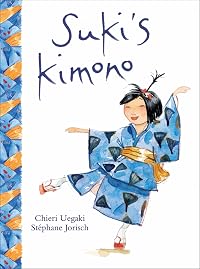
Suki's Kimono
by Chieri Uegaki
On This Page
Description
On her first day of first grade, despite the objections of her older sisters, Suki chooses to wear her beloved Japanese kimono to school because it holds special memories of her grandmother's visit last summer.Tags
Recommendations




















Member Recommendations

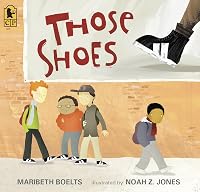
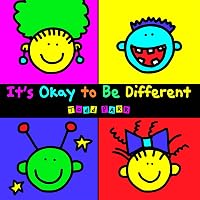
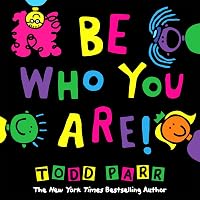
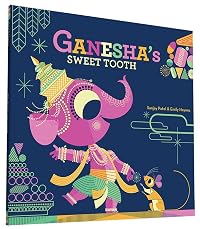
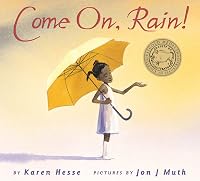
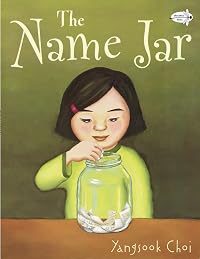
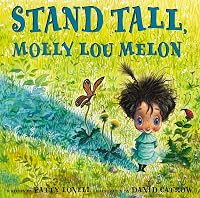
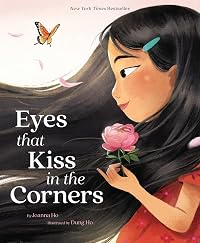
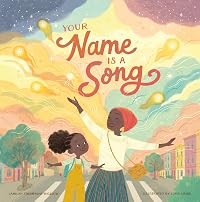
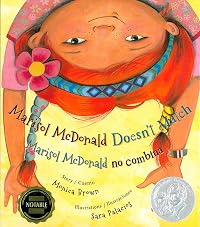
beelrami Both books are about being yourself on the first day of school but the girls go through different journeys.
Member Reviews
Over the summer Suki's grandmother visited and together they attended a festival. Now it's the first day of school and Suki wants to wear the kimono her grandmother gave her, but her older sisters tell her it's not appropriate for first grade. What should Suki do?
This is a very sweet story that has so many positive aspects to it. For starters, I loved that the glossary of Japanese words is at the front of the book instead of the end, so anyone reading this aloud to children will right away be able to help the listeners to define words and can feel comfortable themselves in pronouncing the unfamiliar nouns. (It's worth nothing that pretty much all of the definitions could be inferred in the context of the story anyhow, but it's still show more nice to have a direct translation readily available.)
Without being heavy-handed or didactic, the book talks about how cultural norms may vary and how being true to oneself is the best route to go. Suki displays perseverance and wins over her critics as a result of her gentle but strong stance.
The watercolor illustrations are a perfect match for this book -- somehow they are both airy and substantive at once. The beautiful colors and the dancer-like movements to the lines are appealing and draw the eye in to each page. Little details like the family's cat or the teacher's decorative scarf further pull the viewers in and engage them in the story.
All of the named characters are female, which is nice in a world where women and girls tend to be secondary characters only. However, I know I would be unhappy if the only female characters were unnamed ones, so I could see how men and boys might not like that being the case for them here. show less
This is a very sweet story that has so many positive aspects to it. For starters, I loved that the glossary of Japanese words is at the front of the book instead of the end, so anyone reading this aloud to children will right away be able to help the listeners to define words and can feel comfortable themselves in pronouncing the unfamiliar nouns. (It's worth nothing that pretty much all of the definitions could be inferred in the context of the story anyhow, but it's still show more nice to have a direct translation readily available.)
Without being heavy-handed or didactic, the book talks about how cultural norms may vary and how being true to oneself is the best route to go. Suki displays perseverance and wins over her critics as a result of her gentle but strong stance.
The watercolor illustrations are a perfect match for this book -- somehow they are both airy and substantive at once. The beautiful colors and the dancer-like movements to the lines are appealing and draw the eye in to each page. Little details like the family's cat or the teacher's decorative scarf further pull the viewers in and engage them in the story.
All of the named characters are female, which is nice in a world where women and girls tend to be secondary characters only. However, I know I would be unhappy if the only female characters were unnamed ones, so I could see how men and boys might not like that being the case for them here. show less
I am so in awe of mom for letting Suki wear her favorite outfit to the first day of school. Kimono are to be enjoyed, not left to collect wrinkles and moths. After all, it's not like Suki is going to roll around in the dirt or do finger-painting in it. The other children are meaner than most first-graders, so maybe this should have been set in second-grade, but otherwise the story rings true to me.
And, hello, a story about Japanese-American children who help us learn about traditional Japanese culture, told from an #OwnVoices perspective? Pretty 'amazing' so I have to give it the goodreads five-star review.
And, hello, a story about Japanese-American children who help us learn about traditional Japanese culture, told from an #OwnVoices perspective? Pretty 'amazing' so I have to give it the goodreads five-star review.
Oh the struggles of fitting in. Don't (fill in the blank with something you want to do) because people will think.... (you fill in the blank). Suki's older sisters try to warn her of how to make a good impression on the first day of school, but she doesn't listen. She is excited to show off the kimono that her grandmother gave her during her visit this summer.
Other kids laugh and tease her about the way she had dressed, but she doesn't let this get her down. When it comes time for her to share of her summer vacation, she captivates the room with her vivid story of the festival she attended with her grandmother. She explains her kimono and even shows the traditional dances that she saw at the festival.
On the way home the older sisters show more were disappointed that no one noticed their carefully planed out outfits, but Suki was floating home because she embraced her culture, shared it with the class, and practiced being proud of who she is. show less
Other kids laugh and tease her about the way she had dressed, but she doesn't let this get her down. When it comes time for her to share of her summer vacation, she captivates the room with her vivid story of the festival she attended with her grandmother. She explains her kimono and even shows the traditional dances that she saw at the festival.
On the way home the older sisters show more were disappointed that no one noticed their carefully planed out outfits, but Suki was floating home because she embraced her culture, shared it with the class, and practiced being proud of who she is. show less
Suki receives a Kimono for her birthday, and insists she wear it to school. She is laughed at by the students until she tells about how her grandmother gave it to her as a gift. She then dances like she is at a festival, and the class starts to cheer her on.
This could inspire children to embrace their heritage and what they like, and not to worry about what others may think.
This could inspire children to embrace their heritage and what they like, and not to worry about what others may think.
Uegaki, Chieri. Illustrated by Stephane Jorisch. Suki’s Kimono. Tonawanda, NY: Kids Can Press, 2003
Characters: Suki; Mari and Yumi (her older sisters); Suki’s obachan (her grandmother); the girls’ mother; Penny (Suki’s classmate/friend); Mrs. Paggio (Suki’s teacher)
Setting: somewhere in an urban Japanese-American community in the United States
Theme: Cultural celebrations; Japanese culture (Asian and Asian American); respect and remember one’s cultural heritage; individuality; be yourself no matter what others say, do, or think about you; character and values
Asian and Asian American
Genre: Children’s fiction; children’s picturebook
Golden Quote: “Suki stopped and looked around. Some of the children turned and stared at show more her, and others giggled and pointed at her kimono. But Suki ignored them.”
Summary: Suki’s very favorite thing is her blue cotton kimono. A gift from her obachan, it holds special memories of her grandmother’s visit over the summer. And Suki is going to wear it on her first day back to school—no matter what anyone says. Suki’s Kimono is the joyful story of a little girl whose spirit leads her to march—and dance—to the beat of her own drum.
Audience: age level: 5 to 8 years of age; grade level: K – 2nd
Curriculum ties: (BEFORE READING, LOOK AT...) The Cover: Have students make predictions about the text based on the title and front and back cover illustrations. Is Suki the girl on the cover? What is a kimono? Why is Suki wearing one? What kind of shoes is she wearing? Where do you think she’s going? The Pictures: Take a brief picture walk through the book. What do the pictures tell you about the settings of the story? Where and when does it take place? Purpose: Revisit the purpose: How do we know that Suki is self-confident? What does it mean to be self-confident? Extending Thinking: Think about presents you have gotten from either your grandmother or someone else. Are they “cool”? Are they “weird”? Have you ever gotten a present that you think is cool but your friends think is weird? How did that feel? What did you do? Prior Knowledge: Show the students a map of the world. Point out Japan and the United States. Explain that people who live in the United States come from many cultures. The little girl in this story is a Japanese-American who celebrates both cultures. Purpose for Reading: Students can practice inference. “As we read, think about how the author shows that Suki is self-confident…”
(MONITORING COMPREHENSION/POSSIBLE QUESTIONS TO ASK STUDENTS) What does each Japanese word mean? How do you know? Why don’t Suki’s sisters think she should wear her kimono to school? What are they wearing? Where did Suki get her kimono? Where did she first wear it? Why is it important to her? How does the author describe the taiko drums? How do you think Suki felt when she was teased about her kimono? What clues tell you this? Have you ever been teased for wearing something different? What clues tell you that Penny was already Suki’s friend? How do Suki’s classmates feel about her kimono at the end of the book?
THE ARTS: DANCE Create a dance that represents something in Japanese culture. Perform the dance for the class or a small group; MAKE A KOI FISH; MAKE A KOKESHI DOLL
WRITING ACTIVITIES: 1. What is your favorite outfit? Describe the outfit and tell why it is your favorite.
2. The illustrator dedicated the book to “spunky little kids everywhere.” What does that mean? Why do you think he chose this for his dedication? Is Suki “spunky”? How so?
3. Interview one of your grandparents or another older adult. Ask them to tell you about something special they remember about growing up. Write their answers to share with your classmates.
Awards: None
Personal response: Great book celebrating not only Japanese and Japanese-American culture, but self-confidence and individuality as well. Suki is a little girl who doesn’t care what anyone thinks about her. She does what she wants and she does it with dignity and fun too. She is so proud of her kimono that her grandmother gave her; she decides she is going to wear for her first day back from school. Even when the other kids stare and giggle, she ignores them and wears her kimono loud and proud. Aside from Suki’s spunky character, the best part of the book is when she shares her experience at the Japanese festival with her grandmother during the summer with her class. She acts out the whole ritual of Japanese dance and instead of getting laughed at by her classmates; they clap for her with joy and excitement for her enthusiasm. The artwork is great as well. The illustrations are rendered in watercolor; emulating traditional Japanese art with a modern yet whimsical twist. show less
Characters: Suki; Mari and Yumi (her older sisters); Suki’s obachan (her grandmother); the girls’ mother; Penny (Suki’s classmate/friend); Mrs. Paggio (Suki’s teacher)
Setting: somewhere in an urban Japanese-American community in the United States
Theme: Cultural celebrations; Japanese culture (Asian and Asian American); respect and remember one’s cultural heritage; individuality; be yourself no matter what others say, do, or think about you; character and values
Asian and Asian American
Genre: Children’s fiction; children’s picturebook
Golden Quote: “Suki stopped and looked around. Some of the children turned and stared at show more her, and others giggled and pointed at her kimono. But Suki ignored them.”
Summary: Suki’s very favorite thing is her blue cotton kimono. A gift from her obachan, it holds special memories of her grandmother’s visit over the summer. And Suki is going to wear it on her first day back to school—no matter what anyone says. Suki’s Kimono is the joyful story of a little girl whose spirit leads her to march—and dance—to the beat of her own drum.
Audience: age level: 5 to 8 years of age; grade level: K – 2nd
Curriculum ties: (BEFORE READING, LOOK AT...) The Cover: Have students make predictions about the text based on the title and front and back cover illustrations. Is Suki the girl on the cover? What is a kimono? Why is Suki wearing one? What kind of shoes is she wearing? Where do you think she’s going? The Pictures: Take a brief picture walk through the book. What do the pictures tell you about the settings of the story? Where and when does it take place? Purpose: Revisit the purpose: How do we know that Suki is self-confident? What does it mean to be self-confident? Extending Thinking: Think about presents you have gotten from either your grandmother or someone else. Are they “cool”? Are they “weird”? Have you ever gotten a present that you think is cool but your friends think is weird? How did that feel? What did you do? Prior Knowledge: Show the students a map of the world. Point out Japan and the United States. Explain that people who live in the United States come from many cultures. The little girl in this story is a Japanese-American who celebrates both cultures. Purpose for Reading: Students can practice inference. “As we read, think about how the author shows that Suki is self-confident…”
(MONITORING COMPREHENSION/POSSIBLE QUESTIONS TO ASK STUDENTS) What does each Japanese word mean? How do you know? Why don’t Suki’s sisters think she should wear her kimono to school? What are they wearing? Where did Suki get her kimono? Where did she first wear it? Why is it important to her? How does the author describe the taiko drums? How do you think Suki felt when she was teased about her kimono? What clues tell you this? Have you ever been teased for wearing something different? What clues tell you that Penny was already Suki’s friend? How do Suki’s classmates feel about her kimono at the end of the book?
THE ARTS: DANCE Create a dance that represents something in Japanese culture. Perform the dance for the class or a small group; MAKE A KOI FISH; MAKE A KOKESHI DOLL
WRITING ACTIVITIES: 1. What is your favorite outfit? Describe the outfit and tell why it is your favorite.
2. The illustrator dedicated the book to “spunky little kids everywhere.” What does that mean? Why do you think he chose this for his dedication? Is Suki “spunky”? How so?
3. Interview one of your grandparents or another older adult. Ask them to tell you about something special they remember about growing up. Write their answers to share with your classmates.
Awards: None
Personal response: Great book celebrating not only Japanese and Japanese-American culture, but self-confidence and individuality as well. Suki is a little girl who doesn’t care what anyone thinks about her. She does what she wants and she does it with dignity and fun too. She is so proud of her kimono that her grandmother gave her; she decides she is going to wear for her first day back from school. Even when the other kids stare and giggle, she ignores them and wears her kimono loud and proud. Aside from Suki’s spunky character, the best part of the book is when she shares her experience at the Japanese festival with her grandmother during the summer with her class. She acts out the whole ritual of Japanese dance and instead of getting laughed at by her classmates; they clap for her with joy and excitement for her enthusiasm. The artwork is great as well. The illustrations are rendered in watercolor; emulating traditional Japanese art with a modern yet whimsical twist. show less
A little girl stands up to her sisters, in deciding to wear her favorite outfit -- a kimono that her grandmother gave to her -- on her first day of school. She braves the mockery of her classmates and shows the kids the Japanese dance that she remembers.
Very sweet and touching. The child's affection for her grandmother, and the evocative description of her dance and memory of the dance she saw, stand out.
Very sweet and touching. The child's affection for her grandmother, and the evocative description of her dance and memory of the dance she saw, stand out.
A little girl stands up to her sisters, in deciding to wear her favorite outfit -- a kimono that her grandmother gave to her -- on her first day of school. She braves the mockery of her classmates and shows the kids the Japanese dance that she remembers.[return][return]Very sweet and touching. The child's affection for her grandmother, and the evocative description of her dance and memory of the dance she saw, stand out.
Members
- Recently Added By
Published Reviews
On the first day of school, Suki is determined to wear her favorite clothes, even though her two older sisters don’t approve. She doesn’t care about new or cool outfits, just about wearing the kimono, geta, and pink scarf her obachan gave her. Many kids at school do tease Suki, but she continues to hold her head up. When it’s her turn to tell about her summer, she describes the festival show more she attended with her grandmother and begins to dance as her obachan taught her. Now instead of teasing, Suki has the respect of her classmates. And in a twist of irony, the sisters who told Suki she’d be teased for her outfit come home grumpy because no one noticed their new clothing, while Suki dances home with the wind in her pink scarf. Jorisch’s watercolor illustrations are reminiscent of Japanese brush paintings. Her characters’ faces are extremely expressive and perfectly portray their feelings. A wonderful story about being yourself, with the added bonus of teaching readers a little about Japanese culture. (glossary) (Picture book. 5-8) show less
added by ReneHohls
In Uegaki's appealing first book, a first-grader prefers to face scorn from her classmates rather than give up her beloved kimono. Stylish illustrations by Jorisch (Oma's Quilt) add pizzazz. Suki's grandmother buys her the beautiful blue kimono and takes her to the summer festival, where they dance together to Japanese music. Here Jorisch's urban backdrops give life to the pleasures and show more surprises of a small ethnic enclave in a good-size city. When Suki wants to wear the kimono on the first day of school, her older sisters' disapproval and warnings do not deter her. Jorisch's lightly tinted but gaily drawn watercolors show Suki as she strolls along with her arms out and her sleeves aloft, "like she'd grown her own set of wings"; she's blissfully innocent of the poking and giggling going on around her. When their teacher, Mrs. Paggio, asks the class about their summer vacations, Suki, by now aware of other children's reactions, describes the festival, then demonstrates the festival dance right in front of everyone. Jorisch captures the moment: Suki performs the steps in a series of vignettes, then waits alone, with scarlet cheeks, on the left-hand page while her classmates watch from desks on the right. Mrs. Paggio applauds, "and after a moment, so did the entire class." Given the true-to-life character, readers may feel like applauding, too. Ages 5-8. show less
added by ReneHohls
Lists

A Child's Book Tour of Japan
58 works; 4 members

Children's picture books with kids of color
129 works; 15 members

ELED 460 Book List
61 works; 1 member
Author Information
6 Works 1,412 Members
Awards and Honors
Common Knowledge
- Important places
- Japan
- Important events
- First day of school
Classifications
Statistics
- Members
- 1,061
- Popularity
- 24,297
- Reviews
- 41
- Rating
- (4.31)
- Languages
- English, French, Turkish
- Media
- Paper, Ebook
- ISBNs
- 15
- ASINs
- 1
