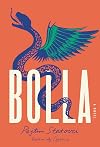
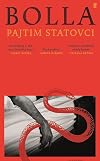
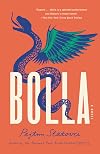
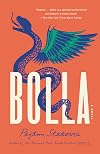
Bolla
by Pajtim Statovci
On This Page
Description
"From the author of Crossing--a National Book Award finalist--comes a dazzling tale full of fury, tenderness, longing, and lust. April 1995. Arsim is a twenty-two-year-old, recently-married student at the University of Pristina, keeping his head down to gain a university degree in a time and place deeply hostile to Albanians. In a café he meets a young man named Milos, a Serb. Before the day is out, everything has changed for both of them, and within a week two milestones erupt in Arsim's show more married life: his wife announces her first pregnancy, and he begins a life in secret. After these febrile beginnings, Arsim and Milos's unlikely affair is derailed by the outbreak of war, which sends Arsim's fledgling family abroad and the timid Milos spiraling down a dark path. Years later, deported back to Pristina after a spell in prison, Arsim, alone and hopeless, finds himself in a broken reality that completely questions his past. Entwined with their story is a recreated legend of a demonic serpent, Bolla: an unearthly tale that gives Arsim and Milos a language through which to reflect what they once had. With luminous prose and a delicate eye, Statovci delivers a relentless novel of desire, destruction, intimacy, and the different fronts of war"-- show lessTags
Recommendations












Member Recommendations

allthegoodbooks Same war but told from a female artist's point of view trapped in the city.
Member Reviews
This is the third of four books that I am reading for the FutureLearn course 'How to read a Novel' run by Edinburgh University alongside their James Tait Black Prize. It is not a book I would have picked up and read left to my own devices.
In 1995, Arsim a 22 year old Albanian, recently married, meets Miloš, a student doctor and a Serb, in a cafe and as the book says, their lives are never the same. Their love must be hidden, homosexuality is not tolerated, and so they repair to Miloš's small apartment where their it becomes a passionate and all-consuming affair. But timing is everything and Arsim's wife Ajshe becomes pregnant and war breaks out. The affair is cut short with Arsim and family leaving the country and Miloš joining up show more and fighting. The book then tells of the after effects of this desire and war and the long tail of trauma left in its wake. There is no going to therapy and moving on in this story. It must be lived through and this means that Arsim makes poor judgements about his activities and is imprisoned and returned to his home country and Miloš is interred in an institution like we used to see on TV where there is no stimulation for the children or adults who lie around on cots all day.
Wrapping around this story is Bolla, a mythical beast from Albania, who is the result of a union between a snake and God's daughter as payment for the snake leaving paradise. One day a year Bolla is allowed out of its cave, into the light where it plays, causes destruction and enjoys the sun, and then it slinks back for the rest of the year into darkness.
I really hated Arsim and his behaviours. In exile, he beat his wife and children and had sex with a child. He berated his wife constantly, she who was loyal and dutiful, who cooked and cleaned and raised his children and he never once thought about her, only himself and his desires. In a way, Ajshe was like Bolla in that she rarely saw the sunlight of their relationship.
"Bolla," said the Devil and allowed the sun to shine in through the mouth of the cave, to light his creation.
Then the girl felt sunlight for the first time, and it was beautiful.
p152
This is probably how Ajshe felt once Arsim had signed the divorce papers.
Arsim also 'rescues' Miloš from the institution full of thoughts about recovering their relationship only to find that Miloš is beyond his help and so he abandons him in his room he has rented and moves on to other rented accomodation. The rescue, I think, is one of the most selfish decisions Arsim makes, having no consideration as to how Miloš might be and how much care he might need. All he wants is his lover back.
Time moves on and so do things for Arsim. He goes back to university and finishes his course and gets a story published but for Miloš there is no moving on. He stays as he is, sitting out on the road, begging.
Miloš's story is told through a journal - it took me a while to realise it was Miloš's journal - and at the end he sees Bolla not as the destructive beast but someone who has one day of freedom, free to enjoy the daylight and others before going back into hiding for the rest of the year. It made me cry.
This is a story of desire, trauma, the after effects of trauma and asks us whether someone can go too far to be forgiven. The timing of this book with the war between Russia and Ukraine makes this not just a book about Kosovo and its people but a book about war in general. I shudder to think of this story being repeated for all of those people. show less
In 1995, Arsim a 22 year old Albanian, recently married, meets Miloš, a student doctor and a Serb, in a cafe and as the book says, their lives are never the same. Their love must be hidden, homosexuality is not tolerated, and so they repair to Miloš's small apartment where their it becomes a passionate and all-consuming affair. But timing is everything and Arsim's wife Ajshe becomes pregnant and war breaks out. The affair is cut short with Arsim and family leaving the country and Miloš joining up show more and fighting. The book then tells of the after effects of this desire and war and the long tail of trauma left in its wake. There is no going to therapy and moving on in this story. It must be lived through and this means that Arsim makes poor judgements about his activities and is imprisoned and returned to his home country and Miloš is interred in an institution like we used to see on TV where there is no stimulation for the children or adults who lie around on cots all day.
Wrapping around this story is Bolla, a mythical beast from Albania, who is the result of a union between a snake and God's daughter as payment for the snake leaving paradise. One day a year Bolla is allowed out of its cave, into the light where it plays, causes destruction and enjoys the sun, and then it slinks back for the rest of the year into darkness.
I really hated Arsim and his behaviours. In exile, he beat his wife and children and had sex with a child. He berated his wife constantly, she who was loyal and dutiful, who cooked and cleaned and raised his children and he never once thought about her, only himself and his desires. In a way, Ajshe was like Bolla in that she rarely saw the sunlight of their relationship.
"Bolla," said the Devil and allowed the sun to shine in through the mouth of the cave, to light his creation.
Then the girl felt sunlight for the first time, and it was beautiful.
p152
This is probably how Ajshe felt once Arsim had signed the divorce papers.
Arsim also 'rescues' Miloš from the institution full of thoughts about recovering their relationship only to find that Miloš is beyond his help and so he abandons him in his room he has rented and moves on to other rented accomodation. The rescue, I think, is one of the most selfish decisions Arsim makes, having no consideration as to how Miloš might be and how much care he might need. All he wants is his lover back.
Time moves on and so do things for Arsim. He goes back to university and finishes his course and gets a story published but for Miloš there is no moving on. He stays as he is, sitting out on the road, begging.
Miloš's story is told through a journal - it took me a while to realise it was Miloš's journal - and at the end he sees Bolla not as the destructive beast but someone who has one day of freedom, free to enjoy the daylight and others before going back into hiding for the rest of the year. It made me cry.
This is a story of desire, trauma, the after effects of trauma and asks us whether someone can go too far to be forgiven. The timing of this book with the war between Russia and Ukraine makes this not just a book about Kosovo and its people but a book about war in general. I shudder to think of this story being repeated for all of those people. show less
Both a terrible and a wonderful book. The story is painful and there is no happy ending. But understanding the conflict and mindset of the characters is thought-provoking. Conflicting feelings about the characters abound, but it is brilliantly written in a raw, innovative way.
En lue kovinkaan paljon puhtaasti kaunokirjallista kirjallisuutta, joten en oikein osaa sitä myöskään arvioida. Tämä kirja on minulle jotain neljän ja viiden tähden väliltä.
Kuuntelin kirjan äänikirjana, minkä luulen osaltaan vaikuttaneen kokemukseeni. Etenkin alussa oli vähän haastavaa hahmottaa kuka oli kertojana milläkin aikajanalla, enkä noin muutenkaan yleensä ole suurin epäkronologisten tarinoiden ystävä. Lisäksi yleensä tarvitsen kirjassa ainakin yhden hahmon josta pidän, mikä on vähän haastavaa Bollan kohdalla.
Voikin siis sanoa, että jos jotain, on tämä kirja tunnetasolla haastava. Tiedän Kosovon sodasta vähän, vaikka etäisesti muistankin lapsuudesta viittauksia tilanteeseen (ja luonnollisesti show more lopulliset rauhanneuvottelut). Sodan varjo ja sen jättämät jäljet ovat ahdistavaa ja karua luettavaa ja tuovat ihmisyyden rumimman puolen lähelle. Hahmojen käytös ja ajatusmaailma myös hyvin heijastavat sitä, mitä sota ja sodan ympäröimänä eläminen ihmiselle tekee.
Kirjan suurin vaikutus on siinä, mitä kaikkea olisi voinut olla.
Vaikuttava kirja. show less
Kuuntelin kirjan äänikirjana, minkä luulen osaltaan vaikuttaneen kokemukseeni. Etenkin alussa oli vähän haastavaa hahmottaa kuka oli kertojana milläkin aikajanalla, enkä noin muutenkaan yleensä ole suurin epäkronologisten tarinoiden ystävä. Lisäksi yleensä tarvitsen kirjassa ainakin yhden hahmon josta pidän, mikä on vähän haastavaa Bollan kohdalla.
Voikin siis sanoa, että jos jotain, on tämä kirja tunnetasolla haastava. Tiedän Kosovon sodasta vähän, vaikka etäisesti muistankin lapsuudesta viittauksia tilanteeseen (ja luonnollisesti show more lopulliset rauhanneuvottelut). Sodan varjo ja sen jättämät jäljet ovat ahdistavaa ja karua luettavaa ja tuovat ihmisyyden rumimman puolen lähelle. Hahmojen käytös ja ajatusmaailma myös hyvin heijastavat sitä, mitä sota ja sodan ympäröimänä eläminen ihmiselle tekee.
Kirjan suurin vaikutus on siinä, mitä kaikkea olisi voinut olla.
Vaikuttava kirja. show less
Tämä kirja ei minuun oikein uponnut ja oli vaikeaa pysyä kärryillä siitä, kumpi minä-kertojista äänessä oli. Oli kiinnostavaa lukea kosovolaisista, mutta muuten kirja ei jaksanut innostaa.
Against the backdrop of war in Eastern Europe, we Arsim and Milsoc, two men who are very much in love. Both are destroyed by the war in different ways.
Naimme toisemme yksinkertaisesti siksi että ihmisen on parempi elää jonkun kanssa kuin yksin, siksi että miehellä kuuluu olla nainen vierellään, siksi että naisellakin kuuluu olla rinnallaan mies, siksi että miehen, erityisesti minunkaltaiseni miehen, täytyy lisääntyä ja jatkaa sukua, se on tärkeää, saada ainakin yksi poika jolle jättää talot, maat ja rahat.
Otin katkelmaksi edellisen kohdan, koska se mielestäni tiivistää erittäin hyvin romaanin päähenkilön, Arsimin, luonteen. Lukiessani kirjaa, minusta tuntui koko ajan siltä, että Arsim oikeuttaa tavalla tai toisella kaikki tekonsa, pahimmatkin, eikä hän jää niitä murehtimaan vaikka tuntee teoistaan jälkikäteen häpeää, kunnes taas unohtaa show more tekemänsä. Romaani on upeasti kirjoitettu, kielellisesti erittäin viehättävä, rankka ja viiltävä kuvaus kahden miehen välisestä suhteesta, sodasta ja perheestä. Arsim sytyttää tekstin ja tarinan tuleen ja Milos herättää tapahtumat henkiin omilla osuuksillaan. Kokonaisuus on yhtä aikaa ahdistava ja upea, vetävä ja luotaantyöntävä ja tarina monikerroksinen ja tyhjentävä vaikka kirja ei ole pitkä. Enkä muista milloin viimeksi olisin lukiessani alleviivannut niin paljon sanoja, virkkeitä, lauseita, kokonaisia kappaleita kuin Bollaa lukiessani. Kiitos tästä upeasta lukukokemuksesta. Suosittelen. show less
Otin katkelmaksi edellisen kohdan, koska se mielestäni tiivistää erittäin hyvin romaanin päähenkilön, Arsimin, luonteen. Lukiessani kirjaa, minusta tuntui koko ajan siltä, että Arsim oikeuttaa tavalla tai toisella kaikki tekonsa, pahimmatkin, eikä hän jää niitä murehtimaan vaikka tuntee teoistaan jälkikäteen häpeää, kunnes taas unohtaa show more tekemänsä. Romaani on upeasti kirjoitettu, kielellisesti erittäin viehättävä, rankka ja viiltävä kuvaus kahden miehen välisestä suhteesta, sodasta ja perheestä. Arsim sytyttää tekstin ja tarinan tuleen ja Milos herättää tapahtumat henkiin omilla osuuksillaan. Kokonaisuus on yhtä aikaa ahdistava ja upea, vetävä ja luotaantyöntävä ja tarina monikerroksinen ja tyhjentävä vaikka kirja ei ole pitkä. Enkä muista milloin viimeksi olisin lukiessani alleviivannut niin paljon sanoja, virkkeitä, lauseita, kokonaisia kappaleita kuin Bollaa lukiessani. Kiitos tästä upeasta lukukokemuksesta. Suosittelen. show less
Nov 27, 2019Finnish
Kielellisesti varsin ilahduttavaakin tekstiä, mutta kaikki muu tässä tökkikin. Etenkin se suuri rakkaustarina. En voi kuin miettiä onko rakkaus todella ihmisille niin yksiulotteista kuin fyysisten ominaisuuksien ihailua? Ja hieman kuumaa seksiä siihen päälle. Sellaista tämän tarinan rakkaus ainakin oli. Rakkaus kuolikin siihen, kun toinen osapuoli oli ulkoisesti kärsinyt eikä enää niin haluttava (toki myös sisäisesti kärsinyt, mutta kirjassa keskityttiin kuvaamaan vain ulkoista rappiota eli sitä mitä päähenkilö pystyi näkemään). En tiedä oliko tässä tarkoituskin lopulta kritisoida nykymaailman rakkauskäsitystä, jossa ihmiset valitaan ja heihin rakastutaan profiilikuvan perusteella, mutta vaikka se olisikin show more ollut tarkoitus, henkilöhahmoista olisi silti voinut kirjoittaa moniulotteisia. Uskottavia ja samaistuttavia. Tällaisena tämä jätti minut vain kylmäksi ja ihmettelemään onko tämän maailman rakkaus tosiaan tiivistynyt ihailtaviin kasvonpiirteisiin ja hyvinmuodostuneisiin lihaksiin.
Ihmettelen myös oliko tässä tarkoitus kertoa sodan runtelemasta rakkaudesta. Mutta ei sitä rakkautta runnellut sota eikä päähenkilö menettänyt sodassa mitään. Hänellä ei alun alkaenkaan ollut mitään menetettävää, paitsi ehkä illuusionsa rakkaudesta. Sen sijaan voisi sanoa, että edes sota ei saanut häntä välittämään asioista, joilla on oikeasti merkitystä. Tähän tiivistyy se miksi en tuntenut kirjaa lukiessani mitään. show less
Ihmettelen myös oliko tässä tarkoitus kertoa sodan runtelemasta rakkaudesta. Mutta ei sitä rakkautta runnellut sota eikä päähenkilö menettänyt sodassa mitään. Hänellä ei alun alkaenkaan ollut mitään menetettävää, paitsi ehkä illuusionsa rakkaudesta. Sen sijaan voisi sanoa, että edes sota ei saanut häntä välittämään asioista, joilla on oikeasti merkitystä. Tähän tiivistyy se miksi en tuntenut kirjaa lukiessani mitään. show less
Mar 10, 2021Finnish
Members
- Recently Added By
Lists

Dublin Literary Award 2023 Longlist
67 works; 5 members

Finlandia Prize Nominee
262 works; 3 members
Author Information

7+ Works 806 Members
Some Editions
Awards and Honors
Awards
Series
Belongs to Publisher Series
Il contesto [Sellerio] (122)
Common Knowledge
- Canonical title*
- Bolla
- Original title
- Bolla
- Original publication date
- 2019
- People/Characters*
- Arsim, Ajshe, Milos Micic, Besnik, Drita, Driton, Endrit, Behxhet
- Important places
- Albania; Serbia; Kosovo
- Important events
- Kosovon sota 1996-1999; 1995
- Epigraph*
- bolla
1. haamu, näkymätön, peto, piru
2. tuntematon eläinlaji, käärmeenkaltainen olento
3. ulkopuolinen - First words*
- Luotuaan maailman jumala alkoi katua aikaansaannostaan.
- Quotations*
- Hän oli taivas, jonka rakensin, jumala palavan metsän keskellä.
- Last words*
- (Click to show. Warning: May contain spoilers.)En muistele niitä taruja enää lainkaan pelolla vaan ilmauksina onnesta; yhtenä päivänä vuodessa se saa leiskua vapaana ja huolettomana, yhtenä päivänä... se voi lennellä kahleetta vesien ja metsien yllä, ääntelehtiä rauhassa jylhässä melodiassaan, venytellä runkoaan pitkin peltoaukioita, kukkuloita ja vuorten rinteitä, kätkeytyä pilvien yläpuolelle tai langettaa siivillään suurenmoisia varjokaistaleita kuin tähdettömiä öitä, kostuttaa häiritsevän kiiltävää nahkaansa järvissä ja joissa, nukahdella auringon kärventämämille kiville ja kallioille, porottavassa paahteessa punoutua puunrunkoihin ja iäkkäiden tammien lehtihaaniskojen alle suojaan sateelta; ja luikerrella sitten yön tullen takaisin luolaansa johon se käy makuulle päivänsä väsyttämänä - yksi onnellinen päivä se riittää sille; sillä maa jota se silloin asuttaa katsos se on kuninkaiden maata
- Publisher's editor*
- Antti Kasper, Salla Pulli, Lotta Sonninen
- Original language*
- Suomi
*Some information comes from Common Knowledge in other languages. Click "Edit" for more information.
Classifications
- Genres
- Fiction and Literature, General Fiction, LGBTQ+
- DDC/MDS
- 894.54134 — Literature & rhetoric Literatures of other languages Literatures of Altaic, Uralic, Hyperborean, Dravidian languages; literatures of miscellaneous languages of south Asia Finno-Ugric languages Finnic languages Finnish Finnish fiction 2000–
- LCC
- PH356 .S838 .B65 — Language and Literature Uralic languages. Basque language Uralic. Basque Finnish
- BISAC
Statistics
- Members
- 196
- Popularity
- 167,171
- Reviews
- 8
- Rating
- (3.63)
- Languages
- 8 — Dutch, English, Finnish, French, German, Italian, Spanish, Swedish
- Media
- Paper, Audiobook, Ebook
- ISBNs
- 21
- ASINs
- 3