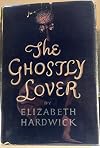
The Ghostly Lover
by Elizabeth Hardwick
On This Page
Description
Living with her brother and grandmother while her parents drift from place to place, Marian Coleman finally decides to move to New York by herself and beg a new life.Tags
Recommendations

















Member Reviews
First things first, let’s get it out of the way – this title is terrible. No doubt the title wouldn’t have been quite so cringey when it was first published in 1945 – however these days a title like that makes us think of Mills and Boon. Elizabeth Hardwick however is a serious writer – and The Ghostly Lover; her first novel is pretty serious, don’t let that title fool you.
I had read this novel before – probably almost thirty years ago – I remembered the title and the cover and nothing else really except that I found it quite hard going. Now I know why, The Ghostly Lover is an intelligent, introspective coming of age novel – which I can’t imagine having engaged with in my late teens, but which I enjoyed very much show more indeed this time around. Four years ago, I read Hardwick’s 1979 novel Sleepless Nights – which is an altogether different kettle of fish, it’s an elegant novel of little plot, beautiful imagery and quiet wisdom. The work of an older more accomplished writer. The Ghostly Lover, however is an astonishingly good first novel – and I remain a fan of Elizabeth Hardwick’s.
“Life seemed to be an enormous subterranean existence in which nobody spoke and in which people died for want of a few words they needed.”
Marian Coleman is sixteen in the long hot summer of depression era Kentucky. Marian and her brother Albert have been living with their grandmother, while their unreliable parents are absent, moving from job to job, chasing the seemingly unobtainable American dream. Sitting on the porch of her home as the novel opens, Marian becomes aware of a man watching her. Bruce, is a neighbour, ten years older, he is already divorced, and rather attractive, he wanders over to talk to her. As Marian sits talking to Bruce that day, she is awaiting the return of her parents, who have been absent on this occasion for two years. Their return is anticipated with a mixture of nerves and excitement.
Lucy and Ted; Marian and Albert’s parents arrive, late at night hours after they were expected, and immediately begin to upset the quiet balance of the household. They are disorganised and incapable of good parenting, but Marian has yet to realise this, sorry that soon they will be off again, her father chasing yet another job that will make their fortune. When Lucy’s childhood friend Mary calls, and suggests to Lucy that perhaps her daughter might have need of her, Lucy is unrepentant, determined to see Marian as grown up enough to do without her.
“‘I know everyone thinks it’s terrible that I go away and leave the children. I know they think it’s disgraceful that we can’t stick to anything.’ Lucy paused, and she saw that Mary’s face was heavy with emotion. She was like a child, gratefully partaking of some choice confidence. Lucy thought sadly that there must always be women like Mary in the world, women with faces that showed deep concern over ever triviality, women who wore the drawn brow of sympathy like an emblem, who specialized in the quick, hushed, understanding reply. Now she had nothing to say. Whatever she hoped to tell had vanished. ‘I simply cannot live here,’ she said and turned away.”
Hattie is the young black cleaner who works for the family, a sharp tongued, cynical young woman, with whom Marian attempts to have some kind of superficial friendship. Through Marian’s critical examination of her attitude to Hattie, Hardwick touches on race relations in the South at this time (there is some use of language we wouldn’t use now, although it is in keeping with the times the novel was written in, and is not overly offensive.)
“There had never been a real stranger in this house: only the native. Dark ones, swarthy-skinned, strange-tongued, foreigners with thick, alien eyebrows never entered the unknown homes, the America lying cunning and anonymous in the rich earth. In every corner, in every face, there was a quiet, lawful, unchallenged exclusiveness, unplanned, unrecorded and violent. But the members of the family made strangers of themselves to elude and trick the pale faces the soft voices, the calm acceptance. Mother, daughter, father, and friend; each behind the mask saying, in steady rhythm to the heartbeat, in answer to the actuality within him, the relentless refrain: They would die if they knew”
The Ghostly Lover of the title is Bruce – largely absent in the novel – he is the provider of Marian’s first significant male attention. During their short sojourn at home, Marian waits for her parents to show their disapproval – Bruce is after all ten years older, and Marian little more than a child – naturally they don’t and even then, Marian seems to know that this is all wrong.
Marian decides to go to college in New York, a year for which, strangely perhaps, Bruce pays. Here Marian lives in a hostel with other young women who are studying alongside her – develops new relationships, sometimes remembers Bruce, writing letters to her mother and grandmother – still in denial at her mother’s hopelessness. It is during her letter writing home that Marian makes a discovery about her grandmother, altering her view of her a little. There are some wonderful peripheral characters, one of the most fascinating (and elusive) is Gertrude – a woman living in the hostel, she is an older woman, foreign and rather awkward – she attaches herself to Marian, and then suddenly disappears.
In time, Marian is forced to recognise her parents for who they are when she pays them a visit, shocked by their selfishness and greed – she is finally ready to make her own way in the world. show less
I had read this novel before – probably almost thirty years ago – I remembered the title and the cover and nothing else really except that I found it quite hard going. Now I know why, The Ghostly Lover is an intelligent, introspective coming of age novel – which I can’t imagine having engaged with in my late teens, but which I enjoyed very much show more indeed this time around. Four years ago, I read Hardwick’s 1979 novel Sleepless Nights – which is an altogether different kettle of fish, it’s an elegant novel of little plot, beautiful imagery and quiet wisdom. The work of an older more accomplished writer. The Ghostly Lover, however is an astonishingly good first novel – and I remain a fan of Elizabeth Hardwick’s.
“Life seemed to be an enormous subterranean existence in which nobody spoke and in which people died for want of a few words they needed.”
Marian Coleman is sixteen in the long hot summer of depression era Kentucky. Marian and her brother Albert have been living with their grandmother, while their unreliable parents are absent, moving from job to job, chasing the seemingly unobtainable American dream. Sitting on the porch of her home as the novel opens, Marian becomes aware of a man watching her. Bruce, is a neighbour, ten years older, he is already divorced, and rather attractive, he wanders over to talk to her. As Marian sits talking to Bruce that day, she is awaiting the return of her parents, who have been absent on this occasion for two years. Their return is anticipated with a mixture of nerves and excitement.
Lucy and Ted; Marian and Albert’s parents arrive, late at night hours after they were expected, and immediately begin to upset the quiet balance of the household. They are disorganised and incapable of good parenting, but Marian has yet to realise this, sorry that soon they will be off again, her father chasing yet another job that will make their fortune. When Lucy’s childhood friend Mary calls, and suggests to Lucy that perhaps her daughter might have need of her, Lucy is unrepentant, determined to see Marian as grown up enough to do without her.
“‘I know everyone thinks it’s terrible that I go away and leave the children. I know they think it’s disgraceful that we can’t stick to anything.’ Lucy paused, and she saw that Mary’s face was heavy with emotion. She was like a child, gratefully partaking of some choice confidence. Lucy thought sadly that there must always be women like Mary in the world, women with faces that showed deep concern over ever triviality, women who wore the drawn brow of sympathy like an emblem, who specialized in the quick, hushed, understanding reply. Now she had nothing to say. Whatever she hoped to tell had vanished. ‘I simply cannot live here,’ she said and turned away.”
Hattie is the young black cleaner who works for the family, a sharp tongued, cynical young woman, with whom Marian attempts to have some kind of superficial friendship. Through Marian’s critical examination of her attitude to Hattie, Hardwick touches on race relations in the South at this time (there is some use of language we wouldn’t use now, although it is in keeping with the times the novel was written in, and is not overly offensive.)
“There had never been a real stranger in this house: only the native. Dark ones, swarthy-skinned, strange-tongued, foreigners with thick, alien eyebrows never entered the unknown homes, the America lying cunning and anonymous in the rich earth. In every corner, in every face, there was a quiet, lawful, unchallenged exclusiveness, unplanned, unrecorded and violent. But the members of the family made strangers of themselves to elude and trick the pale faces the soft voices, the calm acceptance. Mother, daughter, father, and friend; each behind the mask saying, in steady rhythm to the heartbeat, in answer to the actuality within him, the relentless refrain: They would die if they knew”
The Ghostly Lover of the title is Bruce – largely absent in the novel – he is the provider of Marian’s first significant male attention. During their short sojourn at home, Marian waits for her parents to show their disapproval – Bruce is after all ten years older, and Marian little more than a child – naturally they don’t and even then, Marian seems to know that this is all wrong.
Marian decides to go to college in New York, a year for which, strangely perhaps, Bruce pays. Here Marian lives in a hostel with other young women who are studying alongside her – develops new relationships, sometimes remembers Bruce, writing letters to her mother and grandmother – still in denial at her mother’s hopelessness. It is during her letter writing home that Marian makes a discovery about her grandmother, altering her view of her a little. There are some wonderful peripheral characters, one of the most fascinating (and elusive) is Gertrude – a woman living in the hostel, she is an older woman, foreign and rather awkward – she attaches herself to Marian, and then suddenly disappears.
In time, Marian is forced to recognise her parents for who they are when she pays them a visit, shocked by their selfishness and greed – she is finally ready to make her own way in the world. show less
Everyone is either placid, private or static in this novel. Hardwick's prose, formidable since youth, sidesteps all encumbrances thrown up by the plot, which does not resolve so much as simply pass time until somebody dies and somebody gets married. The sophistication of the writing can make it difficult to see, until the wagonlit conversation at the end, how naive and unknowing Marian is, though her genetic flair for impenetrable mystery serves her well even then. I picked this up curious to see whether Hardwick was capable of writing an actual story, instead of a series of interlocking character studies, and don't think this does it. Onward to The Simple Truth.
A book with a claustrophobic, elusive feel to it. Lots of characters who don't quite seem to know what they want, and never quite seem to get it, or get things knowing they're not what they wanted. An unsettling view of the background (and, often, foreground) racism of the USA in the middle of the twentieth century.
Ratings
Members
- Recently Added By
Author Information

24+ Works 2,825 Members
Elizabeth Hardwick was born on July 27, 1916, in Lexington, Kentucky. Hardwick earned her undergraduate and graduate degrees from the University of Kentucky, then she enrolled at Columbia University for additional study. Formerly an adjunct associate professor of English at Barnard College in New York, Hardwick has spent most of her adult life show more writing novels and essays. Hardwick's first novel, The Ghostly Lover, a story about a Kentucky family, was published in 1945. Since then, Hardwick has also written the novels The Simple Truth and Sleepless Nights. Her books of essays include A View of My Own, Sight-Readings: American Fiction, and Seduction and Betrayal: Women and Literature. Once nominated for the National Book Award, Seduction and Betrayal focuses on American writers, especially women writers, including Edith Wharton, Gertrude Stein, Katherine Anne Porter, among others. The founder and advisory editor of the New York Review of Books, Hardwick's works have appeared in periodicals such as The New Yorker, The London Times Literary Supplement, and Harper's. She died at the age of 91 on December 2, 2007. (Bowker Author Biography) show less
Series
Belongs to Publisher Series
Virago Modern Classics (216)
Common Knowledge
- Canonical title
- The Ghostly Lover
- Original publication date
- 1945
Classifications
Statistics
- Members
- 82
- Popularity
- 387,022
- Reviews
- 3
- Rating
- (3.38)
- Languages
- English
- Media
- Paper
- ISBNs
- 4
- ASINs
- 1