
Jack and Jill: A Village Story
by Louisa May Alcott
On This Page
Description
A delightful read for Alcott fans young and old, Jack and Jill: A Village Story was one of the many books that the famed author of Little Women wrote for juvenile readers. The story follows the travails of Jack and Jill, two children who are the best of friends and who together are tragically injured in a sledding accident. With the help of their mothers and a group of neighborhood pals, the two eventually recover from their injuries—and learn a thing or two about life along the way..
Tags
Recommendations




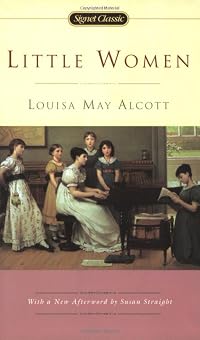
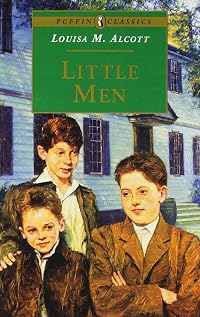



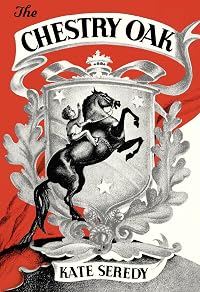
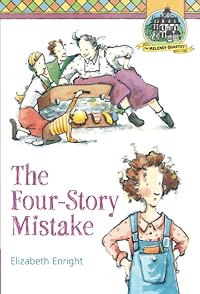
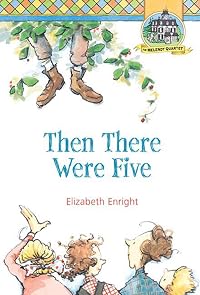

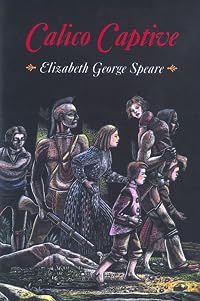
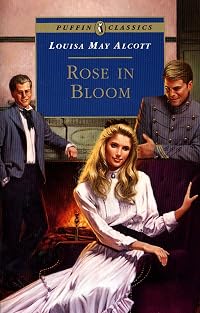

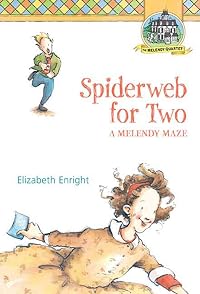
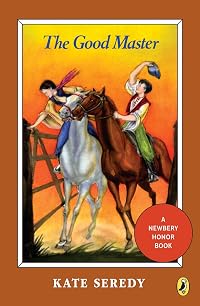
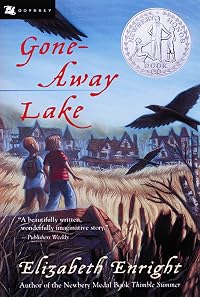

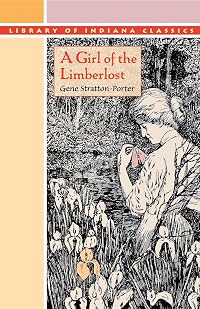
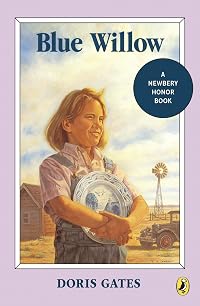
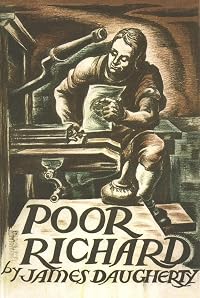
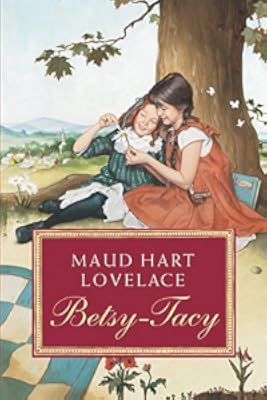
Member Recommendations
Member Reviews
Dnf. I reached chapter 6 and decided that the book was depressing me too much to continue. Any Goodreaders who stumble across my review need to keep in mind that my opinion of this book is biased by my personal circumstances. Essentially I'm having a rant, rather than recommending readers against it.
A common theme in Victorian children's books is stoicism in pain and suffering. That's understandable in an era without anaesthetic and when childhood death was sadly common. I guess parents wanted their kiddies to be prepared for the inevitable suffering they would experience. So poor bedridden Jack and Jill are typically depicted as being brave and stoic in their pain as a broken leg is set, a serious back injury examined, and weeks of show more confinement in bed are endured. However Jack and Jill aren't angels and their discontent is occasionally expressed in sadness, rudeness and general pettiness. But Jack and Jill determine that they will be good. Goodbye bad behaviour, they are going to be well behaved patients from now on.
You know what, this sucks. It's dishonest. And it's painful to read. Crying when you are hurt isn't something to be ashamed of. Struggling with being unwell isn't something to be hidden. I'm not advocating that we all throw tantrums when we're sick. What I'm really saying is that society hadn't quite loosened its grip on Victorian stoicism. We still celebrate sufferers of chronic illness, disability or injury who overcome, who are unflinchingly positive, or soldier on. We celebrate the brave moments and ignore the sobs in the night, the trauma of pain and sickness, and the all too familiar sense of loneliness and loss. In its rawest expression, we rob patients of the simple right to be honest about their experiences and struggles, and instead place on them the expectation of an indefatigable smile and spirit.
I'm sure eventually Jack and Jill recover and get on with their lives. I know things will be better for them in later chapters. But right now, in my position of being chronically ill, I don't want to read about their stoic suffering. show less
A common theme in Victorian children's books is stoicism in pain and suffering. That's understandable in an era without anaesthetic and when childhood death was sadly common. I guess parents wanted their kiddies to be prepared for the inevitable suffering they would experience. So poor bedridden Jack and Jill are typically depicted as being brave and stoic in their pain as a broken leg is set, a serious back injury examined, and weeks of show more confinement in bed are endured. However Jack and Jill aren't angels and their discontent is occasionally expressed in sadness, rudeness and general pettiness. But Jack and Jill determine that they will be good. Goodbye bad behaviour, they are going to be well behaved patients from now on.
You know what, this sucks. It's dishonest. And it's painful to read. Crying when you are hurt isn't something to be ashamed of. Struggling with being unwell isn't something to be hidden. I'm not advocating that we all throw tantrums when we're sick. What I'm really saying is that society hadn't quite loosened its grip on Victorian stoicism. We still celebrate sufferers of chronic illness, disability or injury who overcome, who are unflinchingly positive, or soldier on. We celebrate the brave moments and ignore the sobs in the night, the trauma of pain and sickness, and the all too familiar sense of loneliness and loss. In its rawest expression, we rob patients of the simple right to be honest about their experiences and struggles, and instead place on them the expectation of an indefatigable smile and spirit.
I'm sure eventually Jack and Jill recover and get on with their lives. I know things will be better for them in later chapters. But right now, in my position of being chronically ill, I don't want to read about their stoic suffering. show less
Louisa May Alcott wrote great books and she also wrote middling books that appealed to the popular sentiments that probably helped her to keep her family afloat(the gothic tales are another story!). This is clearly in the middling class, it is Garland for Girls turned into a full-length novel. Rather too full of mid-Victorian Christian piety for my tastes and I had trouble keeping track of who was who amongst the teenagers around Jack and Jill. No one really stuck out as an interesting character and the adventures were more moral tales than adventures and larks.
Cute, sentimental, rather preachy. There are some excellent bits - a lot of what the kids get up to is great, and the funeral is amazing on multiple levels, _despite_ the preachy bits in it. She does spend an awful lot of time talking to the reader about how kids should be good and compassionate and keep their promises (even if it's silly - Jack and the money, yes (though poorly handled), Jack and the boat just silly) and how religion and temperance are wonderful things and and and. I don't disagree with most of what she says, but I kept having to remind myself of that when her sententious tones rubbed me the wrong way. It's possible that if I had first read this as a child, as I did Eight Cousins, I would love it and disregard the show more preachiness; reading it for the first time now, it's only tolerable. I doubt I'll reread. show less
This is one of L.M.A.’s more preachy ones, less fun and more abolitionism, patriotism and religion. I wasn’t a fan of how meek ‘Jill’ ended either, and one upsetting event felt very sudden and not very believable to me. All in all, not my favorite, although L.M.A. never gets truly bad of course.
Written with many, many lessons for both children and adults, this tells the story of how a sledding accident affects the lives of Jack and Janey (Jill).
Too good to be true Sentimentality, baby talk, and heavy handed Temperance at all costs sometimes gets in the way of enjoying the high spirits,
joy of making dangerous choices, and sheer fun of friendships.
Lovely gems, like "...found it easier to feel love and gratitude than to put them into verse" make for good introspective reading.
Death gets tossed in as yet another lesson.
Too good to be true Sentimentality, baby talk, and heavy handed Temperance at all costs sometimes gets in the way of enjoying the high spirits,
joy of making dangerous choices, and sheer fun of friendships.
Lovely gems, like "...found it easier to feel love and gratitude than to put them into verse" make for good introspective reading.
Death gets tossed in as yet another lesson.
I was interested in Jack and Jill by Louisa May Alcott because the only book I’ve read by her is Little Women, so I wanted to see what her other works contained. It’s fairly similar in style and content; it’s a realistic fiction narrative about growing up and always striving to be a better person. I love the characters she follows in this series, especially the titular characters: Jack and Jill. They are two friends who become seriously injured during a sledding accident. Through their families’ and friends’ help, they’re able to recover and learn how to be more careful.
The main themes in this are learning how to be kind to others and put their happiness before your own, as well as learning how to take responsibility for show more yourself. While it’s not a thrilling book, I found it to be enjoyable, since the characters are so likeable and relatable. Their friendships with each other and how they take care of each other is incredibly heartwarming, and it’s a pleasant, happy, feel-good read. However, it is also a product of its time and does have some antiquated ideals; it is also a quite a bit more preachy than Little Women was, but it at the very least mostly preaches kindness and doing right by others, which are certainly great qualities for anyone to learn. On the whole, Jack and Jill is a nice middle grade coming of age story.
Also posted on Purple People Readers. show less
The main themes in this are learning how to be kind to others and put their happiness before your own, as well as learning how to take responsibility for show more yourself. While it’s not a thrilling book, I found it to be enjoyable, since the characters are so likeable and relatable. Their friendships with each other and how they take care of each other is incredibly heartwarming, and it’s a pleasant, happy, feel-good read. However, it is also a product of its time and does have some antiquated ideals; it is also a quite a bit more preachy than Little Women was, but it at the very least mostly preaches kindness and doing right by others, which are certainly great qualities for anyone to learn. On the whole, Jack and Jill is a nice middle grade coming of age story.
Also posted on Purple People Readers. show less
I remember reading this book as a kid - probably pre-teen - and I LOVED it. I had a bunch of classic books (probably abridged) that I devoured in those years, and I remember reading this in one sitting and really enjoying it.
I was really disappointed in re-reading this as an adult.
The plot / story line is just so dull & slow moving. There are parts that are terrific, and parts that are terrible, but all in all, the plot would have been better served as a long short story, and not as a novella.
The book is obviously a product of its time, understandably so, but as a "modern" girl, I cringed through most of it, and yelled at the girls in the book. It's very preachy as well - though, the morals presented here are morals that are sadly show more lacking in today's society, so the fact that it's preachy is not necessarily a bad thing.
I skimmed through a good chunk of the middle, because I just could not care less what "drama" was happening next. show less
I was really disappointed in re-reading this as an adult.
The plot / story line is just so dull & slow moving. There are parts that are terrific, and parts that are terrible, but all in all, the plot would have been better served as a long short story, and not as a novella.
The book is obviously a product of its time, understandably so, but as a "modern" girl, I cringed through most of it, and yelled at the girls in the book. It's very preachy as well - though, the morals presented here are morals that are sadly show more lacking in today's society, so the fact that it's preachy is not necessarily a bad thing.
I skimmed through a good chunk of the middle, because I just could not care less what "drama" was happening next. show less
Members
- Recently Added By
Lists

Favorite Childhood Books
1,646 works; 514 members

Books With Nursery Rhyme Titles
37 works; 8 members
Author Information

468+ Works 108,969 Members
Louisa May Alcott was born in Germantown, Pennsylvania, in 1832. Two years later, she moved with her family to Boston and in 1840 to Concord, which was to remain her family home for the rest of her life. Her father, Bronson Alcott, was a transcendentalist and friend of Ralph Waldo Emerson and Henry David Thoreau. Alcott early realized that her show more father could not be counted on as sole support of his family, and so she sacrificed much of her own pleasure to earn money by sewing, teaching, and churning out potboilers. Her reputation was established with Hospital Sketches (1863), which was an account of her work as a volunteer nurse in Washington, D.C. Alcott's first works were written for children, including her best-known Little Women (1868--69) and Little Men: Life at Plumfield with Jo's Boys (1871). Moods (1864), a "passionate conflict," was written for adults. Alcott's writing eventually became the family's main source of income. Throughout her life, Alcott continued to produce highly popular and idealistic literature for children. An Old-Fashioned Girl (1870), Eight Cousins (1875), Rose in Bloom (1876), Under the Lilacs (1878), and Jack and Jill (1881) enjoyed wide popularity. At the same time, her adult fiction, such as the autobiographical novel Work: A Story of Experience (1873) and A Modern Mephistopheles (1877), a story based on the Faust legend, shows her deeper concern with such social issues as education, prison reform, and women's suffrage. She realistically depicts the problems of adolescents and working women, the difficulties of relationships between men and women, and the values of the single woman's life. (Bowker Author Biography) show less
Some Editions
Series
Belongs to Publisher Series
Work Relationships
Is contained in
Has as a supplement
Common Knowledge
- Canonical title
- Jack and Jill: A Village Story
- Original title
- Jack and Jill
- Original publication date
- 1880
- People/Characters
- Jack Minot; Janey "Jill" Pecq; Frank Minot; Mrs. Minot; Mrs. Pecq; Gus Burton (show all 14); Ed Devlin; Joe Flint; Merry Grant; Mr. Grant; Ralph Evans; Maria Louisa "Molly Loo" Bemis; Boo Bemis; Bathsheba Dawes
- Important places
- Harmony Village, New England, USA
- Dedication
- To the schoolmates of Ellsworth Devens, whose lovely character will not soon be forgotten, this village story is affectionately inscribed by their friend The Author.
- First words
- "Clear the lulla!" was the general cry on a bright December afternoon, when all the boys and girls of Harmony Village were out enjoying the first good snow of the season.
- Last words
- (Click to show. Warning: May contain spoilers.)Let those who launch them see to it that they have good health to man the oars, good education for ballast, and good principles as pilots to guide them as they voyage down an ever-widening river to the sea.
Classifications
- Genres
- Children's Books, Fiction and Literature
- DDC/MDS
- 813.4 — Literature & rhetoric American literature in English American fiction in English Later 19th Century 1861-1900
- LCC
- PZ7 .A335 .J — Language and Literature Fiction and juvenile belles lettres Fiction and juvenile belles lettres Juvenile belles lettres
- BISAC
Statistics
- Members
- 1,912
- Popularity
- 11,151
- Reviews
- 21
- Rating
- (3.63)
- Languages
- 5 — Czech, English, French, Italian, Spanish
- Media
- Paper, Audiobook, Ebook
- ISBNs
- 129
- ASINs
- 86