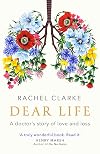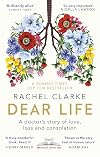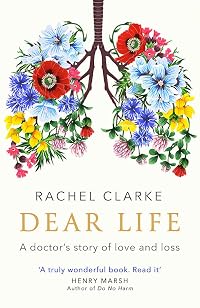
Dear Life: A Doctor's Story of Love and Loss
by Rachel Clarke
On This Page
Description
"In Dear Life, palliative care specialist Dr. Rachel Clarke recounts her professional and personal journey to understand not the end of life, but life at its end. Death was conspicuously absent during Rachel's medical training. Instead, her education focused entirely on learning to save lives, and was left wanting when it came to helping patients and their families face death. She came to specialize in palliative medicine because it is the one specialty in which the quality, not quantity of show more life truly matters. In the same year she started to work in a hospice, Rachel was forced to face tragedy in her own life when her father was diagnosed with terminal cancer. He'd inspired her to become a doctor, and the stories he had told her as a child proved formative when it came to deciding what sort of medicine she would practice. But for all her professional exposure to dying, she remained a grieving daughter. Dear Life follows how Rachel came to understand-as a child, as a doctor, as a human being-how best to help patients in the final stages of life, and what that might mean in practice"-- show lessTags
Recommendations
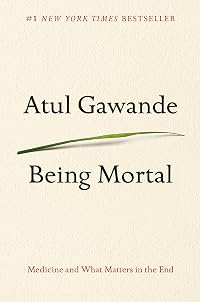


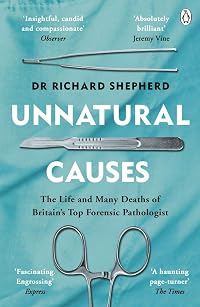
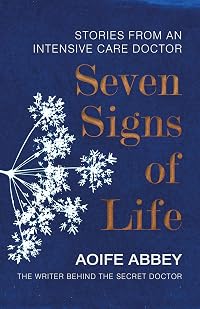

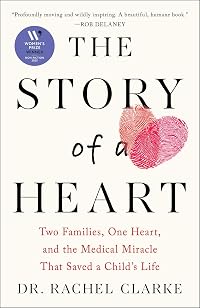
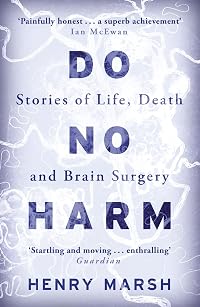
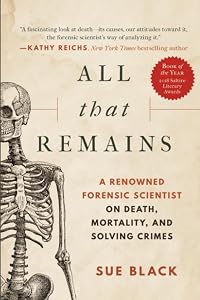
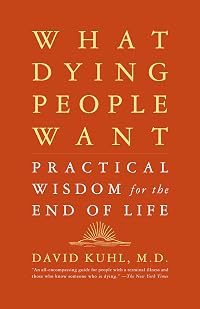
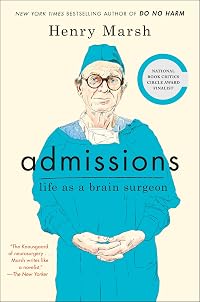
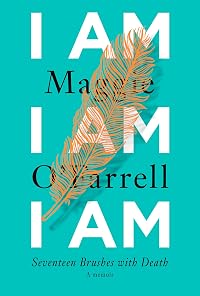

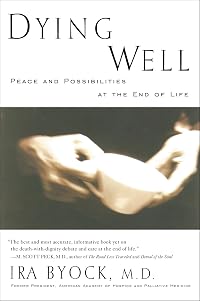
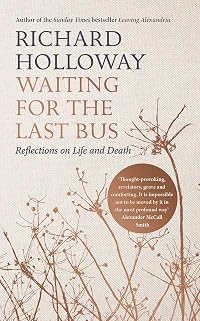

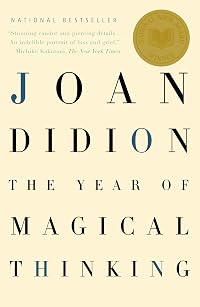
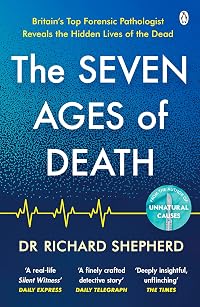
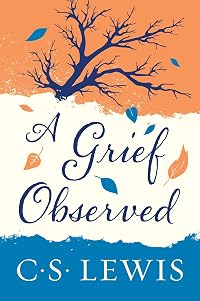
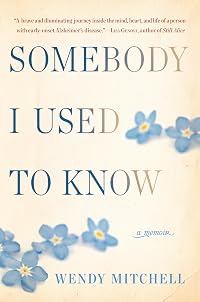
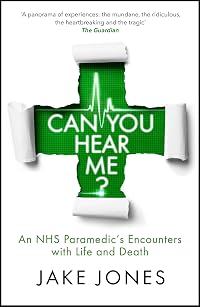
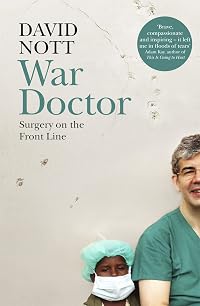
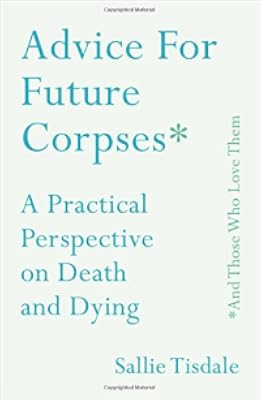
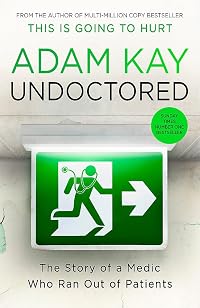
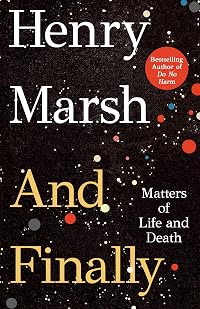

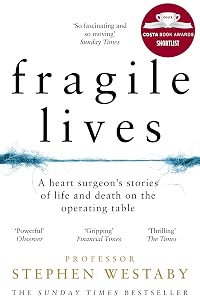
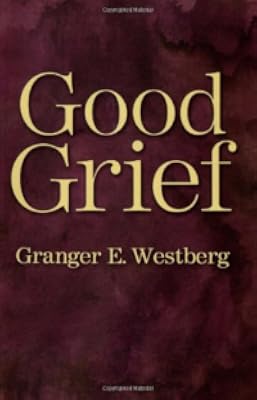
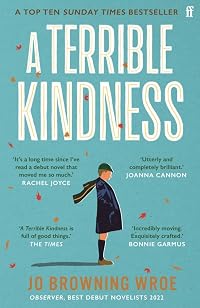

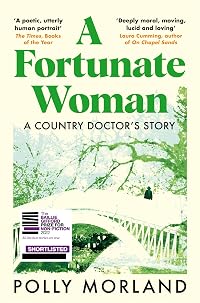

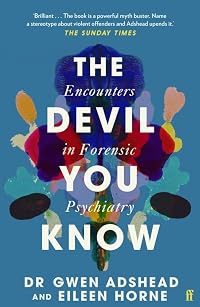

Member Recommendations

anonymous user Book by the same author.
Member Reviews
Clarke’s is an honest, moving, and sometimes wrenching memoir. It covers her childhood with her physician father, her close calls with death in girlhood and youth, the decision to enter medicine in her late twenties after a successful but unfulfilling career as a journalist/documentary filmmaker, and some highlights from medical school and her time as a junior doctor. The bulk of the book, however, focuses on her work in a hospice as a palliative care physician and her experience of her beloved father’s final illness and death from colon cancer. It is one thing for a doctor who, in an almost shamanic role, tends to the dying and witnesses the grief of those they leave behind, and quite another to be a family member losing your show more beloved. Nothing prepares you for it.
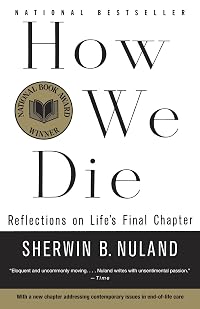
This is not the book to read if you’re feeling the least bit anxious. As a reader, you’re reminded of the multiple ways in which you and your loved ones can die, and I’m afraid that I was not in the mood to be contemplating any of them. Some years ago now, I recall hearing Sherwin Nuland interviewed about his famous book How We Die. The great surgeon-writer bluntly remarked that there really were no good deaths: the end is never easy. His statement really resonated for me at the time, as I’d seen how poorly pain had been managed in a family member’s last weeks and days. Clarke’s book provides some reassurance that things have changed for the better in palliative care.
This is a fine and worthwhile book, full of well-told stories about the author’s life, practice, and father. Having said that, I think one needs a certain amount of fortitude to read it. show less
This is not the book to read if you’re feeling the least bit anxious. As a reader, you’re reminded of the multiple ways in which you and your loved ones can die, and I’m afraid that I was not in the mood to be contemplating any of them. Some years ago now, I recall hearing Sherwin Nuland interviewed about his famous book How We Die. The great surgeon-writer bluntly remarked that there really were no good deaths: the end is never easy. His statement really resonated for me at the time, as I’d seen how poorly pain had been managed in a family member’s last weeks and days. Clarke’s book provides some reassurance that things have changed for the better in palliative care.
This is a fine and worthwhile book, full of well-told stories about the author’s life, practice, and father. Having said that, I think one needs a certain amount of fortitude to read it. show less
“For the dying are living, like everyone else”
Dear Life is part memoir, part meditation on medicine, death and dying.
Much of the first half focuses on Rachel Clarke’s personal life. After a short career in journalism, Clarke surrendered to the inevitable and commenced a degree in medicine, following in her revered father’s footsteps. While completing her training in the NHS, Clarke unexpectedly found herself drawn to the area of palliative medicine.
As a palliative care doctor, Clarke believes the specialty demonstrates medicine at its very best, ‘placing patient, not disease, centre stage’. Like most I fear death, in part because I am terrified of an end of indignity, of pain, and suffering. Touching also on the ethical show more questions surrounding the common ‘life-at-all-cost’ practice of medicine, and the importance of Advanced Health Directives, Clarke explains how palliative care aims to address and alleviate those fears as much as possible. Clarke’s portrayal of her patients and their struggle to live, even while dying, is insightful and compassionate. With empathy and honesty the author shares the last days of some of her patients, who approach their end with a mixture of anger, understanding, fear, resignation, and often, perhaps surprisingly in the end, acceptance.
This becomes all the more important to Rachel when her beloved father, a G.P, is diagnosed with advanced bowel cancer, and when treatment proves unsuccessful, she does all she can to ease his demise.
Dear Life is a thoughtful, inspiring, and surprisingly comforting exploration of a subject most us find difficult to discuss, or even contemplate. The hard truth is, Death will one day come for us, and when it does, we will want palliative and hospice services that will facilitate, and advocate for, the inevitable end on our own terms. show less
Dear Life is part memoir, part meditation on medicine, death and dying.
Much of the first half focuses on Rachel Clarke’s personal life. After a short career in journalism, Clarke surrendered to the inevitable and commenced a degree in medicine, following in her revered father’s footsteps. While completing her training in the NHS, Clarke unexpectedly found herself drawn to the area of palliative medicine.
As a palliative care doctor, Clarke believes the specialty demonstrates medicine at its very best, ‘placing patient, not disease, centre stage’. Like most I fear death, in part because I am terrified of an end of indignity, of pain, and suffering. Touching also on the ethical show more questions surrounding the common ‘life-at-all-cost’ practice of medicine, and the importance of Advanced Health Directives, Clarke explains how palliative care aims to address and alleviate those fears as much as possible. Clarke’s portrayal of her patients and their struggle to live, even while dying, is insightful and compassionate. With empathy and honesty the author shares the last days of some of her patients, who approach their end with a mixture of anger, understanding, fear, resignation, and often, perhaps surprisingly in the end, acceptance.
This becomes all the more important to Rachel when her beloved father, a G.P, is diagnosed with advanced bowel cancer, and when treatment proves unsuccessful, she does all she can to ease his demise.
Dear Life is a thoughtful, inspiring, and surprisingly comforting exploration of a subject most us find difficult to discuss, or even contemplate. The hard truth is, Death will one day come for us, and when it does, we will want palliative and hospice services that will facilitate, and advocate for, the inevitable end on our own terms. show less
This memoir is about how Rachel Clarke, a palliative care specialist, became a doctor later in life and how life and work intertwined with her father’s diagnosis of terminal cancer. She talks about near-death experiences in her own life, how death is not really discussed in medical school, the attitude of colleagues who “relegate” patients to the palliative care “dustbin”, and our larger societal attitude toward death and reluctance to make known our real wishes for end-of-life care.
If you’ve read Being Mortal or With the End in Mind, you will probably like this book, if “like” is the word. Perhaps “find this book enriching” is a better phrase. I found Clarke’s story interesting, particularly how she retrained as a show more doctor later in life after a career in journalism—this gave her a unique perspective and perhaps a bit more assertiveness to stand up for some of her patients, whereas her much younger colleagues may not have felt comfortable contradicting a senior physician. I also liked her sharing the experiences of her dad, who was also a doctor and who inspired her to go into medicine eventually, but didn’t force her to go into it. I also liked her descriptions of life in the hospice ward and the things the staff did to make the patients feel cared for, and her questioning why this couldn’t be done in the regular hospitals.
This is one of those books where, if you wear glasses, you’re going to have to take them off periodically to dry your eyes. So perhaps read it without your glasses, if your eyes permit!
(Note: this book was recommended to me a while back by the Guardian’s list of non-fiction to look out for in 2020) show less
If you’ve read Being Mortal or With the End in Mind, you will probably like this book, if “like” is the word. Perhaps “find this book enriching” is a better phrase. I found Clarke’s story interesting, particularly how she retrained as a show more doctor later in life after a career in journalism—this gave her a unique perspective and perhaps a bit more assertiveness to stand up for some of her patients, whereas her much younger colleagues may not have felt comfortable contradicting a senior physician. I also liked her sharing the experiences of her dad, who was also a doctor and who inspired her to go into medicine eventually, but didn’t force her to go into it. I also liked her descriptions of life in the hospice ward and the things the staff did to make the patients feel cared for, and her questioning why this couldn’t be done in the regular hospitals.
This is one of those books where, if you wear glasses, you’re going to have to take them off periodically to dry your eyes. So perhaps read it without your glasses, if your eyes permit!
(Note: this book was recommended to me a while back by the Guardian’s list of non-fiction to look out for in 2020) show less
I read this when my father was in the hospice. Hence I could appreciate Clarke's work and identify with her when her dad was sick and dying. This book gave me much solace and comfort. Unlike other doctors who write, Clarke doesn't rant against the NHS. She also impresses with her writing.
A wonderfully written, compassionate and insightful book, conveyed with real honesty and humbleness. Highly recommended
This is a book that details the life in a hospice, the place where many die when there isn't any other treatment that can be given. It isn't a place many of us experience, or we experience it when we don't want to.
Dr.Clarke (the author, who is also referred to as Rachel when she is talking about stories with her family) tells the readers many stories about people who are in the hospice and the awesome things that the hospice is able to do for them before they pass away. It could be as simple as allowing someone to die at home with no pain, to planning and running a wedding in less than 2 days.
There are multiple stories in this book that will make you cry, especially if you have been a hospital patient, have been in the hospital for show more numerous reasons, or have had someone you love be in the hospital and die there.
Since Dr.Clarke is based in the UK, there are multiple references to things that the UK has a different way of saying (compared to other countries in the world) which means it may be a bit harder for an international reader to read and fully understand everything without doing some research on certain words.
This isn't a book I could, or want to read in one day. It requires setting down multiple times and picking it back up again when you can. The chapter markers, while good to have, sometimes happen right in the middle of a story and all the reader will want to do is continue to read that story.
I'm sure this is a book that Dr.Clarke's patients and family can read, and be very proud of. If you every wonder what the life of a doctor is when someone is dying then pick up this book and read it. show less
Dr.Clarke (the author, who is also referred to as Rachel when she is talking about stories with her family) tells the readers many stories about people who are in the hospice and the awesome things that the hospice is able to do for them before they pass away. It could be as simple as allowing someone to die at home with no pain, to planning and running a wedding in less than 2 days.
There are multiple stories in this book that will make you cry, especially if you have been a hospital patient, have been in the hospital for show more numerous reasons, or have had someone you love be in the hospital and die there.
Since Dr.Clarke is based in the UK, there are multiple references to things that the UK has a different way of saying (compared to other countries in the world) which means it may be a bit harder for an international reader to read and fully understand everything without doing some research on certain words.
This isn't a book I could, or want to read in one day. It requires setting down multiple times and picking it back up again when you can. The chapter markers, while good to have, sometimes happen right in the middle of a story and all the reader will want to do is continue to read that story.
I'm sure this is a book that Dr.Clarke's patients and family can read, and be very proud of. If you every wonder what the life of a doctor is when someone is dying then pick up this book and read it. show less
Ratings
Members
- Recently Added By
Lists

Books Read in 2020
4,379 works; 124 members
Author Information

4 Works 427 Members
Awards and Honors
Awards
Distinctions
The Guardian Book of the Day (2020-01-21)
Common Knowledge
- Canonical title
- Dear Life: A Doctor's Story of Love and Loss
Classifications
- Genres
- Nonfiction, Biography & Memoir, General Nonfiction
- DDC/MDS
- 362.175 — Society, government, & culture Social problems and social services Social Welfare People with physical illnesses Specific services Terminal care
- LCC
- R489 .C54 .A3 — Medicine Medicine (General) History of medicine. Medical expeditions
- BISAC
Statistics
- Members
- 158
- Popularity
- 207,763
- Reviews
- 6
- Rating
- (4.31)
- Languages
- English
- Media
- Paper, Ebook
- ISBNs
- 10
- ASINs
- 2