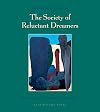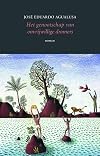
The Society of Reluctant Dreamers
by José Eduardo Agualusa
On This Page
Description
Splitting through the clear waters beside the rainbow hotel, Daniel Benchimol finds a waterproof mango-yellow camera and uncovers the photographed reveries of a famous Mozambican artist, Moira. In this exquisite new novel, Agualusa's reader loses all sense of reality. In The Society of Reluctant Dreamers, Daniel dreams of Julio Cortázar in the form of an ancient giant cedar, his friend Hossi transforming into a dark crow, and most often of the Cotton-Candy-Hair-Woman, Moira, staring right show more back at him. After emails back-and-forth, Moira and Daniel meet, and Daniel becomes involved in a mysterious project with a Brazilian neuroscientist, who's creating a machine to photograph people's dreams. Set against the dense web of Angola's political history, Daniel crosses the hazy border between dream and reality, sleepwalking towards a twisted and entirely strange present. show lessTags
Recommendations


















Member Reviews
A fever dream of a gorgeously written novel and maze, The Society of Reluctant Dreamers manages to balance the most believable of characters against revolution, dreams, and a twisting history that sometimes itself feels more like a dream. This is one that I sank into and lived in, and which I'm already ready to read again.
Dit is de beschrijving van het boek op de site van de uitgeverij:
"De Angolese journalist Daniel Benchimol droomt van mensen die hij niet kent. Moira Fernandes, een Mozambikaanse kunstenaar die in Kaapstad woont, ensceneert en fotografeert haar eigen dromen.
Hélio de Castro, een Braziliaanse neurowetenschapper, filmt hen. Hossi Kaley, een hotelier en voormalige guerrillastrijder met een duister en gewelddadig verleden, heeft een heel andere en zelfs nog geheimzinnigere relatie tot zijn dromen. Dromen brengen deze vier personages bij elkaar in een dramatische reeks gebeurtenissen, in een land dat wordt gedomineerd door een totalitair regime dat op de rand van totale ineenstorting staat."
Na dit te hebben gelezen was mijn interesse show more aangewakkerd en heb ik het boek gelijk besteld. Toen ik er uiteindelijk in begon kon ik het echter maar moeilijk volgen en had ik bijna de moed opgegeven. Maar na een tijdje doorzetten kwam alles op zijn plek en was ik betovert door de prachtige beschrijvingen van de dromen en de figuren die daar in voor komen. Toen ik het boek uit had deed het me sterk denken aan een verhaal van Murakami of Marquez wegens het gebruik van magisch realisme.
Voor mij een zeer geslaagde dromerige roman die meesterlijk is vertaald, en tevens ook van een nawoord is voorzien door Harrie Lemmens. Het nawoord verteld je over de relatie die het boek namelijk heeft met de realiteit, en die is heel bijzonder! show less
"De Angolese journalist Daniel Benchimol droomt van mensen die hij niet kent. Moira Fernandes, een Mozambikaanse kunstenaar die in Kaapstad woont, ensceneert en fotografeert haar eigen dromen.
Hélio de Castro, een Braziliaanse neurowetenschapper, filmt hen. Hossi Kaley, een hotelier en voormalige guerrillastrijder met een duister en gewelddadig verleden, heeft een heel andere en zelfs nog geheimzinnigere relatie tot zijn dromen. Dromen brengen deze vier personages bij elkaar in een dramatische reeks gebeurtenissen, in een land dat wordt gedomineerd door een totalitair regime dat op de rand van totale ineenstorting staat."
Na dit te hebben gelezen was mijn interesse show more aangewakkerd en heb ik het boek gelijk besteld. Toen ik er uiteindelijk in begon kon ik het echter maar moeilijk volgen en had ik bijna de moed opgegeven. Maar na een tijdje doorzetten kwam alles op zijn plek en was ik betovert door de prachtige beschrijvingen van de dromen en de figuren die daar in voor komen. Toen ik het boek uit had deed het me sterk denken aan een verhaal van Murakami of Marquez wegens het gebruik van magisch realisme.
Voor mij een zeer geslaagde dromerige roman die meesterlijk is vertaald, en tevens ook van een nawoord is voorzien door Harrie Lemmens. Het nawoord verteld je over de relatie die het boek namelijk heeft met de realiteit, en die is heel bijzonder! show less
Ratings
Members
- Recently Added By
Published Reviews
ThingScore 75
False memories and clairvoyant dreams combine in Agualusa’s sweeping, intricately plotted tale (after A General Theory of Oblivion) of personal and political history in Angola. After criticizing the Angolan government in a Portugese newspaper, middle-aged journalist Daniel Benchimol is fired at the behest of his powerful father-in-law and soon divorced. Set adrift, Daniel checks into a show more beachside bungalow. While swimming one day, Daniel recovers a waterproof camera containing photographs of a woman who has been appearing in his dreams. She turns out to be Moira Fernandes, a Cape Town artist who takes dreams as her subject. A romance develops between Daniel and Moira after he tracks her down, and she begins working closely with Hélio, a researcher who is developing a technology by which dreams can be recorded and viewed by others. Meanwhile, protests in Angola revive decades-old tensions and build to a violent attempted coup. While the dense and tangled story, rife with diary entries, recounted personal histories, and thinly drawn tertiary characters, is almost too short for its own good, Agualusa manages to pull off a deeply satisfying ending. Readers not well versed in Angolan history will have a hard time, but those with some familiarity will best appreciate Agualusa’s populous, multilayered commentary on the fogs of love and war. show less
added by kidzdoc
Author Information

53+ Works 2,191 Members
José Eduardo Agualusa was born on December 13, 1960 in Huambo, Angola. He studied agronomy and silviculture in Lison, Portugal. He has worked as a journalist for the Portuguese magazine LER, the Brazilian newspaper O Globo, and the Angolan portal Rede Angola. He is also the host of a radio program A Horas das Cigarras on the RDP Africa channel. show more He is an award-winning writer whose work has been translated into multiple languages. Those translated to English include Creole, winner of the Portuguese Grand Prize for Literature; The Book of Chameleons, which won the Independent Foreign Fiction Prize; My father's wives, and Rainy Season. He has written four plays W generation, O monologo, Chovem amores na Rua do Matador (written with Mia Couto), and A Caixa Preta (written with Mia Couto). His work also includes novellas, short stories, and poetry. His recent novels include A educacao sentimental dos passaros, A Vida no Ceu, and A Rainha Ginga, and a book of short stories O Livro dos Camaleoes. (Bowker Author Biography) show less
Common Knowledge
- Canonical title*
- Sällskapet för ofrivilliga drömmare
- Original title
- A sociedade dos sonhadores involuntários
- Original publication date
- 2017 (original Portuguese) (original Portuguese); 2019 (English: Hahn) (English: Hahn); 2020-03-10 (English, Archipelago Books) (English, Archipelago Books)
- Epigraph
- "The Real gives me asthma."
E.M. CIORAN
"Let us always remember that to dream is to look for ourselves."
BERNARDO SOARES/FERNANDO PESSOA - First words
- I woke very early. Through the narrow window, I saw long black birds fly past. I'd dreamed about them. It was as though they had leaped from my dream up into the sky, a damp piece of dark-blue tissue paper, with bitter mold g... (show all)rowing in the corners.
- Quotations
- "Losing memories isn't like losing an arm," he said. "When we lose an arm, we know we've lost an arm. People look at us and know we've lost an arm. It's not like that with memories. We don't know we've lost them, nobody notic... (show all)es, but as we lose them, something in our spirit stops working."
- Blurbers
- Solheim, Katherine
- Original language
- Portuguese
*Some information comes from Common Knowledge in other languages. Click "Edit" for more information.
Classifications
- Genres
- General Fiction, Fiction and Literature
- DDC/MDS
- 869.342 — Literature & rhetoric Spanish Literature Literatures of Portuguese and Galician languages Portuguese fiction 20th Century 1945-1999
- LCC
- PQ9929 .A39 .S6313 — Language and Literature French, Italian, Spanish and Portuguese literatures Portuguese literature Provincial, local, colonial, etc.
- BISAC
Statistics
- Members
- 135
- Popularity
- 241,475
- Reviews
- 2
- Rating
- (3.84)
- Languages
- 6 — Catalan, Dutch, English, German, Portuguese (Portugal), Swedish
- Media
- Paper, Ebook
- ISBNs
- 12
- ASINs
- 4