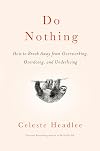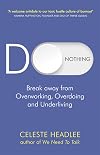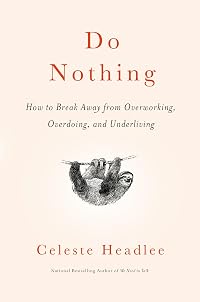
Do Nothing: How to Break Away from Overworking, Overdoing, and Underliving
by Celeste Headlee
On This Page
Description
“A welcome antidote to our toxic hustle culture of burnout.”—Arianna Huffington“This book is so important and could truly save lives.”—Elizabeth Gilbert
“A clarion call to work smarter [and] accomplish more by doing less.”—Adam Grant
We work feverishly to make ourselves happy. So why are we so miserable?
Despite our constant search for new ways to optimize our bodies and minds for peak performance, human beings are working more instead of less, living harder not show more smarter, and becoming more lonely and anxious. We strive for the absolute best in every aspect of our lives, ignoring what we do well naturally and reaching for a bar that keeps rising higher and higher. Why do we measure our time in terms of efficiency instead of meaning? Why can’t we just take a break?
In Do Nothing, award-winning journalist Celeste Headlee illuminates a new path ahead, seeking to institute a global shift in our thinking so we can stop sabotaging our well-being, put work aside, and start living instead of doing. As it turns out, we’re searching for external solutions to an internal problem. We won’t find what we’re searching for in punishing diets, productivity apps, or the latest self-improvement schemes. Yet all is not lost—we just need to learn how to take time for ourselves, without agenda or profit, and redefine what is truly worthwhile.
Pulling together threads from history, neuroscience, social science, and even paleontology, Headlee examines long-held assumptions about time use, idleness, hard work, and even our ultimate goals. Her research reveals that the habits we cling to are doing us harm; they developed recently in human history, which means they are habits that can, and must, be broken. It’s time to reverse the trend that’s making us all sadder, sicker, and less productive, and return to a way of life that allows us to thrive. show less
Tags
Recommendations


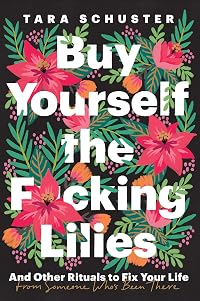
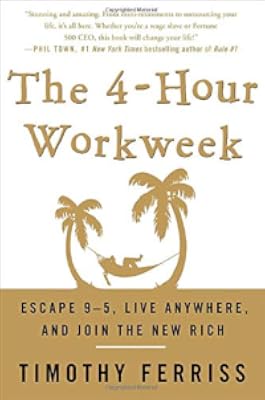
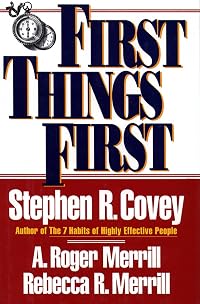
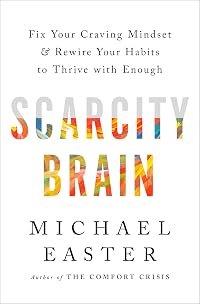
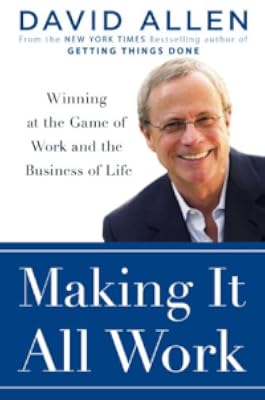
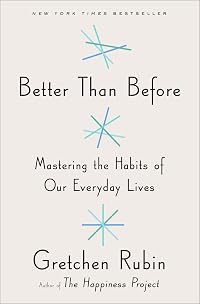
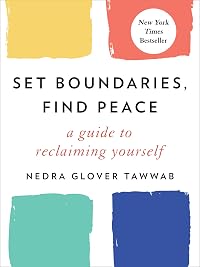
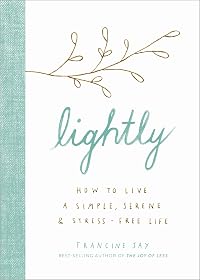
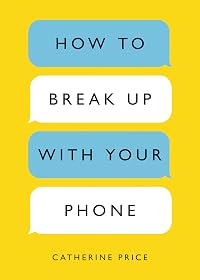
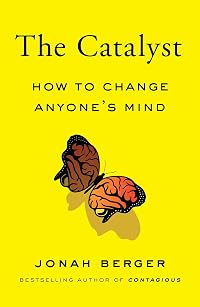
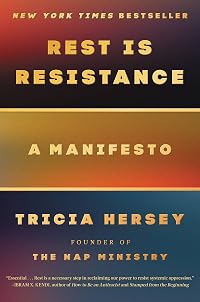
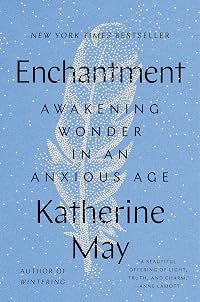


Member Recommendations
Member Reviews
Our cult of ”busy” makes no sense on the surface. We have every convenience, microwaves, fast food, washing machines, and cell phones, but instead of having more time, consumerism increased in a parallel rise and so people worked longer hours just to pay for things they didn't need. We are in constant contact through social media, but we don't have time to meet friends for coffee, much less devote hours to a quilting circle or community club. It's a strange paradox and one that is leading to increased loneliness and suicide. The idea that multitasking is bad for you was so interesting. It's horrible for you brain because you're not giving anything your full attention. And women are taught that they should be "good" at it, so we work show more harder to constantly split our focus.
On tech creators like Steve Jobs not allowing his own children to use iPads, "Would you eat a meal that the chef wouldn't serve to his own family?"
We need to put our devices down & remember that work is not life. Such a good book!
TAKE AWAY POINTS
Increase time perception
Create your ideal schedule
Stop comparing at a distance
Work fewer hours
Schedule leisure
Schedule social
Work in teams
Commit small, selfless acts
Focus on ends not means
“The idea is not that everything should be slower, but that not everything needs to be fast.” show less
On tech creators like Steve Jobs not allowing his own children to use iPads, "Would you eat a meal that the chef wouldn't serve to his own family?"
We need to put our devices down & remember that work is not life. Such a good book!
TAKE AWAY POINTS
Increase time perception
Create your ideal schedule
Stop comparing at a distance
Work fewer hours
Schedule leisure
Schedule social
Work in teams
Commit small, selfless acts
Focus on ends not means
“The idea is not that everything should be slower, but that not everything needs to be fast.” show less
I feel misled by the title of this book, Do Nothing: How to Break Away from Overworking, Overdoing, and Underlining. I thought I was going to read a book offering tools and ideas on HOW to make changes in my life regarding work. I found it disappointing, and at times boring, on WHY we overwork and under live. This audiobook is 7 hours and 41 minutes in length. The author Celeste Headlee didn’t get to the HOW until there were less than two hours remaining of the audiobook.
Celeste opens the book by thoroughly explaining the history of work beginning in the late 19th century. She talked about daily routines, how people define work, work ethic, and the development of our dedication to over working. My interest was not held well during show more this portion of the book. My expectations were quickly going down hill and disappointment began to settle in.
Once Celeste explored the various ways in which we misperceive the purpose of working, my interest in this book improved. Threaded throughout the chapters she consistently points out how and why we overwork ourselves and put work ahead of more important areas of our lives. She talked about our desire to work more, in order to earn more money, so we can spend more. We perceive idleness as being lazy, and hobbies as activities we don’t have time for. Since this was truly the bulk of the book; why we work so much and fail at enjoying our lives, Celeste covered A LOT of topics. She made some good points I found relevant to my work/life habits and some of her points were of the “I’ve heard that before” variety.
Celeste talked about our tendency to work extraordinarily long hours, continuing our work day at home by checking and responding to email 24/7. Our current work lifestyle has us always being available for work tasks or communications. She exposes gender differences to work. Men are usually done for the day when their work day ends. Most of their tasks are seasonal or occasional. For women the work is constant. A full day at work and then housework, kids, and more work when they get home. Celeste stresses the importance of...
I have photos, videos, and additional information that I'm unable to include here. It can all be found on my blog, in the link below.
A Book And A Dog show less
Celeste opens the book by thoroughly explaining the history of work beginning in the late 19th century. She talked about daily routines, how people define work, work ethic, and the development of our dedication to over working. My interest was not held well during show more this portion of the book. My expectations were quickly going down hill and disappointment began to settle in.
Once Celeste explored the various ways in which we misperceive the purpose of working, my interest in this book improved. Threaded throughout the chapters she consistently points out how and why we overwork ourselves and put work ahead of more important areas of our lives. She talked about our desire to work more, in order to earn more money, so we can spend more. We perceive idleness as being lazy, and hobbies as activities we don’t have time for. Since this was truly the bulk of the book; why we work so much and fail at enjoying our lives, Celeste covered A LOT of topics. She made some good points I found relevant to my work/life habits and some of her points were of the “I’ve heard that before” variety.
Celeste talked about our tendency to work extraordinarily long hours, continuing our work day at home by checking and responding to email 24/7. Our current work lifestyle has us always being available for work tasks or communications. She exposes gender differences to work. Men are usually done for the day when their work day ends. Most of their tasks are seasonal or occasional. For women the work is constant. A full day at work and then housework, kids, and more work when they get home. Celeste stresses the importance of...
I have photos, videos, and additional information that I'm unable to include here. It can all be found on my blog, in the link below.
A Book And A Dog show less
I wish everyone where I work would read this book. Our culture of "always being on" isn't helpful to our creativity or our mission. People should learn to have lives outside of their job. That is what this book tackles: the need to cultivate a life and identity that is separate from your job. Headlee's prose is engaging, well supported by research, and thought provoking.
Not at all what I expected, it was more or of a history of how we became so focused on productivity and multi-tasking than about how to do nothing. I don't know now that I have read it that it is self-help, I feel like it is more encouraging the reader to self-evaluate, to remember to breathe and take moments to enjoy the life they built. That it isn't a competition of who is busiest, that family and work can and should be separate spheres.
4 5. There were so many 'wake up' calls with this one. Made me think about how I manage my time, my own work ethic, and that overworking is really getting us nowhere. We all need to have more leisure time and stop giving into the idea that work is the end all and be all of our lives. I also love that the author did multiple experiments testing out how she could better manage her time and work less and still be as, if not even more productive. This is a must read for everyone imo. I highly recommend
Very thought provoking read about working too much and what that’s doing to us. It’s unfortunate that I figured out most of it through burnout at my job, but at least now I have researched reasons. I’m going to continue to refer back to it.
My best takeaway from this book is time perception - being aware of what you're doing and for how long. Personally, I've been under the impression that I'm overworking, but on an average, I've only put on about 50 hrs per week. This alone helped me not be tired on a Monday morning.
The author talks about women and multitasking and how perception is far from reality. Rapidly switching between tasks is our form of multitasking. Though women have an edge in switching quickly between tasks, it hurts them equally when things go south during "multitasking".
Knowing about Dunbar number and research-based evidence that our close friends are shrinking was very surprising. I did take pride in having a high number of LinkedIn followers, guess that's show more going to change for me.
"Buying time promotes happiness" - this was something that I was aware of and felt reinforced.
There's a guide-list provided towards the end of the chapter that might help readers. show less
The author talks about women and multitasking and how perception is far from reality. Rapidly switching between tasks is our form of multitasking. Though women have an edge in switching quickly between tasks, it hurts them equally when things go south during "multitasking".
Knowing about Dunbar number and research-based evidence that our close friends are shrinking was very surprising. I did take pride in having a high number of LinkedIn followers, guess that's show more going to change for me.
"Buying time promotes happiness" - this was something that I was aware of and felt reinforced.
There's a guide-list provided towards the end of the chapter that might help readers. show less
Members
- Recently Added By
Lists

Spirituality
195 works; 1 member

Psychology: Abuse, Grief, Self-Help
189 works; 1 member
Author Information

9+ Works 659 Members
Some Editions
Classifications
Statistics
- Members
- 337
- Popularity
- 93,972
- Reviews
- 10
- Rating
- (3.92)
- Languages
- Chinese, English
- Media
- Paper, Audiobook, Ebook
- ISBNs
- 11
- ASINs
- 3