On This Page
Description
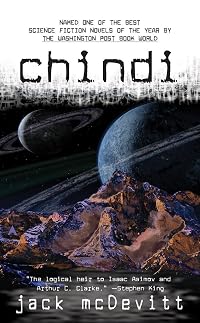
When someone--or something--leaves a series of mysterious satellites orbiting around diverse planets in the galaxy, a crew sets out to uncover the origins of the satellites and their potential danger to humankind.Tags
Recommendations









Member Recommendations
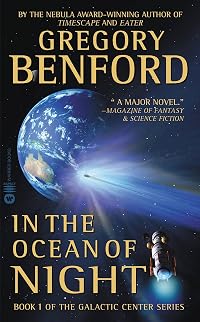
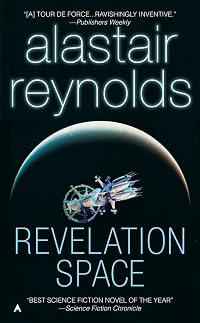
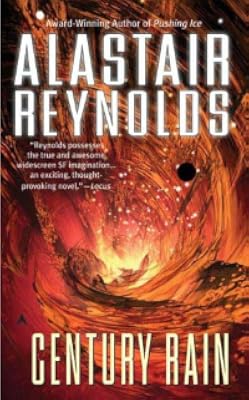
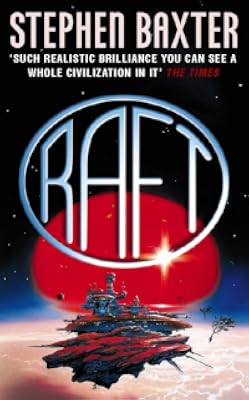
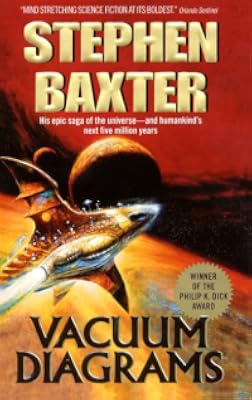
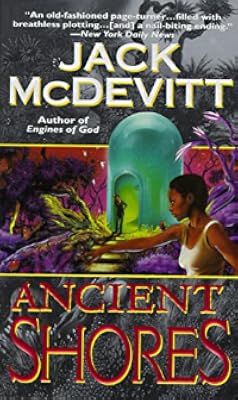
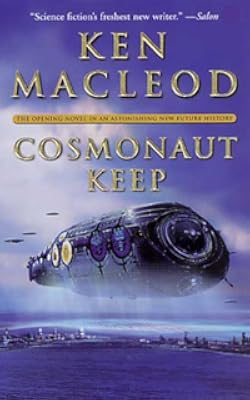
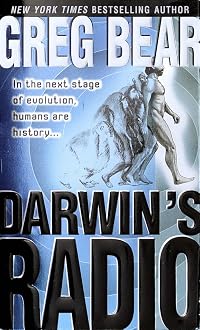
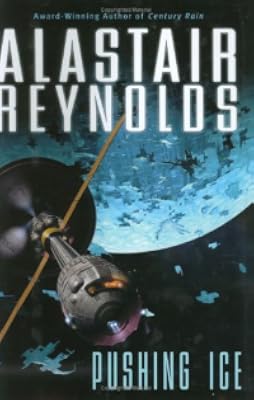
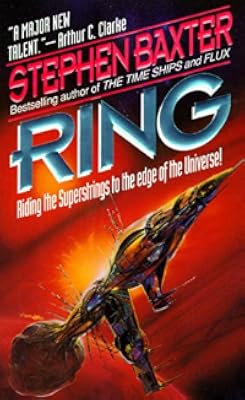
PghDragonMan Strange messages from beyond our world lure humans to explore space in the hope of meeting other intelligent life forms.
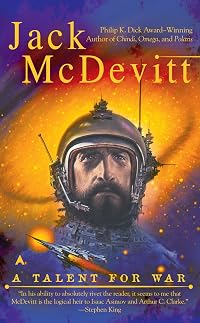
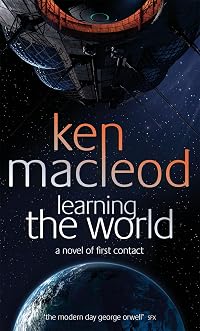
twiglet12 An entertaining and interesting riff on first contact.

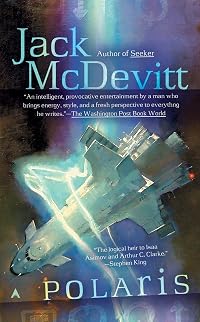
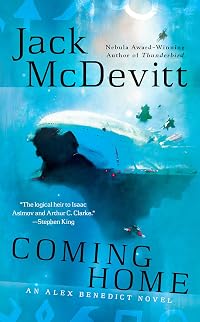
Vvolodymyr Troika is a much shorter but psychologically more interesting story about a meeting with a strange, large, incomprehensible object.
Member Reviews
"Chindi" is the third novel in the Priscilla Hutchins series. The archaeological mysteries continue.
"Hutch", as her friends call her, is fed up with her career as pilot. She gets all of the blame when things go wrong and none of the credit when things go right. She's been asked by her employer, the Science Academy, to pilot one last mission before landing a desk job: ferry the well heeled members of the "Contact Society", an E.T.-phile crowd, around in a ship they commissioned for the Academy on its maiden voyage to investigate a strange signal emanating from the vicinity of a neutron star.
We journey with the crew as they discover a network of stealth satellites engaged in the observation of several worlds. As Hutch and her passengers show more track down clues to who built the network and why, they visit several worlds in the network and even make first contact with a new alien species. It's significant in that most worlds explored in this series contain the ruins of long dead civilizations, with one or two exceptions.
One of Hutch's passengers is an ex-boyfriend. Readers of previous works know that Hutch has been unlucky in love. Her career doesn't leave much time on Earth for relationships. Interstellar pilot really gives a new meaning to long distance relationships. Most give up. Hutch's relationship with this ex, Tor, makes for an interesting sub-plot, though it takes a while to really develop.
I don't want to give away too much, but suffice it to say that the Contact Society may have bitten off more than it could chew. Fatal mishaps plague the expedition, but they press on. Their compelling need to get to the bottom of the mystery pushes them on. They're rewarded with the discovery of the "chindi," a massive starship that they believe is the key to the stealth satellite network. Despite everything that has gone wrong and Hutch's warnings, the remaining members of the Contact Society set out to make contact with the chindi. The story reaches its climax with Hutch setting out to rescue her passengers from the chindi after a surprise turn of events.
McDevitt's writing style returns to the top form he achieved with Engines of God and quite possibly surpasses it. While Deepsix was a bit of a disappointment to this reader, Chindi made up for it. While his ability to weave a good mystery has never been a problem, McDevitt's use of characterization in Chindi easily surpasses what he provided in the previous two novels in this series. And the level of action and suspense also return to the level presented in Engines of God. This was a novel that I had a tough time putting down. Excellent work. Highly recommended. show less
"Hutch", as her friends call her, is fed up with her career as pilot. She gets all of the blame when things go wrong and none of the credit when things go right. She's been asked by her employer, the Science Academy, to pilot one last mission before landing a desk job: ferry the well heeled members of the "Contact Society", an E.T.-phile crowd, around in a ship they commissioned for the Academy on its maiden voyage to investigate a strange signal emanating from the vicinity of a neutron star.
We journey with the crew as they discover a network of stealth satellites engaged in the observation of several worlds. As Hutch and her passengers show more track down clues to who built the network and why, they visit several worlds in the network and even make first contact with a new alien species. It's significant in that most worlds explored in this series contain the ruins of long dead civilizations, with one or two exceptions.
One of Hutch's passengers is an ex-boyfriend. Readers of previous works know that Hutch has been unlucky in love. Her career doesn't leave much time on Earth for relationships. Interstellar pilot really gives a new meaning to long distance relationships. Most give up. Hutch's relationship with this ex, Tor, makes for an interesting sub-plot, though it takes a while to really develop.
I don't want to give away too much, but suffice it to say that the Contact Society may have bitten off more than it could chew. Fatal mishaps plague the expedition, but they press on. Their compelling need to get to the bottom of the mystery pushes them on. They're rewarded with the discovery of the "chindi," a massive starship that they believe is the key to the stealth satellite network. Despite everything that has gone wrong and Hutch's warnings, the remaining members of the Contact Society set out to make contact with the chindi. The story reaches its climax with Hutch setting out to rescue her passengers from the chindi after a surprise turn of events.
McDevitt's writing style returns to the top form he achieved with Engines of God and quite possibly surpasses it. While Deepsix was a bit of a disappointment to this reader, Chindi made up for it. While his ability to weave a good mystery has never been a problem, McDevitt's use of characterization in Chindi easily surpasses what he provided in the previous two novels in this series. And the level of action and suspense also return to the level presented in Engines of God. This was a novel that I had a tough time putting down. Excellent work. Highly recommended. show less
Chindi is one of the best books I have ever read – ever! It’s got everything – intrigue, mystery, action, adventure, archeology, ancient alien civilizations, space ships, and in this novel, real live aliens. It’s freakin’ awesome!
This is the third novel in the six novel series entitled The Academy series, featuring Priscilla Hutchins, or Hutch, the space ship pilot for the Science Academy. Normally, she spends her time ferrying archeologists around to various planets and participating as she can, but lately she’s been thinking of retiring. She’s had a full and distinctive career. However, she’s given one last assignment that’s hard to turn down – ferry members of the Contact Society, a bunch of alien nutjobs, out to show more a neutron star where a couple of radio transmissions had been discovered so they can explore. They desperately want to discover an alien race.
There are, I believe, some six members of the Contact Society along for the ride, led by George, who’s paying her salary and with whom she bumps heads from time to time. He wants to take over, but as captain of the ship, she asserts that she has final say in matters.
They get out to the star and discover a network of stealth satellites engaged in the observation of a number of worlds. This is big. They decide to try and follow the satellites to try and track down who built the network and why. This leads to new worlds. They discover one beautiful world they call Paradise and against Hutch’s wishes, land on it. The reason? They discover aliens on it, whom they call Angels because they’re beautiful people with large wings. They step out of their lander bearing gifts and are attacked and suffer two fatalities before Hutch saves them and gets them out of there. It’s sobering. Hutch wants to return, but the remainder of the group want to keep going.
They keep following the satellites and find a new world with a huge home on it. They land and find it’s deserted, but looks lived in. They discover two burial plots outside and one looks like it’s been touched recently. They call the Academy and the Academy decides to send a ship of researchers out there.
Meanwhile, while they’re out in space, they spot a rock-like monster sized space ship, an alien one, and are really excited. They call it the chindi. George wants to land on it and explore it, especially if it involves finding an alien race inside. They send radio messages to the ship, but they are ignored. Finally, against Hutch’s better judgment, they go to the ship and cut through a hatch and get inside the ship. It’s huge. Bigger than big cities. They find many rooms that are like museums showing other alien races and even movies of them. George is ecstatic and wants to stay on the ship with his crew. Hutch is worried the ship could take off into hyperspace at any time though, but George says she can come back to pick them up when it’s about to do that, so against her better judgment, she agrees. I guess she’s a bit of a pushover, when I think of it.
After a few days, Hutch’s AI tells her the chindi is about to take off and she contacts George to let them know they don’t have much time. And the ship is in the middle of something like a hurricane. She doesn’t know if she can pick them up safely. She tries, but one of them dies and another, her love interest, is trapped on the ship. She goes into hyperspace to meet the chindi at its supposed destination and beats it there. Big concern. Now there are several human ships in the system and the problem is how to get Tor, the man on board, off the ship before it goes hyper. It’s an exciting and breathtaking finish to the novel and you don’t get a break from the action at all. During this adventure, a couple of other ships that took satellites on board for Academy exploration blew up, so there were more deaths. Was it all worth it? Okay, so Hutch is a bit of a pushover, but she saves the day repeatedly and saves people’s lives in the process. She’s a great ship’s captain. And the Contact Society makes some great discoveries. This is a fantastic novel, better than the previous two, and I don’t see how the author will be able to top it in the next three, but I’m eagerly waiting to read all of them. Strongly recommended. show less
This is the third novel in the six novel series entitled The Academy series, featuring Priscilla Hutchins, or Hutch, the space ship pilot for the Science Academy. Normally, she spends her time ferrying archeologists around to various planets and participating as she can, but lately she’s been thinking of retiring. She’s had a full and distinctive career. However, she’s given one last assignment that’s hard to turn down – ferry members of the Contact Society, a bunch of alien nutjobs, out to show more a neutron star where a couple of radio transmissions had been discovered so they can explore. They desperately want to discover an alien race.
There are, I believe, some six members of the Contact Society along for the ride, led by George, who’s paying her salary and with whom she bumps heads from time to time. He wants to take over, but as captain of the ship, she asserts that she has final say in matters.
They get out to the star and discover a network of stealth satellites engaged in the observation of a number of worlds. This is big. They decide to try and follow the satellites to try and track down who built the network and why. This leads to new worlds. They discover one beautiful world they call Paradise and against Hutch’s wishes, land on it. The reason? They discover aliens on it, whom they call Angels because they’re beautiful people with large wings. They step out of their lander bearing gifts and are attacked and suffer two fatalities before Hutch saves them and gets them out of there. It’s sobering. Hutch wants to return, but the remainder of the group want to keep going.
They keep following the satellites and find a new world with a huge home on it. They land and find it’s deserted, but looks lived in. They discover two burial plots outside and one looks like it’s been touched recently. They call the Academy and the Academy decides to send a ship of researchers out there.
Meanwhile, while they’re out in space, they spot a rock-like monster sized space ship, an alien one, and are really excited. They call it the chindi. George wants to land on it and explore it, especially if it involves finding an alien race inside. They send radio messages to the ship, but they are ignored. Finally, against Hutch’s better judgment, they go to the ship and cut through a hatch and get inside the ship. It’s huge. Bigger than big cities. They find many rooms that are like museums showing other alien races and even movies of them. George is ecstatic and wants to stay on the ship with his crew. Hutch is worried the ship could take off into hyperspace at any time though, but George says she can come back to pick them up when it’s about to do that, so against her better judgment, she agrees. I guess she’s a bit of a pushover, when I think of it.
After a few days, Hutch’s AI tells her the chindi is about to take off and she contacts George to let them know they don’t have much time. And the ship is in the middle of something like a hurricane. She doesn’t know if she can pick them up safely. She tries, but one of them dies and another, her love interest, is trapped on the ship. She goes into hyperspace to meet the chindi at its supposed destination and beats it there. Big concern. Now there are several human ships in the system and the problem is how to get Tor, the man on board, off the ship before it goes hyper. It’s an exciting and breathtaking finish to the novel and you don’t get a break from the action at all. During this adventure, a couple of other ships that took satellites on board for Academy exploration blew up, so there were more deaths. Was it all worth it? Okay, so Hutch is a bit of a pushover, but she saves the day repeatedly and saves people’s lives in the process. She’s a great ship’s captain. And the Contact Society makes some great discoveries. This is a fantastic novel, better than the previous two, and I don’t see how the author will be able to top it in the next three, but I’m eagerly waiting to read all of them. Strongly recommended. show less
I keep complaining about McDevitt's books but I keep reading them anyway. This one is interesting. I think I like them because they present a near future with space travel that is not an unrealistic utopia but a believable, mildly flawed version of the present with very little change. There have been advance in AI, fusion power and faster than light travel, but there are still problems with human nature, bureaucracy and office politics. The characters are realistic. All of that makes the stories actually a little boring. There is little wiz-bang Flash Gordon or Buck Rodgers action, but the drabness makes it seem more attainable as a future. There are two more "Academy" stories, "Omega" and "Cauldron". I will be reading those also.
The series continues to be relatively solid space opera, though with some really difficult to believe decisions by key characters over and over again. All in all, still an enjoyable read, with more space mysteries and dead (and some not so dead) civilizations. I kind of miss the archeologists instead of the ufo/alien enthusiasts though, and while Hutch acts as an anchor for returning readers the lack of scientists and archeological/anthro process makes it really feel lacking in some ways.
Read the book a while ago. But what I remember is an entertaining read about a group of exoarchaeologists come first contact crew. The prose is free-flowing, the science and events are reasonably plausible. I also remember enjoying quite a bit of suspense (especially towards the end) as well as the general sense of wonder/discovery. Recommend to those, seeking light but intelligent scifi adventure.
Solid McDevitt space adventure. That means one hairs-breadth escape after another, from one of the galaxy to the other. This is part of McDevitt's series with star pilot Priscilla Hutchins. I must admit to finding these pretty interchangeable with his series with Alex Benedict. On the positive side, the writing is clear, the characters sympathetic, and the action constant. On the negative side, this version of the 23rd century looks an awful lot like the 1950s, with spaceships. The role and gender relationships haven't changed a bit. Entertainment hasn't changed much, except for the presence of sims, that are basically your standard holodeck.
Read for fun.
Read for fun.
Chindi continues the trend of the previous two books in only vaguely being a sequel. It takes place after the previous two with one of the same characters (Hutch) and there are a few references to previous events... But that's about it. That's not a bad thing though.
This book starts with the discovery of an alien satellites around a neutron star. Hijinks ensue and people die (I'll come back to that in a second). It turns out that the satellites are part of a communication network. The next large chunk of the book follows our characters from world to world chasing after this network. (More people die). They finally end up finding a truly massive alien starship and exploring that (more people die). Then there's the climax where--just like show more Deepsix--our heroes have to attempt a daring / insane rescue mission so as not to leave a man behind.
On the plus side: I love the science aspects of the book. It's really starting to come together as a world and I like how there is some thought put into consequences. FTL travel and communication are possible, but it still takes time. Artificial gravity interacts oddly with inertia. Traveling at relativistic speeds does strange things to time. I keep turning pages, wanting to know more.
On the down side: It's getting increasingly hard to have sympathy for the characters. Over three books, there has been a fairly impressive body count. And almost all of them were avoidable. Over and over in this book, the author hangs a lampshade on the fact that what the characters are doing is dangerous. Off they go, and off someone dies. And yet other than a few token comments, no one seems to care. It's starting to get a bit weird.
Overall (and you can see by my rating), I'm still really enjoying this series. There's a definite sense of something building and the world growing and changing behind the scenes. And better, the epilogue of this book and the title of the next hint that we might just learn a bit more about the Omega Clouds from book 1! Looking forward to it. show less
This book starts with the discovery of an alien satellites around a neutron star. Hijinks ensue and people die (I'll come back to that in a second). It turns out that the satellites are part of a communication network. The next large chunk of the book follows our characters from world to world chasing after this network. (More people die). They finally end up finding a truly massive alien starship and exploring that (more people die). Then there's the climax where--just like show more Deepsix--our heroes have to attempt a daring / insane rescue mission so as not to leave a man behind.
On the plus side: I love the science aspects of the book. It's really starting to come together as a world and I like how there is some thought put into consequences. FTL travel and communication are possible, but it still takes time. Artificial gravity interacts oddly with inertia. Traveling at relativistic speeds does strange things to time. I keep turning pages, wanting to know more.
On the down side: It's getting increasingly hard to have sympathy for the characters. Over three books, there has been a fairly impressive body count. And almost all of them were avoidable. Over and over in this book, the author hangs a lampshade on the fact that what the characters are doing is dangerous. Off they go, and off someone dies. And yet other than a few token comments, no one seems to care. It's starting to get a bit weird.
Overall (and you can see by my rating), I'm still really enjoying this series. There's a definite sense of something building and the world growing and changing behind the scenes. And better, the epilogue of this book and the title of the next hint that we might just learn a bit more about the Omega Clouds from book 1! Looking forward to it. show less
Members
- Recently Added By
Lists

hypatian_kat to-read
429 works; 3 members

Books Read in 2026
2,206 works; 71 members

Academia in Fiction
158 works; 23 members

Female Protagonist
1,076 works; 57 members
Author Information

131+ Works 20,954 Members
Jack McDevitt (born 1935) is an American science fiction author whose novels frequently deal with attempts to make contact with alien races, and with archaeology or xenoarchaeology. He attended La Salle University, where a short story of his won the annual Freshman Short Story Contest and was published in the school's literary magazine, Four show more Quarters. He received a Master's degree in literature from Wesleyan University in 1971. Before becoming a full-time author, he was an English teacher, naval officer, Philadelphia taxi driver, customs officer and motivational trainer. His first published story was The Emerson Effect in The Twilight Zone Magazine in 1981. Two years later, he published his first novel, The Hercules Text, which won the Philip K. Dick Special Award. He won the 2006 Nebula Award for Best Novel for Seeker, the UPC International Prize for his novella Ships in the Night in 1991, and the John W. Campbell Memorial Award for best SF novel for Omega in 2003. (Bowker Author Biography) show less
Some Editions
Awards and Honors
Awards
Distinctions
Series

Belongs to Publisher Series
Common Knowledge
- Canonical title
- Chindi
- Original publication date
- 2002-07
- People/Characters
- Priscilla 'Hutch' Hutchins; Maurice Mogambo; George Hockelmann; Tor
- Important places
- Retreat; Safe Harbor
- First words*
- Prologue: Die "Benjamin L. Martin" oder "Benny" für ihren Captain und die Passagiere befand sich am äußersten Rand ihres Überwachungsgebiets im Orbit eines Neutronensterns mit der Katalognummer VV651107, als sie ihren Flu... (show all)g in die Geschichte antrat.
Text: Priscilla Hutchins war keine Frau, die sich leicht aus dem Tritt bringen ließ. - Last words*
- (Click to show. Warning: May contain spoilers.)Die Technologie, die aus der Zuflucht geborgen wurde, bleibt verwirrend, scheint aber die Möglichkeit eines Quantensprungs zu enthalten und könnte die lange erwartete Weatherman-Mission zur Untersuchung der Omegawolken in den Bereich des Möglichen rücken, in deren Zuge nach Methoden zu ihrer Neutralisierung geforscht werden soll.
- Blurbers
- King, Stephen; Sheffield, Charles; Benford, Gregory
*Some information comes from Common Knowledge in other languages. Click "Edit" for more information.
Classifications
Statistics
- Members
- 1,513
- Popularity
- 15,352
- Reviews
- 34
- Rating
- (3.58)
- Languages
- 7 — Czech, English, French, German, Polish, Russian, Spanish
- Media
- Paper, Audiobook, Ebook
- ISBNs
- 13
- UPCs
- 1
- ASINs
- 5